
Ofrenda
from Spanish, meaning offering
A Mexican home altar built to welcome the souls of the dead during Día de los Muertos
An ofrenda is a home altar created in Mexico for the annual Día de los Muertos celebration. Families build it to invite deceased loved ones back, believing the display helps guide their spirits home.
- Three-tiered structure: top for photos, middle for food, bottom for candles
- Marigold petals guide spirits with their scent and bright color
- Copal incense burns to ward off evil spirits
- Regional variations include alebrijes in Oaxaca and seafood in Veracruz
- Blends Aztec afterlife beliefs with Christian soul concepts
What it is
An ofrenda is a traditional Mexican home altar constructed for the Día de los Muertos celebration. Families create these displays to welcome the souls of deceased relatives back into the world of the living. The structure serves as a spiritual meeting point where the dead can rest and reconnect with their kin before returning to their own realm. It is a central feature of the holiday, blending indigenous beliefs with Christian traditions introduced during the Spanish conquest. The altar is not merely decorative but acts as a functional space for communion with ancestors.
Where it comes from
The practice coincides with the Día de Muertos, which some believe originated with the Aztecs, though this origin is disputed. The Aztec culture viewed death as a transition to different realms rather than an end. This perspective merged with Christian beliefs about the eternal soul during the Spanish conquest of the Aztec Empire. The resulting tradition combines these two worldviews, creating a unique cultural expression that honors the continuity of life beyond death.
How it is done
Families construct the altar in tiers within their homes or in village cemeteries. The top tier holds photos of the deceased and religious images like saints or the Virgin Mary. The middle tier contains favorite foods, drinks, and toys appropriate for the age of the departed. The bottom tier features lit candles and items for cleansing, such as water, soap, and mirrors. Marigold petals are often scattered to form a path guiding the spirits to the altar.
Tools and materials
Common elements represent the four natural forces. Candles symbolize fire, while papel picado (cut paper) represents air due to its lightness. Food stands for earth, and glasses of water signify water, intended to quench the thirst of travelers. Copal incense from resinous trees is burned to produce scents believed to ward off evil spirits. Bright orange and yellow marigolds, known as cempasuchitl, are used for their fragrance to attract souls.
Ofrenda, drawn and placed
- Living
- Revived
- Fading
- Historical
- Legendary
- Performed
- Lineage
- Día de los Muertos tradition
- Timing
- during Día de los Muertos
What it is for
The primary intent is to commune with the dead and provide them comfort upon their return. Families offer specific foods, such as mole or pan de muerto, and drinks like tequila or mezcal to make the deceased feel at home. Water is left out to satisfy thirst after the long journey. The altar also serves to commemorate family members and maintain a connection with those who have passed away, reinforcing familial bonds across generations.
Who does it
Households are the main practitioners, with family members building the ofrenda together. The creation process involves selecting personal items that reflect the personality and preferences of the deceased. In some regions, communities may also construct larger communal altars. The role is typically domestic and intergenerational, passed down through families who wish to honor their lineage and maintain cultural traditions.
Peoples and places
The tradition is deeply rooted in Mexican culture, with variations found across different states. In Oaxaca, alebrijes (paper mache figures) decorate the altars. Michoacán uses sugar skulls and papel picado. Veracruz incorporates seashells and fish to reflect local maritime life, holding the record for the largest ofrenda. Puebla features regional cuisine like mole poblano. Mexico City blends modern and traditional elements, reflecting urban cultural evolution.
At a glance: who, where and when
Who does it
Peoples
Belief worlds
Occasions

What people believe
The underlying worldview merges Aztec concepts of the afterlife with Christian ideas of the soul's eternity. It is believed that souls enter different realms upon death but can visit the living during specific times. The altar provides a safe and welcoming space for this visitation. Elements like marigolds and incense are thought to have spiritual properties that guide and protect the spirits, ensuring they find their way home and remain free from malevolent forces.
When it is done
Ofrendas are constructed specifically for the Día de los Muertos celebration, which occurs annually. The timing aligns with the belief that the veil between the worlds of the living and the dead thins during this period. Families prepare the altar in advance, often spending days arranging items and decorating. The celebration marks a time when ancestors are invited to share in the festivities and receive offerings from their descendants.
How scholars and sceptics see it
Anthropologists view the ofrenda as a key example of syncretism, where indigenous and European religious practices merged. Historians note the influence of the Spanish conquest on the development of the current tradition. Scholars study how the altar functions as a mechanism for memory and identity preservation within Mexican society. Research also examines regional variations as indicators of local cultural identities and historical adaptations.
Cautions and what is closed
The practice is widely accepted and celebrated within Mexican culture and among diaspora communities. There are no reported issues regarding fraud or abuse linked to this specific tradition. The focus remains on commemoration and familial bonding without any indication of danger or controversy.
Compare and confuse
The ofrenda is distinct from other memorial practices by its elaborate, multi-tiered structure and specific ritual components. It differs from simple grave visits by bringing the deceased into the home environment. While similar to All Saints' Day observances in Catholic countries, the ofrenda incorporates unique indigenous elements like marigolds and copal incense. It is sometimes confused with generic Halloween decorations but is rooted in specific Mexican folk traditions.
Law and persecution
The practice is generally protected as part of Mexico's cultural heritage. There are no mentions of suppression or persecution related to this tradition. It is openly displayed and celebrated in public spaces, homes, and community centers without legal restriction.
Today
The tradition continues to thrive in Mexico and among Mexican-American communities. It has gained visibility through popular media, including films like Coco and The Book of Life, which showcase the visual richness of ofrendas. Community altars are built in places like San Francisco, curated by artists and activists. The practice adapts to modern contexts while maintaining core elements, serving as a vital link to cultural identity for diaspora populations.
Rites that involve Ofrenda
Questions people ask about Ofrenda
What is an ofrenda?
An ofrenda is a traditional Mexican home altar built for the Día de los Muertos celebration. Families create it to welcome the souls of deceased loved ones back into the world of the living for a brief reunion.
Where does the tradition come from?
The tradition originates in Mexico, blending indigenous Aztec views of the afterlife with Christian beliefs introduced during the Spanish conquest. It is a central part of the Día de los Muertos holiday.
What items are placed on an ofrenda?
Common items include photos of the deceased, marigolds, candles, water, food like mole or pan de muerto, and copal incense. These elements represent the four natural forces and help guide and comfort the spirits.
Who builds the ofrenda?
Family members typically construct the ofrenda in their homes. They select personal items that reflect the preferences of the deceased. Some communities also build larger communal altars in public spaces.
Good reading and sources
The facts on this page come from the Wikipedia article "Ofrenda", written by its contributors and used under the CC BY-SA 4.0 licence, and from its Wikidata record (CC0). EveryJaadu rewrote the text in its own words, with AI assistance, and compares every page with the article to make sure no passage is copied. It may be reused under the same CC BY-SA 4.0 licence with a link back.
It may contain mistakes. Names and customs differ from one community to the next, and some knowledge is closed to outsiders and left out here. This page describes belief and practice. It does not say that any of it works, it is not a how-to, and it is not medical advice. If something is wrong, tell us. Last refreshed 2026-10-05.
More from Mexico
All the entries from Mexico 🇲🇽 Mexico and 3 moreCurandero
A folk healer in Latin America and the United States who blends indigenous and Catholic traditions.Tradition · Healing · Protection Living
🇲🇽 Mexico and 3 moreCurandero
A folk healer in Latin America and the United States who blends indigenous and Catholic traditions.Tradition · Healing · Protection Living
 🇨🇺 Cuba and 2 moreSanteríaRegla de Ocha
An Afro-Cuban religion blending Yoruba beliefs with Catholicism and SpiritismTradition · Protection · Healing Living
🇨🇺 Cuba and 2 moreSanteríaRegla de Ocha
An Afro-Cuban religion blending Yoruba beliefs with Catholicism and SpiritismTradition · Protection · Healing Living
 🇲🇽 Mexico and 5 moreWitchcraft in Latin AmericaBrujería
A syncretic blend of Indigenous, African, and European magical practices across Latin AmericaTradition · Protection · Healing Living
🇲🇽 Mexico and 5 moreWitchcraft in Latin AmericaBrujería
A syncretic blend of Indigenous, African, and European magical practices across Latin AmericaTradition · Protection · Healing Living
 🇲🇽 Mexico and 5 moreDay of the DeadDía de los Muertos
A Mexican holiday honoring the dead with altars, food, and humor during Allhallowtide.Tradition · Speaking with spirits and the dead · Luck and prosperity Living
🇲🇽 Mexico and 5 moreDay of the DeadDía de los Muertos
A Mexican holiday honoring the dead with altars, food, and humor during Allhallowtide.Tradition · Speaking with spirits and the dead · Luck and prosperity Living
Related elsewhere
All tradition 🇮🇳 IndiaChakraचक्र
Meditation points in the subtle body used in Hindu and Buddhist yogaTradition · Speaking with spirits and the dead · Change and initiation Living
🇮🇳 IndiaChakraचक्र
Meditation points in the subtle body used in Hindu and Buddhist yogaTradition · Speaking with spirits and the dead · Change and initiation Living
 🇮🇳 India and 2 moreHomaहोम
A fire ritual found across Asian religions where offerings are burned as a votive exchange with the divine.Rite · Protection · Speaking with spirits and the dead Living
🇮🇳 India and 2 moreHomaहोम
A fire ritual found across Asian religions where offerings are burned as a votive exchange with the divine.Rite · Protection · Speaking with spirits and the dead Living
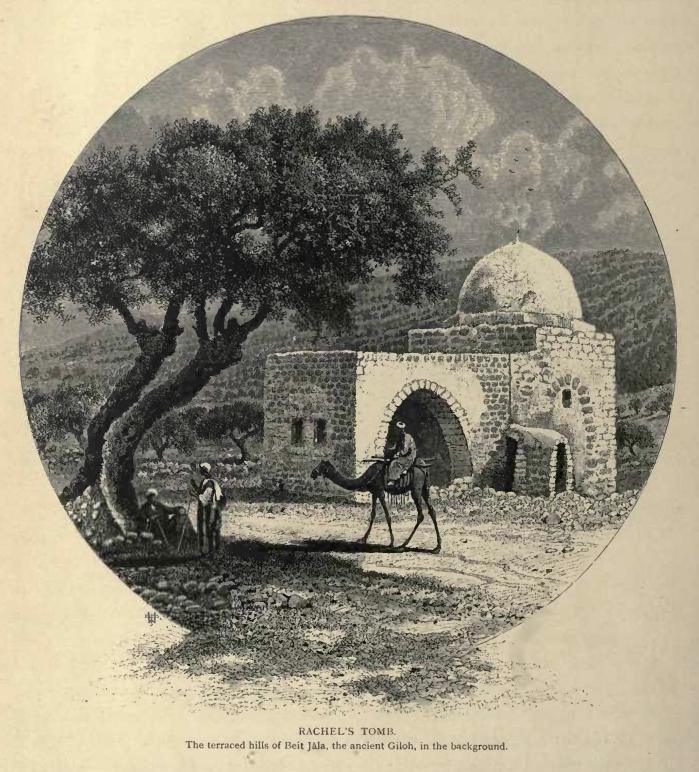 🇵🇸 Palestine and 1 moreRachel's TombQever Raḥel; Qabr Rāḥīl
A shared holy site near Bethlehem revered by Jews, Christians, and MuslimsTradition · Speaking with spirits and the dead · Protection Living
🇵🇸 Palestine and 1 moreRachel's TombQever Raḥel; Qabr Rāḥīl
A shared holy site near Bethlehem revered by Jews, Christians, and MuslimsTradition · Speaking with spirits and the dead · Protection Living
 🇳🇬 NigeriaOrunmilaỌ̀rúnmìlà
Yoruba deity of wisdom and the creator of the Ifá divination systemBeing · Seeing and foretelling · Speaking with spirits and the dead Living
🇳🇬 NigeriaOrunmilaỌ̀rúnmìlà
Yoruba deity of wisdom and the creator of the Ifá divination systemBeing · Seeing and foretelling · Speaking with spirits and the dead Living