
Bamakhepa
In its own language: বামাখ্যাপা
from Bengali, meaning 'mad Bama'
A Bengali Hindu saint known for his devotion to Goddess Tara and meditation in cremation grounds.
Bamakhepa was an Indian Hindu saint born in 1837 who lived near the Tarapith Temple in Birbhum. He is revered as a devotee of Goddess Tara and is believed to have received visions from her in ferocious form.
- Born Bamacharan Chattopadhyay in 1837 in Atla village.
- Died in 1911 at Tarapith, Birbhum.
- Devotee of Goddess Tara in the Shaktism tradition.
- Meditated in cremation grounds near Tarapith Temple.
- Name means 'mad Bama' in Bengali.
What it is
Bamakhepa was a Hindu saint who lived in India during the nineteenth and early twentieth centuries. His name translates to 'mad Bama' in Bengali. He is recognized as a Sadhak, or spiritual practitioner, within the Shaktism tradition. Devotees view him as a holy figure who achieved deep communion with the divine through intense practice and residence at sacred sites.
Where it comes from
He was born Bamacharan Chattopadhyay on February 22, 1837, in Atla village, Birbhum. He died on July 18, 1911, in Tarapith. His life story has been adapted into popular media, including the teleserial 'Sadhak Bamakhepa' which ran for over fifteen hundred episodes starting in 2007. Another series, 'Mahapeeth Tarapeeth,' depicted his life in 2019.
How it is done
Bamakhepa meditated in cremation grounds, a practice associated with Tantric traditions. He resided near the Tarapith Temple and stayed in the Mouliksha temple to worship Goddess Tara. He was granted special privileges, such as being fed before the deity during rituals. It is believed he received a vision of Goddess Tara in her ferocious form while in these grounds.
Bamakhepa, drawn and placed
- Living
- Revived
- Fading
- Historical
- Legendary
- Performed
- Lineage
- Shaktism
What it is for
His life was dedicated to worshipping Goddess Tara. Followers believe his presence and prayers facilitated a connection with the goddess. The shrine located near the Tarapith Temple serves as a place for devotees to honor his memory and seek spiritual inspiration.
Who does it
He was trained by Swami Kailashpati and Vedagya Mokshadananda. His disciples included Tarakhepa and Nigamananda Paramahansa. He is regarded as a teacher and spiritual guide within the lineage of Shaktism.
Peoples and places
He is primarily associated with the Bengali people and the region of West Bengal in India. His influence is centered around Birbhum district and the Tarapith temple complex. Shrines dedicated to him are found in this region and in places like Maluti in Jharkhand.
At a glance: who, where and when

What people believe
He is part of the Shaktism tradition, which focuses on the worship of the Divine Mother. Devotees believe that Goddess Tara appeared to him in a fierce manifestation. This belief underscores the power of the goddess and the sanctity of the cremation grounds as a place of spiritual realization.
Today
His legacy continues through television adaptations that tell the story of his life. Devotees visit shrines in Birbhum and Jharkhand to pay respects. The temples maintain his idol and commemorate his role as a devoted follower of Goddess Tara.
Questions people ask about Bamakhepa
Who was Bamakhepa?
Bamakhepa was a Hindu saint born in 1837 in India. He is known for his devotion to Goddess Tara and his time spent meditating in cremation grounds near the Tarapith Temple.
What does his name mean?
The name Bamakhepa comes from Bengali and translates to 'mad Bama.' It reflects his intense spiritual focus and unconventional lifestyle as a Sadhak.
Where did he live?
He lived in Tarapith, located in the Birbhum district of West Bengal, India. He resided near the Tarapith Temple and the Mouliksha temple.
What is his connection to Goddess Tara?
He was an ardent devotee of Goddess Tara. Believers hold that she appeared to him in a ferocious form in the cremation grounds, granting him spiritual vision.
Good reading and sources
- Bamakhepa on WikipediaEncyclopedia
- More photos on Wikimedia CommonsPhotos and video
- Wikidata recordOpen data
The facts on this page come from the Wikipedia article "Bamakhepa", written by its contributors and used under the CC BY-SA 4.0 licence, and from its Wikidata record (CC0). EveryJaadu rewrote the text in its own words, with AI assistance, and compares every page with the article to make sure no passage is copied. It may be reused under the same CC BY-SA 4.0 licence with a link back.
It may contain mistakes. Names and customs differ from one community to the next, and some knowledge is closed to outsiders and left out here. This page describes belief and practice. It does not say that any of it works, it is not a how-to, and it is not medical advice. If something is wrong, tell us. Last refreshed 2026-10-06.
More from India
All the entries from India 🇮🇳 India and 2 moreGorakhnathगोरक्षनाथ
A Hindu yogi and saint who founded the Nath monastic order in India.Figure · Power and authority · Speaking with spirits and the dead Living
🇮🇳 India and 2 moreGorakhnathगोरक्षनाथ
A Hindu yogi and saint who founded the Nath monastic order in India.Figure · Power and authority · Speaking with spirits and the dead Living
 🇳🇵 Nepal and 1 moreMatsyendranathMacchindranāth, Mīnanātha
A yogi and rain deity revered across Hindu and Buddhist traditions in South Asia.Figure · Speaking with spirits and the dead · Power and authority Living
🇳🇵 Nepal and 1 moreMatsyendranathMacchindranāth, Mīnanātha
A yogi and rain deity revered across Hindu and Buddhist traditions in South Asia.Figure · Speaking with spirits and the dead · Power and authority Living
 🇮🇳 India and 1 moreYoginiयोगिनी
A female master of yoga and tantra, or a fierce goddess aspect in Indian temples.Tradition · Power and authority · Protection Historical
🇮🇳 India and 1 moreYoginiयोगिनी
A female master of yoga and tantra, or a fierce goddess aspect in Indian temples.Tradition · Power and authority · Protection Historical
 🇮🇳 IndiaNaropa
An Indian Buddhist master whose teachings shaped Tibetan Vajrayana practiceFigure · Change and initiation Historical
🇮🇳 IndiaNaropa
An Indian Buddhist master whose teachings shaped Tibetan Vajrayana practiceFigure · Change and initiation Historical
Related elsewhere
All figure 🇳🇬 NigeriaOrunmilaỌ̀rúnmìlà
Yoruba deity of wisdom and the creator of the Ifá divination systemBeing · Seeing and foretelling · Speaking with spirits and the dead Living
🇳🇬 NigeriaOrunmilaỌ̀rúnmìlà
Yoruba deity of wisdom and the creator of the Ifá divination systemBeing · Seeing and foretelling · Speaking with spirits and the dead Living
 🇪🇸 Spain and 5 moreSt John's Eve
A Christian vigil marked by bonfires and plant gathering on the summer solstice eveRite · Protection · Speaking with spirits and the dead Living
🇪🇸 Spain and 5 moreSt John's Eve
A Christian vigil marked by bonfires and plant gathering on the summer solstice eveRite · Protection · Speaking with spirits and the dead Living
 🇲🇽 MexicoCalavera
A sugar or clay skull used in Mexican Day of the Dead celebrations.Charm · Speaking with spirits and the dead · Luck and prosperity Living
🇲🇽 MexicoCalavera
A sugar or clay skull used in Mexican Day of the Dead celebrations.Charm · Speaking with spirits and the dead · Luck and prosperity Living
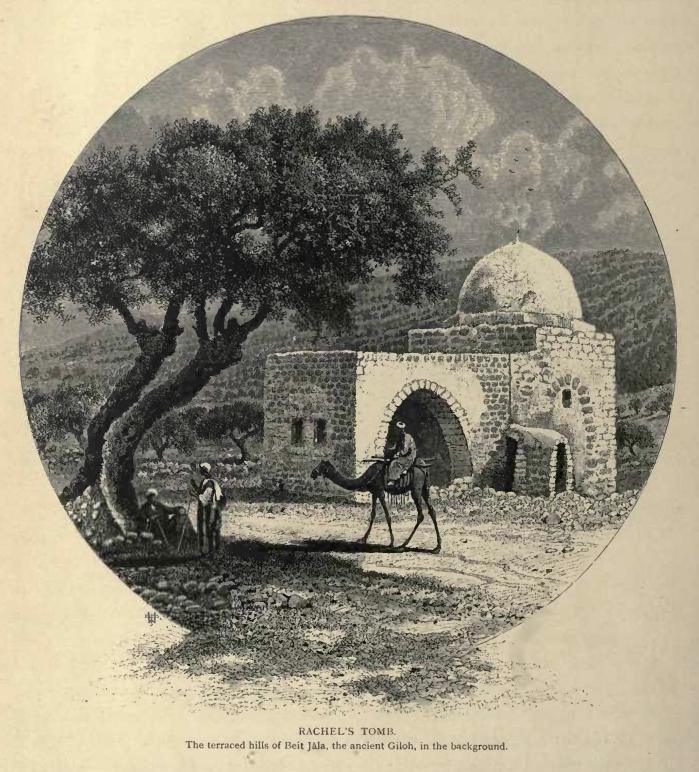 🇵🇸 Palestine and 1 moreRachel's TombQever Raḥel; Qabr Rāḥīl
A shared holy site near Bethlehem revered by Jews, Christians, and MuslimsTradition · Speaking with spirits and the dead · Protection Living
🇵🇸 Palestine and 1 moreRachel's TombQever Raḥel; Qabr Rāḥīl
A shared holy site near Bethlehem revered by Jews, Christians, and MuslimsTradition · Speaking with spirits and the dead · Protection Living