
Lwa
Likely from Yoruba olúwa or babalawo, or Bakongo lowa meaning sun or spiritual light.
Spirits in Haitian Vodou that mediate between people and the creator god.
The lwa are spirits central to Haitian Vodou and some Louisiana Voodoo practices. They act as intermediaries between humans and Bondye, the supreme creator. Devotees offer food, drink, and animal sacrifices to these spirits for protection, counsel, and healing.
- Over a thousand lwa exist in Haitian Vodou.
- They act as intermediaries to Bondye, the creator.
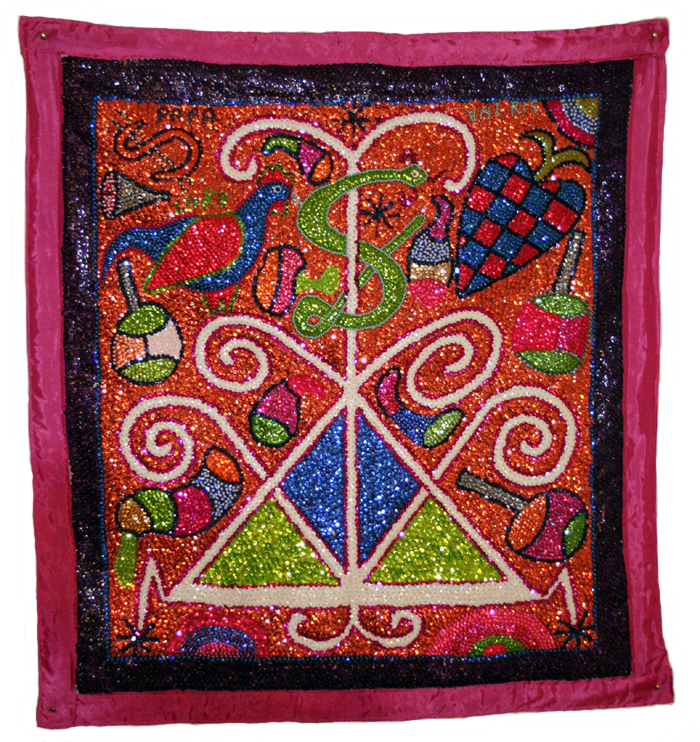
- Veve designs summon spirits using cornmeal or ash.
- Animal sacrifices feed the lwa during rituals.
- Rada and Petwo are major spirit nations.
What it is
The lwa are a vast pantheon of spirits within Haitian Vodou. Practitioners believe over one thousand exist, each with a distinct personality, favorite colors, and associated objects. They serve as links between humanity and Bondye, the transcendent creator who is often too distant for direct contact. The lwa are also known as mystères, anges, saints, or les invisibles. Some scholars note they are sometimes equated with Christian angels or Roman Catholic saints based on shared symbols or traits.
Where it comes from
Vodou emerged in the French colony of Saint-Domingue during the Atlantic slave trade. Enslaved West Africans brought their traditional religions, which mixed with French Catholicism. Many lwa identities derive from Fon and Yoruba deities. The term lwa may come from Yoruba words for god or diviner, or Bakongo terms for sun and spiritual light. Haitian migrants later took these beliefs to Louisiana, influencing local Voodoo practices.
How it is done
Rituals involve summoning lwa through veve, geometric designs drawn on the floor with cornmeal, ash, or coffee. Offerings of food, drink, and animal sacrifices are made to feed the spirits. During ceremonies, lwa may possess practitioners, who become chwal or horses for the spirits. In this state, the possessed individual communicates advice, admonishment, or healing to others.
Tools and materials
Offerings vary by spirit. Damballa requires white foods like eggs. Legba needs grilled items. Ogu and Nago lwa prefer raw rum. Sacrifices include chickens, goats, and bulls. Animals may be dressed in specific colors, marked, and their blood collected. Organs are placed on altars, and flesh is cooked or buried. Veve designs use powdered materials to invite presence.
Lwa, drawn and placed
- Living
- Revived
- Fading
- Historical
- Legendary
- Performed
- Lineage
- Haitian Vodou
- Timing
- during ceremonies and daily life
What it is for
Devotees seek help, protection, and counsel from the lwa. These spirits provide wisdom but are not moral exemplars. They can be loyal or capricious. If offended, such as by wrong food, they may withdraw protection or cause misfortune, illness, or madness. Rituals aim to maintain good relations and receive guidance through dreams or possession.
Who does it
Oungan (priests) and manbo (priestesses) organize rituals and annual feasts. Household members make daily offerings. Possessed individuals act as vessels for lwa communication. Training involves learning specific rites, colors, and preferences for each spirit. Status depends on ability to channel spirits accurately and maintain community rituals.
Peoples and places
Haitians practice Vodou with lwa worship. The religion incorporates Fon, Yoruba, and Bakongo elements. In Louisiana, revivalist groups blend lwa with Cuban Santería oricha spirits. The Gede family, led by Baron Samedi, is prominent. Different nations like Rada and Petwo reflect diverse African origins and social attitudes toward the spirits.
At a glance: who, where and when
Belief worlds
Occasions



What people believe
Vodou teaches lwa are intermediaries to Bondye. Learning about them reveals facets of the creator. Spirits reside in Guinea, under water, or in rivers. They communicate via dreams and possession. Some lwa are seen as righteous, others as morally ambiguous. The Gede bring merriment and sexual innuendo. Their symbol is an erect penis, reflecting themes of death and fertility.
When it is done
Ceremonies occur during festivals and daily life. Annual feasts involve animal sacrifices. Specific days of the week may be associated with certain lwa. The Gede are greeted with joy at ceremonies.
How scholars and sceptics see it
Linguists trace lwa to Yoruba or Bakongo roots. Historians note phonetic similarities with French loi and Creole lwa. Scholars like Desmangles argue lwa help understand Bondye. Researchers observe syncretism with Catholic saints. Studies highlight the complex interaction of African and colonial cultures in shaping Vodou theology and practice.
Cautions and what is closed
Lwa can inflict harm if offended. Practices involve animal sacrifice, which some view as controversial. Sexual innuendos and behaviors during Gede possession may be misunderstood. Outsiders may lack access to closed knowledge. Fraudulent healers or psychics may exploit beliefs. Legal risks exist in regions where Vodou is stigmatized or banned.
Compare and confuse
Lwa are similar to oricha in Santería and other Afro-diasporic religions. They differ from Christian angels in personality and demands. Syncretism with Catholic saints creates parallels, but lwa retain distinct African identities. Louisiana Voodoo blends lwa with local traditions, differing from pure Haitian Vodou.
Rites that involve Lwa
Questions people ask about Lwa
What are lwa?
Lwa are spirits in Haitian Vodou. They mediate between humans and Bondye, the supreme creator. Devotees offer food and sacrifices to gain protection and counsel.
Where do lwa come from?
Many lwa derive from Fon and Yoruba deities. The term may originate from Yoruba or Bakongo words. Vodou developed in Haiti from African and French Catholic mixing.
How do people interact with lwa?
Practitioners make offerings of food, drink, and animals. Spirits may possess humans during ceremonies. Dreams and divination are also common communication methods.
What are the main types of lwa?
Lwa are divided into nations like Rada and Petwo. Rada are sweet-tempered. Petwo are forceful and associated with fire. Each has unique personalities and preferences.
Good reading and sources
The facts on this page come from the Wikipedia article "Lwa", written by its contributors and used under the CC BY-SA 4.0 licence, and from its Wikidata record (CC0). EveryJaadu rewrote the text in its own words, with AI assistance, and compares every page with the article to make sure no passage is copied. It may be reused under the same CC BY-SA 4.0 licence with a link back.
It may contain mistakes. Names and customs differ from one community to the next, and some knowledge is closed to outsiders and left out here. This page describes belief and practice. It does not say that any of it works, it is not a how-to, and it is not medical advice. If something is wrong, tell us. Last refreshed 2026-10-05.
More from Haiti
All the entries from Haiti 🇭🇹 HaitiGedeGuédé
A family of spirits in Haitian Vodou who guard the dead and grant fertility.Being · Speaking with spirits and the dead · Protection Living
🇭🇹 HaitiGedeGuédé
A family of spirits in Haitian Vodou who guard the dead and grant fertility.Being · Speaking with spirits and the dead · Protection Living
 🇭🇹 Haiti and 1 moreEzili DantorÈzili Dantò
A fierce mother spirit in Haitian Vodou who protects the marginalized and demands loyalty.Being · Protection · Love and attraction Living
🇧🇯 Benin and 2 morePapa Legba
A loa who stands at the crossroads and opens the gate between people and spiritsBeing · Speaking with spirits and the dead · Power and authority Living
🇭🇹 Haiti and 1 moreEzili DantorÈzili Dantò
A fierce mother spirit in Haitian Vodou who protects the marginalized and demands loyalty.Being · Protection · Love and attraction Living
🇧🇯 Benin and 2 morePapa Legba
A loa who stands at the crossroads and opens the gate between people and spiritsBeing · Speaking with spirits and the dead · Power and authority Living
 🇭🇹 HaitiErzulieÈzili
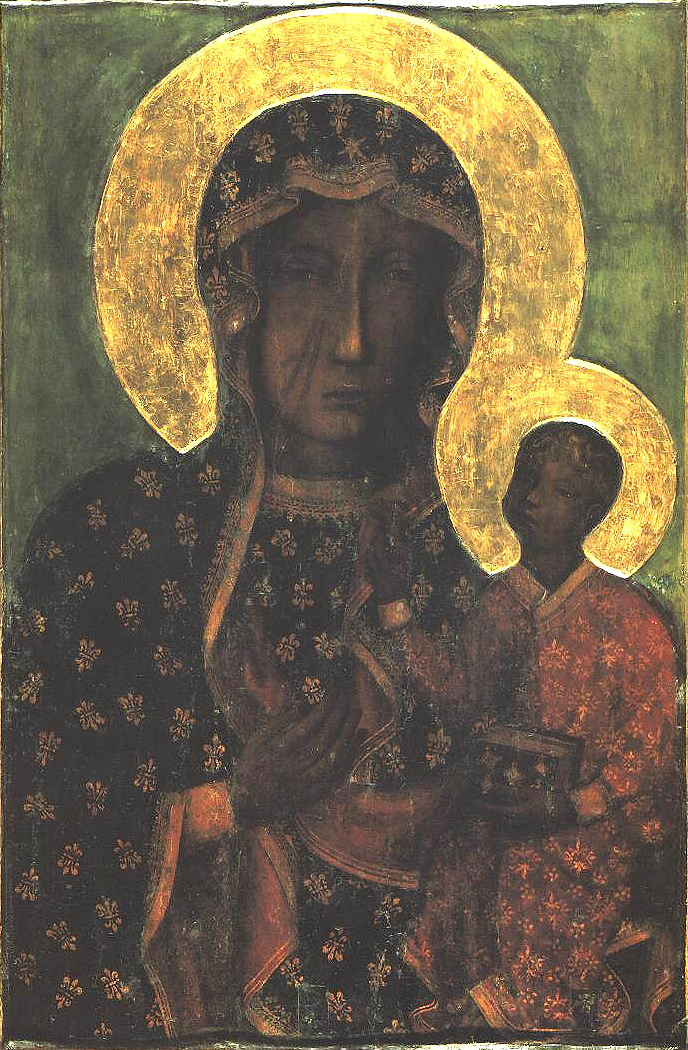
A family of spirits in Haitian Vodou representing love, beauty, and protective fury.Being · Protection · Love and attraction Living
🇭🇹 HaitiErzulieÈzili
A family of spirits in Haitian Vodou representing love, beauty, and protective fury.Being · Protection · Love and attraction Living
Related elsewhere
All being 🇰🇪 Kenya and 1 moreMaasai religion
The spiritual beliefs of the semi-nomadic Maasai people of East AfricaTradition · Protection · Healing Living
🇰🇪 Kenya and 1 moreMaasai religion
The spiritual beliefs of the semi-nomadic Maasai people of East AfricaTradition · Protection · Healing Living
 🇮🇶 Iraq and 5 moreGrimoire
A textbook containing instructions for spells, rituals, and the creation of magical objects.Text · Protection · Healing Historical
🇮🇶 Iraq and 5 moreGrimoire
A textbook containing instructions for spells, rituals, and the creation of magical objects.Text · Protection · Healing Historical
 🇸🇳 Senegal and 1 moreSerer religionA ƭat Roog
The traditional faith of the Serer people, centred on the supreme deity Roog and ancestral veneration.Tradition · Protection · Speaking with spirits and the dead Living
🇸🇳 Senegal and 1 moreSerer religionA ƭat Roog
The traditional faith of the Serer people, centred on the supreme deity Roog and ancestral veneration.Tradition · Protection · Speaking with spirits and the dead Living
 🇸🇪 Sweden and 1 moreSoul flight
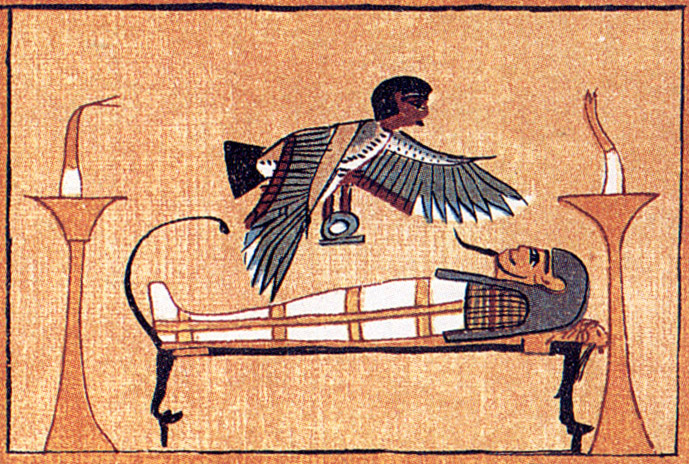
A trance practice where the spirit leaves the body to visit other realmsRite · Healing · Seeing and foretelling Historical
🇸🇪 Sweden and 1 moreSoul flight
A trance practice where the spirit leaves the body to visit other realmsRite · Healing · Seeing and foretelling Historical