
Marsilio Ficino
A Renaissance priest and philosopher who revived Plato and blended astrology with Christian theology.
Marsilio Ficino was an Italian Catholic priest and scholar who led the Florentine Academy. He translated Plato's complete works into Latin and wrote extensively on Neoplatonism, astrology, and the soul.
- First translator of Plato's complete works into Latin.
- Led the Florentine Platonic Academy.
- Coined the term 'Platonic love'.
- Wrote 'De vita libri tres' on health and astrology.
- Acquitted of heresy charges in 1489.
What it is
Marsilio Ficino was a leading figure in early Renaissance philosophy and a Catholic priest. He is best known for reviving Neoplatonism and translating the complete works of Plato into Latin. His writings bridged ancient Greek thought with Christian theology, creating a unique philosophical system that influenced European intellectual history. He also explored astrology and the nature of the soul, arguing for the immortality of the spirit within a Christian framework.
Where it comes from
Ficino was born in Figline Valdarno in 1433. His father served as a physician to Cosimo de' Medici, who brought Ficino into his household. This patronage allowed Ficino to study under Greek scholars like John Argyropoulos. In 1459, Cosimo de' Medici established the Platonic Academy in Florence, appointing Ficino as its head. The academy aimed to revive the teachings of Plato and became a central hub for humanist thought during the Italian Renaissance.
How it is done
Ficino's work involved extensive translation and commentary. He translated Plato's dialogues and various Hermetic texts from Greek into Latin. He also wrote treatises such as 'Theologia Platonica' and 'De vita libri tres'. These works combined medical advice, astrological observations, and philosophical arguments about the soul. He sought to harmonize pagan philosophy with Christian doctrine, often interpreting Neoplatonic concepts as moral allegories compatible with faith.
Tools and materials
His primary tools were language and manuscript study. He worked with Greek manuscripts provided by Cosimo de' Medici. He utilized Latin as the medium for disseminating these ideas across Europe. His writings also incorporated astrological charts and medical theories, reflecting the belief in the connection between celestial bodies, health, and spiritual well-being.
Marsilio Ficino, drawn and placed
- Living
- Revived
- Fading
- Historical
- Legendary
- Performed
- Lineage
- Christian humanism, Neoplatonism
What it is for
Ficino aimed to restore the liberal arts and reconcile philosophy with religion. He sought to demonstrate the immortality of the soul and the unity of the cosmos. His work on 'Platonic love' popularized the concept of spiritual affection distinct from physical desire. He also provided medical and astrological guidance in 'De vita', intending to help readers maintain health and vigor through alignment with cosmic forces.
Who does it
Ficino was trained as a physician but ordained as a priest in 1473. He led the Platonic Academy, mentoring students like Giovanni Pico della Mirandola and Niccolò Valori. His status as a priest gave him authority within the Church, though his astrological interests occasionally drew suspicion. He was accused of heresy in 1489 but was acquitted. His academic role involved teaching, translating, and writing complex theological and philosophical texts.
Peoples and places
Ficino was Italian and operated primarily in Florence. His work was deeply embedded in the Medici circle and the broader Italian Renaissance humanist movement. While his influence spread throughout Europe via Latin translations, his immediate community consisted of Florentine scholars and patrons. His interpretations of Plato and Neoplatonism shaped the intellectual landscape of Italy and beyond.
At a glance: who, where and when
Peoples
Belief worlds


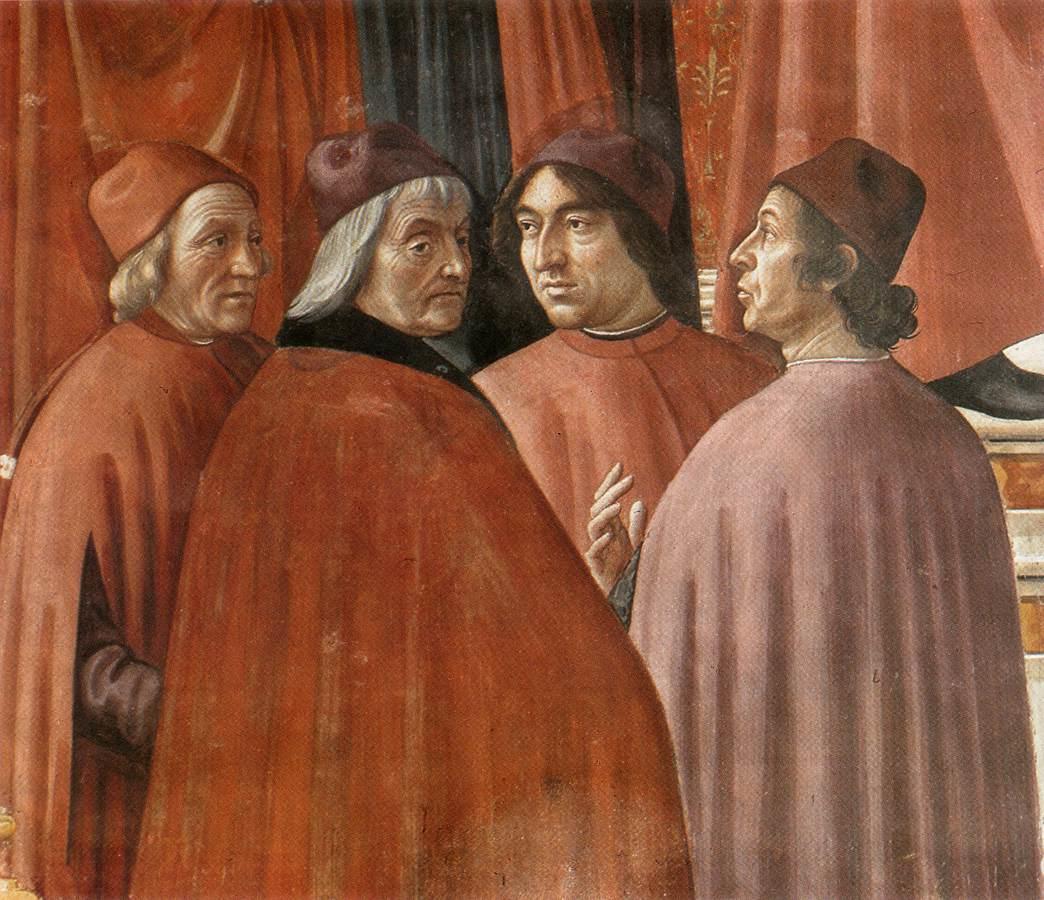

What people believe
Ficino believed in the ensoulment of the world and the integration of the human soul with the cosmos. He held that the universe was alive and interconnected. He argued for the immortality of the soul and its direct creation by God, rejecting earlier Neoplatonic views of intermediaries. He viewed astrology as a way to understand the links between behavior and destiny, though he subordinated it to divine revelation.
How scholars and sceptics see it
Scholars recognize Ficino as a pivotal figure in Christian humanism and Neoplatonism. His translations made Plato accessible to Western thinkers. Researchers note his attempt to synthesize pagan philosophy with Christianity. Some scholars have debated his personal life, particularly regarding his letters to Giovanni Cavalcanti, though allegations of homosexuality lack strong basis in his philosophical works. His impact on later thinkers like Paracelsus is also studied.
Cautions and what is closed
Ficino faced accusations of heresy due to his astrological interests and medical writings. In 1489, he was tried before Pope Innocent VIII but was cleared. His work 'De vita' contained specific instructions for living in a world of spirits, which raised suspicions. Despite this, he maintained his position within the Church and continued his scholarly activities until his death in 1499.
Compare and confuse
Ficino is often compared to other Renaissance humanists like Pico della Mirandola. His concept of 'Platonic love' has been confused with modern romantic ideals, though he intended it as a spiritual discipline. His blend of astrology and medicine reflects the broader Renaissance interest in hidden natural forces.
Law and persecution
Ficino was tried for heresy in 1489 but acquitted. His work did not lead to legal persecution after this event. He lived under the protection of the Medici family and the Church. His legacy was honored posthumously with a bust in the Cathedral of Santa Maria del Fiore.
Questions people ask about Marsilio Ficino
Who was Marsilio Ficino?
He was an Italian Catholic priest and philosopher who revived Neoplatonism and translated Plato's complete works into Latin during the Renaissance.
What is Platonic love?
Ficino coined this term to describe spiritual affection and intellectual connection, distinct from physical desire, popularizing it in Western literature.
Why was Ficino accused of heresy?
His interest in astrology and medical writings containing instructions for dealing with spirits raised suspicions, leading to a trial in 1489 which he survived.
What was the Florentine Academy?
It was a group founded by Cosimo de' Medici, led by Ficino, to study and revive the philosophy of Plato and other ancient thinkers.
Good reading and sources
- Marsilio Ficino on WikipediaEncyclopedia
- More photos on Wikimedia CommonsPhotos and video
- Wikidata recordOpen data
The facts on this page come from the Wikipedia article "Marsilio Ficino", written by its contributors and used under the CC BY-SA 4.0 licence, and from its Wikidata record (CC0). EveryJaadu rewrote the text in its own words, with AI assistance, and compares every page with the article to make sure no passage is copied. It may be reused under the same CC BY-SA 4.0 licence with a link back.
It may contain mistakes. Names and customs differ from one community to the next, and some knowledge is closed to outsiders and left out here. This page describes belief and practice. It does not say that any of it works, it is not a how-to, and it is not medical advice. If something is wrong, tell us. Last refreshed 2026-10-05.
More from Italy
All the entries from Italy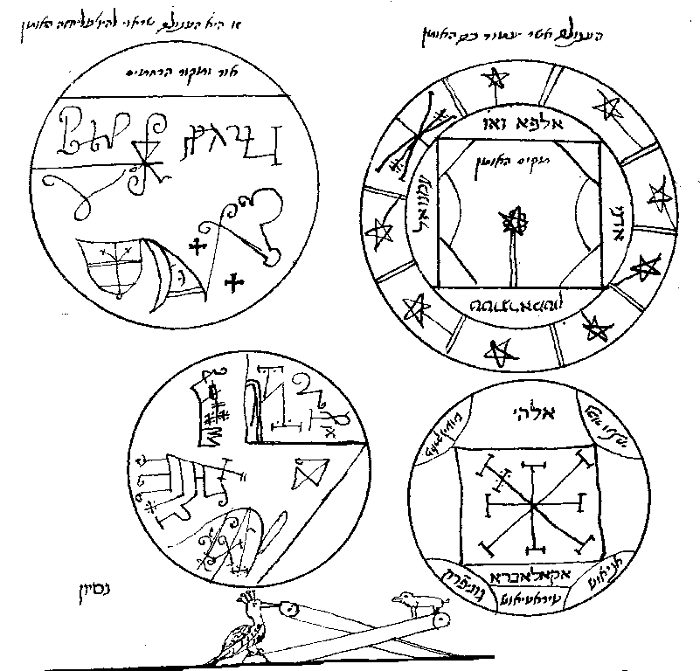 🇮🇹 Italy and 2 moreKey of SolomonClavicula Salomonis
A Renaissance grimoire attributed to King Solomon, detailing ritual preparations and invocations.Text · Cursing and harm · Love and attraction Historical
🇮🇹 Italy and 2 moreKey of SolomonClavicula Salomonis
A Renaissance grimoire attributed to King Solomon, detailing ritual preparations and invocations.Text · Cursing and harm · Love and attraction Historical
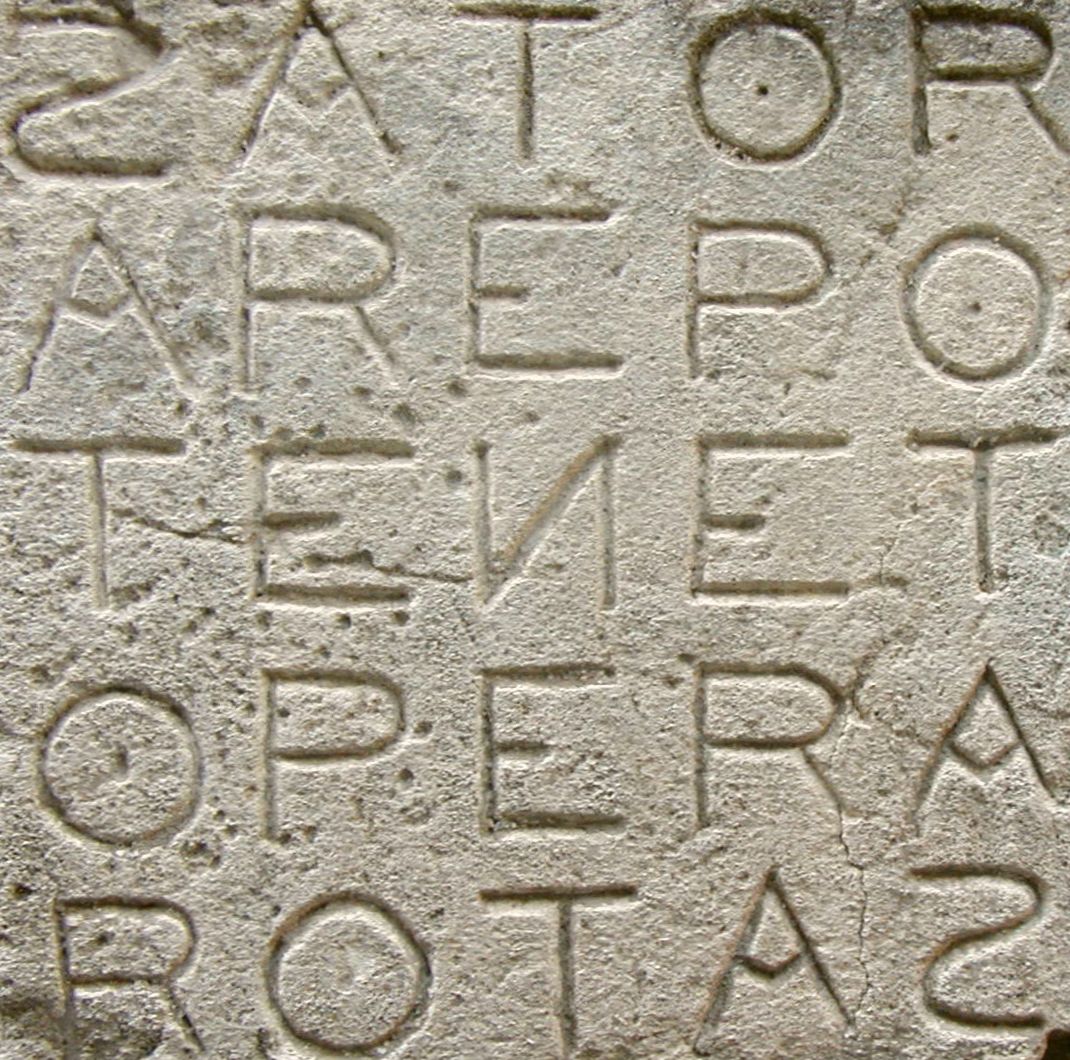 🇮🇹 Italy and 5 moreSator Square
A five-word Latin palindrome found in Roman ruins and medieval churchesCharm · Protection · Healing Historical
🇮🇹 Italy and 5 moreSator Square
A five-word Latin palindrome found in Roman ruins and medieval churchesCharm · Protection · Healing Historical
 🇫🇷 France and 1 moreNostradamus
A French astrologer and physician known for a book of poetic propheciesText · Seeing and foretelling · Power and authority Historical
🇫🇷 France and 1 moreNostradamus
A French astrologer and physician known for a book of poetic propheciesText · Seeing and foretelling · Power and authority Historical
 🇮🇹 Italy and 1 morePietro d'Abano
A medieval physician and astrologer accused of heresy and magic.Text · Healing · Wonder and entertainment Historical
🇮🇹 Italy and 1 morePietro d'Abano
A medieval physician and astrologer accused of heresy and magic.Text · Healing · Wonder and entertainment Historical
Related elsewhere
All text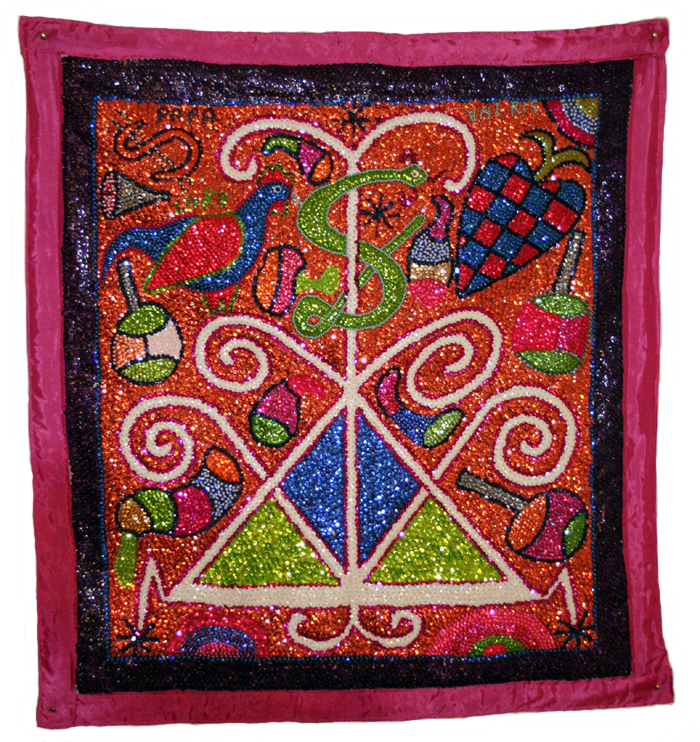 🇭🇹 Haiti and 2 moreHaitian VodouVodou
An Afro-Haitian religion blending West African traditions with Catholicism and FreemasonryTradition · Protection · Healing Living
🇮🇷 Iran and 2 moreHaoma
A divine plant and spirit in Zoroastrianism, linked to healing and ancient rituals.Substance · Healing · Speaking with spirits and the dead Living
🇭🇹 Haiti and 2 moreHaitian VodouVodou
An Afro-Haitian religion blending West African traditions with Catholicism and FreemasonryTradition · Protection · Healing Living
🇮🇷 Iran and 2 moreHaoma
A divine plant and spirit in Zoroastrianism, linked to healing and ancient rituals.Substance · Healing · Speaking with spirits and the dead Living
 🇸🇳 Senegal and 1 moreSerer religionA ƭat Roog
The traditional faith of the Serer people, centred on the supreme deity Roog and ancestral veneration.Tradition · Protection · Speaking with spirits and the dead Living
🇸🇳 Senegal and 1 moreSerer religionA ƭat Roog
The traditional faith of the Serer people, centred on the supreme deity Roog and ancestral veneration.Tradition · Protection · Speaking with spirits and the dead Living
 🇮🇳 India and 1 moreAmritaअमृत (Sanskrit)
A Sanskrit concept of immortality and the nectar that grants it across Indian religionsBelief · Healing · Power and authority Living
🇮🇳 India and 1 moreAmritaअमृत (Sanskrit)
A Sanskrit concept of immortality and the nectar that grants it across Indian religionsBelief · Healing · Power and authority Living