
Reliquary
from Latin relicta, things left behind
A container for sacred remains or objects, crafted across many faiths
A reliquary is a vessel made to hold relics, which are physical remains of saints or objects associated with holy figures. These containers appear in Christian, Buddhist, Hindu, and other traditions as sites for veneration and pilgrimage.
- Reliquaries hold relics of saints or holy objects
- Used in Christian, Buddhist, and Hindu traditions
- Crafted from gold, silver, gems, and ivory
- Sites of pilgrimage and veneration
- Destroyed during Reformation iconoclasm
What it is
A reliquary serves as a sacred container designed to house relics. These relics may be physical remains of saints, such as bones, or objects that belonged to religious figures. The vessels range from simple pendants to elaborate architectural models. They function as focal points for devotion, allowing the faithful to connect with the holy presence believed to reside within.
Where it comes from
The use of reliquaries became significant in Christian practices by the fourth century. Eastern Churches adopted the practice earlier than Western ones, partly because Constantinople lacked buried saints unlike Rome. The tradition spread through Byzantium and Europe, evolving into a major form of artistic production during the Middle Ages.
How it is done
Reliquaries are enshrined in shrines, churches, or temples. The faithful venerate them by bowing or kissing the container. In some traditions, relics are embedded in wax-mastic disks within circular slots. Pilgrimages often center on visiting these sites to gain blessings. Processions carry portable reliquaries on feast days.
Tools and materials
Craftsmen used gold, silver, gems, and enamelled glass to create these vessels. Ivory was widely used in the Middle Ages, its white color indicating holiness. Some reliquaries took the shape of the relic itself, such as head-shaped containers for skulls. Others were cross-shaped or modeled after church architecture.
Reliquary, drawn and placed
- Living
- Revived
- Fading
- Historical
- Legendary
- Performed
- Lineage
- Christian and Buddhist devotional practice
- Timing
- feast days and daily veneration
What it is for
These containers protect and display relics for veneration. They serve as sites for pilgrimages where believers seek spiritual benefits. The faithful distinguish between honoring the saint and worshiping God. Reliquaries also preserve the memory of important figures, including non-religious leaders like French kings.
Who does it
Reliquaries are maintained by religious institutions and clergy. Artisans crafted them using precious materials. The practice involves priests overseeing veneration rituals. Households may possess small portable reliquaries for personal devotion. The craft required specialized skills in metalwork and gem-setting.
Peoples and places
Christians, Buddhists, and Hindus utilize reliquaries in their respective traditions. In Buddhism, stupas and pagodas serve similar functions. Sri Lanka houses the famous tooth relic of Buddha. Japan stores Buddhist relics in shariden halls. These practices vary by region but share the core concept of honoring sacred remains.
At a glance: who, where and when
Peoples
Belief worlds
Occasions


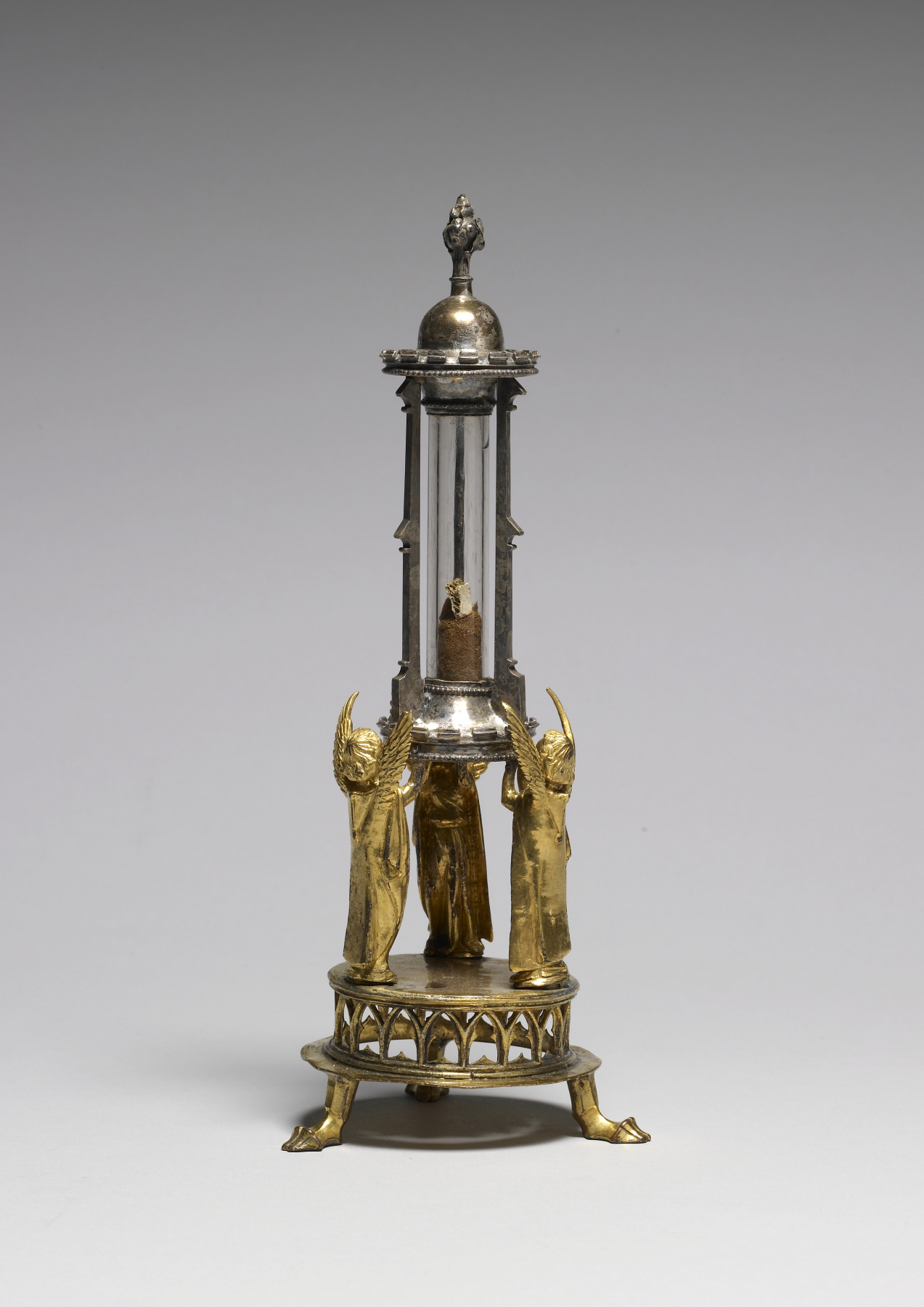
What people believe
Relics are believed to carry spiritual power and connection to the divine. Buddhists view relics as cetiya, symbols of enlightenment. Christians believe relics facilitate communion with heaven. The authenticity of relics is sometimes debated, leading to documentation requirements.
When it is done
Portable reliquaries are carried in processions on saint feast days. Daily veneration occurs in churches and temples. Pilgrimages peak during specific religious festivals. The practice aligns with liturgical calendars marking holy events and anniversaries of saints.
How scholars and sceptics see it
Historians study reliquaries as art historical artifacts. Researchers examine the craftsmanship and materials used. Scholars note the distinction between veneration and idolatry in theological debates. Anthropologists analyze the role of relics in community identity and pilgrimage economies.
Cautions and what is closed
Sixteenth-century reformers opposed relic veneration due to authenticity concerns. Iconoclasts destroyed many reliquaries to recover precious metals. Some relics lack documented provenance, leading to skepticism. The practice faced suppression during periods of religious conflict and reformation.
Questions people ask about Reliquary
What is a reliquary?
A reliquary is a container designed to hold relics, which are physical remains of saints or objects associated with holy figures. These vessels serve as focal points for devotion in various religious traditions.
Where do reliquaries come from?
Reliquaries became significant in Christian practices by the fourth century. Eastern Churches adopted the practice earlier than Western ones. The tradition spread through Byzantium and Europe, evolving into a major art form.
How are reliquaries used?
Reliquaries are enshrined in churches or temples for veneration. The faithful bow or kiss them to honor the saint. Portable versions are carried in processions on feast days. Pilgrims visit them to seek spiritual blessings.
What materials are used?
Artisans craft reliquaries from gold, silver, gems, and enamelled glass. Ivory was common in the Middle Ages. Some containers mimic the shape of the relic they hold, such as skull-shaped vessels.
Good reading and sources
- Reliquary on WikipediaEncyclopedia
- More photos on Wikimedia CommonsPhotos and video
- Wikidata recordOpen data
The facts on this page come from the Wikipedia article "Reliquary", written by its contributors and used under the CC BY-SA 4.0 licence, and from its Wikidata record (CC0). EveryJaadu rewrote the text in its own words, with AI assistance, and compares every page with the article to make sure no passage is copied. It may be reused under the same CC BY-SA 4.0 licence with a link back.
It may contain mistakes. Names and customs differ from one community to the next, and some knowledge is closed to outsiders and left out here. This page describes belief and practice. It does not say that any of it works, it is not a how-to, and it is not medical advice. If something is wrong, tell us. Last refreshed 2026-10-05.
More from France
All the entries from France 🇬🇧 United Kingdom and 3 moreJet
A black gemstone carved into amulets and mourning jewellery for centuriesCharm · Protection · Luck and prosperity Historical
🇬🇧 United Kingdom and 3 moreJet
A black gemstone carved into amulets and mourning jewellery for centuriesCharm · Protection · Luck and prosperity Historical
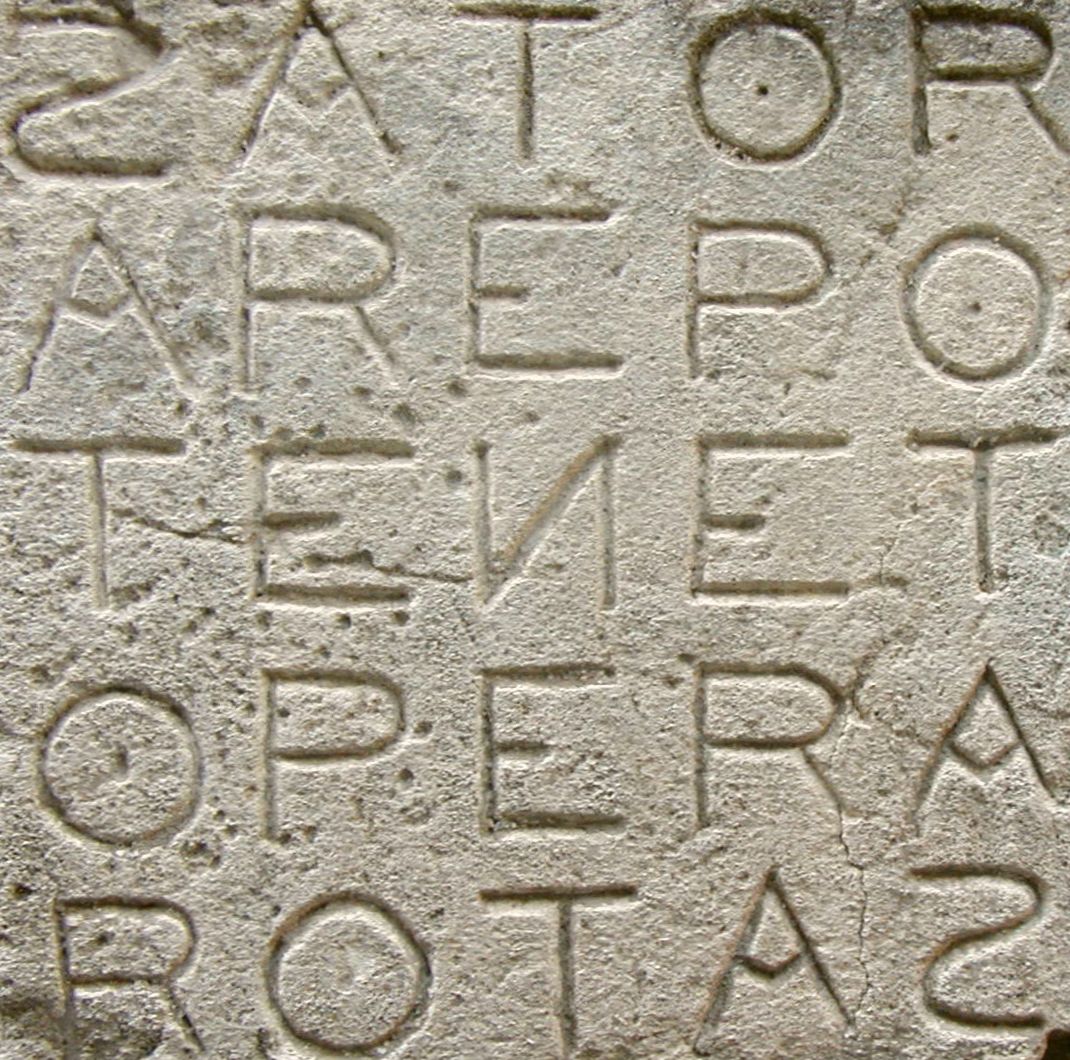 🇮🇹 Italy and 5 moreSator Square
A five-word Latin palindrome found in Roman ruins and medieval churchesCharm · Protection · Healing Historical
🇮🇹 Italy and 5 moreSator Square
A five-word Latin palindrome found in Roman ruins and medieval churchesCharm · Protection · Healing Historical
 🇮🇹 Italy and 5 moreRelic
An object or body part kept to honor a holy person and mark their connection to the divineCharm · Protection · Healing Living
🇮🇹 Italy and 5 moreRelic
An object or body part kept to honor a holy person and mark their connection to the divineCharm · Protection · Healing Living
Related elsewhere
All charm 🇮🇳 India and 2 moreHomaहोम
A fire ritual found across Asian religions where offerings are burned as a votive exchange with the divine.Rite · Protection · Speaking with spirits and the dead Living
🇮🇳 India and 2 moreHomaहोम
A fire ritual found across Asian religions where offerings are burned as a votive exchange with the divine.Rite · Protection · Speaking with spirits and the dead Living
 🇲🇦 Morocco and 5 moreWild rueاسپند
A desert plant whose seeds hold psychoactive alkaloids and serve as incense in the Middle East.Substance · Protection · Speaking with spirits and the dead Living
🇲🇦 Morocco and 5 moreWild rueاسپند
A desert plant whose seeds hold psychoactive alkaloids and serve as incense in the Middle East.Substance · Protection · Speaking with spirits and the dead Living
 🇨🇳 China and 1 moreAncestor veneration in China中國傳統宗法性宗教
Rites for dead kin who are thought to watch over the familyTradition · Protection · Speaking with spirits and the dead Living
🇨🇳 China and 1 moreAncestor veneration in China中國傳統宗法性宗教
Rites for dead kin who are thought to watch over the familyTradition · Protection · Speaking with spirits and the dead Living
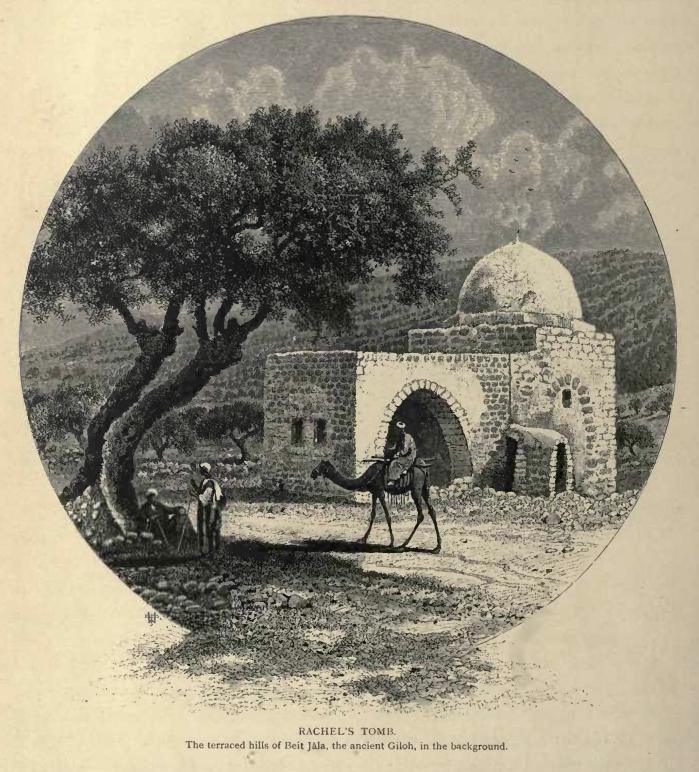 🇵🇸 Palestine and 1 moreRachel's TombQever Raḥel; Qabr Rāḥīl
A shared holy site near Bethlehem revered by Jews, Christians, and MuslimsTradition · Speaking with spirits and the dead · Protection Living
🇵🇸 Palestine and 1 moreRachel's TombQever Raḥel; Qabr Rāḥīl
A shared holy site near Bethlehem revered by Jews, Christians, and MuslimsTradition · Speaking with spirits and the dead · Protection Living