
Ibn Arabi
In its own language: محيي الدين أبو عبد الله محمد بن علي بن عربي الحاتمي الطائي
from Arabic ibn, meaning son, and Arabi, referring to his Arab lineage
A medieval Andalusian mystic and philosopher whose teachings shaped Sufi metaphysics across the Islamic world.
Born in twelfth-century Spain, Ibn Arabi became a towering figure in Islamic thought and Sufism. He articulated the doctrine of waḥdat al-wujūd, proposing that all existence is a manifestation of a single divine reality. His extensive writings influenced scholars and practitioners from North Africa to South Asia.
- Born in Murcia, Spain, in 1165 AD
- Developed the doctrine of the unity of being
- Wrote over 850 attributed works
- Spent final years teaching in Damascus
- Known as Shaykh al-Akbar by Sufis
What it is
Ibn Arabi was a prominent Muslim scholar, poet, and philosopher from al-Andalus. He is best known for developing the concept of waḥdat al-wujūd, or the unity of being. This teaching suggests that everything in the universe is a reflection of one absolute reality. Scholars view him as a central figure in Sufi metaphysics. His influence extends beyond theology into poetry and cosmology.
Where it comes from
He was born in Murcia, Spain, during the twelfth century. His family had roots in Yemen and Arabia, with Berber ancestry on his mother's side. After political shifts in Spain, his family moved to Seville. He later traveled extensively through North Africa and the Middle East. His journey ended in Damascus, where he spent his final years. The historical context of the Almohad Caliphate shaped his early life and education.
How it is done
Ibn Arabi dedicated his life to study and spiritual practice. He sought out various teachers to learn about Islamic jurisprudence and mysticism. A key part of his path involved personal visions and inner experiences. He described these moments as insights into the nature of reality. He spent years in Mecca writing his major works. His method combined rigorous academic study with deep contemplation.
Tools and materials
His primary tools were books, pens, and scholarly networks. He engaged with texts from earlier philosophers and jurists. He also relied on oral transmission from his teachers. His most famous work, The Meccan Illuminations, was written by hand. These manuscripts preserved his complex ideas for future generations. He used poetry to express aspects of his philosophy that prose could not capture.
Ibn Arabi, drawn and placed
- Living
- Revived
- Fading
- Historical
- Legendary
- Performed
- Lineage
- Akbarism
What it is for
His writings aim to explain the structure of the cosmos and the human soul. Practitioners look to his work for guidance on spiritual development. The goal is to understand the connection between the creator and creation. Many see his teachings as a way to deepen their faith. His concepts help seekers navigate the path of Sufism. The purpose is ultimately to recognize the divine presence in all things.
Who does it
Ibn Arabi was trained by numerous scholars in different fields. He studied under masters of Hadith, law, and philosophy. He also learned from prominent Sufi mystics. His students included notable figures like Sadr al-Din al-Qunawi. He taught in Damascus for many years before his death. His role as a teacher helped spread his ideas throughout the Islamic world.
Peoples and places
His teachings are respected across the Muslim world. They are found in regions from Spain to South Asia. Persian, Turkish, and Urdu speakers have translated his works. Sufi orders have adopted his concepts as part of their tradition. His legacy connects diverse cultures through shared philosophical language.
At a glance: who, where and when
Who does it
Peoples
Belief worlds


What people believe
The core belief associated with Ibn Arabi is the unity of existence. He argued that there is only one true reality, which is God. All other things are manifestations or shadows of this reality. This view challenges strict dualisms between the sacred and the profane. It emphasizes the interconnectedness of all beings. This perspective has been both praised and debated among theologians.
When it is done
Specific festivals are not tied to his biography. However, his life events align with the Islamic calendar. He was born in the month of Ramaḍān. He completed his pilgrimage to Mecca in 1202. His death occurred in the month of Rabī' al-Thānī. These dates mark significant points in his spiritual journey.
How scholars and sceptics see it
Modern researchers analyze his work through historical and philosophical lenses. Some scholars focus on his legal opinions and schools of thought. There is debate over whether he adhered to a specific school of jurisprudence. Critics sometimes find his ideas too abstract. Supporters argue that his work provides a comprehensive worldview.
Cautions and what is closed
Some traditionalists have criticized his teachings for being too radical. Certain phrases in his work have been interpreted as heretical. This has led to periods of tension between him and conservative scholars. Despite this, he is widely regarded as a saint by many communities. His tomb in Damascus remains a site of visitation. The controversy surrounding his work highlights the diversity within Islamic thought.
Compare and confuse
Ibn Arabi is often compared to other Sufi masters like Junayd. His concept of unity differs from pantheistic interpretations. While some see him as a monist, others view him as a theist. His work is distinct from purely rationalist philosophy. He blends legal scholarship with poetic expression. This combination sets him apart from contemporaries who focused solely on law or logic.
Law and persecution
His status in Islamic law has been a subject of discussion. Some authorities have questioned his adherence to established schools. Others have defended his orthodoxy based on his respect for tradition. Legal rulings regarding his work vary by region and time period. In some places, his writings are taught openly. In others, they are approached with caution. The lack of a unified stance reflects the complexity of his thought.
Today
His influence continues to grow through modern translations and studies. Universities around the world offer courses on his philosophy. Digital archives make his manuscripts accessible to researchers. Contemporary Sufis still cite his works for spiritual guidance. His ideas resonate with those interested in interfaith dialogue. The global interest in Sufism has renewed attention on his contributions.
Questions people ask about Ibn Arabi
Who was Ibn Arabi?
He was a twelfth-century Spanish scholar and mystic. He is famous for his work in Sufism and Islamic philosophy. His teachings on the unity of being remain influential today.
What is his most important idea?
He proposed waḥdat al-wujūd, the unity of existence. This teaches that all reality is a manifestation of one divine source. It bridges the gap between the creator and the created.
Where did he live?
He was born in Spain but traveled widely. He lived in Tunisia, Morocco, Egypt, and Syria. He settled in Damascus for his final decades.
Why is he called Shaykh al-Akbar?
This title means 'The Greatest Shaykh'. Sufis use it to honor his depth of knowledge. It reflects his status as a master of spiritual insight.
Is he considered a saint?
Many Muslims and Sufis regard him as a wali, or saint. Some scholars praise his piety and learning. Others debate his theological positions. His legacy is generally positive across the Islamic world.
Good reading and sources
- Ibn Arabi on WikipediaEncyclopedia
- More photos on Wikimedia CommonsPhotos and video
- Wikidata recordOpen data
The facts on this page come from the Wikipedia article "Ibn Arabi", written by its contributors and used under the CC BY-SA 4.0 licence, and from its Wikidata record (CC0). EveryJaadu rewrote the text in its own words, with AI assistance, and compares every page with the article to make sure no passage is copied. It may be reused under the same CC BY-SA 4.0 licence with a link back.
It may contain mistakes. Names and customs differ from one community to the next, and some knowledge is closed to outsiders and left out here. This page describes belief and practice. It does not say that any of it works, it is not a how-to, and it is not medical advice. If something is wrong, tell us. Last refreshed 2026-10-05.
More from Spain
All the entries from Spain 🇮🇳 India and 5 moreAstrology
A divinatory practice that reads human fate through the positions of celestial bodies.Belief · Seeing and foretelling · Luck and prosperity Living
🇮🇳 India and 5 moreAstrology
A divinatory practice that reads human fate through the positions of celestial bodies.Belief · Seeing and foretelling · Luck and prosperity Living
 🇮🇱 Israel and 5 moreTetragrammatonיהוה
The four-letter name of God in the Hebrew Bible, written as YHWH.Belief · Speaking with spirits and the dead Living
🇮🇱 Israel and 5 moreTetragrammatonיהוה
The four-letter name of God in the Hebrew Bible, written as YHWH.Belief · Speaking with spirits and the dead Living
 🇪🇸 SpainDirectorium Inquisitorum
A 14th-century manual for inquisitors on heresy, magic, and trial procedureText · Cursing and harm · Power and authority Historical
🇪🇸 SpainDirectorium Inquisitorum
A 14th-century manual for inquisitors on heresy, magic, and trial procedureText · Cursing and harm · Power and authority Historical
 🇲🇽 Mexico and 5 moreDay of the DeadDía de los Muertos
A Mexican holiday honoring the dead with altars, food, and humor during Allhallowtide.Tradition · Speaking with spirits and the dead · Luck and prosperity Living
🇲🇽 Mexico and 5 moreDay of the DeadDía de los Muertos
A Mexican holiday honoring the dead with altars, food, and humor during Allhallowtide.Tradition · Speaking with spirits and the dead · Luck and prosperity Living
Related elsewhere
All text 🇮🇳 IndiaChakraचक्र
Meditation points in the subtle body used in Hindu and Buddhist yogaTradition · Speaking with spirits and the dead · Change and initiation Living
🇮🇳 IndiaChakraचक्र
Meditation points in the subtle body used in Hindu and Buddhist yogaTradition · Speaking with spirits and the dead · Change and initiation Living
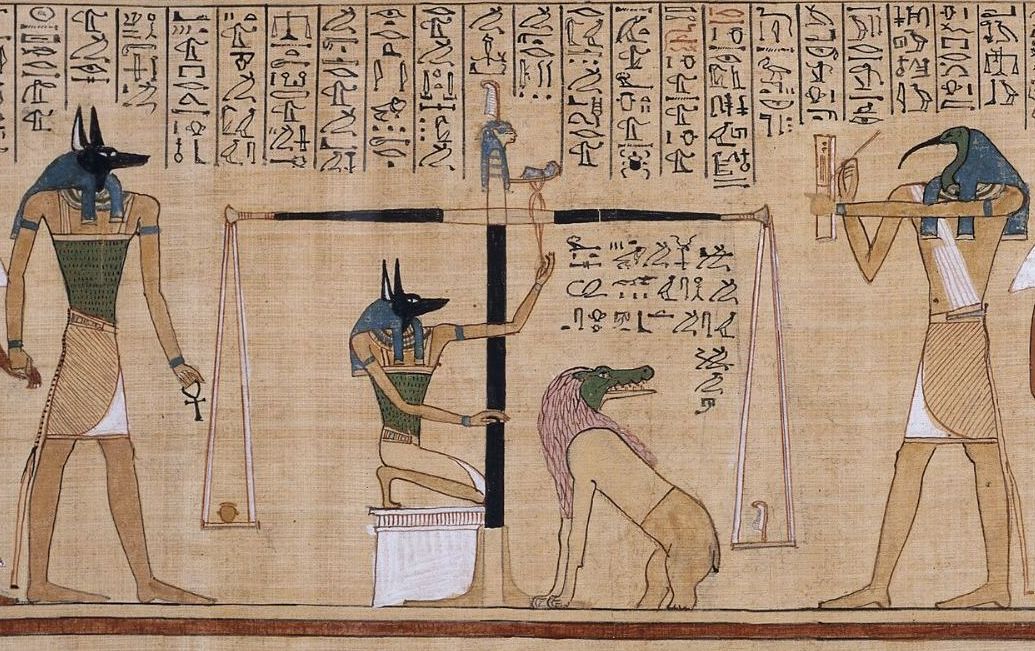 🇪🇬 EgyptAncient Egyptian afterlife beliefs
A system of rituals and texts guiding the soul through the underworld to eternal rebirthTradition · Protection · Speaking with spirits and the dead Historical
🇪🇬 EgyptAncient Egyptian afterlife beliefs
A system of rituals and texts guiding the soul through the underworld to eternal rebirthTradition · Protection · Speaking with spirits and the dead Historical
 🇳🇬 NigeriaOrunmilaỌ̀rúnmìlà
Yoruba deity of wisdom and the creator of the Ifá divination systemBeing · Seeing and foretelling · Speaking with spirits and the dead Living
🇳🇬 NigeriaOrunmilaỌ̀rúnmìlà
Yoruba deity of wisdom and the creator of the Ifá divination systemBeing · Seeing and foretelling · Speaking with spirits and the dead Living
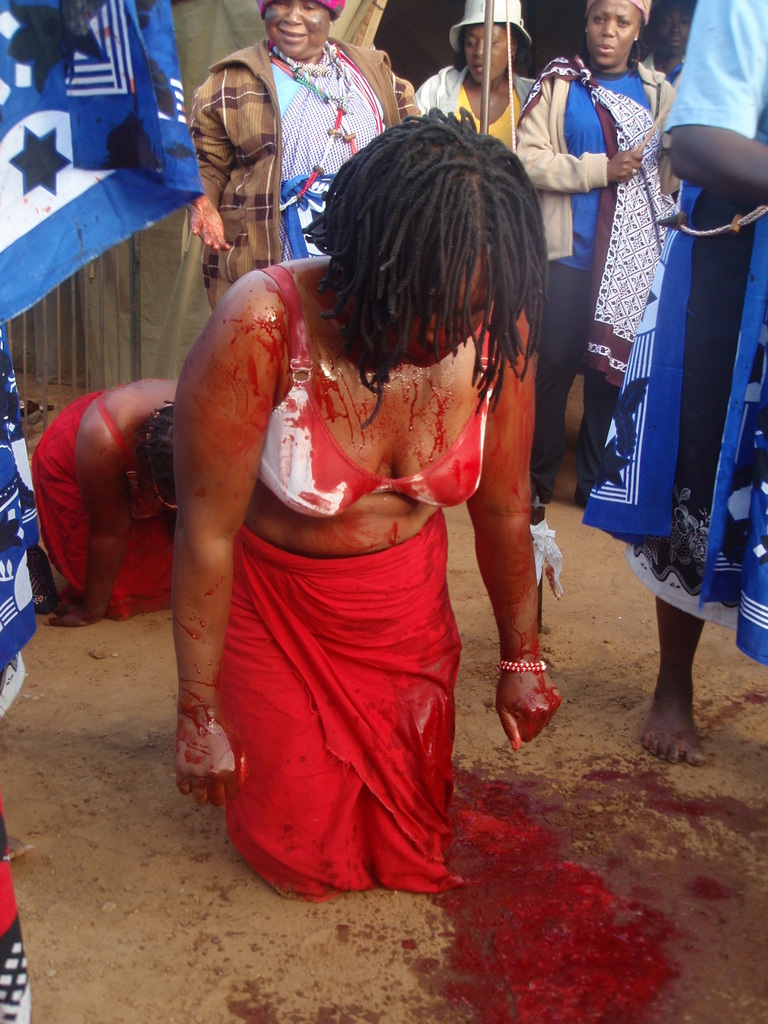 🇿🇦 South AfricaUkuthwasa
A spiritual calling and initiation process for traditional healers in Southern Africa.Rite · Healing · Speaking with spirits and the dead Living
🇿🇦 South AfricaUkuthwasa
A spiritual calling and initiation process for traditional healers in Southern Africa.Rite · Healing · Speaking with spirits and the dead Living