Luck and prosperity
Charms for fortune, success, a good harvest and a safe journey.
Luck magic aims at fortune, success, wealth and a safe passage. People keep lucky charms, perform money rites, pour offerings to a god of wealth, and avoid unlucky days. Examples include the Chinese lucky cat and the red packet, the Japanese daruma doll, the Indian worship of Lakshmi at Diwali, the European four-leaf clover and horseshoe, and the Hoodoo mojo bag. This page looks at what luck means and who profits from it.
Ideas of luck
Cultures differ on what luck is. In China, fortune is tied to fate, timing and the placement of objects, giving rise to feng shui and the choice of lucky numbers. In West Africa, success is linked to a person's destiny and the help of the orisha or ancestors. In Europe, luck came to be seen as chance, with charms to tilt it. Many societies see wealth as shared and fear that good fortune attracts envy. Merchants, farmers, gamblers and students are the usual customers, and the amounts asked of them range from a coin to a lifetime of savings.
Customs
Customs are domestic and mostly small. Merchants in Taiwan and China burn paper offerings and put out fruit at the start of the month. Fishers and sailors keep charms and avoid certain words. Gamblers, students and athletes have habits they will not break. Many rites involve giving something away, since reciprocity is thought to keep fortune moving. Lucky days are often chosen by calendar or astrologer, so that a shop opens, a wedding is held or a journey begins on a favourable date.
Schemes and scams
Luck is easy to sell. Lottery charms, gemstone bracelets and sellers who promise riches for a fee make money from hope. Fraud involving fake spiritualists who say a client's money is cursed and must be handed over is documented in many countries. Playing games of chance with charms may feel harmless, but anyone struggling with gambling should seek real help. Some wealth rites are public and religious, as with Diwali lamps for Lakshmi and the Lunar New Year offerings to the god of wealth, and some are private and quiet.
Scholars and sceptics
Psychologists have found that carrying a lucky charm can raise confidence and performance in some tasks, without changing the odds of chance. Economists study the role of luck in success. Religious authorities differ: some see lucky objects as idolatry, others as harmless custom, and prosperity churches around the world teach a faith-based version of the same hope. Those who struggle with debt or gambling harm should look for practical advice, since a charm does not change the odds or pay the bills.
Luck and prosperity on EveryJaadu
The entries written up so far, best known first.
 🇫🇮 Finland and 1 moreSampo
A magical mill or world pillar in Finnish and Estonian mythology that produces wealth.Figure · Luck and prosperity · Power and authority Historical
🇫🇮 Finland and 1 moreSampo
A magical mill or world pillar in Finnish and Estonian mythology that produces wealth.Figure · Luck and prosperity · Power and authority Historical
 🇯🇵 JapanTeru teru bōzuてるてる坊主
A white paper doll hung outside to ask for sunny weatherCharm · Luck and prosperity Living
🇯🇵 JapanTeru teru bōzuてるてる坊主
A white paper doll hung outside to ask for sunny weatherCharm · Luck and prosperity Living
 🇬🇷 Greece and 4 moreKallikantzarosκαλικάντζαρος
A malevolent goblin that dwells underground and surfaces during the twelve days of Christmas.Being · Cursing and harm · Luck and prosperity Historical
🇬🇷 Greece and 4 moreKallikantzarosκαλικάντζαρος
A malevolent goblin that dwells underground and surfaces during the twelve days of Christmas.Being · Cursing and harm · Luck and prosperity Historical
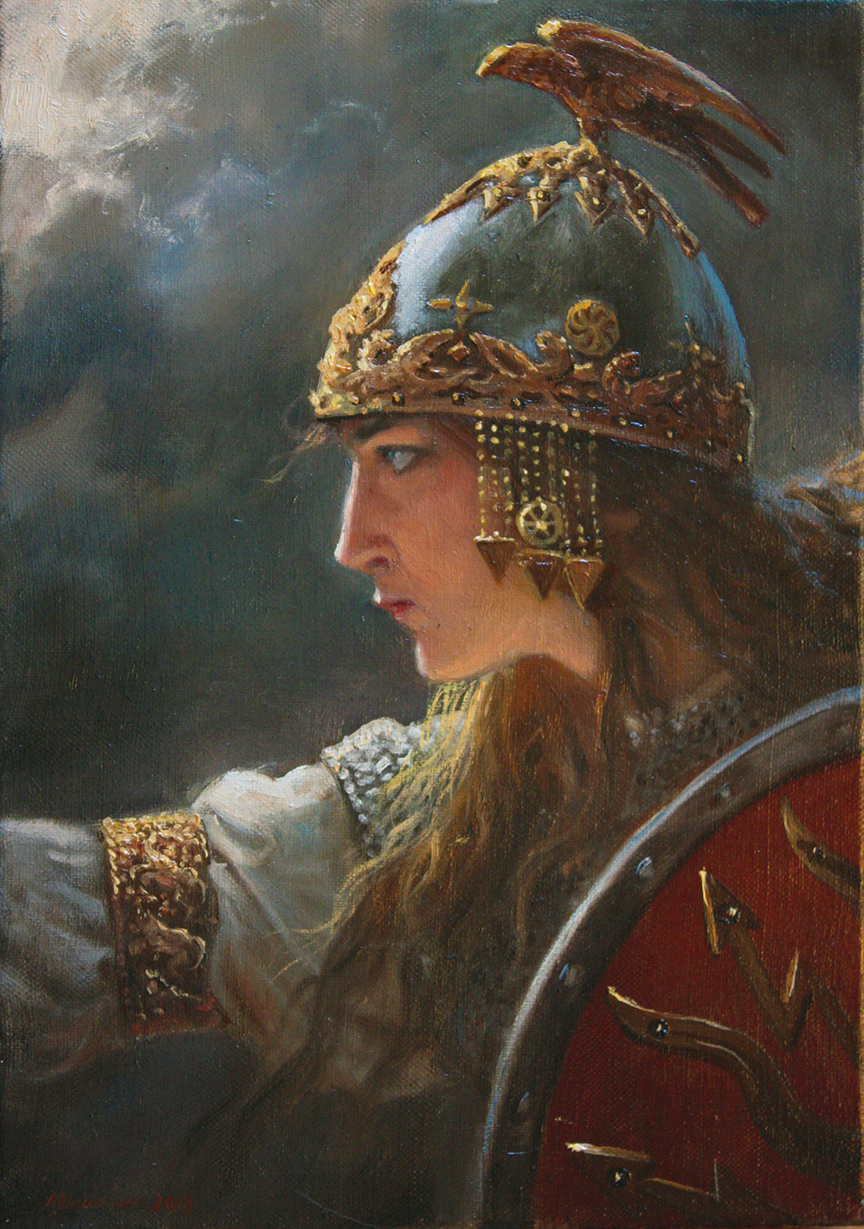 🇦🇱 Albania and 5 moreDodolaДодoла / Перперуна
A Balkan rainmaking rite performed by youths in greenery to invoke summer showersRite · Protection · Luck and prosperity Living
🇦🇱 Albania and 5 moreDodolaДодoла / Перперуна
A Balkan rainmaking rite performed by youths in greenery to invoke summer showersRite · Protection · Luck and prosperity Living
 🇬🇧 United KingdomPuck
A mischievous domestic sprite of English folklore known for practical jokes and household choresBeing · Cursing and harm · Luck and prosperity Legendary
🇬🇧 United KingdomPuck
A mischievous domestic sprite of English folklore known for practical jokes and household choresBeing · Cursing and harm · Luck and prosperity Legendary
 🇮🇹 Italy and 2 moreBulla
A round Roman amulet given to freeborn boys as a mark of status and protectionCharm · Protection · Luck and prosperity Historical
🇮🇹 Italy and 2 moreBulla
A round Roman amulet given to freeborn boys as a mark of status and protectionCharm · Protection · Luck and prosperity Historical
 🇨🇳 ChinaJin Chan金蟾
A three-legged toad charm used in feng shui to attract wealth and guard against bad luckBeing · Luck and prosperity · Protection Living
🇨🇳 ChinaJin Chan金蟾
A three-legged toad charm used in feng shui to attract wealth and guard against bad luckBeing · Luck and prosperity · Protection Living
 🇷🇸 Serbia and 5 moreZduhaćздухаћ
A South Slavic belief in men who fight storms and hail to protect their cropsBeing · Protection · Cursing and harm Historical
🇷🇸 Serbia and 5 moreZduhaćздухаћ
A South Slavic belief in men who fight storms and hail to protect their cropsBeing · Protection · Cursing and harm Historical
 🇯🇵 JapanSaruboboさるぼぼ
A faceless red doll from Japan, given as a charm for family and fortuneCharm · Luck and prosperity · Protection Living
🇯🇵 JapanSaruboboさるぼぼ
A faceless red doll from Japan, given as a charm for family and fortuneCharm · Luck and prosperity · Protection Living
 🇺🇸 United States and 1 moreBarnstar
A painted or carved star used to decorate barns in parts of the United States and Canada.Charm · Luck and prosperity · Wonder and entertainment Living
🇺🇸 United States and 1 moreBarnstar
A painted or carved star used to decorate barns in parts of the United States and Canada.Charm · Luck and prosperity · Wonder and entertainment Living
 🇯🇵 JapanHatsuyume初夢
The first dream of the new year and its traditional omensBelief · Seeing and foretelling · Luck and prosperity Living
🇧🇷 Brazil and 1 moreSaciSaci-pererê
A one-legged prankster of Brazilian folklore who hides in dust devils and wears a magic red cap.Figure · Luck and prosperity · Cursing and harm Living
🇯🇵 JapanHatsuyume初夢
The first dream of the new year and its traditional omensBelief · Seeing and foretelling · Luck and prosperity Living
🇧🇷 Brazil and 1 moreSaciSaci-pererê
A one-legged prankster of Brazilian folklore who hides in dust devils and wears a magic red cap.Figure · Luck and prosperity · Cursing and harm Living
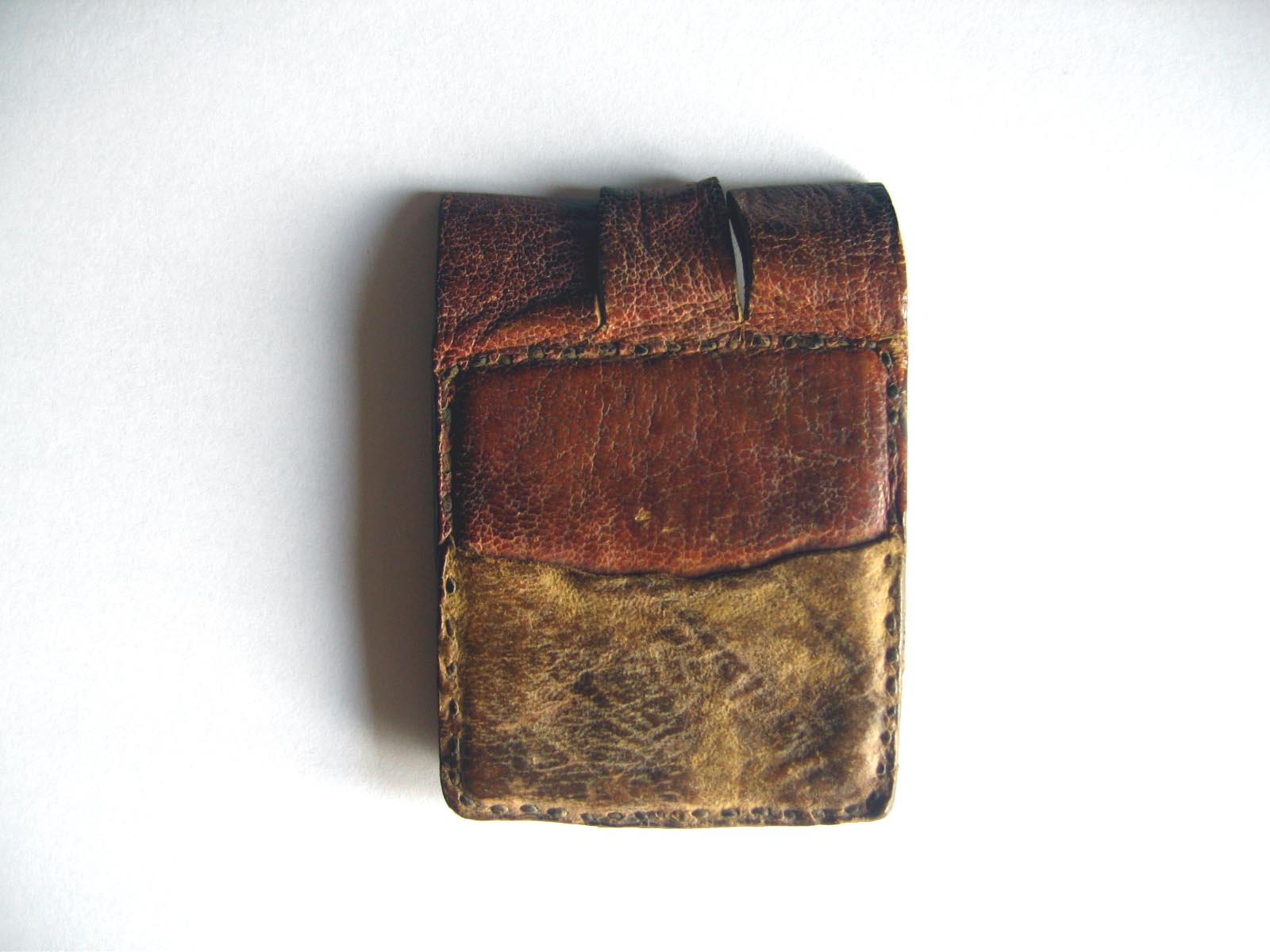 🇲🇱 Mali and 3 moreGris-gris
A small pouch or charm from West Africa used for protection and luck.Charm · Protection · Luck and prosperity Living
🇲🇱 Mali and 3 moreGris-gris
A small pouch or charm from West Africa used for protection and luck.Charm · Protection · Luck and prosperity Living
 🇯🇵 JapanCurse of the Colonelカーネルサンダースの呪い
A Japanese sports superstition blaming a baseball team's losses on an offended fast-food mascot.Belief · Luck and prosperity Historical
🇯🇵 JapanCurse of the Colonelカーネルサンダースの呪い
A Japanese sports superstition blaming a baseball team's losses on an offended fast-food mascot.Belief · Luck and prosperity Historical
 🇱🇦 Laos and 3 moreTai folk religionສາສະໜາຜີ
Spirits, ancestor rites, and soul-calling ceremonies of the Tai peoplesTradition · Protection · Healing Living
🇱🇦 Laos and 3 moreTai folk religionສາສະໜາຜີ
Spirits, ancestor rites, and soul-calling ceremonies of the Tai peoplesTradition · Protection · Healing Living
 🇺🇸 United StatesCurse of the Bambino
A sports superstition linking a long championship drought to a player saleBelief · Luck and prosperity Historical
🇺🇸 United StatesCurse of the Bambino
A sports superstition linking a long championship drought to a player saleBelief · Luck and prosperity Historical
 🇯🇵 JapanKin no unko金のうんこ
A Japanese charm shaped like faeces that is believed to bring good fortuneCharm · Luck and prosperity Living
🇯🇵 JapanKin no unko金のうんこ
A Japanese charm shaped like faeces that is believed to bring good fortuneCharm · Luck and prosperity Living
 🇯🇵 Japan and 1 moreTennin天人
Heavenly beings in Japanese Buddhism, often depicted as beautiful women with feathered scarves.Being · Luck and prosperity Historical
🇯🇵 Japan and 1 moreTennin天人
Heavenly beings in Japanese Buddhism, often depicted as beautiful women with feathered scarves.Being · Luck and prosperity Historical
 🇯🇵 Japan and 1 moreGood Luck Flag寄せ書き日の丸 (yosegaki hinomaru)
A Japanese national flag signed by loved ones to wish a soldier safety and victory.Charm · Protection · Luck and prosperity Living
🇯🇵 Japan and 1 moreGood Luck Flag寄せ書き日の丸 (yosegaki hinomaru)
A Japanese national flag signed by loved ones to wish a soldier safety and victory.Charm · Protection · Luck and prosperity Living
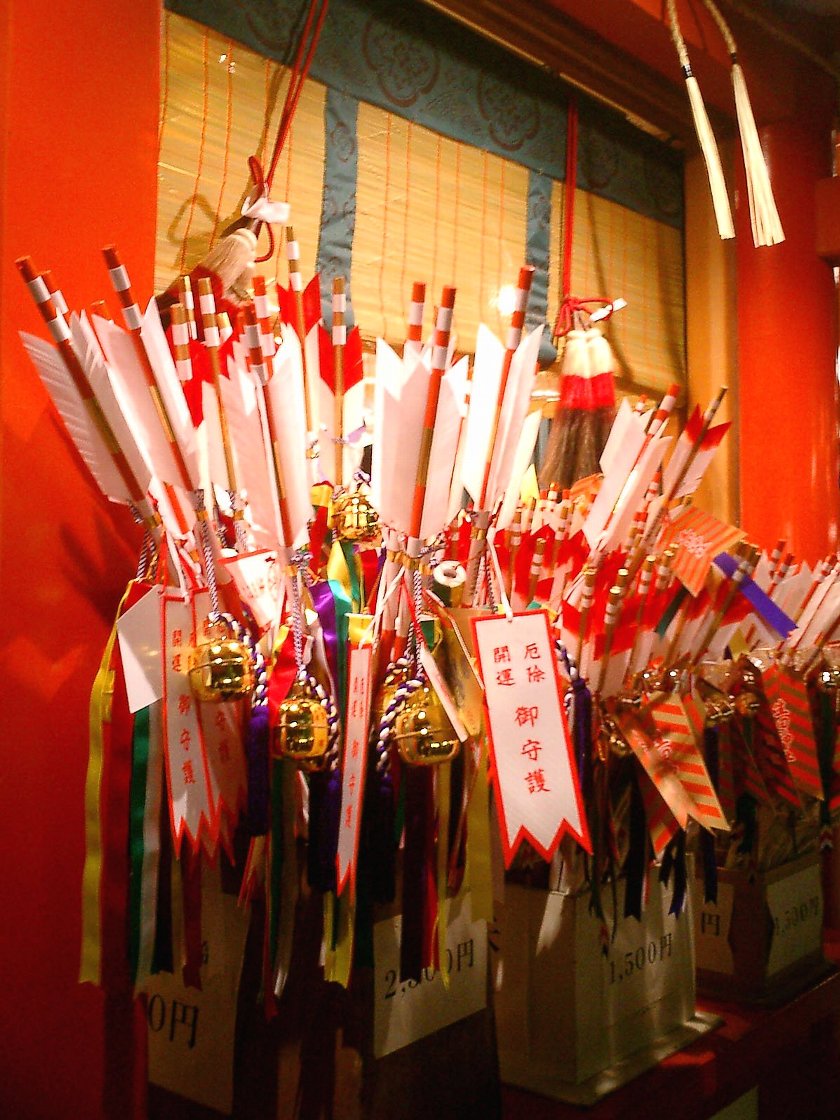 🇯🇵 JapanHamaya破魔矢
A blunt arrow given at shrines to ward off evil and secure good luck for the new yearCharm · Protection · Luck and prosperity Living
🇯🇵 JapanHamaya破魔矢
A blunt arrow given at shrines to ward off evil and secure good luck for the new yearCharm · Protection · Luck and prosperity Living
 🇯🇵 JapanFukusuke福助
A kneeling Japanese doll believed to bring wealth and honorCharm · Luck and prosperity · Power and authority Living
🇷🇴 Romania and 2 moreSolomonariȘolomonar
A Romanian weather wizard who rides a dragon and controls the storms.Being · Cursing and harm · Luck and prosperity Legendary
🇯🇵 JapanFukusuke福助
A kneeling Japanese doll believed to bring wealth and honorCharm · Luck and prosperity · Power and authority Living
🇷🇴 Romania and 2 moreSolomonariȘolomonar
A Romanian weather wizard who rides a dragon and controls the storms.Being · Cursing and harm · Luck and prosperity Legendary
 🇹🇭 Thailand and 1 morePalad khikปลัดขิก
A Thai phallic amulet believed to bring luck and protectionCharm · Protection · Luck and prosperity Living
🇹🇭 Thailand and 1 morePalad khikปลัดขิก
A Thai phallic amulet believed to bring luck and protectionCharm · Protection · Luck and prosperity Living
 🇮🇳 IndiaVedic astrologyJyotiṣa
A traditional Hindu system of astrology rooted in Vedic study and timekeepingTradition · Seeing and foretelling · Luck and prosperity Living
🇮🇳 IndiaVedic astrologyJyotiṣa
A traditional Hindu system of astrology rooted in Vedic study and timekeepingTradition · Seeing and foretelling · Luck and prosperity Living
 🇹🇼 Taiwan and 1 moreOng Yah王爺 (Ông-iâ)
Royal Lord deities of Fujian and Taiwan who tour the land, driving out diseaseBeing · Protection · Healing Living
🇮🇪 IrelandEarly Irish astrology
The study of celestial cycles in early Ireland, blending native observation with Christian and continental learning.Tradition · Seeing and foretelling · Luck and prosperity Historical
🇹🇼 Taiwan and 1 moreOng Yah王爺 (Ông-iâ)
Royal Lord deities of Fujian and Taiwan who tour the land, driving out diseaseBeing · Protection · Healing Living
🇮🇪 IrelandEarly Irish astrology
The study of celestial cycles in early Ireland, blending native observation with Christian and continental learning.Tradition · Seeing and foretelling · Luck and prosperity Historical
 🇪🇬 Egypt and 2 moreLecanomancy
Divination using a dish or bowl of water to read the futureOracle · Seeing and foretelling · Luck and prosperity Historical
🇪🇬 Egypt and 2 moreLecanomancy
Divination using a dish or bowl of water to read the futureOracle · Seeing and foretelling · Luck and prosperity Historical
 🇨🇳 China and 5 moreRegional forms of shamanism
A global overview of indigenous spirit-interaction practices across Asia and the Americas.Tradition · Healing · Speaking with spirits and the dead Living
🇨🇳 China and 5 moreRegional forms of shamanism
A global overview of indigenous spirit-interaction practices across Asia and the Americas.Tradition · Healing · Speaking with spirits and the dead Living
 🇹🇭 Thailand and 1 morePra Jiadประเจียด
A Muay Thai armband worn for luck and confidenceCharm · Luck and prosperity · Protection Living
🇹🇭 Thailand and 1 morePra Jiadประเจียด
A Muay Thai armband worn for luck and confidenceCharm · Luck and prosperity · Protection Living
 🇻🇳 Vietnam and 2 moreVietnamese numismatic charmsBùa Việt Nam
Coin-shaped charms used for protection, luck, and ritual in Vietnamese cultureCharm · Protection · Luck and prosperity Historical
🇨🇳 ChinaChronomancy
A divination method to find lucky days and the best times for action.Oracle · Luck and prosperity Historical
🇻🇳 Vietnam and 2 moreVietnamese numismatic charmsBùa Việt Nam
Coin-shaped charms used for protection, luck, and ritual in Vietnamese cultureCharm · Protection · Luck and prosperity Historical
🇨🇳 ChinaChronomancy
A divination method to find lucky days and the best times for action.Oracle · Luck and prosperity Historical
 🇯🇵 JapanUchide no kozuchi打ち出の小槌
A legendary Japanese magic hammer that taps out desired items from thin airFigure · Luck and prosperity · Power and authority Legendary
🇯🇵 JapanUchide no kozuchi打ち出の小槌
A legendary Japanese magic hammer that taps out desired items from thin airFigure · Luck and prosperity · Power and authority Legendary
 🇪🇬 Egypt and 5 moreAmulet
A portable object worn or carried to ward off harm and invite protection.Charm · Protection · Healing Living
🇮🇩 IndonesiaIndonesian numismatic charmUang Gobog
Coin-like amulets from Indonesia used for protection and ritual offerings.Charm · Protection · Luck and prosperity Living
🇯🇵 JapanOsaki尾先
A mountain spirit in Japanese folklore that brings wealth or possession.Being · Luck and prosperity · Cursing and harm Legendary
🇪🇬 Egypt and 5 moreAmulet
A portable object worn or carried to ward off harm and invite protection.Charm · Protection · Healing Living
🇮🇩 IndonesiaIndonesian numismatic charmUang Gobog
Coin-like amulets from Indonesia used for protection and ritual offerings.Charm · Protection · Luck and prosperity Living
🇯🇵 JapanOsaki尾先
A mountain spirit in Japanese folklore that brings wealth or possession.Being · Luck and prosperity · Cursing and harm Legendary
 🇮🇪 IrelandStatue rubbing
A tourist custom of touching statues to attract luck, love, or a return visit.Belief · Luck and prosperity · Love and attraction Living
🇮🇪 IrelandStatue rubbing
A tourist custom of touching statues to attract luck, love, or a return visit.Belief · Luck and prosperity · Love and attraction Living
 🇪🇬 Egypt and 4 moreScarab
An ancient Egyptian amulet and seal shaped like a dung beetleCharm · Protection · Luck and prosperity Historical
🇪🇬 EgyptKitab al-Kanuzكتاب الكنوز
A lost Arabic treasure guide linked to Zerzura and the SphinxText · Luck and prosperity · Power and authority Historical
🇯🇵 Japan and 2 moreJapanese numismatic charm絵銭
Coin-shaped charms from Japan used for protection, luck, and blessings.Charm · Protection · Luck and prosperity Living
🇯🇵 JapanDōbutsu uranai動物占い
A Japanese divination system that sorts people into animal types based on birthdate and personality axes.Oracle · Luck and prosperity Living
🇪🇬 Egypt and 4 moreScarab
An ancient Egyptian amulet and seal shaped like a dung beetleCharm · Protection · Luck and prosperity Historical
🇪🇬 EgyptKitab al-Kanuzكتاب الكنوز
A lost Arabic treasure guide linked to Zerzura and the SphinxText · Luck and prosperity · Power and authority Historical
🇯🇵 Japan and 2 moreJapanese numismatic charm絵銭
Coin-shaped charms from Japan used for protection, luck, and blessings.Charm · Protection · Luck and prosperity Living
🇯🇵 JapanDōbutsu uranai動物占い
A Japanese divination system that sorts people into animal types based on birthdate and personality axes.Oracle · Luck and prosperity Living
 🇨🇳 China and 2 moreChinese burial money瘞錢 (yì qián)
Imitations of currency placed in Chinese graves to serve the deceased in the afterlife.Charm · Protection · Luck and prosperity Historical
🇺🇸 United States and 1 moreFinancial astrology
A practice linking planetary positions to stock market trendsBelief · Seeing and foretelling · Luck and prosperity Fading
🇮🇹 ItalySmorfia
A Neapolitan dream book that turns visions into lottery numbersOracle · Luck and prosperity Living
🇨🇳 China and 2 moreChinese burial money瘞錢 (yì qián)
Imitations of currency placed in Chinese graves to serve the deceased in the afterlife.Charm · Protection · Luck and prosperity Historical
🇺🇸 United States and 1 moreFinancial astrology
A practice linking planetary positions to stock market trendsBelief · Seeing and foretelling · Luck and prosperity Fading
🇮🇹 ItalySmorfia
A Neapolitan dream book that turns visions into lottery numbersOracle · Luck and prosperity Living
 🇩🇪 Germany and 4 moreAnimal TarotTiertarock
A family of playing card decks featuring animal imagery instead of traditional tarot scenesTradition · Luck and prosperity Living
🇺🇦 Ukraine and 1 moreStrichaСтріча
A Slavic goddess who spins the golden thread of human destiny and good fortuneBeing · Luck and prosperity · Protection Historical
🇩🇪 Germany and 4 moreAnimal TarotTiertarock
A family of playing card decks featuring animal imagery instead of traditional tarot scenesTradition · Luck and prosperity Living
🇺🇦 Ukraine and 1 moreStrichaСтріча
A Slavic goddess who spins the golden thread of human destiny and good fortuneBeing · Luck and prosperity · Protection Historical
 🇨🇳 China and 1 moreLock charms家锁 / 锁片 (jiā suǒ / suǒ piàn)
A Chinese metal pendant shaped like a lock to protect children from harm and death.Charm · Protection · Luck and prosperity Historical
🇨🇳 China and 1 moreLock charms家锁 / 锁片 (jiā suǒ / suǒ piàn)
A Chinese metal pendant shaped like a lock to protect children from harm and death.Charm · Protection · Luck and prosperity Historical
 🇨🇳 China and 1 moreHorse coin馬錢 (mǎ qián)
A Chinese numismatic charm depicting horses, used as game pieces or gambling tokensCharm · Luck and prosperity · Wonder and entertainment Historical
🇨🇳 China and 1 moreZhengde Tongbao正德通寶
A fantasy cash coin used as a Chinese and Vietnamese amulet for luck and protection.Charm · Luck and prosperity · Protection Living
🇨🇳 China and 1 moreHorse coin馬錢 (mǎ qián)
A Chinese numismatic charm depicting horses, used as game pieces or gambling tokensCharm · Luck and prosperity · Wonder and entertainment Historical
🇨🇳 China and 1 moreZhengde Tongbao正德通寶
A fantasy cash coin used as a Chinese and Vietnamese amulet for luck and protection.Charm · Luck and prosperity · Protection Living
Photo credits on this page
The small pictures above come from Wikimedia Commons under free licences. Some are cropped to fit.
- Sampo: Väinö Blomstedt, Public domain, source
- Kallikantzaros: Katolophyromai, CC BY-SA 4.0, source
- Dodola: Andrey Shishkin, CC BY 3.0, source
- Jin Chan: Tristanb, CC BY-SA 3.0, source
- Barnstar: Una Smith, CC BY-SA 4.0, source
- Sarubobo: Unknown author, CC BY-SA 3.0, source
- Zduhać: Bidgee, CC BY-SA 3.0, source
- Hatsuyume: Takeuchi Seihō, Public domain, source
- Teru teru bōzu: Novaric at English Wikipedia, CC BY-SA 3.0, source
- Good Luck Flag: takato marui, CC BY-SA 2.0, source
- Vedic astrology: Freedomji, CC BY-SA 4.0, source
- Regional forms of shamanism: Man Sing, Public domain, source
- Gris-gris: Teogomez, CC BY-SA 3.0, source
- Amulet: Anonymous ( Egypt ) Unknown author, Public domain, source
- Curse of the Colonel: Ogiyoshisan, CC BY-SA 3.0, source
- Bulla: Anonymous ( Category:Etruscans ) Unknown author, Public domain, source
- Tai folk religion: ( เทวประภาส มากคล้าย ), Tevaprapas, Public domain, source
- Curse of the Bambino: National Photo Company, Public domain, source
- Chinese burial money: Gary Todd, CC0, source
- Kin no unko: enmoto, CC BY 2.0, source
- Tennin: Unknown author, Public domain, source
- Hamaya: Tomomarusan, CC BY 2.5, source
- Animal Tarot: Cards: anonymous; Photo: Andreas Praefcke, Public domain, source
- Fukusuke: Nesnad, CC BY-SA 3.0, source
- Lock charms: Scott Semans World Coins (CoinCoin.com)., CC BY 3.0, source
- Palad khik: deror_avi, CC BY-SA 3.0, source
- Horse coin: Etnografiska museet, CC BY 2.5, source
- Ong Yah: Suzuki1314 at Chinese Wikipedia, Public domain, source
- Lecanomancy: Author Robert Burns Translator Alexander Smith Illustrator C. A. Vande, Public domain, source
- Pra Jiad: Samy Sana, CC BY-SA 3.0, source
- Scarab: Rama, CC BY-SA 2.0 fr, source
- Uchide no kozuchi: Yashima Gakutei, CC0, source
- Statue rubbing: Matthias Rosenkranz, CC BY-SA 2.0, source
- Vietnamese numismatic charms: Jean-Michel Moullec, CC BY 2.0, source
- Puck: Joseph Noel Paton, Public domain, source