
Scarab
Named after the scarab beetle
An ancient Egyptian amulet and seal shaped like a dung beetle
Scarabs are carved or molded objects from ancient Egypt that take the form of scarab beetles. They served as personal seals, jewelry, and protective charms linked to rebirth and the sun.
- Scarabs replaced cylinder seals in ancient Egypt
- Heart scarabs protected the deceased during judgment
- Amenhotep III issued large commemorative scarabs
- Faience and steatite were common materials
- Found in the Uluburun shipwreck off Turkey
What it is
A scarab is an artifact shaped like a dung beetle, widely used in ancient Egypt. These small objects functioned as both amulets and impression seals. They were worn as jewelry, used for administrative signatures, or placed in tombs. The design mimics the Scarabaeus sacer beetle, featuring a flat base for engraving and a rounded back. Archaeologists rely on these items to understand pharaonic history, art, and trade networks across the Mediterranean.
Where it comes from
Scarabs gained prominence during the Middle Kingdom around two thousand BC. They replaced cylinder seals and button seals due to their popularity. Over time, they spread beyond Egypt into the Levant and Mediterranean regions. Local artisans began producing them in Egyptian styles. The practice continued through the pharaonic period, with different dynasties adding unique inscriptions and designs.
How it is done
Artisans carved scarabs from soft stones like steatite or molded them from faience ceramic. After shaping, they applied glazes, typically in blue or green hues, before firing. Some were drilled for threading into rings or necklaces. Others remained solid for use as seals. The bases were engraved with hieroglyphs, names, or prayers to create impressions when pressed into clay.
Tools and materials
Common materials included steatite, porcelain, jasper, amethyst, and carnelian. Faience was also frequently used. Gold wire often secured scarabs to fingers or mummies. Hieroglyphic inscriptions appeared on the flat bases. Glazes provided color, though weathering often leaves modern examples appearing white or brown.
Scarab, drawn and placed
- Living
- Revived
- Fading
- Historical
- Legendary
- Performed
- Lineage
- Ancient Egyptian magic
- Timing
- Funerals and daily wear
What it is for
People wore scarabs for protection and status. They served as official seals for officials and royalty. In funerary contexts, they ensured safe passage to the afterlife. Heart scarabs prevented the deceased's heart from testifying against them during judgment. Commemorative scarabs celebrated royal achievements and diplomatic gifts.
Who does it
Royal workshops produced many scarabs under direct supervision. Artisans crafted them using stone carving or ceramic molding techniques. Priests prepared specific funerary types for burial rituals. Scholars study surviving examples to date historical periods and trace trade routes based on inscriptions and material composition.
Peoples and places
Ancient Egyptians created and used scarabs extensively. Neighboring cultures in the Levant and Mediterranean adopted the style. The Uluburun shipwreck off Turkey yielded scarabs indicating international trade. German and other European museums hold significant collections today. The practice reflects a shared cultural appreciation across Bronze Age societies.
At a glance: who, where and when
Who does it
Peoples
Belief worlds
Occasions


What people believe
The scarab symbolized Khepri, the morning sun god who rolled the sun across the sky. Egyptians observed beetles rolling dung balls and saw a parallel to the sun's journey. This association made the scarab a powerful symbol of rebirth, regeneration, and eternal life. It represented the cyclical nature of existence and divine manifestation.
When it is done
Scarabs appear throughout all periods of Egyptian history. Specific types emerged during certain dynasties, such as heart scarabs in the New Kingdom. Funerary practices incorporated them at death. Royal commemorations marked specific reigns. Daily wear continued alongside religious and administrative uses without strict calendar constraints.
How scholars and sceptics see it
Historians analyze scarab inscriptions to identify rulers and dates. Archaeologists use typology to track cultural exchange. The Uluburun find helped date maritime trade networks. Researchers note that some inscriptions were copied blindly by later artisans, creating confusion about original intent and dating.
Cautions and what is closed
Many scarabs have lost their original glaze due to environmental exposure. Forgeries exist, particularly those copying royal names. Misinterpretation of hieroglyphs can lead to incorrect historical conclusions. Some funerary texts required precise ritual knowledge to be effective.
Compare and confuse
Cylinder seals preceded scarabs in Mesopotamia. Button seals were simpler geometric alternatives. Modern replicas differ from ancient artifacts in material and craftsmanship. Other cultures used beetle imagery but lacked the specific Egyptian theological framework.
Questions people ask about Scarab
What is a scarab?
It is an ancient Egyptian artifact shaped like a dung beetle, used as an amulet, seal, or piece of jewelry.
Why were scarabs important?
They symbolized rebirth and the sun god Khepri, serving as protective charms and official documents.
What materials were used?
Artisans carved them from steatite, jasper, or amethyst, or molded them from glazed faience ceramic.
Where are they found?
They appear in Egyptian tombs, royal archives, and archaeological sites like the Uluburun shipwreck in Turkey.
Good reading and sources
- Scarab (artifact) on WikipediaEncyclopedia
- More photos on Wikimedia CommonsPhotos and video
- Wikidata recordOpen data
The facts on this page come from the Wikipedia article "Scarab (artifact)", written by its contributors and used under the CC BY-SA 4.0 licence, and from its Wikidata record (CC0). EveryJaadu rewrote the text in its own words, with AI assistance, and compares every page with the article to make sure no passage is copied. It may be reused under the same CC BY-SA 4.0 licence with a link back.
It may contain mistakes. Names and customs differ from one community to the next, and some knowledge is closed to outsiders and left out here. This page describes belief and practice. It does not say that any of it works, it is not a how-to, and it is not medical advice. If something is wrong, tell us. Last refreshed 2026-10-06.
More from Egypt
All the entries from Egypt 🇪🇬 Egypt and 5 moreHamsaخمسة
A palm-shaped amulet used across North Africa and the Middle East to ward off harm.Charm · Protection · Luck and prosperity Living
🇪🇬 Egypt and 5 moreHamsaخمسة
A palm-shaped amulet used across North Africa and the Middle East to ward off harm.Charm · Protection · Luck and prosperity Living
 🇪🇬 EgyptScarab
A carved beetle amulet and seal used in ancient Egypt for protection, identity, and ritual.Charm · Protection · Luck and prosperity Historical
🇪🇬 EgyptScarab
A carved beetle amulet and seal used in ancient Egypt for protection, identity, and ritual.Charm · Protection · Luck and prosperity Historical
 🇪🇬 Egypt and 1 moreDendera zodiac
A carved Egyptian sky map now held in a Paris museumText · Seeing and foretelling · Power and authority Historical
🇪🇬 Egypt and 1 moreDendera zodiac
A carved Egyptian sky map now held in a Paris museumText · Seeing and foretelling · Power and authority Historical
 🇪🇬 Egypt and 1 moreEbers Papyrus
An ancient Egyptian medical scroll detailing herbal remedies and bodily theories from around 1550 BCE.Text · Healing Historical
🇪🇬 Egypt and 1 moreEbers Papyrus
An ancient Egyptian medical scroll detailing herbal remedies and bodily theories from around 1550 BCE.Text · Healing Historical
Related elsewhere
All charm 🇨🇳 China and 3 moreChinese dragon龍
A legendary water deity and imperial symbol in East Asian cultureBeing · Protection · Luck and prosperity Historical
🇨🇳 China and 3 moreChinese dragon龍
A legendary water deity and imperial symbol in East Asian cultureBeing · Protection · Luck and prosperity Historical
 🇨🇳 China and 2 moreEight Immortals八仙
Eight legendary Taoist figures of China, each with a power and a vesselFigure · Protection · Healing Living
🇨🇳 China and 2 moreEight Immortals八仙
Eight legendary Taoist figures of China, each with a power and a vesselFigure · Protection · Healing Living
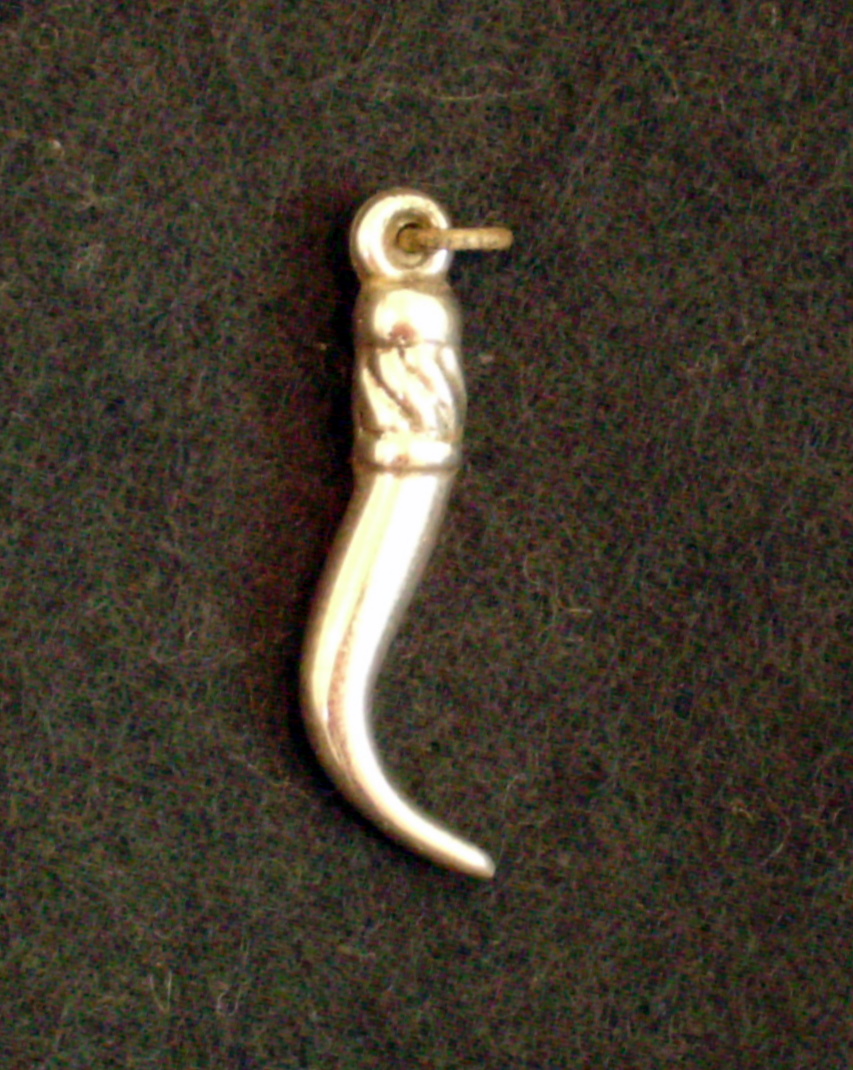 🇮🇹 ItalyCornicello
A twisted horn charm worn in Italy to ward off the evil eye and invite luck.Charm · Protection · Luck and prosperity Living
🇮🇹 ItalyCornicello
A twisted horn charm worn in Italy to ward off the evil eye and invite luck.Charm · Protection · Luck and prosperity Living
 🇫🇷 France and 5 moreYule log
A large wooden log burned in the hearth during winter festivals across Europe and North America.Tradition · Protection · Luck and prosperity Living
🇫🇷 France and 5 moreYule log
A large wooden log burned in the hearth during winter festivals across Europe and North America.Tradition · Protection · Luck and prosperity Living