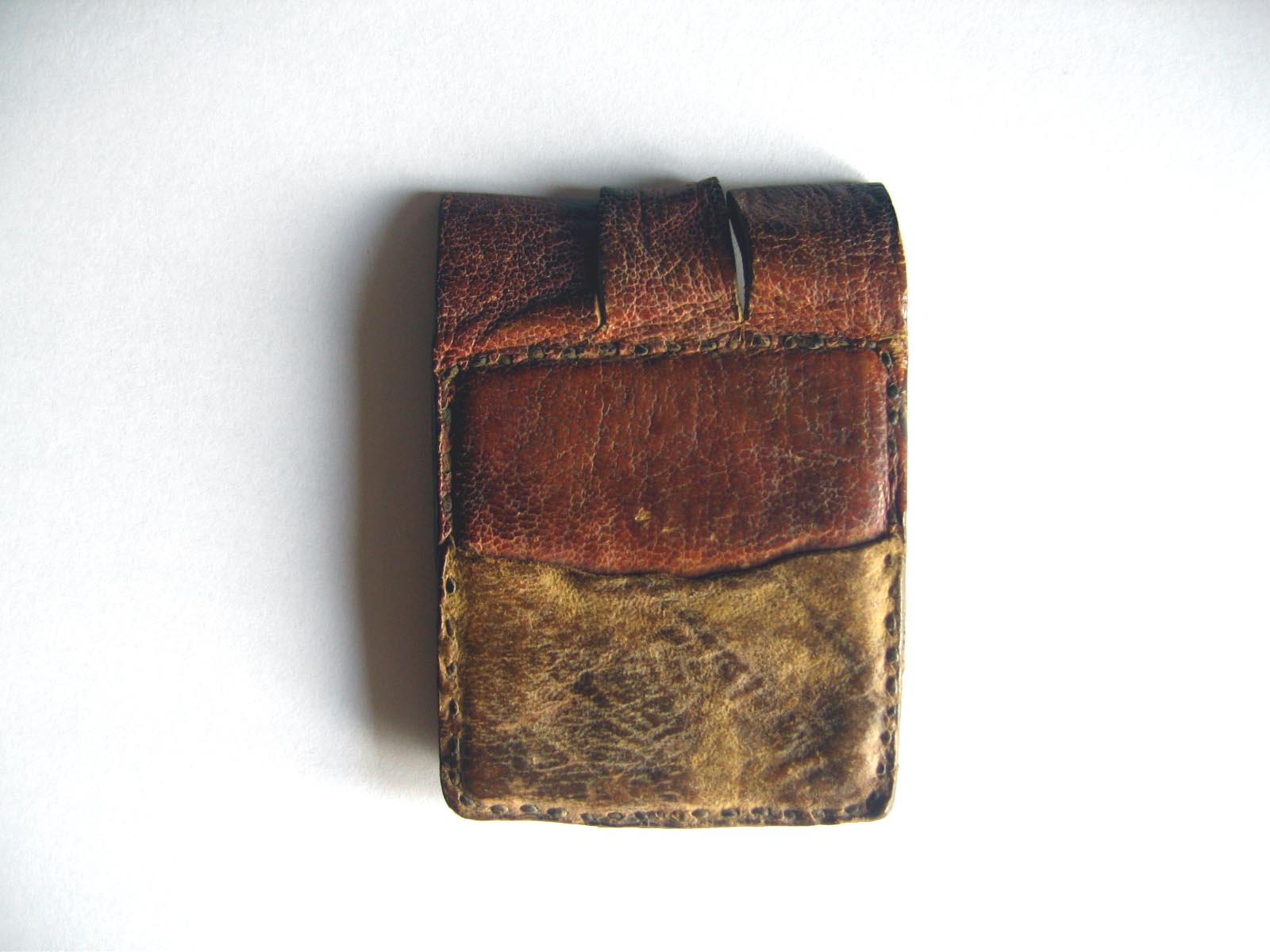
Gris-gris
from Mande languages meaning magic
A small pouch or charm from West Africa used for protection and luck.
The gris-gris is a talisman originating in the Muslim Mande communities of West Africa. It consists of a cloth pouch containing verses and objects, worn to protect the user or bring fortune. The practice spread to the Americas through slavery and remains part of Louisiana Voodoo and Haitian Vodou.
- Originated in West Africa among Mande Muslims.
- Worn as a pouch with verses and herbs.
- Used in Louisiana Voodoo and Haitian Vodou.
- Marabouts create charms for protection.
- Known as a contraceptive method in Senegal.
What it is
The gris-gris is a protective talisman that originated among the Mande peoples of West Africa. It typically takes the form of a small cloth sack or pouch. Inside, it holds items such as written verses, herbs, and other small objects. The wearer carries it on their body to ward off evil influences or to attract good fortune. While its roots are in Islamic traditions, the object has been adopted by various non-Muslim groups in the region as well.
Where it comes from
The practice began with Muslim Mande speakers like the Dyula people in areas such as present-day Ghana. Travelers noted that these groups created and distributed Islamic charms. The term comes from Mande languages and translates to magic. Over time, the custom spread to other ethnic groups, including the Dagomba, who wrote extensive manuscripts on preparing amulets using Arabic scripts and magical formulae.
How it is done
Practitioners create the gris-gris by assembling a small container, usually made of cloth. They fill it with specific materials, which often include pieces of paper inscribed with Quranic scriptures. Ritual numbers and small natural objects are also added. The finished pouch is then worn around the neck or carried on the person. In some cases, the written charms themselves are treated as powerful objects without the pouch.
Tools and materials
The primary tool is a small cloth bag or sack. Materials inside vary but commonly include paper with religious text, herbs, and symbolic items. Some gris-gris contain animal parts, such as fingers or bones, wrapped in flannel. Other versions might use monkey, snake, or mouse parts. The inclusion of ritual numbers and specific prayers is considered essential for the charm's power.
Gris-gris, drawn and placed
- Living
- Revived
- Fading
- Historical
- Legendary
- Performed
- Lineage
- Mande Islamic tradition
- Timing
- worn on the person daily
What it is for
People wear gris-gris to seek protection from harm and to ensure luck in their daily lives. In West Africa, they are used by everyone from wrestlers to soldiers. In the Americas, enslaved Africans sometimes used them against enslavers, believing the charms could cause black magic or misfortune. In Haiti, they retain their original intent of protection within Vodou practices.
Who does it
In West Africa, Islamic scholars known as marabouts create gris-gris. Another group, called karamokos, focuses on Quranic law but may also produce powerful charms. In the diaspora, conjure women and Gris-Gris doctors in Louisiana serve similar roles within their communities.
Peoples and places
The tradition started with the Mandinka, Bambara, and Dyula peoples in West Africa. It spread to the Dagomba and other Muslim groups. After the Atlantic slave trade, the practice moved to the Americas. It became significant in Louisiana Voodoo and Haitian Vodou. Today, it is also found in Hoodoo traditions in the United States and is used for contraception in Senegal.
At a glance: who, where and when
Who does it
Belief worlds
Occasions

What people believe
Users believe the gris-gris holds spiritual power derived from sacred texts and ritual knowledge. Scholars think they can wield this power to cure illness or forecast the future. Enslaved people in America believed spirits guided their bags to freedom on the Underground Railroad. In contrast, some Cajun communities viewed the object as a source of black magic and ill-fortune rather than protection.
When it is done
The gris-gris is worn daily as a personal safeguard. There are no specific festivals tied to its creation or use. However, historical records show it was used during times of crisis, such as slave rebellions. Gravesites were disturbed to obtain human remains for these charms, indicating their importance during life-threatening situations or journeys.
How scholars and sceptics see it
Anthropologists note the translocation of the gris-gris from West Africa to the Americas. Historians document early legal cases in New Orleans where slaves were convicted for using gris-gris to kill enslavers. Researchers observe how the meaning shifted in different regions, from a protective amulet to a symbol of black magic in some American communities.
Cautions and what is closed
Historical records indicate that gris-gris were used to cause harm, including killing enslavers. Authorities arrested individuals for carrying disturbing items like human fingers. Disturbances of gravesites occurred when people sought remains for conjure work. In some contexts, the object is feared as a tool of malevolent magic rather than protection.
Compare and confuse
The gris-gris is similar to the Kongo-influenced mojo bag found in African American traditions. Both are small pouches containing protective or magical items. It is also related to the Juju, though Juju often refers more broadly to spiritual power or fetish objects. The omamori is a Japanese equivalent, serving a similar protective function.
Questions people ask about Gris-gris
What is a gris-gris?
It is a talisman from West Africa, usually a small cloth pouch containing verses and objects. It is worn to protect the user from evil or to bring good luck.
Where did the gris-gris come from?
It originated with Muslim Mande communities in West Africa, such as the Mandinka and Bambara peoples. The word means magic in their languages.
How is it used today?
It is still worn in Haiti and Louisiana for protection. In Senegal, it is also used as a traditional method of birth control alongside herbs and abstinence.
Good reading and sources
The facts on this page come from the Wikipedia article "Gris-gris (talisman)", written by its contributors and used under the CC BY-SA 4.0 licence, and from its Wikidata record (CC0). EveryJaadu rewrote the text in its own words, with AI assistance, and compares every page with the article to make sure no passage is copied. It may be reused under the same CC BY-SA 4.0 licence with a link back.
It may contain mistakes. Names and customs differ from one community to the next, and some knowledge is closed to outsiders and left out here. This page describes belief and practice. It does not say that any of it works, it is not a how-to, and it is not medical advice. If something is wrong, tell us. Last refreshed 2026-10-06.
More from Mali
All the entries from Mali 🇸🇳 Senegal and 5 moreMaraboutmurābiṭ
A Muslim religious leader and teacher in West Africa, often linked to Sufi brotherhoods.Tradition · Protection · Speaking with spirits and the dead Living
🇸🇳 Senegal and 5 moreMaraboutmurābiṭ
A Muslim religious leader and teacher in West Africa, often linked to Sufi brotherhoods.Tradition · Protection · Speaking with spirits and the dead Living
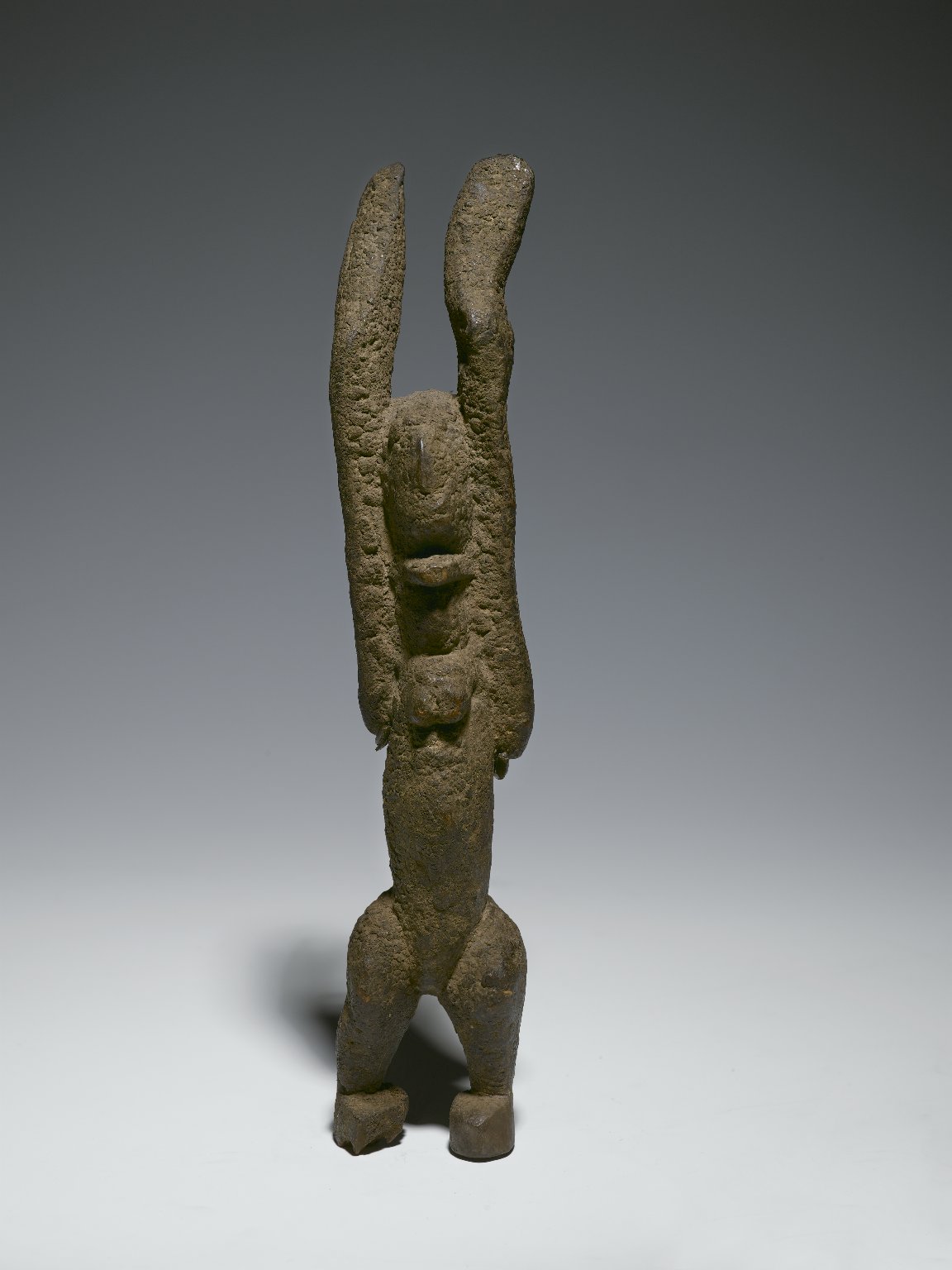 🇲🇱 MaliDogon religion
The traditional spiritual beliefs of the Dogon people of MaliTradition · Protection · Speaking with spirits and the dead Living
🇲🇱 MaliDogon religion
The traditional spiritual beliefs of the Dogon people of MaliTradition · Protection · Speaking with spirits and the dead Living
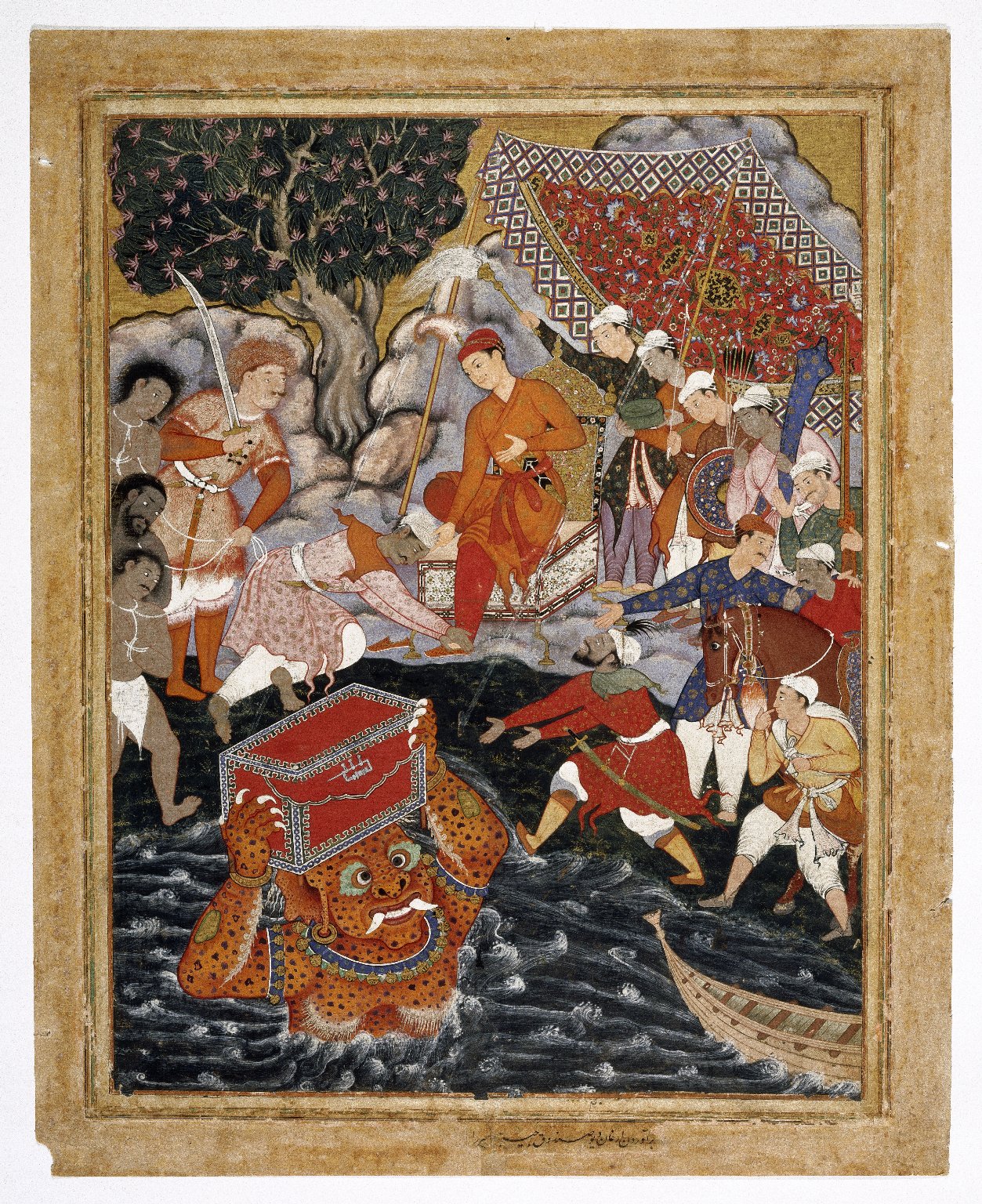 🇪🇬 Egypt and 3 moreIfritعفريت
A class of powerful chthonic spirits in Islamic tradition and folkloreBeing · Cursing and harm · Power and authority Historical
🇪🇬 Egypt and 3 moreIfritعفريت
A class of powerful chthonic spirits in Islamic tradition and folkloreBeing · Cursing and harm · Power and authority Historical
Related elsewhere
All charm 🇧🇪 Belgium and 2 moreHorseshoe
A metal shoe for a horse's hoof and a talisman of good fortuneCharm · Protection · Luck and prosperity Living
🇧🇪 Belgium and 2 moreHorseshoe
A metal shoe for a horse's hoof and a talisman of good fortuneCharm · Protection · Luck and prosperity Living
 🇪🇬 Egypt and 3 moreAmulet
A portable object worn or carried to ward off harm and invite fortuneCharm · Protection · Luck and prosperity Living
🇪🇬 Egypt and 3 moreAmulet
A portable object worn or carried to ward off harm and invite fortuneCharm · Protection · Luck and prosperity Living
 🇨🇳 China and 3 moreChinese dragon龍
A legendary water deity and imperial symbol in East Asian cultureBeing · Protection · Luck and prosperity Historical
🇳🇿 New ZealandKarakia
Māori recitations used for spiritual guidance, protection, and formal greetingsTradition · Protection · Speaking with spirits and the dead Living
🇨🇳 China and 3 moreChinese dragon龍
A legendary water deity and imperial symbol in East Asian cultureBeing · Protection · Luck and prosperity Historical
🇳🇿 New ZealandKarakia
Māori recitations used for spiritual guidance, protection, and formal greetingsTradition · Protection · Speaking with spirits and the dead Living