
Palad khik
In its own language: ปลัดขิก
from Thai words meaning honorable surrogate penis
A Thai phallic amulet believed to bring luck and protection
The palad khik is a Thai charm shaped like a penis. It originates from Indian Hindu traditions linked to Shiva. People wear it for luck, love, and safety.
- Named after Thai words for honorable surrogate penis
- Originates from Indian Hindu Shiva worship
- Brought to Southeast Asia by the Cham people
- Worn for gambling luck and protection from weapons
- Allowed in bars and casinos unlike Buddhist charms
What it is
The palad khik is a traditional Thai amulet carved in the shape of a male genital organ. The name translates to an honorable surrogate penis. These charms vary greatly in size. Small versions are worn on the body. Large ones are displayed in businesses. They serve as talismans for daily life.
Where it comes from
This practice began in India with Hindu worship of Shiva. The form relates to the Shiva Linga. The Cham people brought these symbols to Southeast Asia. The concept aligns with Chinese ideas of Yang energy. In India, linga often appear with yoni symbols. Together they represent creation and balance. Thailand adopted this specific phallic style over time.
How it is done
Monks who specialize in non-Buddhist animist magic create these items. They carve wood, metal, bone, horn, or ivory. Sacred inscriptions are engraved by hand. This ritual process can last many days. Metal casts may lack text but feature animal symbols. The object must be empowered through chanting. Thais call these incantations Kata Bucha. The chants derive from Devanagari roots. Specific mantras activate the charm's power.
Tools and materials
Craftsmen use natural materials like wood, metal, bone, horn, or ivory. Monks engrave sacred texts into the surface. Some metal versions include animal symbols instead of writing. The physical form mimics human anatomy. Size determines whether it is worn or displayed.
Palad khik, drawn and placed
- Living
- Revived
- Fading
- Historical
- Legendary
- Performed
- Lineage
- Thai animist magic and Hindu Shiva worship
- Timing
- daily wear or shop display
What it is for
Men typically wear them around the waist under clothing. People seek increased gambling luck and attraction to women. The charm is said to protect against knives and bullets. Women sometimes carry them for safety from assault. Shop owners place them near cash registers. They believe this brings sales and business protection.
Who does it
Specialized monks craft the amulets. They belong to schools of traditional animist magic. The creators follow specific lineages. Ordinary people wear the finished objects. Street vendors and shopkeepers also handle them. The makers perform rituals to empower the items.
Peoples and places
The tradition is prominent in Thailand. It has roots in Indian Hindu culture. The Cham people facilitated its spread in Southeast Asia. Thai society accepts these charms openly. They hang in convenience stores and restaurants. Outsiders might find the imagery offensive. Locals view them as essential lucky charms.
At a glance: who, where and when
Who does it
Belief worlds
What people believe
The charm connects to Shiva’s creative power. It acts as an animistic fertility symbol. Wearers believe it attracts romantic partners. It offers spiritual defense against violence. The amulet holds unique status. Unlike Buddhist charms, it is allowed in bars and casinos. It thrives in places considered unclean by other standards.
When it is done
There are no specific festival dates tied to the palad khik. It is used during daily activities. Men wear it constantly. Businesses keep it visible at all times. It accompanies people through their routines. No special calendar events trigger its use.
How scholars and sceptics see it
Researchers note the link between Indian Shiva worship and Thai folk magic. The adaptation shows cultural blending. Anthropologists observe how ordinary Thais integrate these symbols. The practice highlights local superstitions alongside religion. Scholars recognize the distinct animist layer within Thai culture.
Cautions and what is closed
Some outsiders view the imagery as offensive. The amulet is permitted in venues where Buddhist items are banned. This includes brothels and gambling halls. There are no reported health risks from wearing it. The practice remains open and commercial.
Compare and confuse
The palad khik resembles the Indian Shiva Linga. It shares concepts with Chinese Yang symbolism. Unlike Buddhist amulets, it tolerates impure environments. Other cultures have phallic fertility symbols. This Thai version is distinct in its widespread public display.
Questions people ask about Palad khik
What is a palad khik?
It is a Thai amulet shaped like a penis. The name means honorable surrogate penis. People wear it for luck and protection.
Where did the palad khik come from?
It originated in India with Hindu Shiva worship. The Cham people brought it to Southeast Asia. It evolved into a distinct Thai folk tradition.
Why do people wear palad khik?
Men wear it for gambling luck and to attract women. It is also believed to protect against knives and bullets. Shop owners use it for business success.
Can women wear palad khik?
Yes, women sometimes carry them in purses. They seek protection from rape and mugging. The charm is not limited to men only.
Good reading and sources
- Palad khik on WikipediaEncyclopedia
- More photos on Wikimedia CommonsPhotos and video
- Wikidata recordOpen data
The facts on this page come from the Wikipedia article "Palad khik", written by its contributors and used under the CC BY-SA 4.0 licence, and from its Wikidata record (CC0). EveryJaadu rewrote the text in its own words, with AI assistance, and compares every page with the article to make sure no passage is copied. It may be reused under the same CC BY-SA 4.0 licence with a link back.
It may contain mistakes. Names and customs differ from one community to the next, and some knowledge is closed to outsiders and left out here. This page describes belief and practice. It does not say that any of it works, it is not a how-to, and it is not medical advice. If something is wrong, tell us. Last refreshed 2026-10-06.
More from Thailand
All the entries from Thailand 🇹🇭 Thailand and 3 moreThai Buddha amuletsพระเครื่อง (phrakhrueang)
Sacred Buddhist images and relics worn for protection, merit, and fortune in Thailand.Charm · Protection · Luck and prosperity Living
🇹🇭 Thailand and 3 moreThai Buddha amuletsพระเครื่อง (phrakhrueang)
Sacred Buddhist images and relics worn for protection, merit, and fortune in Thailand.Charm · Protection · Luck and prosperity Living
 🇰🇭 Cambodia and 3 moreSak Yantសាក់យ័ន្ត
A Southeast Asian tattoo tradition using sacred geometry for protection and powerTradition · Protection · Luck and prosperity Living
🇰🇭 Cambodia and 3 moreSak Yantសាក់យ័ន្ត
A Southeast Asian tattoo tradition using sacred geometry for protection and powerTradition · Protection · Luck and prosperity Living
 🇹🇭 Thailand and 7 moreSpirit house
A small roofed shrine that shelters a place's protective spiritCharm · Protection Living
🇹🇭 Thailand and 7 moreSpirit house
A small roofed shrine that shelters a place's protective spiritCharm · Protection Living
 🇹🇭 Thailand and 1 morePra Jiadประเจียด
A Muay Thai armband worn for luck and confidenceCharm · Luck and prosperity · Protection Living
🇹🇭 Thailand and 1 morePra Jiadประเจียด
A Muay Thai armband worn for luck and confidenceCharm · Luck and prosperity · Protection Living
Related elsewhere
All charm 🇺🇸 United States and 5 moreMojo bag
A cloth pouch holding charms for protection, luck, or love in the Hoodoo tradition.Charm · Protection · Healing Living
🇺🇸 United States and 5 moreMojo bag
A cloth pouch holding charms for protection, luck, or love in the Hoodoo tradition.Charm · Protection · Healing Living
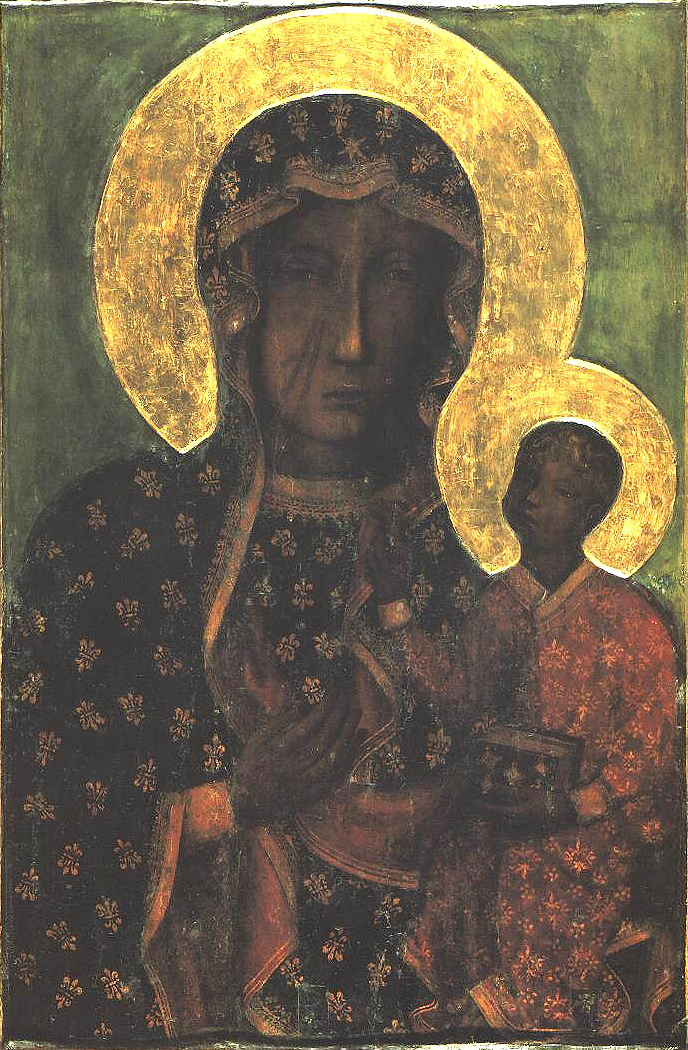 🇭🇹 HaitiErzulieÈzili
A family of spirits in Haitian Vodou representing love, beauty, and protective fury.Being · Protection · Love and attraction Living
🇭🇹 HaitiErzulieÈzili
A family of spirits in Haitian Vodou representing love, beauty, and protective fury.Being · Protection · Love and attraction Living
 🇦🇷 Argentina and 2 moreSan La Muerte
A skeletal folk saint venerated in South America for protection and favorsTradition · Protection · Healing Living
🇦🇷 Argentina and 2 moreSan La Muerte
A skeletal folk saint venerated in South America for protection and favorsTradition · Protection · Healing Living