
Zduhać
In its own language: здухаћ
from Old Slavonic stuhia or Albanian stuhí meaning storm
A South Slavic belief in men who fight storms and hail to protect their crops
The zduhać is a figure from Serbian, Montenegrin, and Bulgarian folklore. These men were believed to possess an innate power to shield their villages from destructive weather by battling demonic storm-bringers.
- Soul leaves body in sleep to fight storm demons
- Weapons include charred sticks and natural debris
- Victors steal crop yield from defeated enemies
- Born with a caul or specific birthmarks
- Fought across the Adriatic to Italian Apulia
What it is
The zduhać represents a specific type of supernatural protector within South Slavic folk belief. These individuals, typically adult men, were thought to have an inborn ability to defend their local estate or village against severe weather events like hailstorms and torrential rain. The core concept involves the soul leaving the body during sleep to engage in combat with entities responsible for bad weather. This practice was not merely defensive; it often involved aggressive interception of storms directed at neighboring territories to secure agricultural advantage for one’s own region.
Where it comes from
Linguistic analysis suggests the term derives from Old Slavonic words for elements or the Albanian word for storm. Folk etymology may have linked it to the Serbian word for spirit. The belief system is rooted in traditional Slavic concepts of the soul’s ability to separate from the physical body. Variations exist across regions, such as the vetrovnjak in western Serbia or the dragon man in eastern Serbia and Bulgaria, each with distinct mythological details regarding their enemies and methods.
How it is done
When a zduhać fell into deep sleep, his soul would exit his body, sometimes described as taking the form of a fly. It would then travel to intercept storm clouds or demonic beings. The soul would battle these forces, using various weapons to defeat them and drive the storm away from its home territory. After the conflict, the soul would return to the sleeping body. If the physical body was disturbed during this process, the soul could become trapped, leading to the death of the zduhać.
Tools and materials
Combatants used a variety of objects found in nature or the household. Weapons included spindles, beech buds, sharp splinters, straw stalks, cornel stones, pine cones, eggshells, and sand. In some accounts, they uprooted large trees. The most potent weapon was a stick of resinous wood charred at both ends. They also carried milk buckets and peck measures to capture the agricultural yield of defeated enemies.
Zduhać, drawn and placed
- Living
- Revived
- Fading
- Historical
- Legendary
- Performed
- Lineage
- South Slavic folk tradition
- Timing
- during storms and the Nativity Fast
What it is for
The primary intent was the protection of crops and livestock from weather that could devastate harvests. By fighting storms over enemy lands, a zduhać could ensure that the resulting hail or rain destroyed the crops of rivals while sparing his own village. This transferred the fertility and yield of the land to the victors, securing prosperity for their community through supernatural means.
Who does it
Most zduhaći were adult men, though women and children were occasionally mentioned. Power was considered innate, often marked by being born with a caul or specific birthmarks like a tuft of hair on the shoulder. Some traditions held that one could become a zduhać through ritual acts, such as praying to the Devil. They were characterized as deep sleepers, pensive, and resourceful individuals whose households tended to be prosperous.
Peoples and places
The belief was widespread across the Balkans. Zduhaći were recorded in Montenegro, eastern Herzegovina, parts of Bosnia, and the Sandžak region. Dragon men appeared in eastern Serbia, Banat, western Bulgaria, and Macedonia. The tradition extended to Albania and even across the Adriatic Sea to Apulia in Italy, where transmarine zduhaći fought against those from the Balkan coast.
At a glance: who, where and when
Who does it
Belief worlds

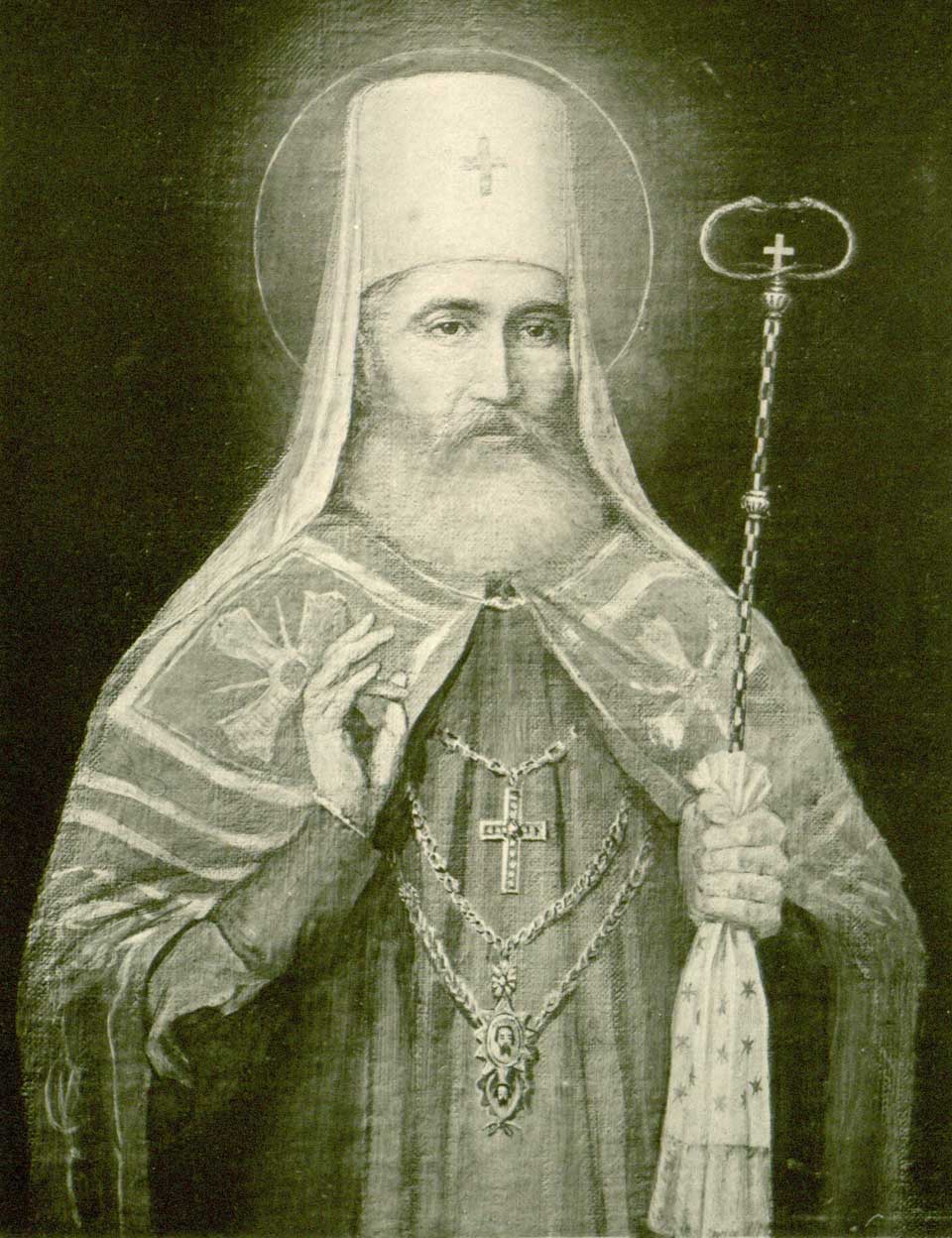


What people believe
The worldview assumes a dual existence where the soul can act independently of the body. Demonic figures, such as the ala in Bulgarian tradition, were seen as bringers of destructive weather. The cosmos was viewed as a battlefield where spiritual forces competed for control over natural phenomena and agricultural wealth.
When it is done
Activity was often tied to specific times of year when winds were strong. In Montenegro, battles frequently occurred during the Nativity Fast from November to December. Other active periods included mid-February to late March. Some accounts suggested fights happened only at night or during spring storms. There were no fixed annual festivals, but rather reactions to immediate weather threats.
Questions people ask about Zduhać
What is a zduhać?
A zduhać is a figure in South Slavic folklore believed to have the innate ability to protect his village from storms. His soul travels during sleep to battle demonic weather-bringers, ensuring good harvests for his community.
Where does the belief originate?
The tradition is found in Serbia, Montenegro, Bulgaria, and Albania. The name likely comes from Old Slavonic or Albanian words for storm, reflecting the region's focus on agricultural protection from severe weather.
How do zduhaći fight?
They use natural objects like spindles, splinters, and charred wood sticks. Their souls leave their bodies during deep sleep to confront storm entities, often fighting bands of opposing zduhaći from rival regions.
What happens if a zduhać loses?
If defeated, the zduhać may fall ill or die. His village suffers poor harvests as the enemy captures their crop yield. A mortally wounded zduhać might recover if he exacts revenge on his attacker within eight days.
Good reading and sources
The facts on this page come from the Wikipedia article "Zduhać", written by its contributors and used under the CC BY-SA 4.0 licence, and from its Wikidata record (CC0). EveryJaadu rewrote the text in its own words, with AI assistance, and compares every page with the article to make sure no passage is copied. It may be reused under the same CC BY-SA 4.0 licence with a link back.
It may contain mistakes. Names and customs differ from one community to the next, and some knowledge is closed to outsiders and left out here. This page describes belief and practice. It does not say that any of it works, it is not a how-to, and it is not medical advice. If something is wrong, tell us. Last refreshed 2026-10-06.
More from Serbia
All the entries from Serbia 🇷🇸 Serbia and 5 moreVampire
An undead creature from folklore that feeds on the blood or life force of the livingBeing · Cursing and harm · Luck and prosperity Legendary
🇷🇸 Serbia and 5 moreVampire
An undead creature from folklore that feeds on the blood or life force of the livingBeing · Cursing and harm · Luck and prosperity Legendary
 🇫🇷 France and 5 moreWerewolf
A mythical shapeshifter that turns into a wolf, central to European witch-hunts and Gothic horror.Being · Cursing and harm · Wonder and entertainment Legendary
🇷🇸 Serbia and 1 moreDrekavacДрекавац
A South Slavic night creature born from unbaptised souls or sinnersBeing · Cursing and harm Legendary
🇫🇷 France and 5 moreWerewolf
A mythical shapeshifter that turns into a wolf, central to European witch-hunts and Gothic horror.Being · Cursing and harm · Wonder and entertainment Legendary
🇷🇸 Serbia and 1 moreDrekavacДрекавац
A South Slavic night creature born from unbaptised souls or sinnersBeing · Cursing and harm Legendary
 🇷🇺 Russia and 4 moreLady MiddayPoludnitsa
A Slavic noon spirit who watches over fields and punishes those who work during the hottest hours.Being · Cursing and harm · Protection Historical
🇷🇺 Russia and 4 moreLady MiddayPoludnitsa
A Slavic noon spirit who watches over fields and punishes those who work during the hottest hours.Being · Cursing and harm · Protection Historical
Related elsewhere
All being 🇮🇳 India and 1 moreNavagrahaनवग्रह
A group of nine celestial deities in Hinduism that govern fate and astrologyTradition · Protection · Luck and prosperity Living
🇧🇷 Brazil and 1 moreQuimbanda
An Afro-Brazilian religion focused on male and female street spirits for worldly mattersTradition · Protection · Luck and prosperity Living
🇮🇳 India and 1 moreNavagrahaनवग्रह
A group of nine celestial deities in Hinduism that govern fate and astrologyTradition · Protection · Luck and prosperity Living
🇧🇷 Brazil and 1 moreQuimbanda
An Afro-Brazilian religion focused on male and female street spirits for worldly mattersTradition · Protection · Luck and prosperity Living
 🇺🇸 United States and 2 moreLouisiana Voodoo
An African diasporic religion practiced in Louisiana from the 18th to early 20th centuriesTradition · Healing · Protection Historical
🇵🇪 Peru and 1 moreSupay
An Andean spirit of the underworld who balances life and death forcesBeing · Cursing and harm · Protection Historical
🇺🇸 United States and 2 moreLouisiana Voodoo
An African diasporic religion practiced in Louisiana from the 18th to early 20th centuriesTradition · Healing · Protection Historical
🇵🇪 Peru and 1 moreSupay
An Andean spirit of the underworld who balances life and death forcesBeing · Cursing and harm · Protection Historical