
Hippomancy
from Greek hippos (horse) and manteia (divination)
Divination through the movements, sounds, and tracks of horses
Hippomancy is a form of divination that interprets the actions, neighs, or traces of horses to foresee events. It was widespread among Indo-European cultures from antiquity through the Middle Ages. Practitioners viewed the horse as a bridge between humans and the divine.
- Romans interpreted horse behavior before battles
- Persian king Darius used horse neighing for succession
- Germanic tribes kept sacred white horses in woods
- Slavic priests used crossed spears in horse rituals
- Horseshoes are linked to this ancient practice
What it is
Hippomancy is the practice of seeking knowledge about the future by observing horses. This includes reading their movements, listening to their neighs, examining their footprints, or analyzing their bones. The horse is traditionally seen as a messenger or intermediary between people and the gods. While some forms involve live animals, others use objects like horseshoes or dream imagery. The practice relies on interpreting these signs as omens for war, health, or prosperity.
Where it comes from
The custom appears across many Indo-European groups in ancient times. Historical records mention its use among Romans, Persians, Celts, Germanic tribes, and Slavic communities. Scholars suggest it may have roots in early animism or enthronement rituals. Christian authorities later opposed these pagan practices, leading to their decline in Europe. Some elements survived in folk beliefs and rural traditions well into the modern era.
How it is done
Rituals varied by culture but often involved sacred white horses kept in forests or temples. In Germanic rites, horses were harnessed to chariots, and their neighing or stepping patterns were read. Slavic priests used crossed spears, watching if the horse stepped over them or hit them with its hooves. Persian accounts describe letting horses decide kingship by who neighed first at dawn. Dream interpretation also played a role, where seeing a horse signaled specific future events.
Tools and materials
Key tools included pure white horses, sacred chariots, and temple settings. Horseshoes became associated with luck and protection. Horse skulls were sometimes unearthed or consulted as oracles. Crossed spears served as obstacles in Slavic rituals. The physical presence of the animal was central, though bones and dreams extended the practice beyond direct observation.
Hippomancy, drawn and placed
- Living
- Revived
- Fading
- Historical
- Legendary
- Performed
- Lineage
- Indo-European divination traditions
- Timing
- before military operations, at sunrise, during dreams
What it is for
People used hippomancy to predict military outcomes, choose leaders, and understand divine will. Roman generals sought signs before battle. Persian nobles relied on it for succession disputes. Celtic and Germanic communities consulted it for spiritual guidance. Today, it survives mainly in dream analysis and rural superstitions about horse behavior.
Who does it
Specialists known as hippomancers interpreted the signs. Priests often managed sacred horses in sanctuaries. In Persia, grooms might assist in manipulating outcomes. Military leaders consulted these readings before campaigns. The role required deep knowledge of animal behavior and ritual protocol, often passed down through generations or held by religious elites.
Peoples and places
The practice spanned diverse Indo-European cultures. Romans valued equine omens in warfare. Persians integrated it into royal legitimacy myths. Celts revered white horses in consecrated woods. Germanic tribes maintained oracle horses near shrines. Slavic groups used them in complex temple rituals involving spears and earth. These groups shared core ideas but developed distinct local customs.
At a glance: who, where and when
Who does it
Belief worlds
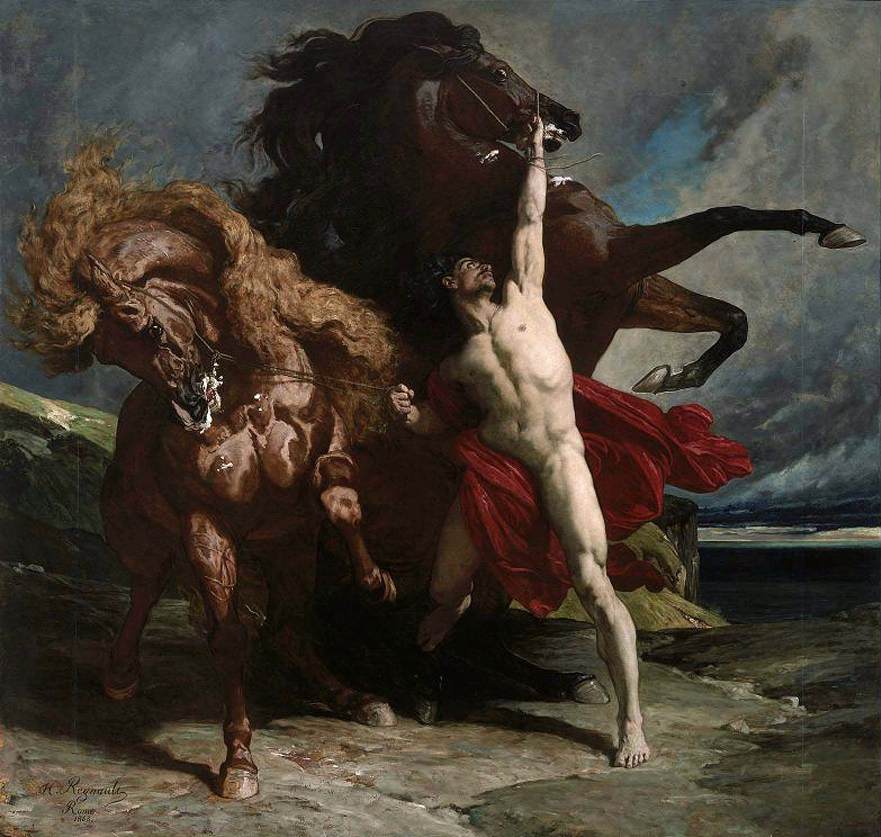


What people believe
Horses were believed to possess prophetic powers and act as confidants of the gods. They bridged the human and divine worlds. Their movements were not random but carried meaning. Sacred horses were often exempt from labor and fed by the state. The belief system viewed nature as communicative, with animals revealing hidden truths to those who knew how to listen.
When it is done
Readings occurred before major events like battles or political decisions. Persian rituals timed horse neighs to sunrise. Germanic practices happened before military expeditions. Dreams could trigger interpretations at any time. The practice was tied to life crises and transitions rather than fixed annual festivals.
Questions people ask about Hippomancy
What is hippomancy?
It is divination using horses. Practitioners read movements, sounds, or tracks to foresee events. The horse acts as a bridge between humans and gods.
Where did it originate?
It spread across Indo-European cultures. Records show its use among Romans, Persians, Celts, Germanic, and Slavic peoples in ancient times.
How was it practiced?
Methods varied. Romans watched horses bolt. Persians timed neighs at dawn. Germans observed chariot steps. Slavs checked spear crossings. All sought omens.
Is it still done today?
Direct ritual use has faded. Elements survive in dream interpretation and rural superstitions. Horseshoes remain popular lucky charms linked to its legacy.
Good reading and sources
The facts on this page come from the Wikipedia article "Hippomancy", written by its contributors and used under the CC BY-SA 4.0 licence, and from its Wikidata record (CC0). EveryJaadu rewrote the text in its own words, with AI assistance, and compares every page with the article to make sure no passage is copied. It may be reused under the same CC BY-SA 4.0 licence with a link back.
It may contain mistakes. Names and customs differ from one community to the next, and some knowledge is closed to outsiders and left out here. This page describes belief and practice. It does not say that any of it works, it is not a how-to, and it is not medical advice. If something is wrong, tell us. Last refreshed 2026-10-06.
More from Iran
All the entries from Iran 🇮🇪 Ireland and 5 moreBonfire
A large outdoor fire used in seasonal festivals and religious feasts across many culturesRite · Cleansing and purification · Speaking with spirits and the dead Living
🇮🇪 Ireland and 5 moreBonfire
A large outdoor fire used in seasonal festivals and religious feasts across many culturesRite · Cleansing and purification · Speaking with spirits and the dead Living
 🇮🇷 Iran and 5 moreKnocking on wood
A gesture of tapping wood to ward off bad luck or prevent tempting fateBelief · Protection · Luck and prosperity Living
🇮🇷 Iran and 5 moreKnocking on wood
A gesture of tapping wood to ward off bad luck or prevent tempting fateBelief · Protection · Luck and prosperity Living
 🇮🇳 India and 2 moreTrial by ordeal
An ancient judicial test where guilt or innocence was decided by surviving a painful physical trial.Rite · Cursing and harm Historical
🇮🇳 India and 2 moreTrial by ordeal
An ancient judicial test where guilt or innocence was decided by surviving a painful physical trial.Rite · Cursing and harm Historical
 🇷🇺 Russia and 3 moreFirebird
A glowing bird of Slavic folklore that brings both fortune and peril to those who seek itFigure · Wonder and entertainment · Luck and prosperity Legendary
🇷🇺 Russia and 3 moreFirebird
A glowing bird of Slavic folklore that brings both fortune and peril to those who seek itFigure · Wonder and entertainment · Luck and prosperity Legendary
Related elsewhere
All oracle 🇮🇳 India and 5 moreAstrology
A divinatory practice that reads human fate through the positions of celestial bodies.Belief · Seeing and foretelling · Luck and prosperity Living
🇮🇳 India and 5 moreAstrology
A divinatory practice that reads human fate through the positions of celestial bodies.Belief · Seeing and foretelling · Luck and prosperity Living
 🇮🇳 IndiaHindu astrologyज्योतिष (Jyotiṣa)
A traditional Hindu system of astrology and timekeeping rooted in the VedasTradition · Seeing and foretelling · Luck and prosperity Living
🇮🇳 IndiaHindu astrologyज्योतिष (Jyotiṣa)
A traditional Hindu system of astrology and timekeeping rooted in the VedasTradition · Seeing and foretelling · Luck and prosperity Living
 🇮🇳 India and 5 moreCowrie
A sea snail shell used as currency, divination tool, and charm across many culturesSubstance · Seeing and foretelling · Luck and prosperity Living
🇮🇳 India and 5 moreCowrie
A sea snail shell used as currency, divination tool, and charm across many culturesSubstance · Seeing and foretelling · Luck and prosperity Living
 🇺🇸 United States and 1 moreGroundhog DayGrund'sau dåk
A North American custom using a burrowing rodent to forecast the end of winterTradition · Seeing and foretelling · Luck and prosperity Living
🇺🇸 United States and 1 moreGroundhog DayGrund'sau dåk
A North American custom using a burrowing rodent to forecast the end of winterTradition · Seeing and foretelling · Luck and prosperity Living