
Amulet
from Latin amuletum, described by Pliny as an object that protects a person from trouble
A portable object worn or carried to ward off harm and invite protection.
An amulet is a physical item believed to shield its owner from danger or misfortune. The practice spans ancient Egypt, the Graeco-Roman world, West Asia, and Abrahamic traditions. Objects range from carved stones and metal sheets to written texts and blessed religious symbols.
- Oldest examples date to Egypt's Badarian Period
- Latin term amuletum means protective object
- Jewish tradition favors textual amulets
- Christian sacramentals require clerical blessing
- West Asian metal sheets inscribed with incantations
What it is
An amulet serves as a spiritual safeguard for its bearer. It is a tangible item intended to confer protection, grace, or good fortune. While often associated with jewelry like pendants, any durable object can function as one. These items are distinct from mere decorative pieces because they carry a specific intent to avert evil influences or ill luck. They appear across diverse cultures, from ancient civilizations to modern religious practices, serving as a bridge between the physical world and supernatural forces.
Where it comes from
The oldest known examples date to the predynastic Badarian Period in Egypt. The term derives from the Latin word amuletum, defined by Pliny the Elder as a protective device against trouble. Ancient Egyptians used them extensively for both the living and the dead to reaffirm cosmic fairness. The tradition spread to Greece and Rome, where it became linked to local religion and magic. In West Asia, flat metal sheets inscribed with incantations were popular in late antiquity.
How it is done
Amulets are typically worn on the body, such as around the neck or wrist, or placed near a person. In ancient Egypt, pregnant women wore Taweret figures to prevent miscarriage, switching to Bes figures after birth to protect infants. In West Asia, rolled metal sheets were placed in containers with loops for carrying. Jewish tradition emphasizes textual amulets containing divine names. Christian sacramentals require formal blessing by clergy to be considered effective.
Tools and materials
Materials vary widely based on availability and belief. Common substances include faience, stone, metal, bone, wood, and gold. Written words play a central role in Jewish and Islamic traditions, with texts inscribed on parchment or metal. Symbols like the ankh, Eye of Horus, and scarab beetle are frequent in Egyptian examples. Christian amulets often feature crosses or medals. Pendants may serve this function if imbued with protective intent.
Amulet, drawn and placed
- Living
- Revived
- Fading
- Historical
- Legendary
- Performed
- Lineage
- Islamic amulet
- Timing
- at birth, during illness, daily wear
What it is for
The primary goal is protection against harm, disease, and evil spirits. Amulets are also used to ensure good luck and fertility. In medical contexts, they complement practical treatments, especially where professional doctors were inaccessible. Parents use them to safeguard children from demons or the evil eye. Ill individuals may place them under beds or in baths for healing. They serve as reminders of faith and divine power.
Who does it
Households commonly create and wear amulets for daily protection. In some traditions, folk healers, seers, and midwives craft specialized items. Jewish miracle rabbis wrote textual amulets invoking divine names. Christian clergy bless sacramentals to authorize their protective power. Ancient Egyptian priests and magicians designed symbols representing gods. No single professional class monopolizes their creation across all cultures.
Peoples and places
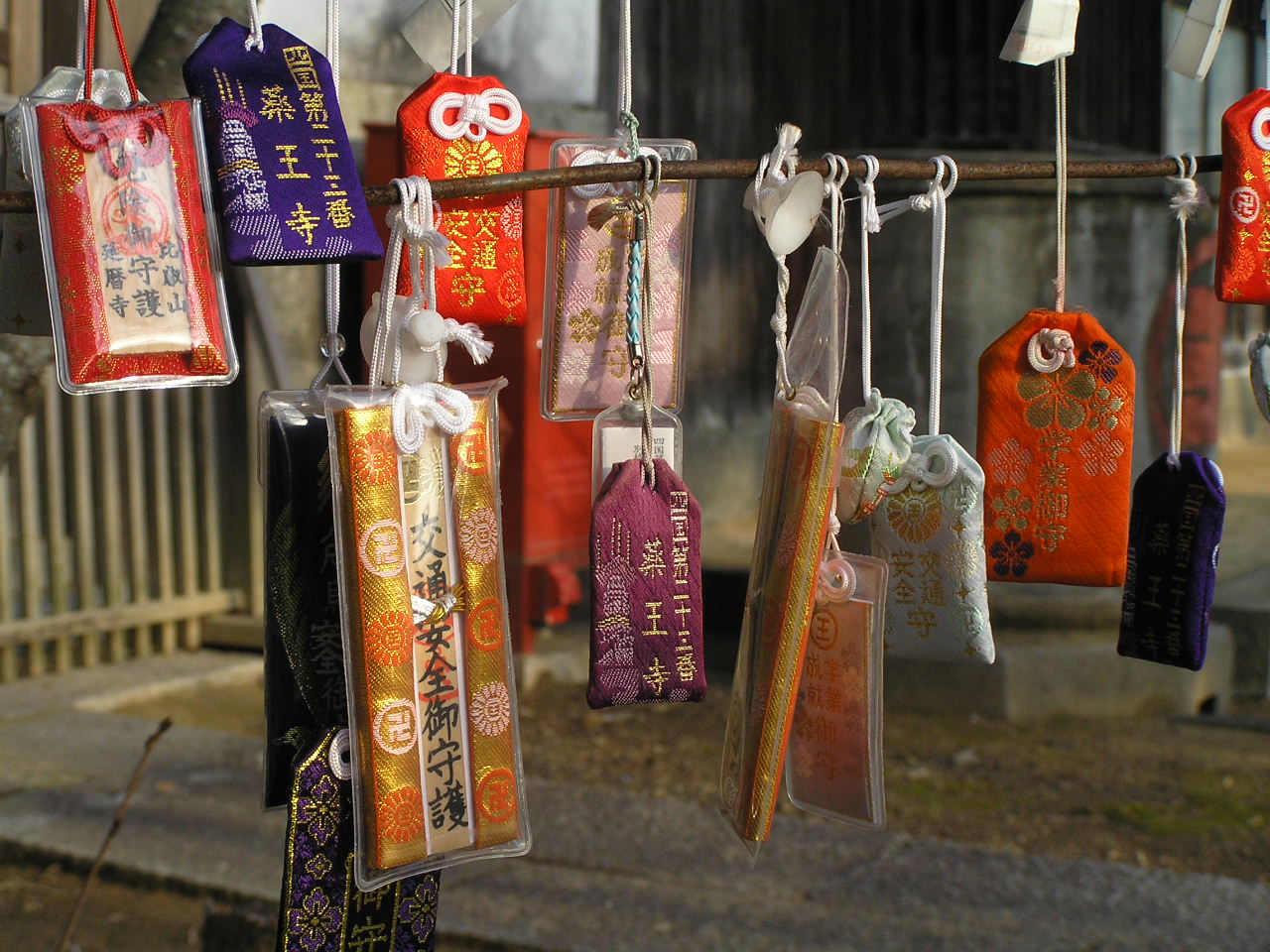
Ancient Egyptians used them extensively from the Badarian period through Roman times. Romans adopted Greek traditions, linking amulets to their religion. Jews emphasize textual forms due to prohibitions on idols. Christians utilize blessed objects like scapulars and medals. Muslims in West Asia historically used inscribed metal sheets. Korean Taoist rituals employ bujeok talismans in brocade bags. Chinese fulu calligraphy serves similar protective functions.
At a glance: who, where and when



What people believe
They are believed to channel divine power or repel malevolent entities. Their efficacy often depends on the wearer's faith or proper ritual handling. In Christianity, power derives from church blessing rather than inherent properties. Egyptian beliefs tied amulets to cosmic order and divine intervention. Jewish tradition holds that divine names carry intrinsic authority.
When it is done
Usage is often tied to life events rather than fixed calendar dates. Birth and childhood are key periods, with mothers wearing specific figures during pregnancy and infancy. Illness prompts temporary placement near the sick. Daily wear provides continuous protection. Some items are used during festivals or rites of passage. Timing varies by culture and specific purpose.
How scholars and sceptics see it
Anthropologists view amulets as expressions of cultural beliefs about safety and control. Historians trace their evolution from ancient artifacts to modern religious items. Skeptics attribute their perceived effectiveness to psychological comfort and coincidence. Scholars note the blurring line between religious sacramentals and folk magic. Research highlights the diversity of materials and forms across regions.
Cautions and what is closed
Misuse or counterfeit amulets can lead to fraud. Some historical figures faced accusations of using amulets for harmful purposes. Legal restrictions exist in certain regions regarding occult practices. Misunderstandings between amulets and decorative jewelry are common. Religious authorities sometimes warn against superstitious reliance on objects over prayer.
Compare and confuse
Amulets are often confused with pendants, which are primarily decorative. Talismans share similar meanings but may imply different origins of power. Phylacteries refer specifically to Jewish textual amulets or general protective devices. Devotional articles in Christianity overlap with amulets but require ecclesiastical blessing. Regional variations include Korean bujeok and Chinese fulu.
Rites that involve Amulet
Questions people ask about Amulet
What is an amulet?
An amulet is a portable object believed to protect its wearer from harm, evil, or misfortune. It can be made from various materials and often carries symbolic or textual elements.
Where do amulets originate?
Amulets have ancient origins, with the earliest examples found in predynastic Egypt. The concept spread globally through trade and cultural exchange, adapting to local beliefs.
How are amulets different from pendants?
While pendants are primarily decorative jewelry, amulets are specifically intended for protection. A pendant may function as an amulet if it carries protective intent.
Do amulets work?
Believers hold that amulets provide spiritual protection. Skeptics attribute their effects to psychological comfort. Efficacy is viewed as dependent on faith and cultural context.
What materials are used?
Amulets use diverse materials including stone, metal, bone, wood, and paper. Textual amulets contain inscribed words or symbols believed to carry power.
Good reading and sources
The facts on this page come from the Wikipedia article "Amulet", written by its contributors and used under the CC BY-SA 4.0 licence, and from its Wikidata record (CC0). EveryJaadu rewrote the text in its own words, with AI assistance, and compares every page with the article to make sure no passage is copied. It may be reused under the same CC BY-SA 4.0 licence with a link back.
It may contain mistakes. Names and customs differ from one community to the next, and some knowledge is closed to outsiders and left out here. This page describes belief and practice. It does not say that any of it works, it is not a how-to, and it is not medical advice. If something is wrong, tell us. Last refreshed 2026-10-06.
More from Egypt
All the entries from Egypt 🇪🇬 Egypt and 3 moreAmulet
A portable object worn or carried to ward off harm and invite fortuneCharm · Protection · Luck and prosperity Living
🇪🇬 Egypt and 3 moreAmulet
A portable object worn or carried to ward off harm and invite fortuneCharm · Protection · Luck and prosperity Living
 🇪🇬 EgyptAbraxasἈβράξας
A Gnostic archon and the name on ancient protective gemstonesBeing · Protection Historical
🇪🇬 EgyptAbraxasἈβράξας
A Gnostic archon and the name on ancient protective gemstonesBeing · Protection Historical
 🇪🇬 Egypt and 5 moreTalisman
An object believed to channel specific forces for protection, healing, or influence.Charm · Protection · Healing Historical
🇪🇬 Egypt and 5 moreTalisman
An object believed to channel specific forces for protection, healing, or influence.Charm · Protection · Healing Historical
 🇮🇱 Israel and 5 moreTefillinתְּפִלִּין
Black leather boxes containing Torah scrolls, worn by Jewish men during weekday prayers.Charm · Speaking with spirits and the dead · Protection Living
🇮🇱 Israel and 5 moreTefillinתְּפִלִּין
Black leather boxes containing Torah scrolls, worn by Jewish men during weekday prayers.Charm · Speaking with spirits and the dead · Protection Living
Related elsewhere
All charm 🇨🇳 China and 5 moreGuanyin觀音 (Guānyīn)
The Bodhisattva of compassion, worshipped across East Asia as a listener to human sufferingBeing · Protection · Healing Living
🇨🇳 China and 5 moreGuanyin觀音 (Guānyīn)
The Bodhisattva of compassion, worshipped across East Asia as a listener to human sufferingBeing · Protection · Healing Living
 🇨🇳 China and 2 moreEight Immortals八仙
Eight legendary Taoist figures of China, each with a power and a vesselFigure · Protection · Healing Living
🇨🇳 China and 2 moreEight Immortals八仙
Eight legendary Taoist figures of China, each with a power and a vesselFigure · Protection · Healing Living
 🇹🇭 Thailand and 3 moreThai Buddha amuletsพระเครื่อง (phrakhrueang)
Sacred Buddhist images and relics worn for protection, merit, and fortune in Thailand.Charm · Protection · Luck and prosperity Living
🇹🇭 Thailand and 3 moreThai Buddha amuletsพระเครื่อง (phrakhrueang)
Sacred Buddhist images and relics worn for protection, merit, and fortune in Thailand.Charm · Protection · Luck and prosperity Living
 🇮🇹 Italy and 5 morePrecious coral
A marine skeleton harvested for jewelry and worn as a protective charm in several culturesSubstance · Protection · Healing Living
🇮🇹 Italy and 5 morePrecious coral
A marine skeleton harvested for jewelry and worn as a protective charm in several culturesSubstance · Protection · Healing Living