
Fukusuke
In its own language: 福助
from fuku no kami, the god of luck
A kneeling Japanese doll believed to bring wealth and honor
Fukusuke is a traditional Japanese doll depicting a kneeling man with a large head. It originated in the Edo period as a luck charm for tea houses. Today it serves as a common symbol of prosperity in business.
- Kneeling man with large head and topknot
- Originated in Edo period tea houses
- Symbolizes wealth, honor, and perennial youth
- Often wears a kataginu vest
- Featured on Beatles Sgt Pepper album cover
What it is
Fukusuke refers to a specific type of traditional doll found in Japan. The figure shows a man kneeling in the seiza position. He has a disproportionately large head and wears his hair in a topknot. This image acts as a lucky symbol for those who display it. People believe the doll brings perennial youth and wealth. It stands as a recognizable icon of good fortune in modern society.
Where it comes from
The doll first appeared during the Edo period. It was originally placed in tea houses and brothels to attract good luck. Some accounts link the figure to a Kyoto daimyō. Others trace its roots to Kanō Fukusuke, a kami of luck. The exact historical origin remains unclear among scholars and practitioners.
How it is done
The doll is typically displayed upright on shelves or counters. It often wears a kataginu, a vest with exaggerated shoulders. This garment style was once worn by samurai and court officials. The figure itself does not require active ritual use. It functions as a static object of reverence or decoration.
Tools and materials
Manufacturers create these dolls from Chinese porcelain. Artisans also produce handcrafted versions using various materials. The defining visual tool is the kataginu vest. The vest signals status and connects the figure to historical attire. The large head emphasizes the doll's symbolic presence.
Fukusuke, drawn and placed
- Living
- Revived
- Fading
- Historical
- Legendary
- Performed
- Lineage
- Japanese folk tradition
- Timing
- displayed in businesses
What it is for
Business owners place Fukusuke dolls to invite prosperity. The figure is said to bring wealth and honor to an establishment. It helps maintain an atmosphere of perpetual youth. Customers and staff may view the doll as a protective presence. It serves as a general talisman for commercial success.
Who does it
Ordinary households and shopkeepers display these dolls. No special training is required to own one. The figures are mass-produced or handmade by artisans. They are treated as common decorative items rather than sacred relics. Anyone can purchase and display them in their home or store.
Peoples and places
The tradition belongs to the culture of Japan. It is widely recognized across the country. The doll appears in both historical contexts and modern shops. Its imagery resonates with Japanese concepts of luck. It shares cultural space with other symbols like the Daruma and Tanuki.
At a glance: who, where and when


What people believe
Practitioners hold that the doll embodies the spirit of luck. The name links it to the fuku no kami. Believers think the figure actively influences fortune. It represents a connection to past deities and social status. The belief system relies on the power of symbols rather than complex theology.
When it is done
There are no specific festivals tied to this doll. It is displayed year-round in businesses. The figure does not have a dedicated holy day. Its presence is constant rather than seasonal. It serves as a permanent fixture in many establishments.
How scholars and sceptics see it
Historians study the doll's evolution from the Edo period. Anthropologists examine its role in commercial spaces. Scholars note the ambiguity of its origins. Some link it to specific historical figures. Others see it as a generic representation of luck. Research focuses on its cultural significance rather than magical efficacy.
Cautions and what is closed
No significant harms are associated with the doll. It is a benign cultural object. There are no risks of fraud related to its display. The doll is safe for public viewing. It does not involve dangerous rituals or substances.
Compare and confuse
Fukusuke is often compared to the Maneki-neko. Both are popular Japanese luck charms. It differs from the Daruma, which is a round doll. The Tanuki is another similar figure but looks different. These symbols all share themes of prosperity and protection.
Law and persecution
There are no legal restrictions on displaying Fukusuke dolls. They are freely sold in markets and shops. The government does not regulate their use. They are considered part of Japan's cultural heritage. No persecution or suppression has been recorded.
Questions people ask about Fukusuke
What is a Fukusuke doll?
It is a traditional Japanese doll depicting a kneeling man with a large head. It serves as a lucky symbol believed to bring wealth and honor to those who display it.
Where did the Fukusuke doll originate?
The doll originated in Japan during the Edo period. It was initially used in tea houses and brothels to attract good luck and prosperity.
Why do businesses display Fukusuke dolls?
Businesses display them to invite wealth and honor. People believe the doll brings perennial youth and protects the establishment from bad fortune.
Good reading and sources
- Fukusuke on WikipediaEncyclopedia
- More photos on Wikimedia CommonsPhotos and video
- Wikidata recordOpen data
The facts on this page come from the Wikipedia article "Fukusuke", written by its contributors and used under the CC BY-SA 4.0 licence, and from its Wikidata record (CC0). EveryJaadu rewrote the text in its own words, with AI assistance, and compares every page with the article to make sure no passage is copied. It may be reused under the same CC BY-SA 4.0 licence with a link back.
It may contain mistakes. Names and customs differ from one community to the next, and some knowledge is closed to outsiders and left out here. This page describes belief and practice. It does not say that any of it works, it is not a how-to, and it is not medical advice. If something is wrong, tell us. Last refreshed 2026-10-06.
More from Japan
All the entries from Japan 🇯🇵 JapanOfudaお札/御札 (ofuda)
Paper and wooden talismans from Japanese Shinto shrines and Buddhist templesCharm · Protection · Cleansing and purification Living
🇯🇵 JapanOfudaお札/御札 (ofuda)
Paper and wooden talismans from Japanese Shinto shrines and Buddhist templesCharm · Protection · Cleansing and purification Living
 🇯🇵 JapanOmamori御守/お守り
Japanese amulets from shrines and temples for luck and protectionCharm · Protection · Luck and prosperity Living
🇯🇵 JapanOmamori御守/お守り
Japanese amulets from shrines and temples for luck and protectionCharm · Protection · Luck and prosperity Living
 🇨🇳 China and 1 moreFulu符籙
Taoist talismans with cryptic symbols used for healing and protectionCharm · Healing · Protection Living
🇨🇳 China and 1 moreFulu符籙
Taoist talismans with cryptic symbols used for healing and protectionCharm · Healing · Protection Living
 🇨🇳 China and 5 moreChinese guardian lions石獅 (shíshī)
Stone lion pairs placed at entrances to ward off harm and welcome fortuneCharm · Protection · Luck and prosperity Living
🇨🇳 China and 5 moreChinese guardian lions石獅 (shíshī)
Stone lion pairs placed at entrances to ward off harm and welcome fortuneCharm · Protection · Luck and prosperity Living
Related elsewhere
All charm 🇮🇳 India and 5 moreAstrology
A divinatory practice that reads human fate through the positions of celestial bodies.Belief · Seeing and foretelling · Luck and prosperity Living
🇮🇳 India and 5 moreAstrology
A divinatory practice that reads human fate through the positions of celestial bodies.Belief · Seeing and foretelling · Luck and prosperity Living
 🇫🇷 FranceHoly GrailSaint Graal
A cup or stone from Arthurian tales that grants healing and eternal lifeFigure · Healing · Luck and prosperity Legendary
🇫🇷 FranceHoly GrailSaint Graal
A cup or stone from Arthurian tales that grants healing and eternal lifeFigure · Healing · Luck and prosperity Legendary
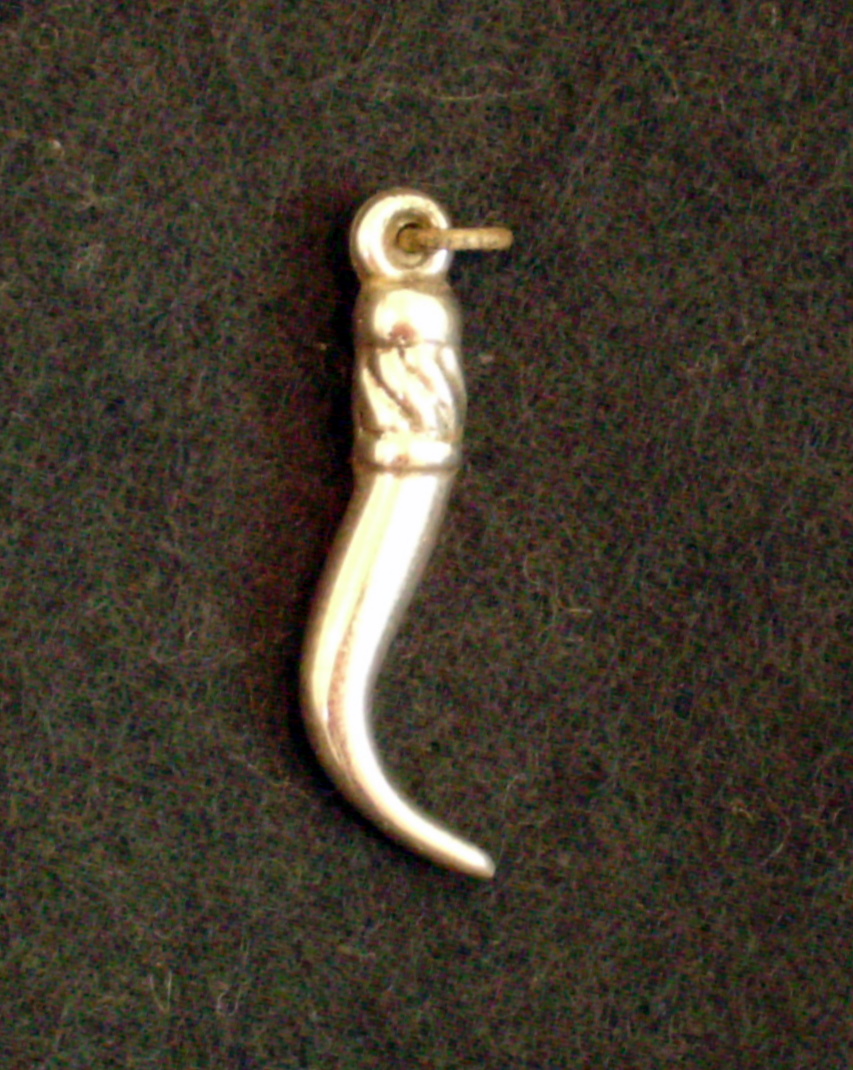 🇮🇹 ItalyCornicello
A twisted horn charm worn in Italy to ward off the evil eye and invite luck.Charm · Protection · Luck and prosperity Living
🇮🇹 ItalyCornicello
A twisted horn charm worn in Italy to ward off the evil eye and invite luck.Charm · Protection · Luck and prosperity Living
 🇮🇳 India and 1 moreGarba
A Gujarati circle dance performed around a central symbol during NavaratriIllusion · Power and authority · Luck and prosperity Living
🇮🇳 India and 1 moreGarba
A Gujarati circle dance performed around a central symbol during NavaratriIllusion · Power and authority · Luck and prosperity Living