
Vietnamese numismatic charms
In its own language: Bùa Việt Nam
from the shape resembling circulating cash coins
Coin-shaped charms used for protection, luck, and ritual in Vietnamese culture
Vietnamese numismatic charms are coin-like objects inspired by Chinese cash coins but adapted to local customs. They serve as protective amulets, temple tokens, and commemorative items believed to ward off evil spirits and bring good fortune.
- Derived from Chinese Yansheng coins but adapted for Vietnamese customs
- Used as temple tokens, imperial souvenirs, and everyday protective amulets
- Inscriptions include Sanskrit, Taoist magic writing, and Confucian phrases
- Five Poisons charms ward off illness during the Double Five Day festival
- Bat-shaped gong charms symbolize happiness through linguistic puns
What it is
Vietnamese numismatic charms are a family of coin-shaped objects that resemble traditional cash coins. They are derived from Chinese numismatic charms but have evolved to fit Vietnamese cultural practices. These items function as everyday charms, temple tokens, and imperial palace souvenirs. They are believed to possess magical power, such as the ability to curse evil spirits or protect the wearer. Some charms contain inscriptions from real circulating coins, while others feature unique imagery or pseudo-scripts.
Where it comes from
The tradition stems from Chinese numismatic charms, also known as Yansheng coins or huāqián. Japanese and Korean variants share this lineage. The Vietnamese forms developed around local customs, blending Chinese influences with indigenous beliefs. During the Vietnam War era, many charms were produced as souvenirs for foreigners, often bearing inscriptions of authentic historical coins or fantasy designs. This period saw a surge in production, particularly in cities like Saigon and Hue.
How it is done
These charms are worn or carried as personal talismans. In temples, they may be used as offerings or tokens. Taoist masters might incorporate them into ceremonies, though paper amulets are more common for such rites. Open-work charms with dragon motifs are displayed for their symbolic protection. Marriage charms are exchanged or kept to symbolize union and longevity. The method of use is passive: carrying, wearing, or displaying the object to invite its intended effect.
Tools and materials
Materials include brass, plastic, and metal alloys. Inscriptions appear in Chữ Hán, Chữ Nôm, Devanagari, Latin, and Taoist magic writing. Common symbols include dragons, phoenixes, fish, lotus flowers, and the Bagua trigrams. Scripts may contain Sanskrit syllables, Buddhist prayers, or Confucian phrases. The bat shape on gong-shaped charms represents happiness through linguistic puns.
Vietnamese numismatic charms, drawn and placed
- Living
- Revived
- Fading
- Historical
- Legendary
- Performed
- Lineage
- Chinese numismatic charm tradition
- Timing
- during festivals, weddings, and daily use
What it is for
Charms are used to protect against evil spirits, bogies, and illness. They bring luck, wealth, and long life. Marriage charms promote harmony and fertility. Some are used for divination or fortune telling. Others commemorate significant events, such as an emperor's birthday. The Five Poisons charms specifically ward off illnesses associated with the hottest days of the year.
Who does it
Ordinary households use these charms for daily protection and luck. Taoist masters may employ them in ceremonial contexts. Scholars study them as historical artifacts and numismatic objects. There is no single priestly class dedicated solely to these charms; they are integrated into broader folk and religious practices.
Peoples and places
The primary users are Vietnamese people, whose traditions blend Chinese, Buddhist, and Daoist elements. Similar charms exist in China, Japan, and Korea, reflecting shared cultural roots. Vietnamese charms often feature unique local adaptations, such as specific inscriptions or shapes like the bat-shaped gong. The tradition spans imperial history to modern souvenir production.
At a glance: who, where and when
Peoples
Occasions
What people believe
Beliefs center on the power of inscriptions and symbols to influence reality. Sanskrit syllables are thought to purify realms. Dragon and phoenix motifs represent cosmic balance and imperial authority. The Five Poisons concept links certain creatures to illness, which charms counteract. Daoist Yin and Yang symbols ensure harmony. The belief is that these objects channel protective or auspicious forces when properly held or displayed.
When it is done
Charms are used during weddings, festivals, and daily life. The Double Five Day (fifth day of the fifth lunar month) sees the use of Five Poisons charms to ward off heat-related illness. Emperor Lê Hiển Tông's 60th birthday prompted the casting of special Vạn Thọ Thông Bảo charms. The Dragon Boat Festival period also influences the design of some protective amulets.
How scholars and sceptics see it
Scholars view these charms as part of the broader East Asian numismatic tradition. They analyze inscriptions for linguistic and religious significance. Historians note the impact of colonial and wartime periods on production styles. Researchers distinguish between official currency, counterfeit money, and non-monetary charms. The fusion of scripts and symbols provides insight into cross-cultural religious exchange.
Cautions and what is closed
Some charms were produced as replicas or fakes during the Vietnam War, potentially misleading collectors. No specific health or legal risks are associated with the charms themselves. However, the commercialization of these items during wartime may have affected their authenticity and cultural value. Closed knowledge within Taoist or Buddhist orders may restrict access to certain esoteric designs.
Compare and confuse
Vietnamese charms are closely related to Chinese, Japanese, and Korean numismatic charms. They share origins in Chinese Yansheng coins. Differences lie in local inscriptions, symbols, and shapes. For example, the bat-shaped gong is a distinct Vietnamese variant. Marriage charms across these cultures often feature similar motifs like fish and dragons.
Questions people ask about Vietnamese numismatic charms
What are Vietnamese numismatic charms?
They are coin-shaped objects inspired by Chinese cash coins, used in Vietnam as protective amulets, temple tokens, and commemorative items. They are believed to ward off evil spirits and bring good fortune.
Where do these charms originate?
They originate from the Chinese numismatic charm tradition, specifically Yansheng coins. Vietnamese artisans adapted these designs to reflect local cultural and religious practices over centuries.
What materials are used to make them?
Traditional charms are made of brass or other metals. Modern versions may use plastic. Inscriptions appear in various scripts, including Chữ Hán, Devanagari, and Latin.
What is the purpose of the Five Poisons charms?
These charms depict five noxious creatures and are worn during the Double Five Day festival to ward off illnesses and evil spirits associated with the hottest time of the year.
Good reading and sources
- Vietnamese numismatic charm on WikipediaEncyclopedia
- More photos on Wikimedia CommonsPhotos and video
- Wikidata recordOpen data
The facts on this page come from the Wikipedia article "Vietnamese numismatic charm", written by its contributors and used under the CC BY-SA 4.0 licence, and from its Wikidata record (CC0). EveryJaadu rewrote the text in its own words, with AI assistance, and compares every page with the article to make sure no passage is copied. It may be reused under the same CC BY-SA 4.0 licence with a link back.
It may contain mistakes. Names and customs differ from one community to the next, and some knowledge is closed to outsiders and left out here. This page describes belief and practice. It does not say that any of it works, it is not a how-to, and it is not medical advice. If something is wrong, tell us. Last refreshed 2026-10-06.
More from Vietnam
All the entries from Vietnam 🇹🇭 Thailand and 7 moreSpirit house
A small roofed shrine that shelters a place's protective spiritCharm · Protection Living
🇹🇭 Thailand and 7 moreSpirit house
A small roofed shrine that shelters a place's protective spiritCharm · Protection Living
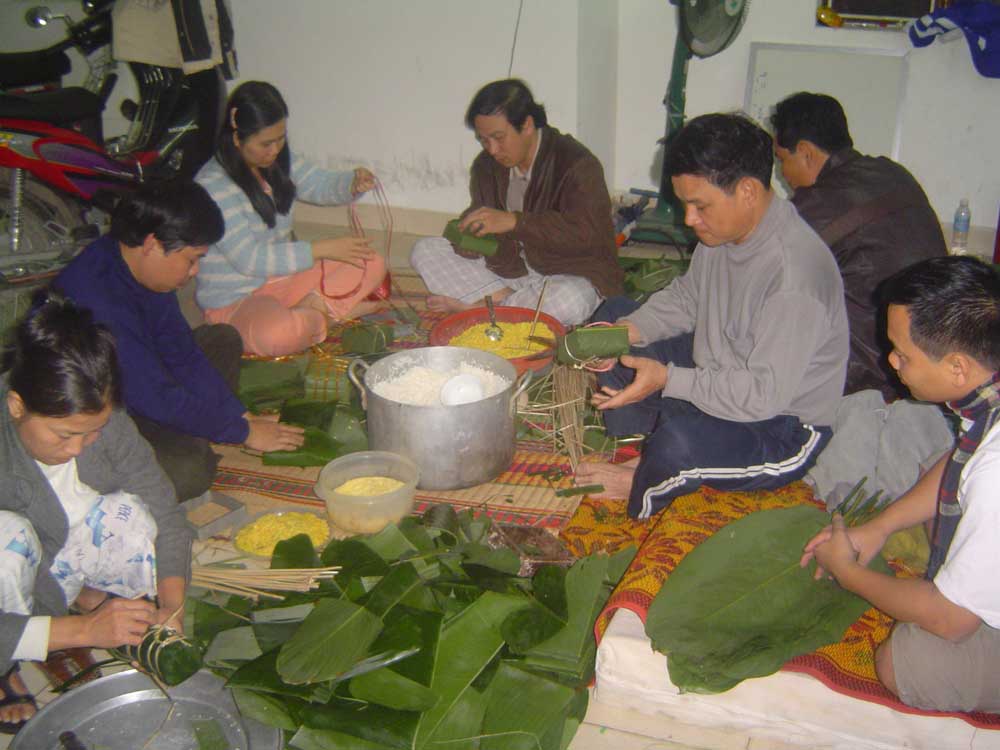 🇻🇳 Vietnam and 5 moreTếtTết Nguyên Đán
The Vietnamese lunisolar new year and the most important annual celebration in VietnamTradition · Luck and prosperity · Speaking with spirits and the dead Living
🇻🇳 Vietnam and 5 moreTếtTết Nguyên Đán
The Vietnamese lunisolar new year and the most important annual celebration in VietnamTradition · Luck and prosperity · Speaking with spirits and the dead Living
 🇲🇾 Malaysia and 5 morePenanggalan
A floating head with trailing organs from Malay folklore, said to hunt pregnant women and newborns.Being · Cursing and harm Legendary
🇲🇾 Malaysia and 5 morePenanggalan
A floating head with trailing organs from Malay folklore, said to hunt pregnant women and newborns.Being · Cursing and harm Legendary
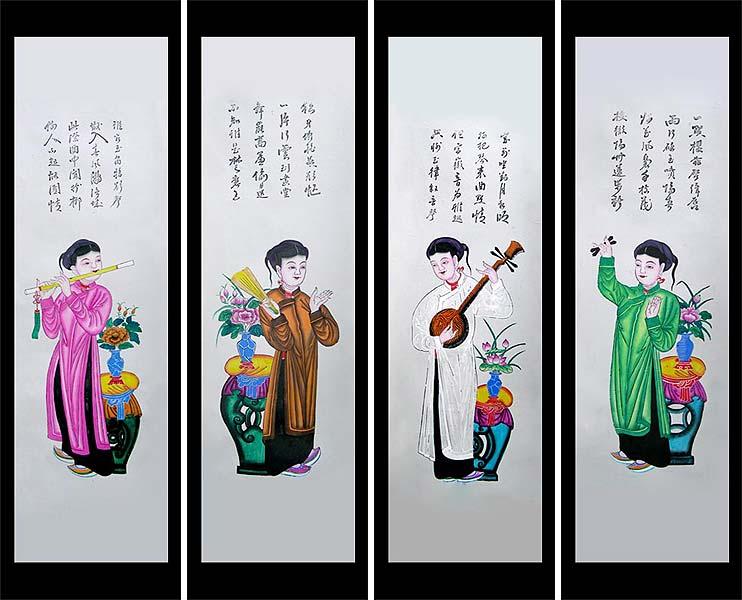 🇻🇳 Vietnam and 1 moreVietnamese folk religiontín ngưỡng dân gian Việt Nam
A collection of local spirit worship and ancestral veneration in VietnamTradition · Protection · Healing Living
🇻🇳 Vietnam and 1 moreVietnamese folk religiontín ngưỡng dân gian Việt Nam
A collection of local spirit worship and ancestral veneration in VietnamTradition · Protection · Healing Living
Related elsewhere
All charm 🇬🇧 United Kingdom and 1 moreWell dressing
A rural English custom of decorating water sources with natural designsTradition · Protection · Speaking with spirits and the dead Living
🇳🇿 New ZealandKarakia
Māori recitations used for spiritual guidance, protection, and formal greetingsTradition · Protection · Speaking with spirits and the dead Living
🇬🇧 United Kingdom and 1 moreWell dressing
A rural English custom of decorating water sources with natural designsTradition · Protection · Speaking with spirits and the dead Living
🇳🇿 New ZealandKarakia
Māori recitations used for spiritual guidance, protection, and formal greetingsTradition · Protection · Speaking with spirits and the dead Living
 🇪🇬 Egypt and 2 moreLibation
The ritual pouring of liquid as an offering to spirits or the deadRite · Speaking with spirits and the dead · Protection Living
🇪🇬 Egypt and 2 moreLibation
The ritual pouring of liquid as an offering to spirits or the deadRite · Speaking with spirits and the dead · Protection Living