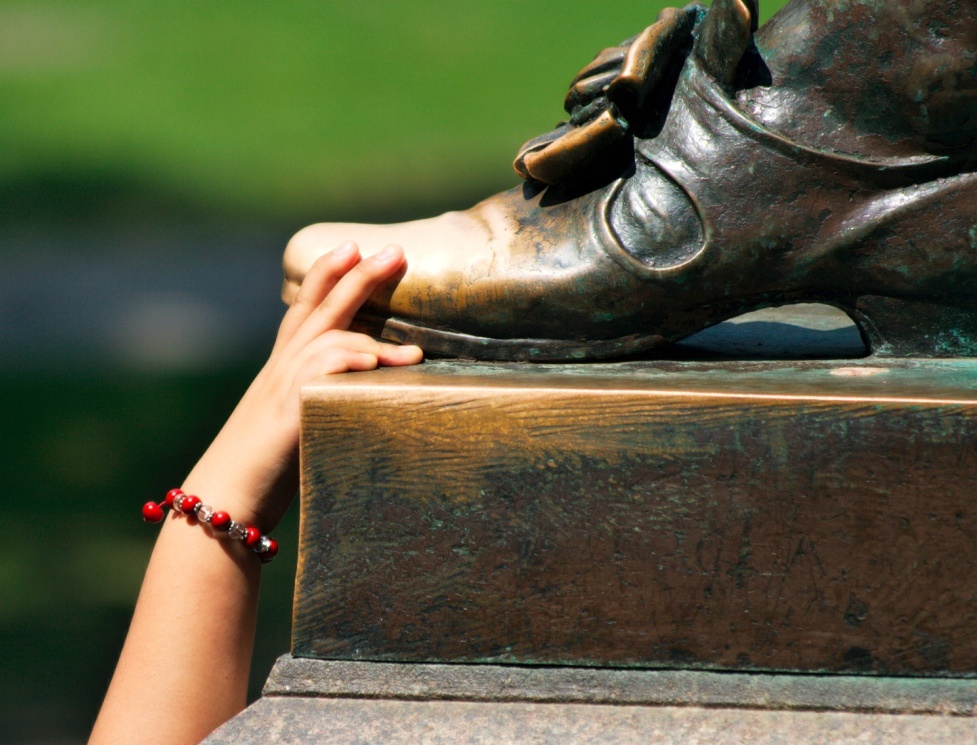
Statue rubbing is a widespread superstition where visitors touch specific parts of public sculptures. People believe this physical contact brings good fortune, improves romantic prospects, or ensures they will come back to the city.
- Rubbing noses or feet brings good luck.
- Touching genitals aims to improve fertility.
- Causes erosion and bacterial infections.
- Found in Europe, Asia, and North America.
- No training required to participate.
What it is
This practice involves physically touching a part of a public statue. It is a common activity among travelers and tourists. The act is rooted in folk belief rather than formal religion. People touch protruding features like noses, feet, or hands. They also touch intimate areas such as breasts or genitals on some figures. The goal is to secure a specific benefit from the contact. Common desires include general good luck, success in love, or a promise to return to the location. It is a simple gesture with deep cultural roots in many cities.
Where it comes from
The custom appears across various cultures globally. In some Asian traditions, it may link to images of Budai, or the Laughing Buddha. One theory suggests a connection to a specific statue in the Lingyin Temple. However, the practice is not limited to one origin. It has evolved independently in many places. Tourists adopted these local customs over time. The behavior spreads through word of mouth and guidebooks. It is now a standard part of visiting famous monuments worldwide.
How it is done
Visitors locate the specific part of the statue associated with the desired outcome. They then rub, kiss, or press their hand against that area. For example, one might rub the nose of a bust for luck. Others might place a coin in the mouth of a bronze animal. Some rituals require leaving flowers or kissing the figure. The action is usually quick and done in public. It requires no special tools or preparation. The physical contact is the entire ritual.
Tools and materials
The only tool required is the statue itself. Specific parts are targeted based on tradition. Noses are common targets for luck. Feet often represent safe travel or return visits. Genitals or breasts are touched for fertility or love. Coins are sometimes used alongside the touch, placed in mouths or pockets. Flowers may be left at the base. These items enhance the symbolic power of the touch.
Statue rubbing, drawn and placed
- Living
- Revived
- Fading
- Historical
- Legendary
- Performed
- Lineage
- folk superstition
- Timing
- during visits
What it is for
People perform this rite to influence their future. They seek protection from bad luck during travel. Many hope to improve their romantic relationships. Others want to ensure they will revisit a beloved city. Students or job seekers might seek general success. The intent is always personal and immediate. It is a way to feel connected to a distant place. The belief provides comfort and a sense of control.
Who does it
Anyone can participate in this practice. It does not require training or initiation. Tourists are the primary practitioners. Locals may also join in, especially if they grew up with the custom. No specific gender or age group is excluded. It is a democratic form of magic. The barrier to entry is simply being present at the site.
Peoples and places
The custom is found in many countries. It is prominent in European cities like Rome, Florence, and Prague. In Asia, it appears near Buddhist sites. North American locations also feature these traditions. Different cultures have different target areas on statues. Some focus on heads, others on feet. The specific beliefs vary by region. However, the core idea of lucky touch remains universal among participants.
At a glance: who, where and when
Who does it
Peoples
Belief worlds
Occasions
What people believe
The underlying worldview assumes statues hold spiritual power. This power can be transferred through touch. Rubbing it activates this latent energy. The energy responds to human desire. Good intentions are often thought necessary for the magic to work. The belief system is informal and lacks dogma. It relies on anecdotal evidence and shared stories.
When it is done
There are no fixed dates for this practice. It happens whenever a person visits a monument. It is tied to travel and tourism seasons. Holidays may see increased activity. There are no lunar phases or religious festivals involved. The timing is entirely dependent on the visitor's schedule.
How scholars and sceptics see it
Anthropologists view this as a modern folk ritual. It shows how people adapt magical thinking to urban spaces. Psychologists see it as a coping mechanism for uncertainty. Sceptics dismiss it as mere coincidence. Historians note its long-standing presence in various forms. Researchers study its impact on heritage sites. The practice is analyzed as a social phenomenon rather than a supernatural one.
Cautions and what is closed
The practice causes physical damage to statues. Erosion wears away details over time. Many sites have had to replace originals with replicas. Some locations ban touching to preserve the art. Health risks exist due to bacterial infections. Public surfaces harbor germs that can cause illness. Authorities warn visitors about these dangers. The conflict between belief and preservation is ongoing.
Compare and confuse
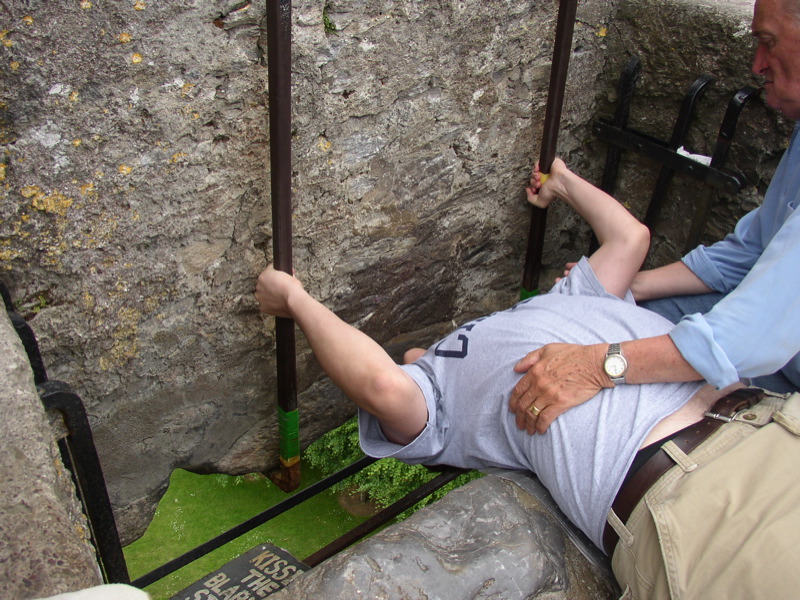
This differs from kissing the Blarney Stone in Ireland. That ritual requires leaning backward and holding onto a railing. Statue rubbing is simpler and more direct. It also resembles placing a hand in the Bocca della Verità mask in Rome. Both involve testing truth or gaining eloquence. However, statue rubbing focuses more on luck and love than speech.
Law and persecution
Many cities have laws restricting physical contact with monuments. Signs often prohibit touching to prevent damage. Enforcement varies by location. Some sites use guards to stop violators. Others rely on education and awareness. The legal status balances heritage protection with tourist freedom. Violations may result in fines or removal.
Questions people ask about Statue rubbing
What is statue rubbing?
It is a folk custom where tourists touch parts of public statues. They believe this brings good luck, love, or ensures a return visit to the city.
Where did this tradition start?
It likely originated from Asian traditions involving Budai statues. One theory links it to the Laughing Buddha in the Lingyin Temple. It has since spread globally through tourism.
Is it dangerous to touch statues?
Yes, it can cause bacterial infections. It also damages the statues through erosion. Many sites now ban touching to protect the artwork.
Why do people rub specific body parts?
Different parts symbolize different outcomes. Noses bring luck. Feet ensure safe travel. Intimate areas are touched for love and fertility.
Good reading and sources
- Greyfriars Bobby's nose rubbing plea by Edinburgh officialsBBC, Article
- BBC NEWS | EuropeBBC, Article
- Statue rubbing on WikipediaEncyclopedia
- More photos on Wikimedia CommonsPhotos and video
- Wikidata recordOpen data
The facts on this page come from the Wikipedia article "Statue rubbing", written by its contributors and used under the CC BY-SA 4.0 licence, and from its Wikidata record (CC0). EveryJaadu rewrote the text in its own words, with AI assistance, and compares every page with the article to make sure no passage is copied. It may be reused under the same CC BY-SA 4.0 licence with a link back.
It may contain mistakes. Names and customs differ from one community to the next, and some knowledge is closed to outsiders and left out here. This page describes belief and practice. It does not say that any of it works, it is not a how-to, and it is not medical advice. If something is wrong, tell us. Last refreshed 2026-10-06.
More from Ireland
All the entries from Ireland 🇬🇧 United Kingdom and 2 moreKing ArthurBrenin Arthur
A legendary British king and folk hero of medieval literature and Welsh mythologyFigure · Power and authority · Wonder and entertainment Legendary
🇬🇧 United Kingdom and 2 moreKing ArthurBrenin Arthur
A legendary British king and folk hero of medieval literature and Welsh mythologyFigure · Power and authority · Wonder and entertainment Legendary
 🇮🇪 Ireland and 4 moreTrial by combat
A medieval legal practice where two disputants fought to settle a caseRite · Cursing and harm Historical
🇮🇪 Ireland and 4 moreTrial by combat
A medieval legal practice where two disputants fought to settle a caseRite · Cursing and harm Historical
 🇮🇪 Ireland and 5 moreCairn
A human-made stack of stones used as a marker, memorial, or religious symbol across many cultures.Tradition · Protection · Speaking with spirits and the dead Living
🇬🇧 United Kingdom and 4 moreTelling the bees
A Western European custom of informing bees about major household eventsRite · Protection · Speaking with spirits and the dead Living
🇮🇪 Ireland and 5 moreCairn
A human-made stack of stones used as a marker, memorial, or religious symbol across many cultures.Tradition · Protection · Speaking with spirits and the dead Living
🇬🇧 United Kingdom and 4 moreTelling the bees
A Western European custom of informing bees about major household eventsRite · Protection · Speaking with spirits and the dead Living
Related elsewhere
All belief 🇺🇸 United States and 5 moreMojo bag
A cloth pouch holding charms for protection, luck, or love in the Hoodoo tradition.Charm · Protection · Healing Living
🇺🇸 United States and 5 moreMojo bag
A cloth pouch holding charms for protection, luck, or love in the Hoodoo tradition.Charm · Protection · Healing Living
 🇭🇹 HaitiErzulieÈzili
A family of spirits in Haitian Vodou representing love, beauty, and protective fury.Being · Protection · Love and attraction Living
🇭🇹 HaitiErzulieÈzili
A family of spirits in Haitian Vodou representing love, beauty, and protective fury.Being · Protection · Love and attraction Living
 🇦🇷 Argentina and 2 moreSan La Muerte
A skeletal folk saint venerated in South America for protection and favorsTradition · Protection · Healing Living
🇦🇷 Argentina and 2 moreSan La Muerte
A skeletal folk saint venerated in South America for protection and favorsTradition · Protection · Healing Living