
Curse of the Bambino
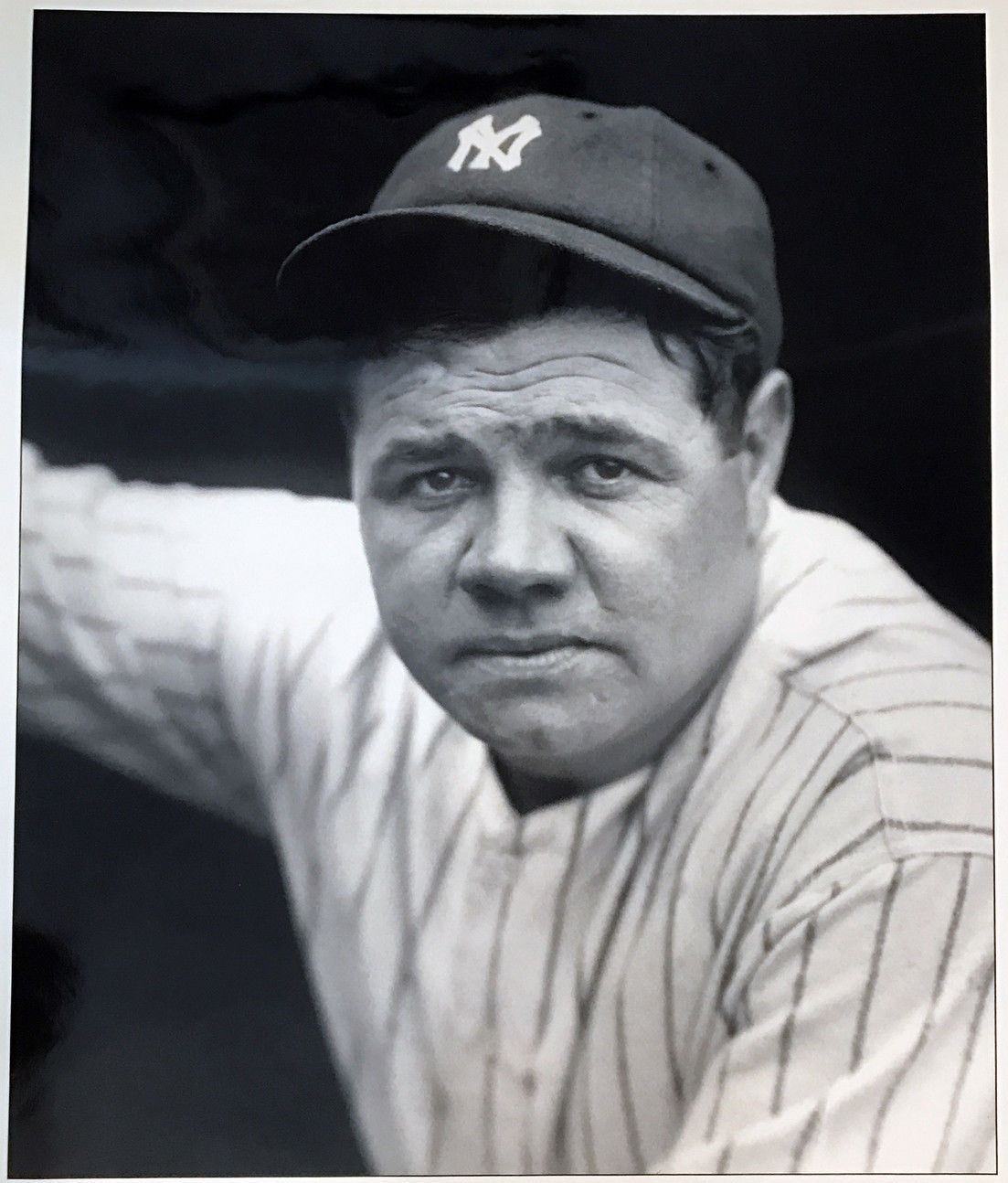
Named after Babe Ruth, who was nicknamed The Bambino
A sports superstition linking a long championship drought to a player sale
The Curse of the Bambino was a popular belief that the Boston Red Sox were doomed by selling Babe Ruth to the New York Yankees in 1920. This superstition explained an eighty-six-year gap between World Series titles for the team.
- Babe Ruth was sold to the Yankees in 1920
- Red Sox did not win a World Series for 86 years
- Dan Shaughnessy popularized the term in 1990
- The curse ended with the 2004 World Series victory
- Fans used signs and chants to reference the drought
What it is
The Curse of the Bambino is a well-known superstition in American baseball history. It claims that the Boston Red Sox suffered from bad luck because they sold star player Babe Ruth to their rivals, the New York Yankees, in 1920. Before this trade, the Red Sox had won five championships. After the sale, they did not win another World Series for eighty-six years. Most fans treated the idea as a joke or a story. However, some took it seriously as an explanation for their team's repeated failures in crucial games.
Where it comes from
The term became common after Dan Shaughnessy published a book with that title in 1990. The concept appeared earlier in a letter to Shaughnessy from a local minister. The minister compared the situation to a family curse caused by a past wrong deed. He suggested the sale of Ruth was a sin that the team could not atone for. The lore also involved owner Harry Frazee using the money from the sale to fund Broadway musicals. This financial link added to the narrative of misfortune following the transaction.
How it is done
There is no ritual performed to cast or lift the curse. Instead, the belief manifests through fan behavior and media storytelling. Fans used the phrase to explain losses in close games. They pointed to specific errors or missed opportunities as proof of the curse's power. Some supporters created signs or chants to mock the rival team or to wish for the end of the drought. The belief was sustained through retelling stories of near-misses over decades.
Tools and materials
The primary tools are cultural artifacts rather than physical objects. These include books, newspaper articles, and television broadcasts that keep the story alive. Specific items like T-shirts with the year 1918 or signs reading Reverse The Curse served as symbols. Graffiti on public infrastructure, such as road signs, also became part of the visual language of the superstition. These items helped spread the narrative across generations of fans.
Curse of the Bambino, drawn and placed
- Living
- Revived
- Fading
- Historical
- Legendary
- Performed
- Lineage
- Major League Baseball folklore
- Timing
- During baseball seasons and playoffs
What it is for
Fans used the curse to make sense of prolonged disappointment. It provided a simple reason for complex sporting failures. The belief linked the team's struggles directly to a single historical decision. It also fueled the rivalry with the Yankees. Taunts about the curse were used by opposing fans to provoke the Red Sox. For believers, acknowledging the curse was seen as a necessary step toward its eventual removal.
Who does it
The practitioners are ordinary baseball fans in the United States. No special training or status is required to believe in or share the curse. Both Red Sox and Yankees supporters participated in the narrative. Red Sox fans used it to cope with loss, while Yankees fans used it to taunt their rivals. The belief was passed down through families and local communities in New England.
Peoples and places
The superstition is primarily associated with fans of the Boston Red Sox in the United States. It is deeply rooted in New England culture. The narrative also involves the New York Yankees and their supporters. The rivalry between these two teams gave the curse its energy. Other regions have different sports legends, but this specific belief remains tied to the history of Major League Baseball in America.
At a glance: who, where and when
Who does it
Peoples
Belief worlds
What people believe
The worldview behind the curse treats sports outcomes as influenced by moral or supernatural forces. It suggests that breaking trust with fans or making a greedy business deal can bring lasting bad luck. The belief implies that success in sports is not just about skill but also about cosmic balance. Lifting the curse required overcoming anxiety and proving that the team could succeed despite the alleged spiritual burden.
How scholars and sceptics see it
Researchers view the curse as a classic example of apophenia, where people see patterns in random events. Historians note that the Red Sox declined due to poor management and player sales, not magic. Psychologists suggest the belief helped fans process grief and frustration. Skeptics point out that the Yankees became dominant through better resources and strategy. The curse persists as a cultural story rather than a factual explanation.
Cautions and what is closed
The belief has led to emotional distress for fans during long losing streaks. It can create a self-fulfilling prophecy where anxiety affects performance. There is no physical danger, but the psychological weight of the curse was real for many supporters. The narrative sometimes overshadowed the actual reasons for team failures, such as managerial decisions or player injuries.
Compare and confuse
The Curse of the Bambino is similar to other sports curses, such as the Billy Goat Curse in Chicago. Both link team failure to a specific incident involving disrespect or broken promises. Unlike religious curses, this one is secular and tied to commercial transactions. It differs from general superstitions because it has a clear historical starting point and a documented end date.
Law and persecution
No laws were involved in the curse. However, the superstition impacted the business of baseball. Team owners faced pressure from fans who blamed them for the drought. The narrative influenced how trades and contracts were perceived by the public. The end of the curse in 2004 brought relief and celebration without legal consequences.
Today
The curse is now considered a historical footnote. It ended when the Red Sox won the World Series in 2004. The story remains a key part of baseball lore and is taught in schools. It serves as a reminder of the power of sports narratives. Modern fans recognize it as a cultural phenomenon rather than a literal magical effect.
Questions people ask about Curse of the Bambino
What is the Curse of the Bambino?
It is a superstition that the Boston Red Sox were cursed after selling Babe Ruth to the New York Yankees in 1920, causing an eighty-six-year championship drought.
Where did the name come from?
The name comes from Babe Ruth's nickname, The Bambino. The term was popularized by a 1990 book by Dan Shaughnessy.
When did the curse end?
The curse ended in 2004 when the Red Sox won the World Series, breaking the long drought that began after the 1918 season.
Why do fans still talk about it?
Fans discuss it as a famous piece of sports history. It illustrates how beliefs can shape the experience of watching a team struggle for decades.
Good reading and sources
The facts on this page come from the Wikipedia article "Curse of the Bambino", written by its contributors and used under the CC BY-SA 4.0 licence, and from its Wikidata record (CC0). EveryJaadu rewrote the text in its own words, with AI assistance, and compares every page with the article to make sure no passage is copied. It may be reused under the same CC BY-SA 4.0 licence with a link back.
It may contain mistakes. Names and customs differ from one community to the next, and some knowledge is closed to outsiders and left out here. This page describes belief and practice. It does not say that any of it works, it is not a how-to, and it is not medical advice. If something is wrong, tell us. Last refreshed 2026-10-06.
More from the United States
All the entries from the United States 🇺🇸 United States and 5 moreSatanism
A modern set of beliefs using the figure of Satan as a symbol or deity.Tradition · Power and authority · Cursing and harm Living
🇺🇸 United States and 5 moreSatanism
A modern set of beliefs using the figure of Satan as a symbol or deity.Tradition · Power and authority · Cursing and harm Living
 🇺🇸 United StatesSalem Witch Trials
A colonial legal crisis where over two hundred people faced accusations of sorcery in Massachusetts.Belief · Cursing and harm Historical
🇺🇸 United StatesSalem Witch Trials
A colonial legal crisis where over two hundred people faced accusations of sorcery in Massachusetts.Belief · Cursing and harm Historical
 🇺🇸 United States and 4 moreRainmaking
Efforts to induce rain through technology, ritual, or prayer.Tradition · Protection · Healing Living
🇺🇸 United States and 4 moreRainmaking
Efforts to induce rain through technology, ritual, or prayer.Tradition · Protection · Healing Living
 🇺🇸 United States and 1 morePunxsutawney Phil
A groundhog who serves as the central figure in an annual American weather prediction festival.Belief · Seeing and foretelling · Wonder and entertainment Living
🇺🇸 United States and 1 morePunxsutawney Phil
A groundhog who serves as the central figure in an annual American weather prediction festival.Belief · Seeing and foretelling · Wonder and entertainment Living
Related elsewhere
All belief 🇮🇳 India and 5 moreAstrology
A divinatory practice that reads human fate through the positions of celestial bodies.Belief · Seeing and foretelling · Luck and prosperity Living
🇮🇳 India and 5 moreAstrology
A divinatory practice that reads human fate through the positions of celestial bodies.Belief · Seeing and foretelling · Luck and prosperity Living
 🇷🇸 Serbia and 5 moreVampire
An undead creature from folklore that feeds on the blood or life force of the livingBeing · Cursing and harm · Luck and prosperity Legendary
🇷🇸 Serbia and 5 moreVampire
An undead creature from folklore that feeds on the blood or life force of the livingBeing · Cursing and harm · Luck and prosperity Legendary
 🇪🇬 EgyptCurse
A spoken wish for misfortune to befall a person or placeBelief · Cursing and harm · Luck and prosperity Historical
🇪🇬 EgyptCurse
A spoken wish for misfortune to befall a person or placeBelief · Cursing and harm · Luck and prosperity Historical
 🇧🇪 Belgium and 2 moreHorseshoe
A metal shoe for a horse's hoof and a talisman of good fortuneCharm · Protection · Luck and prosperity Living
🇧🇪 Belgium and 2 moreHorseshoe
A metal shoe for a horse's hoof and a talisman of good fortuneCharm · Protection · Luck and prosperity Living