🇩🇪 Magic in Germany
171 entries from Germany, best known first, across 80 places of magic.
German folklore preserves pre-Christian spirits and seasonal customs alongside Christian traditions. It reflects a shared Germanic heritage with Nordic and English beliefs, evolving from oral history into national cultural identity.
- Household spirits like Kobolds are said to help or hinder domestic life
- Walpurgisnacht is a spring festival derived from older pagan customs
- The Brothers Grimm collected oral histories to build a national identity
- Mountain spirits such as Rübezahl are central to regional legends
- Folklore was used as propaganda during the National Socialist era
Overview
This tradition spans Germany and other German-speaking regions like Austria and parts of Switzerland. It retains elements of old Germanic mythology, including nature spirits and household entities that survived the shift to Christianity. The stories often blend pagan roots with later religious festivals. Scholars note that these tales helped shape a sense of national unity during the nineteenth century, though they were later misused for political propaganda in the twentieth century.
Practices and beliefs
Beliefs include encounters with dwarves, elves, and mountain spirits like Rübezahl. Household helpers such as Kobolds are said to protect homes or cause mischief. Water nymphs guard rivers, while wild hunt leaders ride through the skies. Magical plants like mandrake are featured in legends. Trickster figures and moral tales about death and greed remain popular narrative forms across the region.
Rites and charms
Seasonal celebrations mark the year, including Walpurgisnacht in spring and Yule customs involving appeasing winter witches. Saint Nicholas visits are accompanied by rough companions who discipline children. Krampus runs occur during the Advent season. These events blend ancient agricultural cycles with modern holiday traditions, maintaining community bonds through shared storytelling and ritual behavior.
Who practises
No specific professional class is defined in the text. The tradition relies on oral transmission by families and communities. Collectors like the Brothers Grimm documented these stories, turning local lore into published literature. Their work influenced artists and writers, elevating folk tales from private family memories to public cultural assets.
Regions and communities
The folklore covers all German-speaking areas, including parts of Belgium, Luxembourg, and Italy. Regional variations exist in spirit names and local legends. Mountainous areas feature distinct entities compared to coastal zones. The diversity reflects the historical fragmentation of German polities before unification.
The calendar
Key times include Walpurgisnacht, Easter with its hare symbols, and Christmas with its various gift-bringers. Winter solstice traditions involve appeasing spirits. These dates anchor the supernatural world to the natural cycle of seasons, ensuring that mythical beings remain relevant to daily life throughout the year.
Law and the state
During the National Socialist era, folklore studies were co-opted to support anti-democratic policies and antisemitic myths. This period saw the manipulation of traditional customs for political ends. Modern legal status is not detailed in the provided material.
Today
The legacy persists in literature, opera, and tourism. Stories inspired famous works like Wagner's operas and American tales by Washington Irving. Contemporary interest focuses on preserving cultural heritage rather than active magical practice.
The facts in this overview come from the Wikipedia article "German folklore", written by its contributors and used under the CC BY-SA 4.0 licence. EveryJaadu rewrote the text in its own words, with AI assistance, and compares every page with the article to make sure no passage is copied. It may be reused under the same CC BY-SA 4.0 licence with a link back.
Places of magic in Germany
 🇺🇸 United States and 5 moreSatanism
A modern set of beliefs using the figure of Satan as a symbol or deity.Tradition · Power and authority · Cursing and harm Living
 🇨🇳 China and 5 moreHorseshoe
A curved plate fixed to a horse's hoof for protection, also kept as a charm for fortune.Charm · Protection · Luck and prosperity Living
🇩🇪 GermanyChymical Wedding of Christian RosenkreutzChymische Hochzeit Christiani Rosencreutz anno 1459
An allegorical romance and Rosicrucian manifesto detailing a seven-day alchemical initiation.Text · Change and initiation · Power and authority Historical
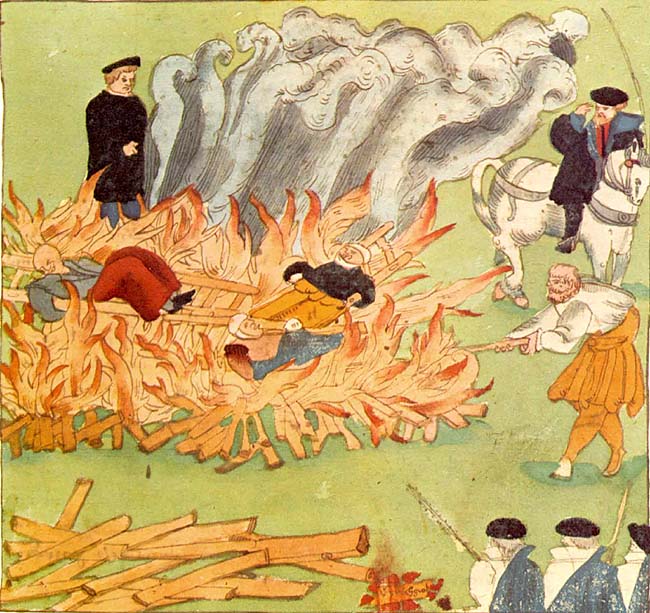 🇩🇪 GermanyMalleus Maleficarum
A 15th-century manual on witchcraft written by Heinrich KramerText · Cursing and harm · Binding and oaths Historical
 🇸🇪 Sweden and 4 moreEmanuel Swedenborg
An 18th-century Swedish scientist who became a mystic and claimed to visit the afterlife.Text · Speaking with spirits and the dead · Change and initiation Living
 🇬🇧 United Kingdom and 3 moreEdward Kelley
An English occultist and scryer who worked with John Dee to contact angels and practice alchemy.Figure · Power and authority · Wonder and entertainment Historical
 🇩🇪 GermanyBasil ValentineBasilius Valentinus
A pseudonymous alchemist whose chemical writings shaped early modern chemistry and hermetic tradition.Text · Power and authority Historical
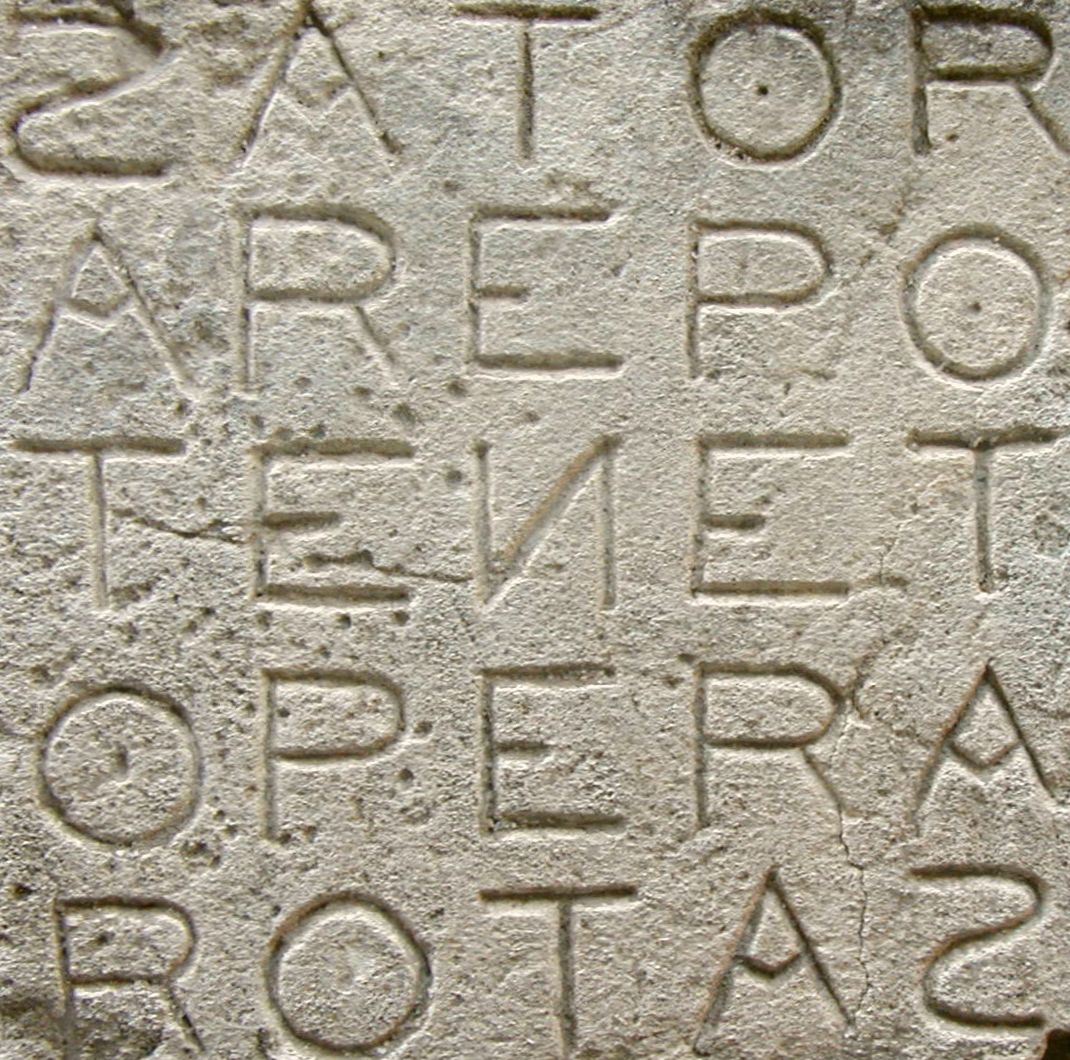 🇮🇹 Italy and 5 moreSator Square
A five-word Latin palindrome found in Roman ruins and medieval churchesCharm · Protection · Healing Historical
 🇷🇺 Russia and 4 moreLady MiddayPoludnitsa
A Slavic noon spirit who watches over fields and punishes those who work during the hottest hours.Being · Cursing and harm · Protection Historical
 🇩🇪 Germany and 3 moreMare
A spirit that sits on sleepers to cause nightmares and physical distressBeing · Cursing and harm Historical
 🇩🇪 Germany and 1 moreWill-o'-the-wisp
A ghostly light in folklore that guides or misleads travellers over marshes and bogs.Belief · Cursing and harm · Luck and prosperity Historical
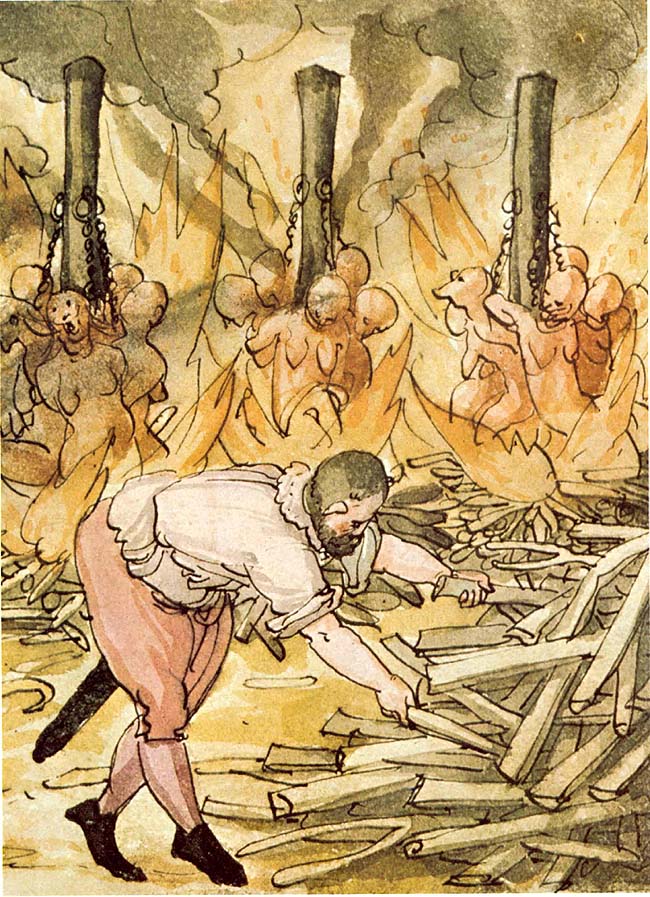 🇸🇦 Saudi Arabia and 5 moreWitch hunt
A campaign to find and punish people accused of using magic for harmBelief · Cursing and harm Historical
 🇮🇱 Israel and 2 moreLag BaOmerלַ״ג בָּעוֹמֶר
A Jewish holiday marking the end of a mourning period with bonfires and outdoor playTradition · Speaking with spirits and the dead · Wonder and entertainment Living
🇸🇪 Sweden and 3 moreRunic magic
The use of ancient Germanic letters for spells, divination, and protectionTradition · Protection · Seeing and foretelling Living
 🇩🇪 Germany and 3 moreRunesᚱᚢᚾᛟ
An ancient Germanic script used for writing and magical signs.Text · Seeing and foretelling · Power and authority Historical
 🇮🇶 Iraq and 5 moreGrimoire
A textbook containing instructions for spells, rituals, and the creation of magical objects.Text · Protection · Healing Historical
 🇮🇹 Italy and 3 moreRenaissance magic
A 15th and 16th century revival of magical arts blending philosophy, astrology, and hidden knowledge.Tradition · Power and authority · Seeing and foretelling Historical
 🇩🇪 Germany and 5 moreWild Hunt
A spectral chase across Europe led by a mythic figure and ghostly riders.Belief · Cursing and harm Historical
 🇮🇪 Ireland and 4 moreWinter solstice
The shortest day and longest night of the year, marked by rites of solar returnTradition · Seeing and foretelling · Protection Living
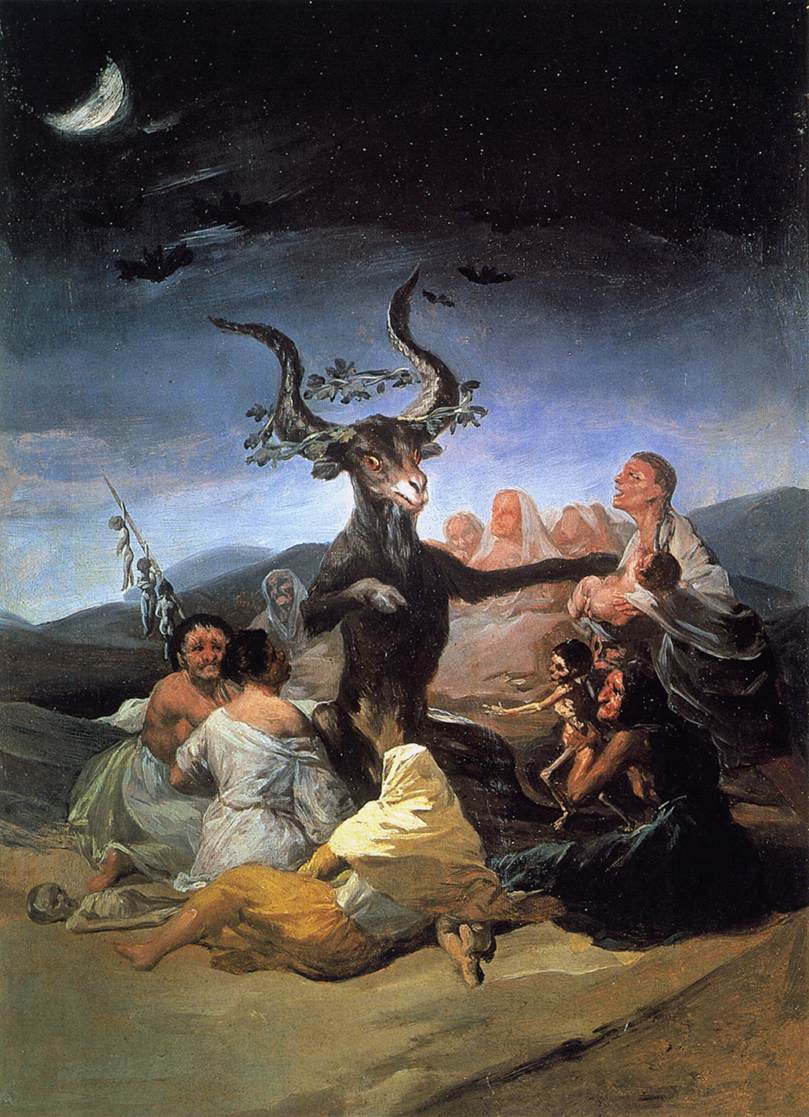 🇫🇷 France and 3 moreWitches' Sabbath
A legendary gathering of witches described in early modern trial records and folkloreBelief · Cursing and harm Historical
 🇸🇪 Sweden and 3 moreTyrTýr
A Germanic deity of war and oaths, known for sacrificing his hand to a wolfBeing · Power and authority Historical
 🇬🇧 United Kingdom and 1 moreĒostre
An Anglo-Saxon goddess linked to spring and the dawn, whose name became Easter.Being · Luck and prosperity Historical
 🇫🇮 Finland and 5 moreMolybdomancy
A divination method using molten metal poured into water to read omensRite · Seeing and foretelling · Cursing and harm Living
 🇫🇷 France and 4 moreWitch trials in the early modern period
A wave of prosecutions across Europe and British America from the 1400s to the late 1700s.Tradition · Cursing and harm Historical
 🇩🇪 Germany and 2 moreBrocken spectreBrockengespenst
A giant shadow cast by an observer onto clouds, often surrounded by a rainbow halo.Illusion · Wonder and entertainment Living
 🇩🇪 GermanyWürzburg witch trials
A mass execution of hundreds in a German Catholic principality during the Thirty Years WarBelief · Cursing and harm Historical
 🇩🇪 Germany and 1 moreBamberg witch trials
A mass execution campaign in a German prince-bishopric that killed around one thousand people between 1623 and 1632.Belief · Cursing and harm Historical
 🇩🇪 GermanyTrier witch trials
A series of mass executions in the Holy Roman Empire between 1581 and 1593.Belief · Cursing and harm Historical
🇩🇪 GermanyPhilipp Adolf von Ehrenberg
A German prince-bishop who directed a massive witch-hunt in the 1620sFigure · Cursing and harm Historical
 🇪🇸 Spain and 5 moreAlfonso X of Castileel Sabio
A medieval king who sponsored astronomical tables and translated works on magic and astrology.Text · Power and authority · Seeing and foretelling Historical
 🇩🇪 Germany and 1 moreWitch's mark
A bodily mark believed to prove a pact with the Devil during early modern witch trialsBelief · Cursing and harm Historical
 🇬🇧 United Kingdom and 5 moreAleister Crowley
English occultist and founder of the religion of ThelemaText · Power and authority · Change and initiation Living
 🇮🇹 Italy and 4 moreTarottarocchi
A set of cards for games and divination, with roots in fifteenth-century ItalyText · Wonder and entertainment · Seeing and foretelling Living
🇩🇪 GermanyJohannes Junius
A German mayor executed in the Bamberg witch trials who wrote a final letter from his cell.Figure · Cursing and harm Historical
🇩🇪 Germany and 2 moreWitch trials in the Holy Roman Empire
A historical period of intense witchcraft persecution across Central Europe from the 15th to the 18th centuries.Belief · Cursing and harm Historical
 🇪🇬 Egypt and 1 moreEbers Papyrus
An ancient Egyptian medical scroll detailing herbal remedies and bodily theories from around 1550 BCE.Text · Healing · Protection Historical
 🇩🇪 Germany and 5 moreAnthroposophy
A spiritual movement founded by Rudolf Steiner to explore the intellectual side of the unseen worldTradition · Speaking with spirits and the dead · Change and initiation Living
 🇩🇪 Germany and 2 moreOccultism in Nazism
The study of alleged magical links to the Nazi regime and the myths that surround themBelief · Cursing and harm · Power and authority Historical
🇩🇪 Germany and 2 moreLocational astrology
A branch of astrology that maps planetary influences to specific places on Earth.Tradition · Power and authority Living
 🇪🇬 Egypt and 4 moreScarab
An ancient Egyptian amulet and seal shaped like a dung beetleCharm · Protection · Luck and prosperity Historical
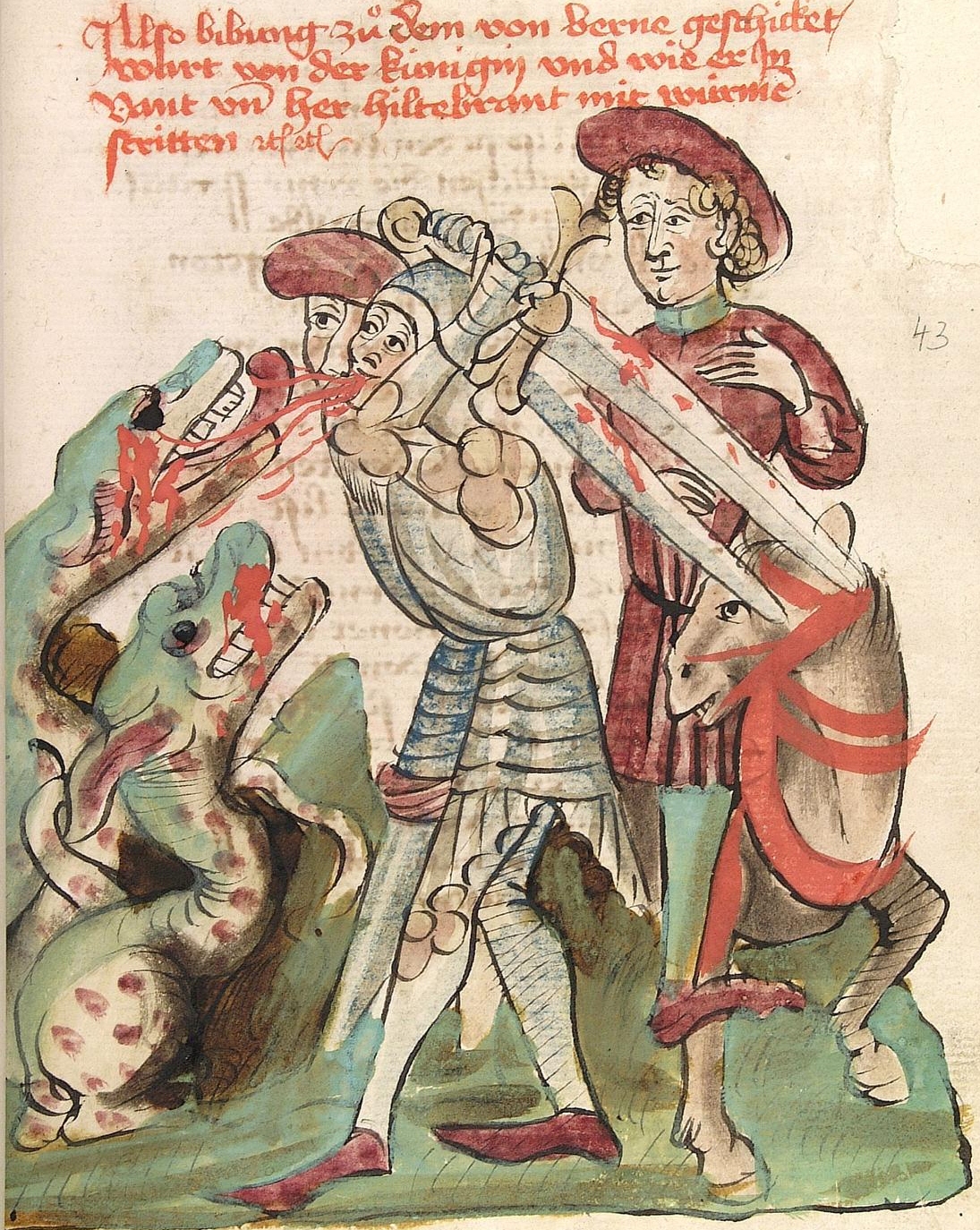 🇩🇪 Germany and 2 moreDietrich von Bern
A legendary Germanic hero based on the Ostrogothic king Theodoric the GreatFigure · Power and authority Historical
 🇯🇵 Japan and 4 moreHousehold deity
A spirit or minor god believed to guard a home and its family members.Being · Protection · Speaking with spirits and the dead Historical
 🇩🇪 Germany and 3 moreWiedergänger
A German term for a revenant or ghost that returns to the world of the living.Being · Cursing and harm Historical
 🇩🇪 Germany and 4 moreNight ravennattravn
A nocturnal creature of European folklore, feared as a child-stealer or seen as a ghost in bird form.Being · Cursing and harm Historical
 🇩🇪 Germany and 3 moreCruentation
A medieval judicial test where a suspect touched a victim's body to see if it bled.Rite · Cursing and harm Historical
🇬🇷 Greece and 1 moreMaternal impression
A discredited theory that a mother's shock or thoughts can mark her unborn childBelief · Cursing and harm Historical
 🇩🇪 GermanyLichtenberg's Avertissement
A satirical poster exposing stage magic as deceptionText · Wonder and entertainment Historical
🇩🇪 GermanyBuch der heiligen Dreifaltigkeit
A 15th-century German alchemical treatise that aligns chemical work with Christian theology.Text · Change and initiation Historical
Photo credits on this page
The small pictures above come from Wikimedia Commons under free licences. Some are cropped to fit.
- Emanuel Swedenborg: Carl Frederik von Breda, Public domain, source
- Alfonso X of Castile: Otto Posse (1847-1921), Public domain, source
- Edward Kelley: Thomas Pennant, Public domain, source
- Mare: Henry Fuseli, Public domain, source
- Night raven: Kim Diaz Holm (den unge herr Holm), CC BY 4.0, source
- Würzburg witch trials: Sweet Chily, Public domain, source
- Grimoire: Bengt A. Lundberg, CC BY 2.5, source
- Winter solstice: Image by Przemyslaw " Blueshade " Idzkiewicz, CC BY-SA 2.0, source
- Theistic Satanism: Alexandre Cabanel, Public domain, source
- Witch hunt: Johann Jakob Wick, Public domain, source
- Basil Valentine: TomKidd, CC BY-SA 3.0, source
- Trier witch trials: Unknown author, Public domain, source
- Sator Square: M Disdero, CC BY-SA 3.0, source
- Lag BaOmer: Yoninah, CC BY-SA 3.0, source
- Aleister Crowley: Aleister Crowley, Public domain, source
- Household deity: Claus Ableiter, CC BY-SA 3.0, source
- Horseshoe: Cgoodwin, CC BY-SA 3.0, source
- Ebers Papyrus: PEbers_c41.jpg : Einsamer Schütze derivative work: Photohound ( talk ), CC BY-SA 3.0, source
- Anthroposophy: Wladyslaw, CC BY-SA 3.0, source
- Renaissance magic: Unknown author, Public domain, source
- Brocken spectre: Draceane, CC BY-SA 4.0, source
- Lady Midday: Віщун, CC BY-SA 4.0, source
- Occultism in Nazism: Peretz Kaminsky, Public domain, source
- Wiedergänger: Unknown author, Public domain, source
- Dietrich von Bern: Workshop of Diebolt Lauber, Hagenau 1444-1448, CC BY-SA 3.0, source
- Ēostre: Johannes Gehrts (1855–1921), Public domain, source
- Bamberg witch trials: Berthold Werner, Public domain, source
- Witch's mark: T. H. Matteson, Public domain, source
- Witch-cult hypothesis: Francisco Goya, Public domain, source
- Runes: Bengt Olof ÅRADSSON, CC BY 1.0, source
- Malleus Maleficarum: Johann Jakob Wick, Public domain, source
- Scarab: Rama, CC BY-SA 2.0 fr, source
- Witch trials in the early modern period: Johann Jakob Wick, Public domain, source
- Tarot: World Web Playing Card Museum, Public domain, source
- Wild Hunt: Peter Nicolai Arbo, Public domain, source
- Will-o'-the-wisp: Hermann Hendrich, Public domain, source
- Lichtenberg's Avertissement: Georg Christoph Lichtenberg, Public domain, source
- Molybdomancy: Micha L. Rieser, Attribution, source
- Cruentation: Unknown author, Public domain, source
- Tyr: Gunnar Creutz, CC BY-SA 4.0, source
The weekly digest
Every Monday: seven entries you may not know, what is on the calendar this week, and one rite drawn step by step.