
A household deity is a protective spirit or minor god associated with the home. These figures appear in animistic traditions and folklore across many cultures. They are believed to watch over the house and its inhabitants.
- Household deities protect the home and family members.
- They originate from animism and ancestor worship.
- Romans used lararium shrines for domestic gods.
- Japanese Shinto registers children as family spirits.
- Brownies and kobolds are European folk survivals.
What it is
A household deity is a spirit or minor god that protects a home. These beings look after the entire family or specific members within it. They are common in animistic religions and global folklore. Unlike major gods, they are closely tied to daily domestic life. People treat them as family members. Offerings of food and drink are given to them. Small shrines or idols represent them inside the house.
Where it comes from
The concept stems from animism and ancestor worship. Early societies believed spirits inhabited natural objects and ancestors watched over descendants. As families grew into clans, these spirits became linked to tribal leaders. In Japan, Shinto practice shows this evolution clearly. Children are added to shrine lists at birth. After death, they become family spirits called kami. This pattern appears in many ancient cultures where domestic deities survived as folkloric creatures.
How it is done
Worship happens inside the home. Families place small idols, amulets, or paintings in dedicated spots. Prosperous homes might build small shrines like the Roman lararium. Deities are invited to join meals. Offerings of food and drink are left for them. In Japan, a kami shelf holds offerings for ancestral spirits. The practice treats the spirit as a resident family member rather than an external object of distant reverence.
Tools and materials
Small idols, such as teraphim, represent these deities. Amulets, paintings, and reliefs serve as focal points. Domestic objects like cosmetics can also hold divine presence. Shrines provide a physical space for offerings. Food and drink act as gifts to appease the spirit. A bowl of milk or honey is a common offering in European folklore. These items maintain the relationship between the living and the protective spirit.
Household deity, drawn and placed
- Living
- Revived
- Fading
- Historical
- Legendary
- Performed
- Lineage
- Animism and ancestor worship
- Timing
- daily meals, births, death
What it is for
The primary intent is protection of the home and its inhabitants. These spirits influence daily affairs more directly than major gods. They ensure the household runs smoothly. Families seek their favor through regular offerings. In some traditions, they help with chores like threshing corn or cleaning. The belief provides a sense of security and continuity for the family unit across generations.
Who does it
Ordinary households perform these rituals. No special priestly training is required for basic veneration. The head of the household often manages offerings. In Japan, local shrines register children as family members. Scholars study these beliefs as survivals of early religious stages. Folklorists have documented how these spirits evolved from ancestor worship into fairy-like creatures in modern times.
Peoples and places
These beliefs appear across many cultures. Romans had lares and penates. Anglo-Saxons worshipped cofgodas. Slavic peoples knew the domovoy. Scots and English had brownies and hobs. German folklore features kobolds. Spanish and Portuguese traditions include duendes. Japanese Shinto maintains family kami shrines. Each culture adapts the core idea of a domestic protector to its own mythological framework.
At a glance: who, where and when
What people believe
The worldview rests on animism, the belief that spirits inhabit objects and places. Ancestor worship links the living to deceased relatives who continue to protect them. Major gods are distant, but household deities are immediate and personal. They require constant attention and appeasement. Their power is limited compared to cosmic deities but highly relevant to daily survival. This creates a close, reciprocal relationship between the spirit and the family.
When it is done
Offerings are made during daily meals. Births trigger registration at local shrines in Japan. Death transforms a person into a family spirit. Festivals may involve specific rites, though daily interaction is most common. The Industrial Revolution and rationalism threatened these practices. Romantic nationalism later revived interest in these folkloric figures as literary subjects.
How scholars and sceptics see it
Anthropologists view household deities as survivals of early ancestor worship. Edward Burnett Tylor coined the term animism to describe this stage. He disagreed with Herbert Spencer on whether animism was innate. Émile Durkheim linked it to totemism instead. Sigmund Freud explored the psychological roots in Totem and Taboo. Jacob Grimm equated Roman larvae with German kobolds. Thomas Keightley noted the functional equivalence of brownies and nisses.
Cautions and what is closed
Some spirits were viewed as unquiet or dangerous if neglected. Christianization efforts sought to suppress these pagan beliefs. Modern fantasy games sometimes invent traits that differ from original folklore.
Compare and confuse
Household deities are often confused with fairies, elves, and goblins. These terms overlap in folklore. The Roman lar is similar to the Scottish brownie. The German kobold matches the Danish nis. All share roots in ancestor worship. Major gods like Zeus or Odin are distinct due to their cosmic status. Household spirits are domestic and immediate, unlike the Olympian pantheon.
Law and persecution
Christianity historically opposed these pagan beliefs. Martin Luther addressed kobolds in his writings. Rationalism and industrialization reduced their prevalence. No current legal restrictions are mentioned. The beliefs survive in folklore and cultural memory rather than organized religion. Modern scholarship preserves them as historical and anthropological subjects.
Questions people ask about Household deity
What is a household deity?
A household deity is a spirit or minor god believed to protect a home. It watches over the family and ensures domestic harmony. These figures appear in animistic traditions worldwide.
Where do these beliefs come from?
They stem from animism and ancestor worship. Early societies believed ancestors continued to guard their descendants. This evolved into localized domestic spirits in many cultures.
How are they honored?
Families leave food and drink offerings. Small shrines or idols mark their presence. In Japan, children are registered at shrines at birth. Daily meals may include invitations to the spirit.
Are they the same as major gods?
No. Major gods have cosmic power. Household deities focus on daily domestic life. They are closer to the family and require constant attention and appeasement through small rituals.
Good reading and sources
- Household deity on WikipediaEncyclopedia
- More photos on Wikimedia CommonsPhotos and video
- Wikidata recordOpen data
The facts on this page come from the Wikipedia article "Household deity", written by its contributors and used under the CC BY-SA 4.0 licence, and from its Wikidata record (CC0). EveryJaadu rewrote the text in its own words, with AI assistance, and compares every page with the article to make sure no passage is copied. It may be reused under the same CC BY-SA 4.0 licence with a link back.
It may contain mistakes. Names and customs differ from one community to the next, and some knowledge is closed to outsiders and left out here. This page describes belief and practice. It does not say that any of it works, it is not a how-to, and it is not medical advice. If something is wrong, tell us. Last refreshed 2026-10-06.
More from Japan
All the entries from Japan 🇷🇴 Romania and 5 moreVampire folklore
Global legends of blood-drinking spirits and undead revenantsBelief · Cursing and harm · Protection Historical
🇷🇴 Romania and 5 moreVampire folklore
Global legends of blood-drinking spirits and undead revenantsBelief · Cursing and harm · Protection Historical
 🇮🇪 Ireland and 4 moreFour-leaf clover
A rare plant mutation believed to bring good luck and used as a symbol of fortune.Charm · Luck and prosperity Living
🇮🇪 Ireland and 4 moreFour-leaf clover
A rare plant mutation believed to bring good luck and used as a symbol of fortune.Charm · Luck and prosperity Living
 🇮🇪 Ireland and 5 moreFairy ring
A natural ring of mushrooms surrounded by folklore about dancing spirits and witches.Belief · Wonder and entertainment Living
🇮🇪 Ireland and 5 moreFairy ring
A natural ring of mushrooms surrounded by folklore about dancing spirits and witches.Belief · Wonder and entertainment Living
 🇬🇧 United Kingdom and 4 moreWyvern
A two-legged winged dragon common in European heraldry and fantasy fictionBeing · Power and authority Legendary
🇬🇧 United Kingdom and 4 moreWyvern
A two-legged winged dragon common in European heraldry and fantasy fictionBeing · Power and authority Legendary
Related elsewhere
All being 🇮🇳 India and 2 moreHomaहोम
A fire ritual found across Asian religions where offerings are burned as a votive exchange with the divine.Rite · Protection · Speaking with spirits and the dead Living
🇮🇳 India and 2 moreHomaहोम
A fire ritual found across Asian religions where offerings are burned as a votive exchange with the divine.Rite · Protection · Speaking with spirits and the dead Living
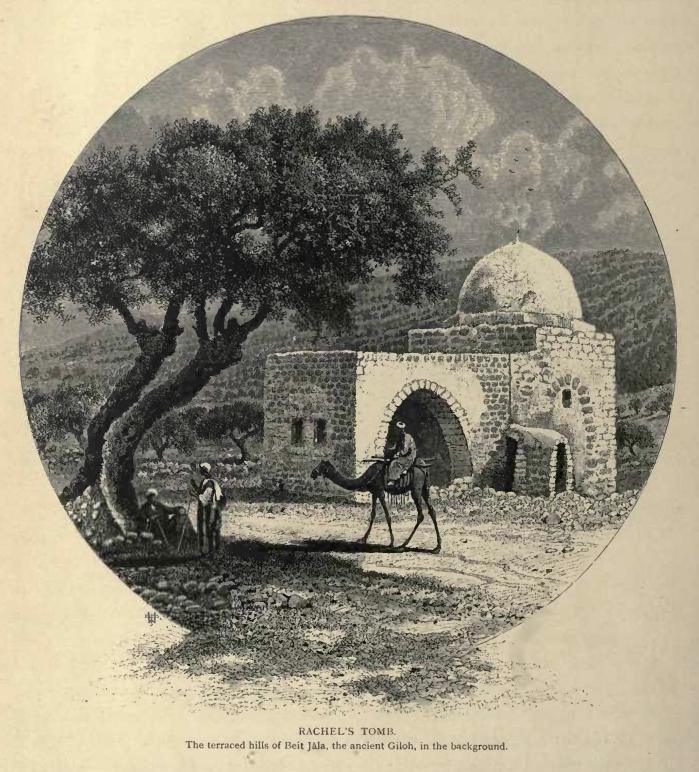 🇵🇸 Palestine and 1 moreRachel's TombQever Raḥel; Qabr Rāḥīl
A shared holy site near Bethlehem revered by Jews, Christians, and MuslimsTradition · Speaking with spirits and the dead · Protection Living
🇨🇳 China and 4 moreKitchen God灶君
The Chinese hearth deity who reports domestic conduct to the Jade EmperorBeing · Protection · Luck and prosperity Living
🇵🇸 Palestine and 1 moreRachel's TombQever Raḥel; Qabr Rāḥīl
A shared holy site near Bethlehem revered by Jews, Christians, and MuslimsTradition · Speaking with spirits and the dead · Protection Living
🇨🇳 China and 4 moreKitchen God灶君
The Chinese hearth deity who reports domestic conduct to the Jade EmperorBeing · Protection · Luck and prosperity Living