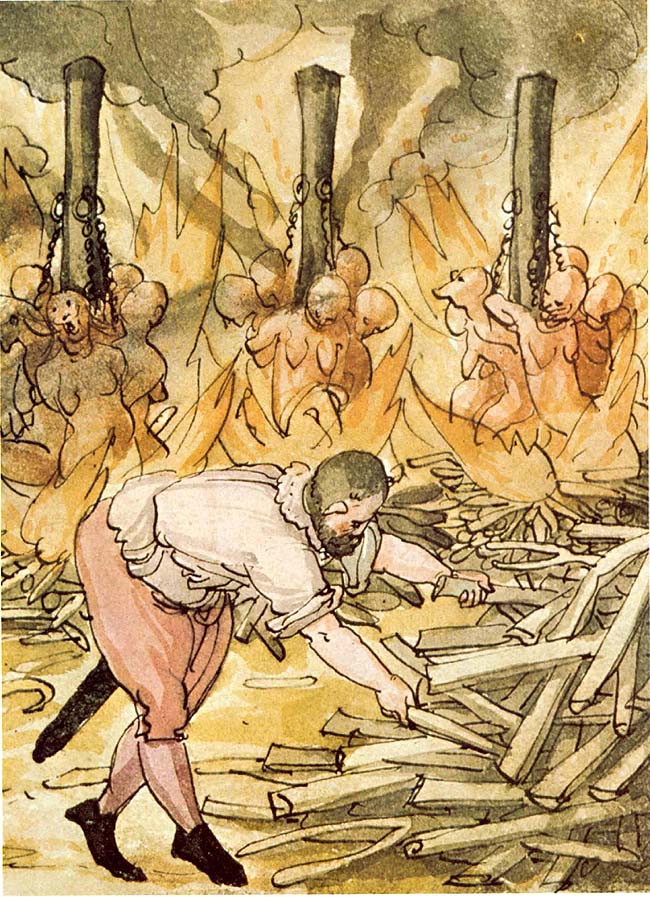
A witch hunt is a search for individuals labeled as witches or evidence of witchcraft. These campaigns have occurred across history, from ancient law codes to modern accusations in parts of Africa and Asia.
- 35,000 to 60,000 executions occurred in Early Modern Europe
- Code of Hammurabi prescribed river ordeals for spell-casters
- Modern hunts reported in Tanzania, Papua New Guinea, and Africa
- Legislation against witchcraft exists in Saudi Arabia and Cameroon
- Income shocks linked to increased murder of accused witches
What it is
A witch hunt involves searching for people labeled as witches or seeking proof of witchcraft. It is often described as an investigation conducted with great publicity to uncover disloyalty or subversive activity. The real purpose is frequently to harm opponents rather than find truth. This term can also describe periods of mass hysteria and moral panic where communities turn against suspected practitioners of harmful magic.
Where it comes from
Punishment for malevolent magic appears in early Middle Eastern civilizations. The Code of Hammurabi prescribed trial by river ordeal for those accused of casting spells. Ancient Hebrew texts condemned sorcery and ordered the death of witches. In Rome, laws against harmful magic led to executions during epidemics. Early Christian authorities sometimes suppressed pagan magical practices, though church councils later debated the existence of witchcraft itself.
How it is done
Accusations often arise during times of crisis, such as disease or crop failure. Communities may use legal systems or mob violence to punish suspects. Historical hunts involved trials, torture, and execution. Modern reports suggest that economic shocks, like extreme rainfall affecting income, can trigger increases in murder accusations against those labeled as witches.
Tools and materials
Legal codes and religious decrees serve as the primary tools of persecution. In ancient times, river ordeals were used to determine guilt. Magical books and poisons were confiscated or burned. Ecclesiastical penances were imposed for devil-worship, though some church leaders explicitly outlawed condemning people as witches.
Witch hunt, drawn and placed
- Living
- Revived
- Fading
- Historical
- Legendary
- Performed
What it is for
These hunts aim to eliminate perceived sources of evil or misfortune. They provide a framework to explain random bad events like sickness or death. Accusers believe they are protecting the community from harmful incantations. In modern contexts, the metaphorical use targets political opponents under the guise of uncovering treason.
Who does it
Historically, judges, clergy, and mobs participated in hunts. Roman officials executed suspects during plagues. Church councils issued decrees on how to handle accusations. In contemporary settings, local communities and legal systems in certain regions continue to prosecute alleged witches, often targeting women.
Peoples and places
Witch hunts have been documented in Europe, the Near East, and Colonial America. Recent reports highlight ongoing persecution in sub-Saharan Africa, particularly Tanzania and Papua New Guinea. Legal statutes against witchcraft remain active in Saudi Arabia, Cameroon, and South Africa. Anthropologists note these practices appear in geographically separated societies.
At a glance: who, where and when
Who does it
Belief worlds



What people believe
Belief in witchcraft provides an explanation for otherwise random misfortunes. It presents an image of evil through the figure of the witch sorcerer. Some scholars link these beliefs to antisocial attitudes and lower community trust. Others argue that dispossession of land and female autonomy drives the violence against women labeled as witches.
How scholars and sceptics see it
Anthropologists study the universal nature of witchcraft beliefs and periodic hunts. Research links income shocks to increased murders of accused witches in Tanzania. Silvia Federici connects historical violence against women to capitalist expansion and privatization in the global south. Scholars debate whether these hunts are cultural universals or responses to specific socioeconomic pressures.
Cautions and what is closed
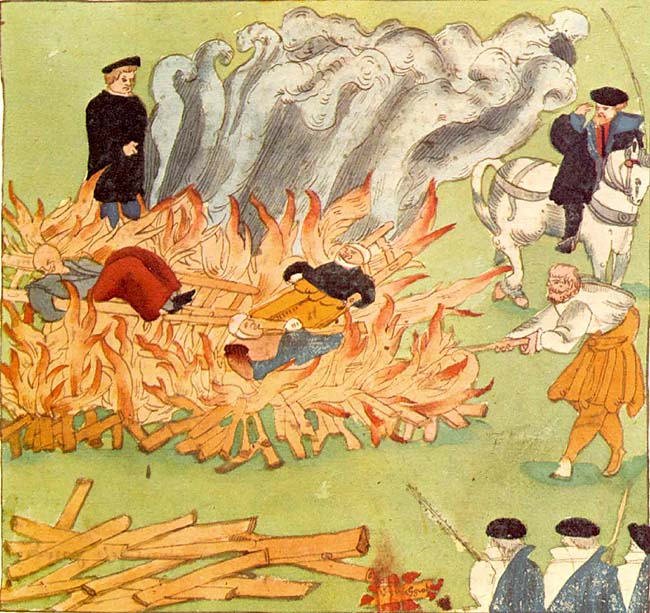
Witch hunts result in executions, imprisonment, and torture. Historically, tens of thousands were killed in Europe between 1450 and 1750. Modern accusations lead to murder and social exclusion. Women are disproportionately targeted. The practice persists in some regions despite international human rights concerns.
Compare and confuse
The term is now used metaphorically for political investigations aimed at harming opponents. It differs from actual ritual magic or folk healing practices. While related to religious demonology, it specifically focuses on communal persecution rather than theological debate.
Law and persecution
Early law codes prescribed death for malevolent magic. Roman laws banned harmful drugs and magical books. Church councils sometimes forbade killing suspected witches. Today, official legislation against witchcraft exists in several countries, maintaining criminal penalties for alleged practices.
Today
Contemporary witch-hunts are reported in parts of Africa and Asia. Legislation against witchcraft remains in force in Saudi Arabia, Cameroon, and South Africa. The phenomenon continues alongside modern development and economic changes. Anthropologists observe its persistence in diverse cultural contexts.
Questions people ask about Witch hunt
What is a witch hunt?
It is a search for people labeled as witches or evidence of witchcraft. Historically, this involved legal trials and executions. Today, the term describes investigations aimed at harming opponents through moral panic.
Where did witch hunts originate?
They originated in ancient civilizations like Egypt and Babylonia. Early law codes punished malevolent magic. Roman and Hebrew traditions also included severe penalties for sorcery and harmful spells.
Are witch hunts still happening?
Yes, contemporary hunts are reported in sub-Saharan Africa and Papua New Guinea. Official legislation against witchcraft remains in countries like Saudi Arabia, Cameroon, and South Africa.
Why do people accuse others of witchcraft?
Beliefs in witchcraft help explain random misfortunes like sickness or death. Economic shocks, such as droughts, can increase accusations. Some scholars link this to antisocial attitudes and loss of trust within communities.
Good reading and sources
- Witch hunt on WikipediaEncyclopedia
- More photos on Wikimedia CommonsPhotos and video
- Wikidata recordOpen data
The facts on this page come from the Wikipedia article "Witch hunt", written by its contributors and used under the CC BY-SA 4.0 licence, and from its Wikidata record (CC0). EveryJaadu rewrote the text in its own words, with AI assistance, and compares every page with the article to make sure no passage is copied. It may be reused under the same CC BY-SA 4.0 licence with a link back.
It may contain mistakes. Names and customs differ from one community to the next, and some knowledge is closed to outsiders and left out here. This page describes belief and practice. It does not say that any of it works, it is not a how-to, and it is not medical advice. If something is wrong, tell us. Last refreshed 2026-10-05.
More from Saudi Arabia
All the entries from Saudi Arabia 🇺🇸 United States and 4 moreFortune-telling
A practice of predicting future events or personal details through various methods and tools.Rite · Seeing and foretelling · Power and authority Living
🇺🇸 United States and 4 moreFortune-telling
A practice of predicting future events or personal details through various methods and tools.Rite · Seeing and foretelling · Power and authority Living
 🇸🇦 Saudi Arabia and 5 moreIslamic exorcismرقية
A rite to expel spirits through Quranic recitation and negotiationRite · Healing · Cleansing and purification Living
🇸🇦 Saudi Arabia and 5 moreIslamic exorcismرقية
A rite to expel spirits through Quranic recitation and negotiationRite · Healing · Cleansing and purification Living
 🇸🇦 Saudi Arabia and 1 moreDhikrذِكْر
Islamic remembrance of God through repeated recitation and prayerRite · Speaking with spirits and the dead · Power and authority Living
🇸🇦 Saudi Arabia and 1 moreDhikrذِكْر
Islamic remembrance of God through repeated recitation and prayerRite · Speaking with spirits and the dead · Power and authority Living
Related elsewhere
All belief 🇷🇸 Serbia and 5 moreVampire
An undead creature from folklore that feeds on the blood or life force of the livingBeing · Cursing and harm · Luck and prosperity Legendary
🇷🇸 Serbia and 5 moreVampire
An undead creature from folklore that feeds on the blood or life force of the livingBeing · Cursing and harm · Luck and prosperity Legendary
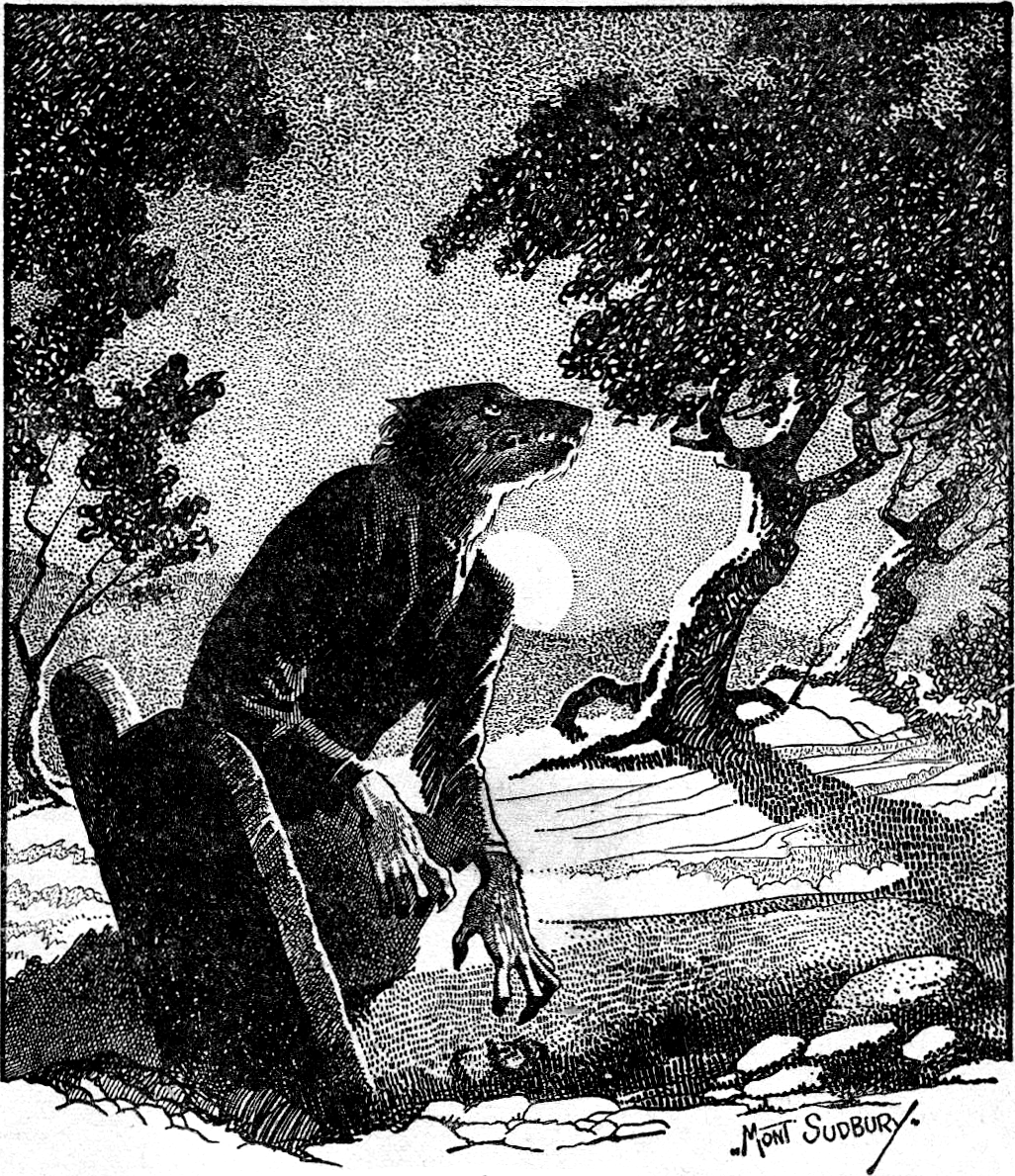 🇫🇷 France and 5 moreWerewolf
A mythical shapeshifter that turns into a wolf, central to European witch-hunts and Gothic horror.Being · Cursing and harm · Wonder and entertainment Legendary
🇫🇷 France and 5 moreWerewolf
A mythical shapeshifter that turns into a wolf, central to European witch-hunts and Gothic horror.Being · Cursing and harm · Wonder and entertainment Legendary
 🇪🇬 Egypt and 1 moreLilithלִילִית
A feminine figure from Mesopotamian and Jewish mythology, often depicted as a night demon or spirit.Being · Cursing and harm Legendary
🇪🇬 Egypt and 1 moreLilithלִילִית
A feminine figure from Mesopotamian and Jewish mythology, often depicted as a night demon or spirit.Being · Cursing and harm Legendary
 🇪🇬 EgyptCurse
A spoken wish for misfortune to befall a person or placeBelief · Cursing and harm · Luck and prosperity Historical
🇪🇬 EgyptCurse
A spoken wish for misfortune to befall a person or placeBelief · Cursing and harm · Luck and prosperity Historical