
Trier witch trials
A series of mass executions in the Holy Roman Empire between 1581 and 1593.
The Trier witch trials were a period of intense persecution in the independent Catholic diocese of Trier within the Holy Roman Empire. Between 1581 and 1593, authorities executed hundreds of people for sorcery, driven by religious zeal and economic gain.
- Executions occurred between 1581 and 1593 in the Holy Roman Empire.
- Archbishop Johann von Schönenberg initiated the purges in 1581.
- Approximately 368 people were executed within the city of Trier.
- Scholar Cornelius Loos was arrested and forced to recant in 1593.
- Victims included nobles, judges, and clergy from all social classes.
What it is
The Trier witch trials represent one of the most severe episodes of witch-hunting in European history. They occurred in the independent Catholic diocese of Trier, located in what is now Germany, during the late sixteenth century. The persecutions began in 1581 and intensified significantly after 1587. Authorities accused individuals of sorcery and devil worship, leading to widespread executions. Historians consider these events among the largest documented witch trials, with estimates suggesting nearly four hundred deaths within the city alone. The total number across the entire diocese may have reached one thousand, though exact figures remain unconfirmed.
Where it comes from
The trials were initiated under Archbishop Johann von Schönenberg, who took office in 1581. He was a strong supporter of the Jesuit order and sought to purge society of perceived nonconformists. His campaign targeted Protestants, Jews, and witches in sequence. Schönenberg provided the patronage and authority that allowed the hysteria to flourish. Eyewitness accounts describe a populace driven by beliefs that droughts and sterility were caused by demonic malice. Officials and accusers exploited this fear to seize property and gain wealth, creating a self-sustaining cycle of accusation and execution.
How it is done
Accusations spread rapidly through towns and villages via special accusers, inquisitors, and judges. The judicial process relied heavily on torture to extract confessions. Victims included men, women, children, and nobles from all social classes. Many prominent citizens, including judges and clergy, were arrested and executed. Those found guilty were typically burned alive. Children of the convicted were exiled, and their assets were confiscated by the state or the executioner. The system operated without clear limits until financial resources and public energy were exhausted.
Tools and materials
The primary tools of the trials were legal institutions and physical coercion. Courts, notaries, and jurors facilitated the proceedings. Torture devices were used to force confessions from the accused. The executioner utilized fire for capital punishment. Economic incentives served as implicit tools; officials profited from confiscated goods and trial fees. The executioner himself became a symbol of the regime's power, dressing in fine clothes and riding a well-bred horse while collecting his wages.
Trier witch trials, drawn and placed
- Living
- Revived
- Fading
- Historical
- Legendary
- Performed
What it is for
Participants believed they were cleansing the region of evil and restoring divine order. The prevailing view held that witches had made pacts with the Devil to cause harm, such as crop failure and illness. Authorities aimed to eliminate these threats through death. However, the trials also served secular purposes. Judges and accusers sought to enrich themselves through the confiscation of victims' property. The persecution functioned as a mechanism for social control and economic extraction under the guise of religious duty.
Who does it
The trials were conducted by ecclesiastical and secular authorities. Archbishop Johann von Schönenberg directed the initial purges. Special accusers, inquisitors, and judges managed the daily operations. Cornelius Loos, a scholar and professor at the local university, attempted to oppose the hysteria. He wrote treatises arguing against the reality of witchcraft and the validity of the confessions. His efforts led to his arrest and forced recantation before church dignitaries in 1593.
Peoples and places
The victims came from every segment of Trier society. Nobles, government officials, lawyers, priests, and common laborers were all targeted. Dietrich Flade, a wealthy lawyer and judge who had previously sentenced others to death, was himself executed. The persecution crossed class lines, demonstrating how deeply the hysteria penetrated the community. Neighbors accused neighbors, and families were destroyed. The sheer scale affected the entire population, leaving villages depopulated and the economy in ruins.
At a glance: who, where and when


What people believe
The underlying worldview assumed a real and active pact between humans and the Devil. Believers held that witches could fly, raise storms, and cause infertility through demonic aid. Confessions obtained under torture were accepted as factual evidence of these supernatural acts. Skeptics like Cornelius Loos argued that these phenomena were dreams or illusions. He contended that magic should not be equated with witchcraft and that scriptural commands referred only to natural poisoners. His views were deemed heretical by the authorities.
When it is done
The trials spanned over a decade, from 1581 to 1593. The intensity peaked between 1587 and 1593, when the majority of executions occurred. There were no specific festivals or holy days tied to the killings; they happened continuously as accusations arose. The frenzy subsided only when the population became too impoverished to pay for trials or when the supply of accused individuals dried up due to exhaustion and death.
How scholars and sceptics see it
Historians analyze the Trier trials as a case study in mass hysteria and institutional failure. Scholars note the role of economic incentives in driving the prosecutions. The involvement of high-ranking clergy highlights the intersection of religious authority and judicial violence. Modern researchers examine the psychological impact of torture on confessions. The forced recantation of Cornelius Loos is studied as an example of intellectual suppression under theological pressure. Anthropologists view the event as a breakdown of social norms where fear replaced justice.
Cautions and what is closed
The trials resulted in the deaths of hundreds of innocent people. The use of torture produced false confessions and condemned the blameless. Families were separated, and communities were devastated by loss and poverty. The persecution created a climate of terror where no one was safe from accusation. The economic ruin left the region vulnerable to famine and disease. The event stands as a stark warning of the dangers of unchecked judicial power and religious fanaticism.
Compare and confuse
The Trier trials are often compared to other major German witch hunts, such as those in Fulda, Würzburg, and Bamberg. These events share similar patterns of acceleration, noble involvement, and high execution rates. Unlike some regional hunts that focused primarily on rural peasants, Trier targeted urban elites and professionals as well. The scale of Trier distinguishes it as perhaps the largest single episode of its kind in Europe during this period.
Law and persecution
The trials were authorized by the Archbishop and Prince-Elector of Trier. Local magistrates and ecclesiastical courts enforced the laws against witchcraft. Restrictions on examination fees were eventually introduced to curb the excesses, but by then significant damage had been done. The legal framework allowed for the seizure of property and exile of relatives. No formal appeals could stop the momentum once the machinery of persecution was fully engaged. The event ended not through legal reform, but through exhaustion of resources.
Questions people ask about Trier witch trials
What were the Trier witch trials?
They were a series of mass executions for sorcery in the independent Catholic diocese of Trier, part of the Holy Roman Empire. The persecutions lasted from 1581 to 1593 and are considered one of the largest witch-hunts in European history.
Who started the Trier witch trials?
The trials began under Archbishop Johann von Schönenberg, who took office in 1581. He supported the Jesuit order and ordered the purification of society, targeting Protestants, Jews, and witches in succession.
How many people died in the Trier witch trials?
About 368 people were executed within the city of Trier itself. When including the entire diocese, the total may have reached 1,000, though historians have not confirmed an exact number.
Did anyone try to stop the trials?
Yes, Cornelius Loos, a university professor, wrote against the hysteria. He argued that witchcraft confessions were false. He was arrested in 1593 and forced to publicly recant his views before church officials.
Why did the Trier witch trials end?
The trials stopped because the population became too poor to sustain them. Rules limiting court fees were enforced, and the zeal of the persecutors faded as resources ran out and the number of available accused diminished.
Good reading and sources
The facts on this page come from the Wikipedia article "Trier witch trials", written by its contributors and used under the CC BY-SA 4.0 licence, and from its Wikidata record (CC0). EveryJaadu rewrote the text in its own words, with AI assistance, and compares every page with the article to make sure no passage is copied. It may be reused under the same CC BY-SA 4.0 licence with a link back.
It may contain mistakes. Names and customs differ from one community to the next, and some knowledge is closed to outsiders and left out here. This page describes belief and practice. It does not say that any of it works, it is not a how-to, and it is not medical advice. If something is wrong, tell us. Last refreshed 2026-10-06.
More from Germany
All the entries from Germany 🇺🇦 Ukraine and 5 moreMugwortчорнобиль (chornóbyl')
An aromatic herb used in folk medicine, cooking, and magical protection across Eurasia.Substance · Protection · Healing Living
🇺🇦 Ukraine and 5 moreMugwortчорнобиль (chornóbyl')
An aromatic herb used in folk medicine, cooking, and magical protection across Eurasia.Substance · Protection · Healing Living
 🇩🇪 GermanyPied Piper of Hamelinder Rattenfänger von Hameln
A medieval legend about a piper who leads children away from the town of HamelinFigure · Cursing and harm · Luck and prosperity Legendary
🇩🇪 GermanyPied Piper of Hamelinder Rattenfänger von Hameln
A medieval legend about a piper who leads children away from the town of HamelinFigure · Cursing and harm · Luck and prosperity Legendary
 🇩🇪 Germany and 5 moreWitch trials in the Holy Roman Empire
A wave of executions across Central Europe between the fifteenth and eighteenth centuries.Belief · Cursing and harm Historical
🇩🇪 Germany and 5 moreWitch trials in the Holy Roman Empire
A wave of executions across Central Europe between the fifteenth and eighteenth centuries.Belief · Cursing and harm Historical
 🇩🇪 Germany and 7 moreWalpurgis NightWalpurgisnacht
A spring vigil marking the eve of Saint Walpurga's feast day with bonfires and student festivalsRite · Protection · Speaking with spirits and the dead Living
🇩🇪 Germany and 7 moreWalpurgis NightWalpurgisnacht
A spring vigil marking the eve of Saint Walpurga's feast day with bonfires and student festivalsRite · Protection · Speaking with spirits and the dead Living
Related elsewhere
All belief 🇪🇬 Egypt and 1 moreLilithלִילִית
A feminine figure from Mesopotamian and Jewish mythology, often depicted as a night demon or spirit.Being · Cursing and harm Legendary
🇪🇬 Egypt and 1 moreLilithלִילִית
A feminine figure from Mesopotamian and Jewish mythology, often depicted as a night demon or spirit.Being · Cursing and harm Legendary
 🇪🇬 EgyptCurse
A spoken wish for misfortune to befall a person or placeBelief · Cursing and harm · Luck and prosperity Historical
🇪🇬 EgyptCurse
A spoken wish for misfortune to befall a person or placeBelief · Cursing and harm · Luck and prosperity Historical
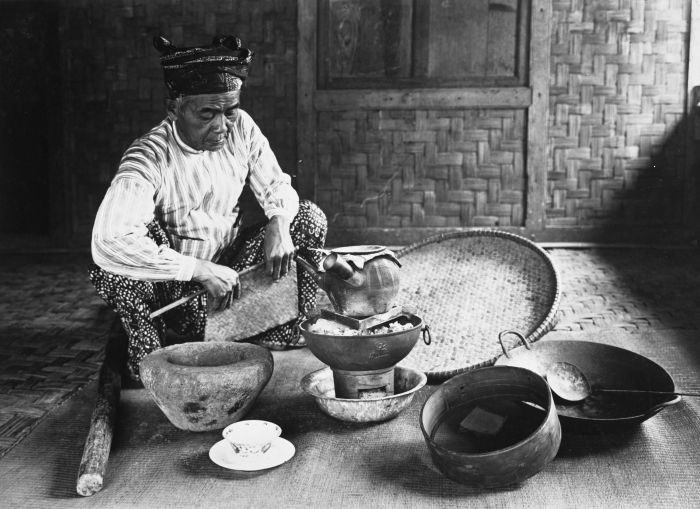 🇮🇩 Indonesia and 2 moreDukun
A traditional healer and spirit medium in Indonesian folk practiceTradition · Healing · Seeing and foretelling Living
🇮🇩 Indonesia and 2 moreDukun
A traditional healer and spirit medium in Indonesian folk practiceTradition · Healing · Seeing and foretelling Living
 🇮🇳 India and 5 moreHoliहोली
A Hindu spring festival marked by coloured powders and bonfires to celebrate love and virtue.Tradition · Love and attraction · Cursing and harm Living
🇮🇳 India and 5 moreHoliहोली
A Hindu spring festival marked by coloured powders and bonfires to celebrate love and virtue.Tradition · Love and attraction · Cursing and harm Living