
Witch trials in the Holy Roman Empire
A wave of executions across Central Europe between the fifteenth and eighteenth centuries.
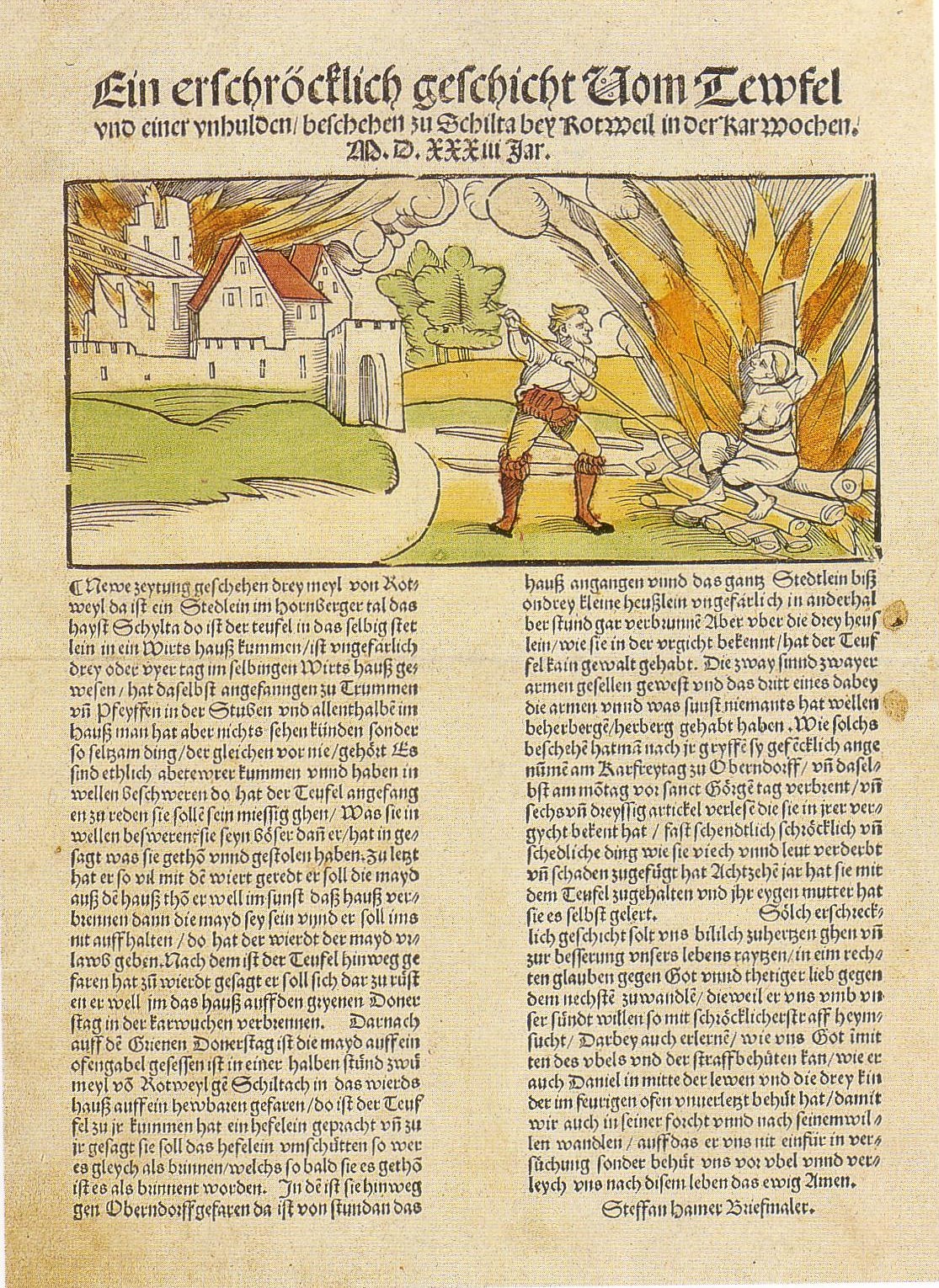
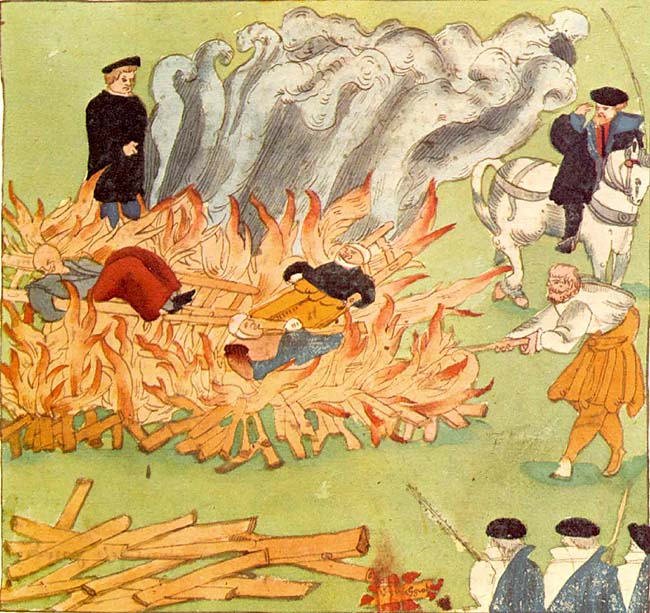
These persecutions occurred within the Holy Roman Empire from the 1400s to the 1700s. They represent some of the most intense campaigns against alleged sorcery in European history, with Catholic regions often seeing higher death tolls than Protestant ones.
- Mass trials in South Germany caused hundreds of deaths.
- The last execution in Switzerland occurred in 1782.
- Maria Theresa banned witch trials in Austria in 1768.
- Torture was commonly used to extract confessions.
- Marginalized groups faced high rates of accusation.
What it is
The witch trials in the Holy Roman Empire were a series of legal proceedings and executions targeting individuals accused of practicing magic or sorcery. These events spanned several centuries, reaching their peak intensity between the fifteenth and eighteenth centuries. The scale of these persecutions was vast, involving numerous autonomous states within the empire. While the specific nature of the accusations varied, the outcome was frequently capital punishment. Scholars view this period as a significant example of early modern state violence and social control. The trials were not uniform; they differed greatly depending on the local ruler and religious affiliation of the territory.
Where it comes from
The formal categorization of witchcraft as a crime began with the Constitutio Criminalis Carolina in 1532. This legal code established a framework for handling such cases across the empire. However, the roots of the persecution run deeper. In Switzerland, mass trials occurred as early as the fifteenth century, predating famous manuals on witchcraft. The publication of the Malleus Maleficarum in 1486 followed an early trial in Innsbruck. This text helped standardize the understanding of sorcery across different regions. The spread of these ideas coincided with religious tensions, particularly during the Counter-Reformation in Catholic areas.
How it is done
Accusations typically arose from private citizens accusing neighbors of causing harm through magic. Local secular courts handled the majority of these cases. The legal process often involved torture to extract confessions or names of accomplices. Once one person confessed, the investigation could expand rapidly into large-scale trials. Appeals could be made to the Imperial court, but local verdicts were often enforced despite imperial rulings. The methods of execution varied by region, with burning at the stake being common in Switzerland.
Witch trials in the Holy Roman Empire, drawn and placed
- Living
- Revived
- Fading
- Historical
- Legendary
- Performed
What it is for
The primary stated purpose was to eliminate perceived threats to the community and the divine order. Accusers believed that witches had made pacts with evil forces to cause misfortune. Common charges included the destruction of property through magical means and participation in secret gatherings known as sabbaths. Authorities viewed these activities as direct challenges to religious and social stability. The trials also served to reinforce the authority of local rulers and the church.
Who does it
Local judges and secular courts conducted the majority of the proceedings. Clerics sometimes held private trials within their own estates. The accused were predominantly women, though men were also targeted, especially if they belonged to marginalized groups like Romani people, vagrants, or beggars. Wealthy and aristocratic individuals were also executed in certain regions, which was unusual compared to other parts of Europe. The accusers were typically members of the public who had prior conflicts with the defendants.
Peoples and places
The intensity of the trials varied significantly across the empire. Catholic South Germany experienced some of the most severe persecutions, with mass trials resulting in hundreds of deaths. Protestant North Germany saw fewer executions, though notable exceptions existed. Austria also suffered severe waves of persecution, particularly in the seventeenth century. Switzerland experienced high numbers of executions due to weak central authority. The differences highlight how local political and religious contexts shaped the fate of the accused.
At a glance: who, where and when
Who does it


What people believe
Participants operated within a worldview that accepted the reality of supernatural harm. Witches were believed to possess powers granted by demonic forces. This belief system justified the use of extreme measures to root out evil. The concept of a widespread conspiracy among witches influenced the expansion of trials. Confessions obtained under torture were seen as proof of this network. The fear of sorcery permeated daily life, making even minor misfortunes suspect.
When it is done
The trials occurred over several centuries, with peaks in specific decades. Major waves of persecution happened between 1587 and 1639 in South Germany. In Austria, the worst periods were in the second half of the seventeenth century. Swiss trials were frequent throughout the fifteenth and sixteenth centuries. The end of the persecutions came gradually in the late seventeenth and eighteenth centuries as authorities became more skeptical.
How scholars and sceptics see it
Historians analyze these trials as complex social phenomena rather than simple superstition. Researchers note the correlation between religious conflict and the intensity of persecutions. Anthropologists study the role of rumor and neighborly disputes in triggering accusations. Legal scholars examine the inconsistencies between imperial law and local practice. The data suggests that economic stress and political instability often preceded spikes in executions.
Cautions and what is closed
The trials resulted in the deaths of thousands of people. Many victims were innocent individuals caught in cycles of accusation and torture. The use of coercion led to false confessions and the naming of innocent accomplices. Marginalized groups faced disproportionate risks. The legacy of these events includes deep social trauma and the erosion of trust within communities. Modern scholarship emphasizes the injustice and brutality of the legal processes.
Compare and confuse
These trials are distinct from those in England or France due to their scale and duration. The involvement of the Imperial court created a unique legal dynamic. Unlike some regions where witchcraft was treated as a minor offense, the Holy Roman Empire treated it as a serious criminal matter. The religious divide between Catholic and Protestant territories influenced the severity of the punishments in each area.
Questions people ask about Witch trials in the Holy Roman Empire
What were the witch trials in the Holy Roman Empire?
They were legal proceedings and executions targeting people accused of sorcery. These events took place between the fifteenth and eighteenth centuries across various territories in Central Europe.
Where did these trials occur?
They happened throughout the Holy Roman Empire, including modern-day Germany, Austria, and Switzerland. Some related cases also appeared in France, Spain, and Italy.
Why were Catholic regions more affected?
Catholic areas, especially South Germany, experienced more intense persecutions. Religious tensions and the influence of the Counter-Reformation contributed to harsher treatment of accused witches.
How did the trials end?
Persecutions declined in the late seventeenth century. Authorities became more skeptical, and laws changed. The last executions occurred in the mid-to-late eighteenth century.
Good reading and sources
The facts on this page come from the Wikipedia article "Witch trials in the Holy Roman Empire", written by its contributors and used under the CC BY-SA 4.0 licence, and from its Wikidata record (CC0). EveryJaadu rewrote the text in its own words, with AI assistance, and compares every page with the article to make sure no passage is copied. It may be reused under the same CC BY-SA 4.0 licence with a link back.
It may contain mistakes. Names and customs differ from one community to the next, and some knowledge is closed to outsiders and left out here. This page describes belief and practice. It does not say that any of it works, it is not a how-to, and it is not medical advice. If something is wrong, tell us. Last refreshed 2026-10-05.
More from Germany
All the entries from Germany 🇩🇪 GermanyPied Piper of Hamelinder Rattenfänger von Hameln
A medieval legend about a piper who leads children away from the town of HamelinFigure · Cursing and harm · Luck and prosperity Legendary
🇩🇪 GermanyPied Piper of Hamelinder Rattenfänger von Hameln
A medieval legend about a piper who leads children away from the town of HamelinFigure · Cursing and harm · Luck and prosperity Legendary
 🇺🇦 Ukraine and 5 moreMugwortчорнобиль (chornóbyl')
An aromatic herb used in folk medicine, cooking, and magical protection across Eurasia.Substance · Protection · Healing Living
🇺🇦 Ukraine and 5 moreMugwortчорнобиль (chornóbyl')
An aromatic herb used in folk medicine, cooking, and magical protection across Eurasia.Substance · Protection · Healing Living
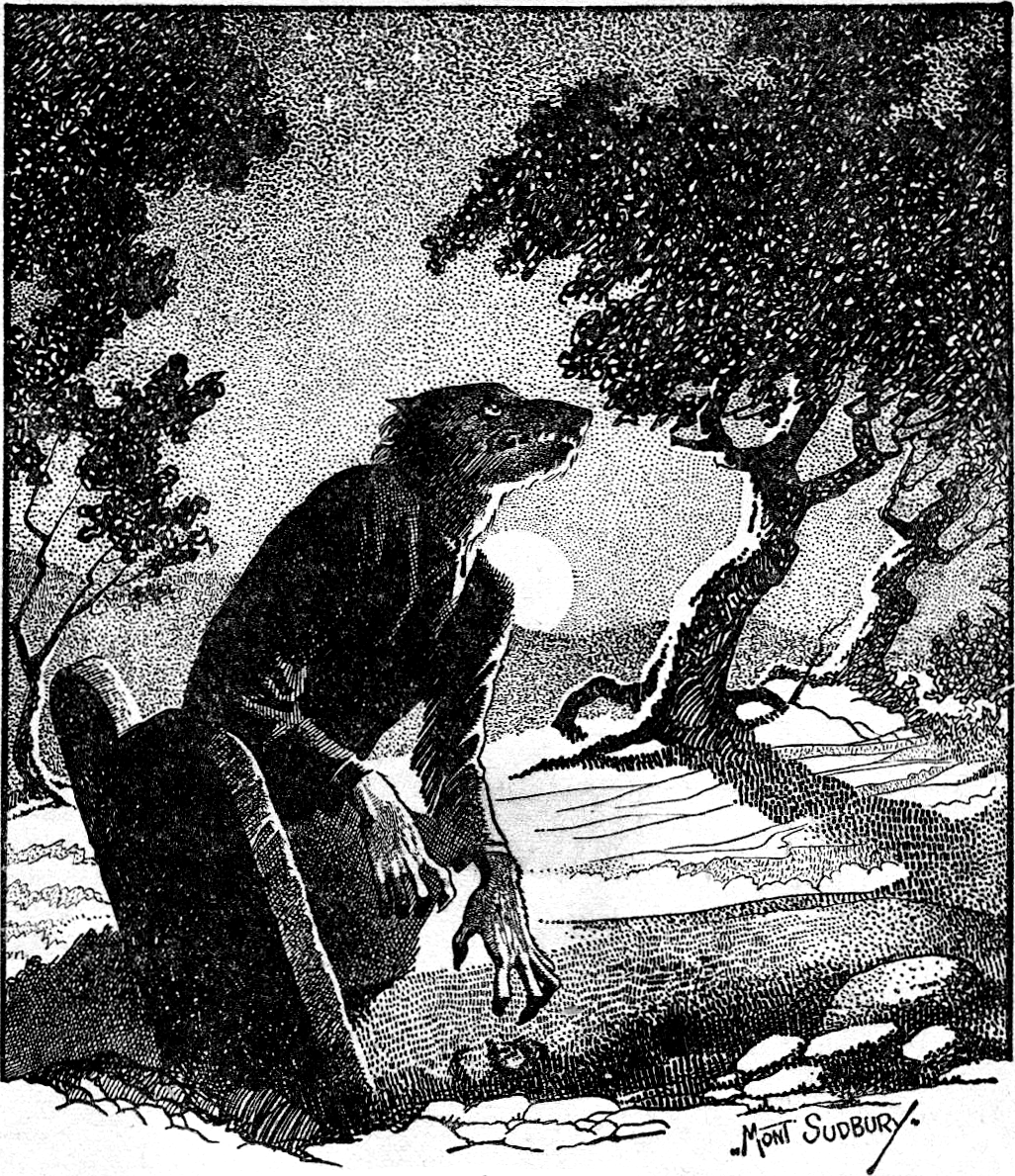 🇫🇷 France and 5 moreWerewolf
A mythical shapeshifter that turns into a wolf, central to European witch-hunts and Gothic horror.Being · Cursing and harm · Wonder and entertainment Legendary
🇩🇪 GermanyJohannes Junius
Mayor of Bamberg executed in the witch trials, known for a letter to his daughterFigure Historical
🇫🇷 France and 5 moreWerewolf
A mythical shapeshifter that turns into a wolf, central to European witch-hunts and Gothic horror.Being · Cursing and harm · Wonder and entertainment Legendary
🇩🇪 GermanyJohannes Junius
Mayor of Bamberg executed in the witch trials, known for a letter to his daughterFigure Historical
Related elsewhere
All belief 🇪🇬 Egypt and 1 moreLilithלִילִית
A feminine figure from Mesopotamian and Jewish mythology, often depicted as a night demon or spirit.Being · Cursing and harm Legendary
🇪🇬 Egypt and 1 moreLilithלִילִית
A feminine figure from Mesopotamian and Jewish mythology, often depicted as a night demon or spirit.Being · Cursing and harm Legendary
 🇪🇬 EgyptCurse
A spoken wish for misfortune to befall a person or placeBelief · Cursing and harm · Luck and prosperity Historical
🇯🇵 JapanKitsunetsuki狐憑き
A Japanese folk belief in which a fox spirit enters and controls a human host.Belief · Cursing and harm · Speaking with spirits and the dead Historical
🇪🇬 EgyptCurse
A spoken wish for misfortune to befall a person or placeBelief · Cursing and harm · Luck and prosperity Historical
🇯🇵 JapanKitsunetsuki狐憑き
A Japanese folk belief in which a fox spirit enters and controls a human host.Belief · Cursing and harm · Speaking with spirits and the dead Historical
 🇲🇽 Mexico and 5 moreLa Llorona
A vengeful ghost in Hispanic American folklore who mourns drowned children near water.Figure · Cursing and harm Living
🇲🇽 Mexico and 5 moreLa Llorona
A vengeful ghost in Hispanic American folklore who mourns drowned children near water.Figure · Cursing and harm Living