
Wiedergänger
from German wiedergänger, meaning re-walker or one who walks again
A German term for a revenant or ghost that returns to the world of the living.
The Wiedergänger is a figure from European folklore who returns after death to haunt the living. The concept appears across Germany and the Nordic countries, often manifesting as a physical undead entity rather than a spirit. These beings are typically feared for causing harm, exhaustion, or death to those they encounter.
- Wiedergänger means re-walker in German folklore
- Aufhocker grew heavier on victims' backs until they died
- Nachzehrer drained vitality without leaving the grave
- Skeletons found face down with stones to prevent rising
- Cognates exist in Danish, Norwegian, and Swedish languages
What it is
The Wiedergänger is a term used in German folklore to describe a revenant or ghost phenomenon. It translates literally to re-walker or one who walks again. This concept extends beyond simple spirits to include physical undead entities that return to the world of the living. These figures are generally associated with negative outcomes for the living, such as fear, injury, or death. The belief was widespread in various parts of Europe, particularly in Germany and the Nordic regions, where it coexisted with other local traditions regarding the dead.
Where it comes from
The term originates from German culture, with cognates found in Scandinavian languages such as Danish genganger, Norwegian gjenganger, and Swedish gengångare. These all derive from Old Norse roots meaning re-walker. The core myth involves deceased individuals returning due to unresolved injustices or an inability of their souls to be released. In some areas, these beliefs merged with Catholic doctrines about the soul, creating complex distinctions between immaterial ghosts and tangible undead bodies. The concept also appears in Icelandic sagas through figures like the draugr.
How it is done
Wiedergänger are described as interacting with the living in specific harmful ways. Some, known as nachzehrer, were believed to drain vitality from people without leaving their graves, using telepathic effects or by gnawing on burial shrouds. Others, called aufhocker, would physically jump onto the backs of night travelers. These creatures would grow heavier with each step until the victim collapsed or died. In certain legends, victims could banish these entities through spells or prayers, though this was not always successful. The headless rider is another variant mentioned in West German legends.
Tools and materials
Archaeological findings provide insight into how communities attempted to manage these beliefs. Skeletons interpreted as wiedergänger have been found buried outside churchyard boundaries, often face down with feet pointing west. Bodies were sometimes weighted down with stones or slate to keep them underground. Burial orientations differed from standard practices, reflecting fears that the dead might rise if buried conventionally. These measures were intended to prevent the deceased from returning and harming the living community.
Wiedergänger, drawn and placed
- Living
- Revived
- Fading
- Historical
- Legendary
- Performed
- Lineage
- European revenant folklore
What it is for
The primary purpose attributed to wiedergänger in folklore is harm. They are believed to cause problems, frighten people, and sometimes kill. Their return is often linked to avenging injustices suffered during life or failing to achieve spiritual release. Communities developed rituals and burial customs to mitigate these threats. The belief served to explain unexplained deaths, illnesses, or misfortunes within villages, attributing them to the malevolent influence of the restless dead.
Who does it
Scholars and folklorists study wiedergänger beliefs as part of European cultural history. Researchers analyze historical texts, archaeological evidence, and regional variations to understand how these myths evolved. The distinction between ghostly apparitions and physical undead was often blurred in popular belief, making it difficult for early twentieth-century folklorists to categorize accounts accurately. Modern analysis focuses on the social and psychological functions of these beliefs rather than their supernatural validity.
Peoples and places
The belief is most strongly associated with German and Nordic cultures. In Germany, it varied by region, with Catholic areas showing influences from religious doctrines on the soul. Nordic countries share linguistic and mythological ties, with Icelandic sagas featuring similar undead figures like the draugr. Archaeological evidence from the Netherlands also suggests cross-regional practices related to preventing the return of the dead. These traditions reflect shared European anxieties about death and the afterlife.
At a glance: who, where and when
What people believe
The worldview behind wiedergänger beliefs centers on the idea that death does not immediately sever a person's connection to the living world. Souls may remain trapped or driven by unfinished business, leading to physical manifestations. The distinction between spirit and body was crucial; some entities were seen as having tangible weight and form, while others operated through unseen forces. This duality allowed for explanations ranging from telepathic draining of vitality to physical attacks by heavy, corporeal revenants.
How scholars and sceptics see it
Anthropologists and historians view wiedergänger beliefs as expressions of communal anxiety about death and disorder. Folklorists note the difficulty in separating ghost stories from undead myths, especially in Catholic regions where theological concepts influenced local traditions. Archaeological studies of unusual burials provide material evidence for these fears. Scholars also examine literary references, such as Washington Irving's use of Germanic motifs in American literature, to trace the spread and adaptation of these myths across cultures.
Compare and confuse
The Wiedergänger is closely related to the broader category of revenants found across Europe. It shares traits with the Scandinavian draugr and the vampire beliefs documented in Hungary and Moravia. Unlike zombies, which are often associated with Haitian Vodou, wiedergänger are rooted in Germanic and Nordic folklore. The headless rider motif connects to wider European legend cycles, demonstrating how local beliefs influenced national literature and later film adaptations.
Today
The belief in wiedergänger persists primarily as a subject of historical and folkloric study. It appears in academic discussions of medieval and early modern European superstitions. Literary works continue to draw upon these themes, adapting them for modern audiences. Archaeological discoveries occasionally spark public interest in these ancient fears, linking past burial practices to contemporary understandings of cultural heritage and mythology.
Questions people ask about Wiedergänger
What does the term Wiedergänger mean?
It is a German word meaning re-walker or one who walks again, referring to a revenant that returns from death to haunt the living.
Where do these beliefs originate?
They originate in German and Nordic folklore, with linguistic roots in Old Norse and widespread presence in Central European traditions.
How do wiedergänger harm people?
They are believed to cause fear, drain vitality through telepathy, or physically attack victims by jumping on their backs and growing heavier.
Are there archaeological examples?
Yes, skeletons found in the Netherlands were buried face down and weighted with stones, interpreted as attempts to prevent the dead from returning.
Good reading and sources
The facts on this page come from the Wikipedia article "Wiedergänger", written by its contributors and used under the CC BY-SA 4.0 licence, and from its Wikidata record (CC0). EveryJaadu rewrote the text in its own words, with AI assistance, and compares every page with the article to make sure no passage is copied. It may be reused under the same CC BY-SA 4.0 licence with a link back.
It may contain mistakes. Names and customs differ from one community to the next, and some knowledge is closed to outsiders and left out here. This page describes belief and practice. It does not say that any of it works, it is not a how-to, and it is not medical advice. If something is wrong, tell us. Last refreshed 2026-10-06.
More from Germany
All the entries from Germany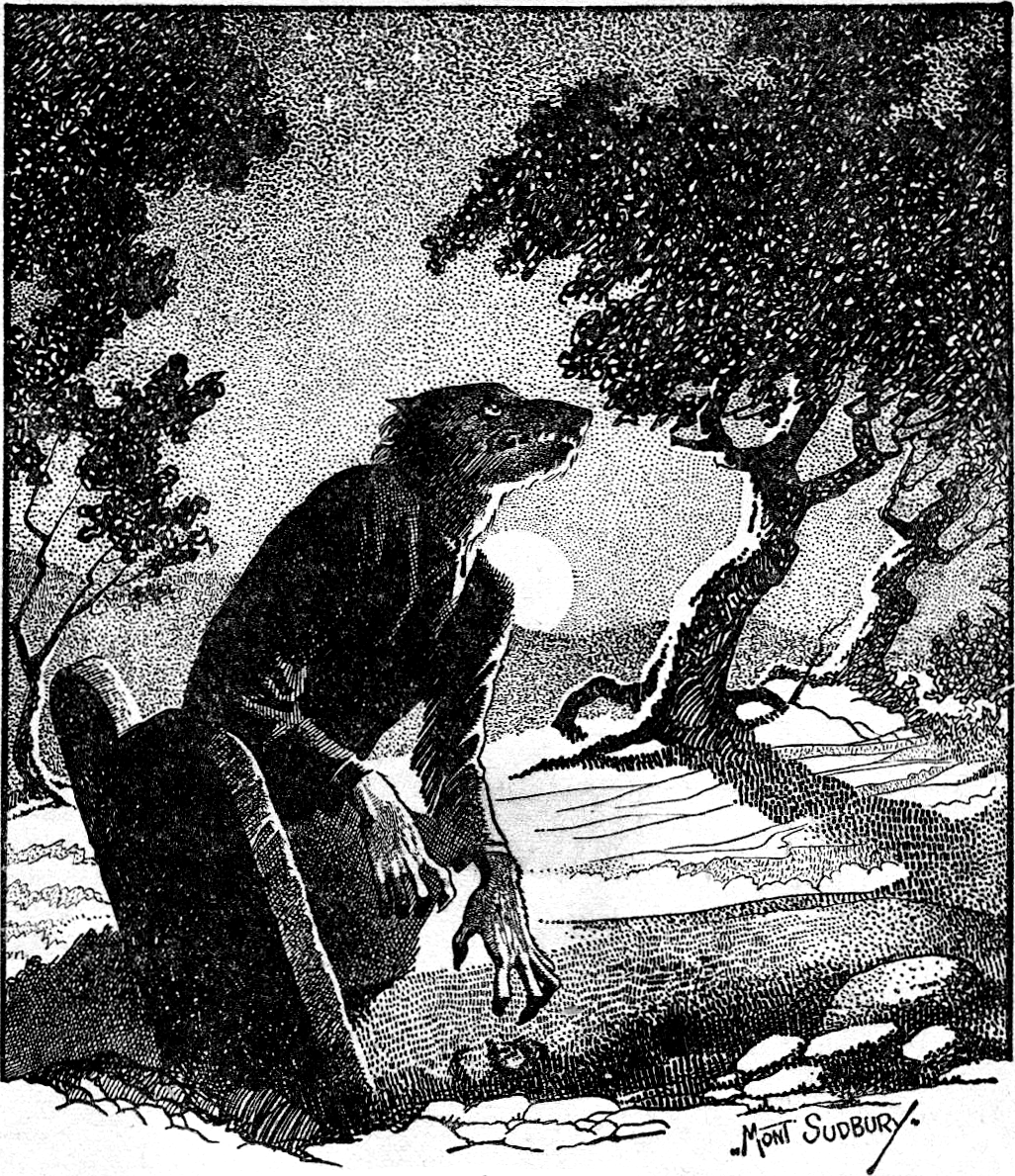 🇫🇷 France and 5 moreWerewolf
A mythical shapeshifter that turns into a wolf, central to European witch-hunts and Gothic horror.Being · Cursing and harm · Wonder and entertainment Legendary
🇩🇪 Germany and 1 moreNachzehrer
A German revenant believed to consume the living from beyond the graveBeing · Cursing and harm Legendary
🇫🇷 France and 5 moreWerewolf
A mythical shapeshifter that turns into a wolf, central to European witch-hunts and Gothic horror.Being · Cursing and harm · Wonder and entertainment Legendary
🇩🇪 Germany and 1 moreNachzehrer
A German revenant believed to consume the living from beyond the graveBeing · Cursing and harm Legendary
 🇩🇪 GermanyAlp
A Germanic spirit that presses on sleepers and drinks milkBeing · Cursing and harm · Luck and prosperity Historical
🇩🇪 GermanyAlp
A Germanic spirit that presses on sleepers and drinks milkBeing · Cursing and harm · Luck and prosperity Historical
 🇷🇺 Russia and 4 moreLady MiddayPoludnitsa
A Slavic noon spirit who watches over fields and punishes those who work during the hottest hours.Being · Cursing and harm · Protection Historical
🇷🇺 Russia and 4 moreLady MiddayPoludnitsa
A Slavic noon spirit who watches over fields and punishes those who work during the hottest hours.Being · Cursing and harm · Protection Historical
Related elsewhere
All being 🇪🇬 Egypt and 1 moreLilithלִילִית
A feminine figure from Mesopotamian and Jewish mythology, often depicted as a night demon or spirit.Being · Cursing and harm Legendary
🇪🇬 Egypt and 1 moreLilithלִילִית
A feminine figure from Mesopotamian and Jewish mythology, often depicted as a night demon or spirit.Being · Cursing and harm Legendary
 🇪🇬 EgyptCurse
A spoken wish for misfortune to befall a person or placeBelief · Cursing and harm · Luck and prosperity Historical
🇪🇬 EgyptCurse
A spoken wish for misfortune to befall a person or placeBelief · Cursing and harm · Luck and prosperity Historical
 🇺🇸 United StatesSalem Witch Trials
A colonial legal crisis where over two hundred people faced accusations of sorcery in Massachusetts.Belief · Cursing and harm Historical
🇺🇸 United StatesSalem Witch Trials
A colonial legal crisis where over two hundred people faced accusations of sorcery in Massachusetts.Belief · Cursing and harm Historical
 🇮🇳 India and 5 moreHoliहोली
A Hindu spring festival marked by coloured powders and bonfires to celebrate love and virtue.Tradition · Love and attraction · Cursing and harm Living
🇮🇳 India and 5 moreHoliहोली
A Hindu spring festival marked by coloured powders and bonfires to celebrate love and virtue.Tradition · Love and attraction · Cursing and harm Living