
Molybdomancy
from Greek molybdos (lead) and -mancy (divination)
A divination method using molten metal poured into water to read omens
Molybdomancy is a form of divination that uses molten lead or tin dropped into cold water. The resulting shapes are interpreted as symbols for future events. It is practiced in parts of Europe and Turkey, often during New Year celebrations.
- Molten metal shapes predict future events
- Known as uudenvuodentina in Finland
- Lead use banned in Finland since 2018
- Associated with New Year's Eve traditions
- Health risks include lead and antimony poisoning
What it is
Molybdomancy is a divinatory practice where molten metal is poured into water. The cooling metal forms shapes that practitioners interpret as signs about the future. This custom appears across several European countries and in Turkey. It is often linked to seasonal transitions, particularly the start of the new year. The practice relies on symbolic reading rather than literal prediction. Different cultures assign specific meanings to the resulting forms.
Where it comes from
The term derives from Ancient Greek words for lead and divination. Historical records show its presence in various folk traditions. Scholars note its use in medieval contexts. The practice likely evolved from earlier metal-working rituals. Its spread across Central and Eastern Europe suggests shared cultural exchanges. Jewish communities adapted it as a folk healing rite known as Bley-gisn.
How it is done
Practitioners melt lead or tin in a ladle over an open flame. The liquid metal is then quickly poured into a container of cold water. The sudden cooling solidifies the metal into a unique shape. Some interpret the shape directly. Others hold it under candlelight to cast shadows. The interpretation depends on resemblance to objects like ships or keys. A bubbly texture might mean wealth, while a broken piece could signal trouble.
Tools and materials
The primary tool is a small ladle or spoon for melting. A deep bowl or bucket of water is essential for cooling. In some versions, a besom twig is used to guide the pour. Modern safety regulations have shifted many users toward tin due to health concerns regarding lead toxicity.
Molybdomancy, drawn and placed
- Living
- Revived
- Fading
- Historical
- Legendary
- Performed
- Lineage
- European folk divination
- Timing
- New Year's Eve
What it is for
People use this method to foresee events in the coming year. It is also employed for spiritual cleansing and removing negative influences. In Jewish folk medicine, it addresses illness believed to stem from fright. Practitioners seek guidance on career, travel, or family matters. The ritual provides a tangible focus for anxiety about the unknown.
Who does it
The practice is typically performed by household members. Women often lead the ritual in Jewish and Turkish contexts. In Finland, it is a communal family activity. Professional diviners may offer services in some regions. Training is usually informal, passed down through generations. Safety awareness has increased among modern practitioners.
Peoples and places
Finns call the rite uudenvuodentina. German speakers refer to it as Bleigießen. Turks know it as kurşun dökme. Jewish communities use the Yiddish term Bley-gisn. These variations share core mechanics but differ in symbolic interpretation. Each culture assigns local meaning to the shapes formed in the water.
At a glance: who, where and when
Belief worlds
Occasions


What people believe
The underlying belief holds that matter captures spiritual truths. Shapes are seen as direct messages from unseen forces. Specific forms correspond to life domains: keys for work, horses for vehicles. The process transforms chaotic energy into readable order. Skeptics view it as psychological projection. Believers see it as a valid channel for insight.
When it is done
The most common time for this rite is New Year's Eve. It marks the transition between years. Some groups perform it during Christmas. The timing aligns with periods of reflection and renewal. Seasonal changes are thought to heighten the ritual's potency.
How scholars and sceptics see it
Anthropologists study these rites as expressions of cultural identity. Researchers at Ankara University documented health risks associated with the practice. Studies highlight cases of antimony and lead poisoning. Historians trace the custom to medieval European sources. Psychologists analyze the interpretive process as a coping mechanism for uncertainty.
Cautions and what is closed
Health agencies warn against using lead due to poisoning risks. Finnish authorities banned lead sales for this purpose in 2018. Turkish studies report significant health hazards for participants. Proper ventilation and protective gear are recommended. Some regions substitute tin or wax to reduce toxicity. Ignoring safety can lead to serious medical conditions.
Compare and confuse
This practice resembles carromancy, which uses molten wax. Both involve pouring hot material into water. Other divination methods include scrying or reading tea leaves. Unlike card-based systems, molybdomancy relies on physical transformation. The symbolic language overlaps with general fortune-telling tropes.
Law and persecution
European Union regulations restrict the sale of toxic lead products. Finland explicitly banned lead bullions for public use. Other countries encourage safer alternatives like tin. Legal status varies by region and material type. Enforcement focuses on consumer safety rather than banning the practice itself.
Questions people ask about Molybdomancy
What is molybdomancy?
It is a divination method where molten lead or tin is poured into water. The resulting shapes are interpreted as omens for the future. This practice is found in various European and Turkish cultures.
Where does the word come from?
The name comes from the Ancient Greek word molybdos, meaning lead, combined with -mancy, denoting divination. It literally translates to lead-divination.
Is it safe to perform?
Traditional lead pouring poses health risks. Studies report cases of lead and antimony poisoning. Many places now recommend using tin instead to avoid toxicity.
When is it usually done?
It is most commonly performed on New Year's Eve. Some groups also practice it during Christmas. The timing coincides with seasonal transitions and new beginnings.
Good reading and sources
- Molybdomancy on WikipediaEncyclopedia
- More photos on Wikimedia CommonsPhotos and video
- Wikidata recordOpen data
The facts on this page come from the Wikipedia article "Molybdomancy", written by its contributors and used under the CC BY-SA 4.0 licence, and from its Wikidata record (CC0). EveryJaadu rewrote the text in its own words, with AI assistance, and compares every page with the article to make sure no passage is copied. It may be reused under the same CC BY-SA 4.0 licence with a link back.
It may contain mistakes. Names and customs differ from one community to the next, and some knowledge is closed to outsiders and left out here. This page describes belief and practice. It does not say that any of it works, it is not a how-to, and it is not medical advice. If something is wrong, tell us. Last refreshed 2026-10-06.
More from Finland
All the entries from Finland 🇩🇪 Germany and 7 moreWalpurgis NightWalpurgisnacht
A spring vigil marking the eve of Saint Walpurga's feast day with bonfires and student festivalsRite · Protection · Speaking with spirits and the dead Living
🇩🇪 Germany and 7 moreWalpurgis NightWalpurgisnacht
A spring vigil marking the eve of Saint Walpurga's feast day with bonfires and student festivalsRite · Protection · Speaking with spirits and the dead Living
 🇪🇸 Spain and 5 moreSt John's Eve
A Christian vigil marked by bonfires and plant gathering on the summer solstice eveRite · Protection · Speaking with spirits and the dead Living
🇪🇸 Spain and 5 moreSt John's Eve
A Christian vigil marked by bonfires and plant gathering on the summer solstice eveRite · Protection · Speaking with spirits and the dead Living
 🇸🇪 Sweden and 5 moreMidsummerJāņi; Joninės; Jaanipäev; Enyovden; Litha; Juhannus
A summer solstice festival marked by bonfires, maypole dancing, and feasting across Europe.Tradition · Protection · Luck and prosperity Living
🇸🇪 Sweden and 5 moreMidsummerJāņi; Joninės; Jaanipäev; Enyovden; Litha; Juhannus
A summer solstice festival marked by bonfires, maypole dancing, and feasting across Europe.Tradition · Protection · Luck and prosperity Living
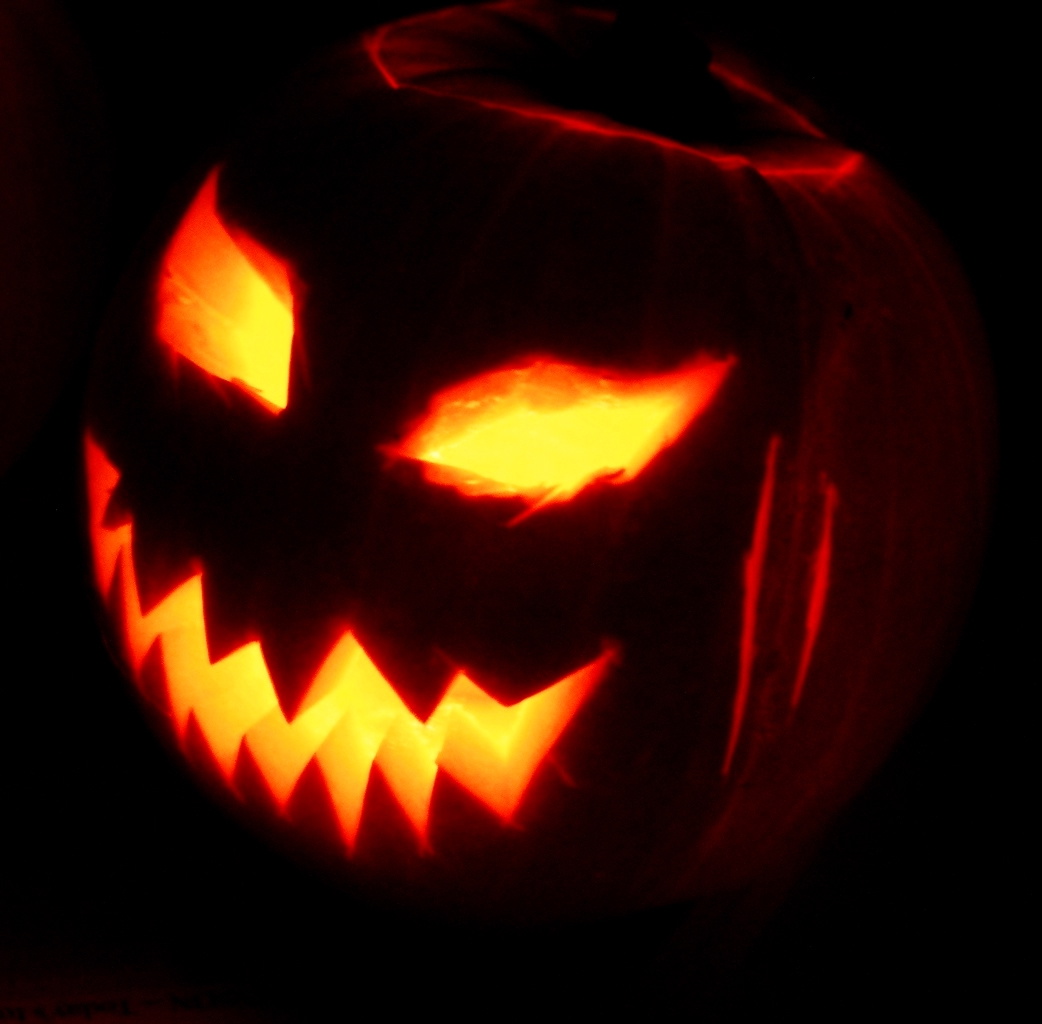 🇮🇪 Ireland and 5 moreHalloween
A Christian vigil on 31 October for the dead, now marked by costumes and carved vegetablesRite · Speaking with spirits and the dead · Protection Living
🇮🇪 Ireland and 5 moreHalloween
A Christian vigil on 31 October for the dead, now marked by costumes and carved vegetablesRite · Speaking with spirits and the dead · Protection Living
Related elsewhere
All rite 🇸🇸 South Sudan and 1 moreAzande witchcraft
A Zande belief that certain people harm others by an inherited power, judged by oraclesBelief · Cursing and harm · Seeing and foretelling Living
🇸🇸 South Sudan and 1 moreAzande witchcraft
A Zande belief that certain people harm others by an inherited power, judged by oraclesBelief · Cursing and harm · Seeing and foretelling Living
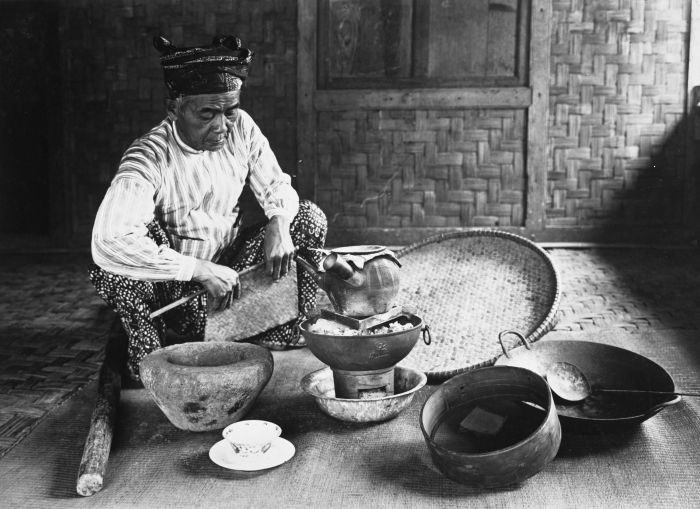 🇮🇩 Indonesia and 2 moreDukun
A traditional healer and spirit medium in Indonesian folk practiceTradition · Healing · Seeing and foretelling Living
🇮🇩 Indonesia and 2 moreDukun
A traditional healer and spirit medium in Indonesian folk practiceTradition · Healing · Seeing and foretelling Living
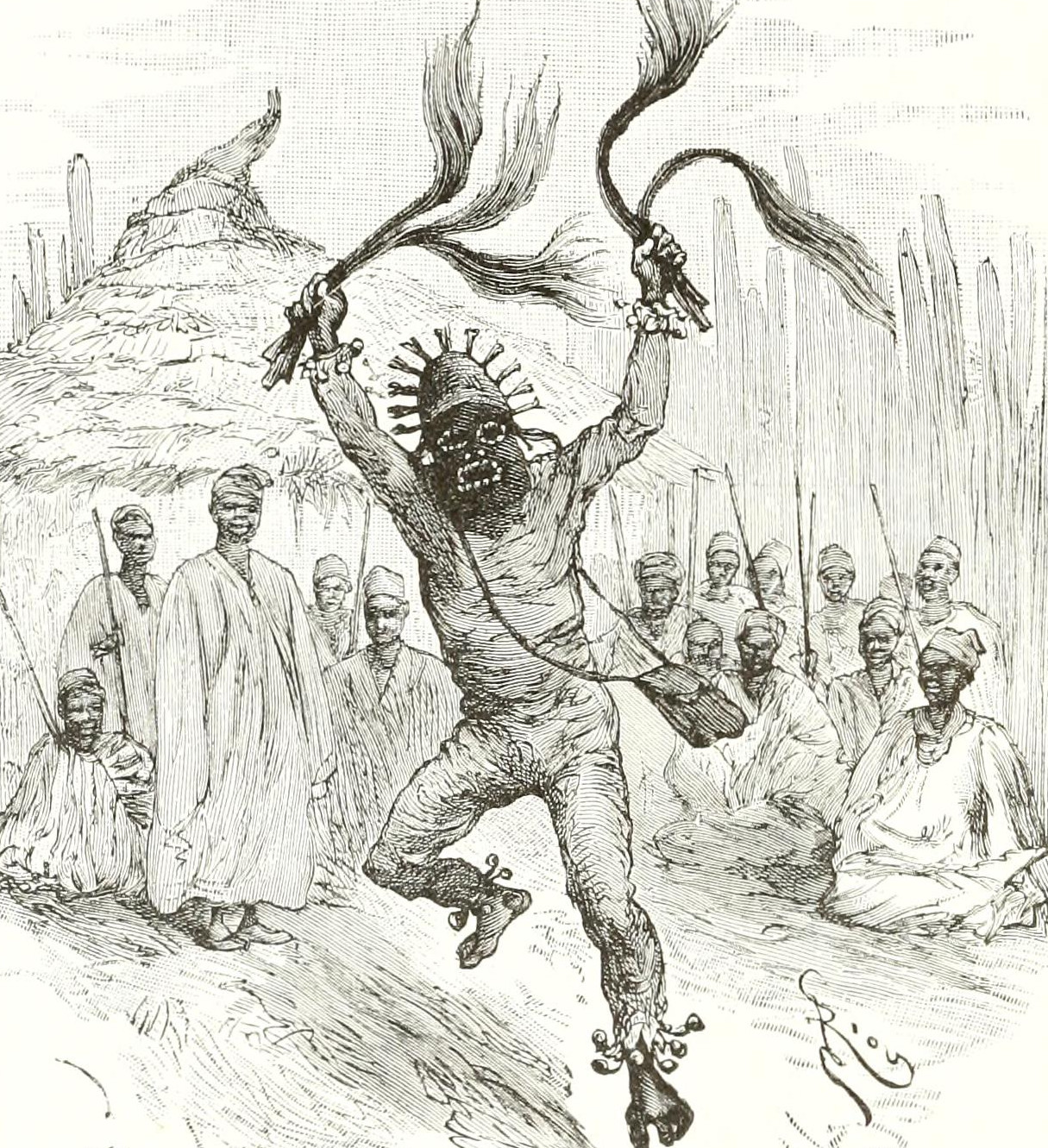 🇺🇸 United States and 2 moreLouisiana Voodoo
An African diasporic religion practiced in Louisiana from the 18th to early 20th centuriesTradition · Healing · Protection Historical
🇺🇸 United States and 2 moreLouisiana Voodoo
An African diasporic religion practiced in Louisiana from the 18th to early 20th centuriesTradition · Healing · Protection Historical