Philipp Adolf von Ehrenberg
A German prince-bishop who directed a massive witch-hunt in the 1620s
Philipp Adolf von Ehrenberg served as the ruler of the Würzburg bishopric during the Thirty Years' War. He is remembered for overseeing one of the largest and most intense periods of persecution against people accused of witchcraft in early modern Europe.
- Led the Würzburg witch trials between 1626 and 1631
- Approximately 900 people were executed during his rule
- Most executions were carried out by burning at the stake
- His own nephew, Ernst, was accused and executed
- Served as Prince-Bishop from 1623 until his death in 1631
What it is
Philipp Adolf von Ehrenberg was a high-ranking Catholic cleric and secular ruler in the Holy Roman Empire. He held the title of Prince-Bishop, meaning he governed both the spiritual affairs of his diocese and its political territory. Historians view him primarily as an architect of violence rather than a religious leader. His tenure is defined by the systematic elimination of neighbors through judicial murder. He represents the extreme end of early modern European anxiety about heresy and sorcery.
Where it comes from
He entered the world in Heinsheim in September 1583. His family held significant standing in the region. His mother was the sibling of Julius Echter von Mespelbrunn, the previous Prince-Bishop. This uncle had already initiated severe crackdowns on alleged witches. Philipp Adolf inherited this aggressive stance toward perceived enemies of the faith. He rose through church ranks to succeed his uncle in leadership. The political landscape of Germany was fracturing under the weight of the Thirty Years' War.
How it is done
The bishop utilized the existing legal framework of the Holy Roman Empire to conduct his purge. Accusations were brought before local courts. Torture was employed to extract confessions from the accused. These confessions often named others, creating a chain reaction of arrests. Those found guilty were sentenced to death. The primary method of execution was burning at the stake. The process was bureaucratic and relentless, covering five years of continuous activity.
Tools and materials
The machinery of the state served as his primary instrument. Ecclesiastical authority provided the moral justification for the killings. Imperial law offered the procedural cover for the trials. Fire was the chosen method for destroying the condemned bodies. The cathedral chapter provided the initial political backing for his election. No specific magical tools are recorded; the violence was administrative and legalistic.
Philipp Adolf von Ehrenberg, drawn and placed
- Living
- Revived
- Fading
- Historical
- Legendary
- Performed
- Lineage
- Catholic Church hierarchy
What it is for
Von Ehrenberg aimed to purify his territory of what he viewed as demonic influence. He sought to strengthen Catholic orthodoxy during the Counter-Reformation. Persecuting witches was seen as a way to protect the community from divine wrath. He also targeted political rivals and those who opposed his rule. The deaths of nearly nine hundred people were intended to enforce absolute conformity.
Who does it
As the supreme authority in the region, he directed the entire operation. He did not perform the executions himself but ordered them. He relied on judges, torturers, and executioners to carry out the work. His nephew, Ernst von Ehrenberg, was among those accused and executed. This familial betrayal highlights the indiscriminate nature of the terror. The bishop remained untouchable throughout the campaign.
Peoples and places
The victims were drawn from all levels of Würzburg society. Neighbors turned against neighbors in a climate of suspicion. The campaign affected Germans across the bishopric. It stands as a stark example of how local power structures could be weaponized. The scale of the violence shocked contemporaries and later historians alike. It remains a dark chapter in the history of the region.
At a glance: who, where and when
What people believe
The bishop operated within a worldview that accepted the reality of witchcraft. He believed that pacts with the devil posed an existential threat to Christian society. Purging these individuals was a sacred duty. The Counter-Reformation ideology demanded the eradication of any deviation from Catholic doctrine. Heresy and sorcery were seen as intertwined dangers requiring immediate and severe punishment.
When it is done
The main period of persecution lasted from 1626 until his death in 1631. This coincided with the height of the Thirty Years' War. The violence was not tied to specific seasonal festivals but was a continuous policy. It ended abruptly with his death from illness in July 1631.
How scholars and sceptics see it
Historians classify this event as one of the largest witch hunts in history. Researchers point to the involvement of a close relative as evidence of the trial's corruption. Scholars note the use of torture as a standard investigative tool. The event is studied as a case study in state-sponsored terror and religious extremism. It illustrates the collapse of legal safeguards in times of crisis.
Cautions and what is closed
The trials resulted in the deaths of approximately nine hundred people. Many were burned alive. The process involved widespread torture and coerced confessions. The accusation of a family member demonstrates the lack of due process. The violence left a lasting scar on the collective memory of the region.
Compare and confuse
His actions mirror other witch-hunts led by secular authorities in Germany. Unlike some hunts driven by popular panic, this was top-down and organized. It shares similarities with the Bamberg witch trials. However, the direct involvement of his nephew sets it apart in terms of internal betrayal.
Law and persecution
The bishop used imperial law to legitimize the executions. Courts operated under the Carolina code, which permitted torture. The legal system failed to protect the accused from political and religious pressure. The state apparatus was fully mobilized for the purpose of extermination. No legal recourse was available to those accused.
Questions people ask about Philipp Adolf von Ehrenberg
Who was Philipp Adolf von Ehrenberg?
He was a German Catholic cleric who served as the Prince-Bishop of Würzburg. He is historically noted for overseeing a massive campaign of witch persecutions in the late 1620s.
Where did the witch trials take place?
The trials occurred in the territory of the Prince-Bishopric of Würzburg, located in present-day Germany. The center of operations was the city of Würzburg itself.
How many people were killed?
Historical records indicate that around 900 individuals were executed. They were convicted of witchcraft and typically burned at the stake.
Did his family suffer during the trials?
Yes, his nephew Ernst von Ehrenberg was among the accused. He was convicted and executed, highlighting the arbitrary nature of the accusations.
When did his reign end?
His rule ended with his death in July 1631. He died at the age of 47, bringing an abrupt halt to the active phase of the witch hunt.
Good reading and sources
- Philipp Adolf von Ehrenberg on WikipediaEncyclopedia
- More photos on Wikimedia CommonsPhotos and video
- Wikidata recordOpen data
The facts on this page come from the Wikipedia article "Philipp Adolf von Ehrenberg", written by its contributors and used under the CC BY-SA 4.0 licence, and from its Wikidata record (CC0). EveryJaadu rewrote the text in its own words, with AI assistance, and compares every page with the article to make sure no passage is copied. It may be reused under the same CC BY-SA 4.0 licence with a link back.
It may contain mistakes. Names and customs differ from one community to the next, and some knowledge is closed to outsiders and left out here. This page describes belief and practice. It does not say that any of it works, it is not a how-to, and it is not medical advice. If something is wrong, tell us. Last refreshed 2026-10-06.
More from Germany
All the entries from Germany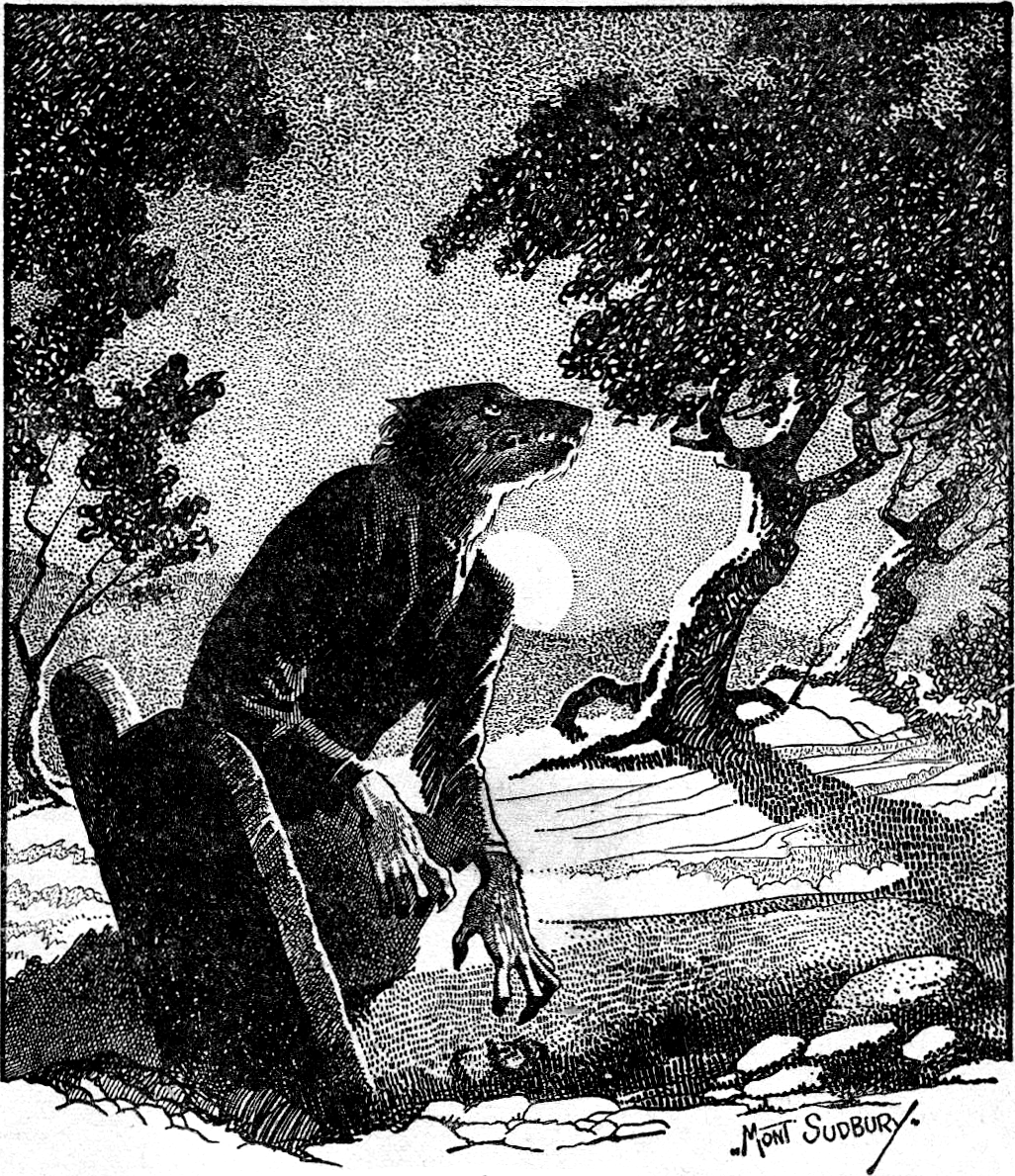 🇫🇷 France and 5 moreWerewolf
A mythical shapeshifter that turns into a wolf, central to European witch-hunts and Gothic horror.Being · Cursing and harm · Wonder and entertainment Legendary
🇫🇷 France and 5 moreWerewolf
A mythical shapeshifter that turns into a wolf, central to European witch-hunts and Gothic horror.Being · Cursing and harm · Wonder and entertainment Legendary
 🇩🇪 GermanyPied Piper of Hamelinder Rattenfänger von Hameln
A medieval legend about a piper who leads children away from the town of HamelinFigure · Cursing and harm · Luck and prosperity Legendary
🇩🇪 GermanyJohannes Junius
Mayor of Bamberg executed in the witch trials, known for a letter to his daughterFigure Historical
🇩🇪 GermanyPied Piper of Hamelinder Rattenfänger von Hameln
A medieval legend about a piper who leads children away from the town of HamelinFigure · Cursing and harm · Luck and prosperity Legendary
🇩🇪 GermanyJohannes Junius
Mayor of Bamberg executed in the witch trials, known for a letter to his daughterFigure Historical
 🇧🇷 Brazil and 5 moreWhite Lady
A female ghost in white clothing linked to tragedy and omens across many culturesFigure · Cursing and harm · Seeing and foretelling Legendary
🇧🇷 Brazil and 5 moreWhite Lady
A female ghost in white clothing linked to tragedy and omens across many culturesFigure · Cursing and harm · Seeing and foretelling Legendary
Related elsewhere
All figure 🇪🇬 Egypt and 1 moreLilithלִילִית
A feminine figure from Mesopotamian and Jewish mythology, often depicted as a night demon or spirit.Being · Cursing and harm Legendary
🇪🇬 Egypt and 1 moreLilithלִילִית
A feminine figure from Mesopotamian and Jewish mythology, often depicted as a night demon or spirit.Being · Cursing and harm Legendary
 🇪🇬 EgyptCurse
A spoken wish for misfortune to befall a person or placeBelief · Cursing and harm · Luck and prosperity Historical
🇪🇬 EgyptCurse
A spoken wish for misfortune to befall a person or placeBelief · Cursing and harm · Luck and prosperity Historical
 🇹🇷 Turkey and 5 moreEvil eye
A curse caused by an envious look and the charms used to block itBelief · Protection · Cursing and harm Living
🇹🇷 Turkey and 5 moreEvil eye
A curse caused by an envious look and the charms used to block itBelief · Protection · Cursing and harm Living
 🇺🇸 United StatesSalem Witch Trials
A colonial legal crisis where over two hundred people faced accusations of sorcery in Massachusetts.Belief · Cursing and harm Historical
🇺🇸 United StatesSalem Witch Trials
A colonial legal crisis where over two hundred people faced accusations of sorcery in Massachusetts.Belief · Cursing and harm Historical