
Will-o'-the-wisp
from wisp, a bundle of sticks, and the name Will, meaning 'Will of the torch'
A ghostly light in folklore that guides or misleads travellers over marshes and bogs.
A will-o'-the-wisp is an atmospheric light seen at night over wetlands. Folklore attributes it to spirits, fairies, or ghosts meant to guide or trick travellers. Modern science explains the glow as natural chemical reactions from decaying organic matter.
- Term comes from 'wisp' (torch bundle) and 'Will'
- Latin ignis fatuus means 'foolish fire'
- Caused by oxidation of phosphine and methane
- Seen as souls of unbaptised children in Europe
- Marks buried treasure in Finnish and South American lore
What it is
A will-o'-the-wisp is a faint, flickering light observed at night over bogs, swamps, or marshes. In global folklore, these lights are interpreted as supernatural entities. They are often described as dancing or flowing before vanishing when approached. The phenomenon appears across many cultures under different names. Some traditions view them as elemental spirits or fairies. Others see them as the restless souls of the dead. The lights are said to either reveal hidden paths or lead travellers astray into dangerous terrain.
Where it comes from
The term originates from 'wisp', a bundle of sticks used as a torch, combined with the name 'Will'. This creates the meaning 'Will of the torch'. The Latin phrase ignis fatuus translates to 'foolish fire' but was coined in sixteenth-century Germany by a humanist. He likely translated the German word Irrlicht to give the local folklore intellectual weight. Ancient Romans did not use this specific Latin term for the phenomenon. The concept of wandering lights appears in early Chinese oracle bones from the Shang dynasty.
How it is done
Travellers report seeing isolated orbs of light hovering low over water or wet ground. The lights often move erratically, mimicking a flickering lamp. If followed, they may retreat or disappear entirely. In some legends, the lights mark specific locations on the ground. Followers might believe these spots hide buried treasure. The lights are typically observed during dark nights in remote rural areas. They do not appear to have a fixed shape, often shifting between static and moving forms.
Tools and materials
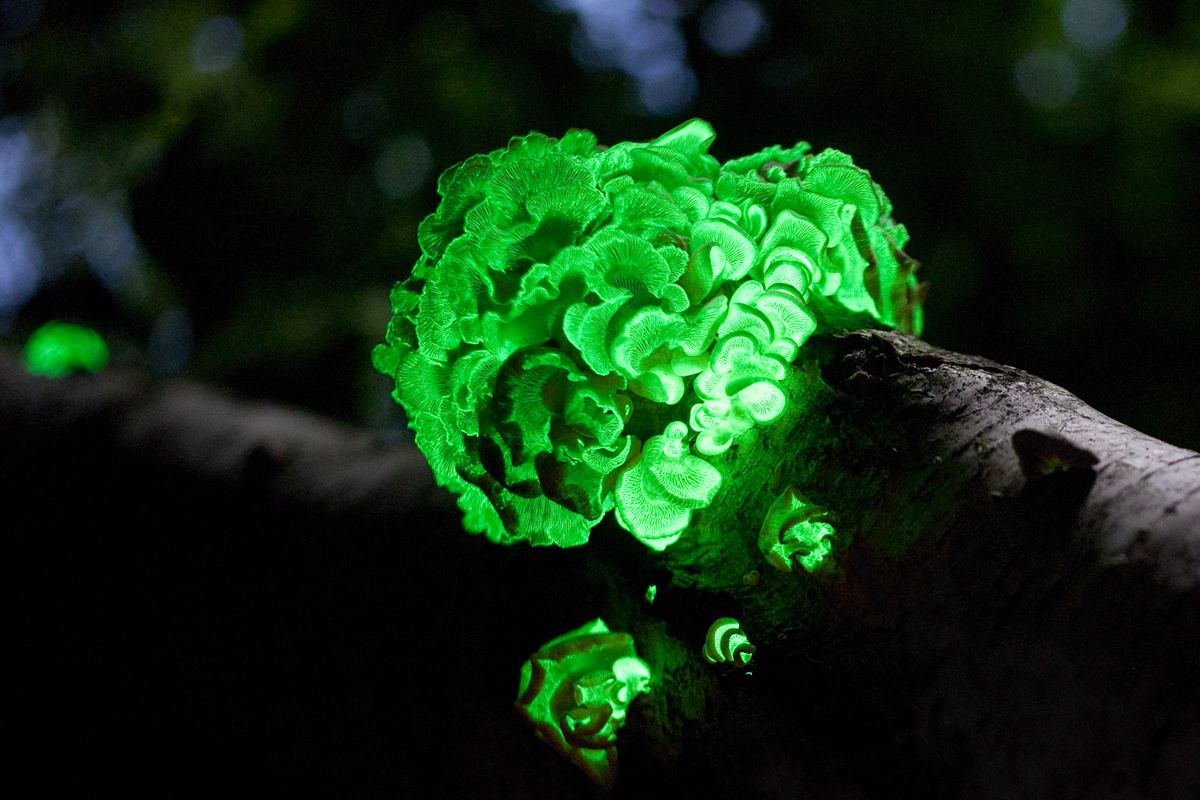
Modern science identifies the light as chemiluminescence or bioluminescence. It results from the oxidation of gases like phosphine and methane. These gases are produced by the decay of organic matter in wetlands. Folklore does not use physical tools to create the lights. Instead, it relies on interpretation. Some traditions use magical procedures or dead hands to claim treasure marked by the lights.
Will-o'-the-wisp, drawn and placed
- Living
- Revived
- Fading
- Historical
- Legendary
- Performed
- Lineage
- Nordic folklore
- Timing
- at night over bogs and swamps
What it is for
In belief systems, the lights serve as markers or guides. They are said to indicate the location of buried gold or silver. Some tales suggest treasures were hidden by Jesuits or during wars. Other stories claim the lights protect sacred sites from casual discovery. The lights are also believed to represent souls seeking baptism or redemption. In some regions, they warn fishermen of dangers or help them avoid drowning.
Who does it
Scholars and folklorists study the various names and stories associated with the lights. Local communities in marshy regions traditionally tell stories about the phenomena. Fishermen in Bengal interpret the lights as spirits of deceased colleagues. European scholars analyze the linguistic evolution of terms like ignis fatuus. No specific class of magician or priest performs rituals to summon the lights.
Peoples and places
The phenomenon appears in European, Asian, and American folklore. Germans call it Irrlicht, while Swedes see it as unbaptised souls. Finns associate it with faerie gold. Bengali fishermen view it as marsh ghosts. In the Americas, Mexican folklore links it to witches. Brazilian tradition calls it Boitatá, a fiery serpent. Argentine and Uruguayan cultures fear it as luz mala. Korean folklore describes it as goblin fire in rice paddies.
At a glance: who, where and when
Who does it
Belief worlds


What people believe
Many traditions link the lights to the afterlife. These spirits are said to flit between heaven and hell. Some believe they seek water to achieve salvation. Others view them as malicious entities causing mischief. In Louisiana, the fifollet is a soul returning for vengeance. Japanese folklore associates similar lights with foxes and human souls near graves.
When it is done
The lights are primarily a nighttime occurrence. Specific times vary by region. In Finland, early autumn is considered the best season to find them. Some legends tie their appearance to the summer solstice. Treasure markers are said to be visible only when the fire is present. No major religious festivals are directly linked to the lights themselves.
How scholars and sceptics see it
Scientists explain the lights through chemistry and biology. The glow comes from gases released by rotting vegetation in anaerobic conditions. Phosphine and methane oxidize upon contact with air, producing light. This process is known as chemiluminescence. Folklorists document the cultural variations in naming and storytelling. Historians trace the etymology of terms like ignis fatuus to sixteenth-century Germany rather than antiquity.
Cautions and what is closed
Following the lights is considered dangerous in many tales. Travellers risk getting lost or falling into pits and swamps. In Bengal, following the lights can lead to drowning. Some legends describe the lights as malevolent spirits that harm humans. Children are sometimes targeted by entities like the fifollet. The lights offer no real guidance and can cause physical harm if pursued.
Compare and confuse
The will-o'-the-wisp is confused with other ghost lights globally. Jack-o'-lantern originally referred to these atmospheric lights before becoming associated with carved pumpkins. Ignis fatuus is the Latin equivalent used in scholarly contexts. Different cultures have unique names like hinkypunk in the UK or Aleya in Bangladesh. All describe similar nocturnal glows over wetlands or graveyards.
Questions people ask about Will-o'-the-wisp
What causes a will-o'-the-wisp?
Science says it is chemiluminescence from decaying matter. Gases like phosphine and methane rise from wetlands. They oxidize in the air, creating a faint glow. Folklore attributes it to spirits or fairies instead.
Where does the name come from?
It combines 'wisp', a bundle of sticks for a torch, with the name 'Will'. This means 'Will of the torch'. The Latin term ignis fatuus was coined later in Germany to translate local folklore terms.
What do people believe the lights are?
Beliefs vary widely. Europeans often see unbaptised souls seeking baptism. Asians may view them as fox spirits or marsh ghosts. Americans sometimes interpret them as witches or indicators of buried treasure.
Is it dangerous to follow the light?
Folklore warns that following the light leads to danger. Travellers may get lost, fall into pits, or drown in swamps. Some legends say the lights are malicious spirits that harm those who pursue them.
Good reading and sources
- Will-o'-the-wisp on WikipediaEncyclopedia
- More photos on Wikimedia CommonsPhotos and video
- Wikidata recordOpen data
The facts on this page come from the Wikipedia article "Will-o'-the-wisp", written by its contributors and used under the CC BY-SA 4.0 licence, and from its Wikidata record (CC0). EveryJaadu rewrote the text in its own words, with AI assistance, and compares every page with the article to make sure no passage is copied. It may be reused under the same CC BY-SA 4.0 licence with a link back.
It may contain mistakes. Names and customs differ from one community to the next, and some knowledge is closed to outsiders and left out here. This page describes belief and practice. It does not say that any of it works, it is not a how-to, and it is not medical advice. If something is wrong, tell us. Last refreshed 2026-10-05.
More from Germany
All the entries from Germany 🇺🇦 Ukraine and 5 moreMugwortчорнобиль (chornóbyl')
An aromatic herb used in folk medicine, cooking, and magical protection across Eurasia.Substance · Protection · Healing Living
🇺🇦 Ukraine and 5 moreMugwortчорнобиль (chornóbyl')
An aromatic herb used in folk medicine, cooking, and magical protection across Eurasia.Substance · Protection · Healing Living
 🇩🇪 GermanyPied Piper of Hamelinder Rattenfänger von Hameln
A medieval legend about a piper who leads children away from the town of HamelinFigure · Cursing and harm · Luck and prosperity Legendary
🇩🇪 GermanyPied Piper of Hamelinder Rattenfänger von Hameln
A medieval legend about a piper who leads children away from the town of HamelinFigure · Cursing and harm · Luck and prosperity Legendary
 🇩🇪 Germany and 5 moreWitch trials in the Holy Roman Empire
A wave of executions across Central Europe between the fifteenth and eighteenth centuries.Belief · Cursing and harm Historical
🇩🇪 Germany and 5 moreWitch trials in the Holy Roman Empire
A wave of executions across Central Europe between the fifteenth and eighteenth centuries.Belief · Cursing and harm Historical
 🇩🇪 Germany and 7 moreWalpurgis NightWalpurgisnacht
A spring vigil marking the eve of Saint Walpurga's feast day with bonfires and student festivalsRite · Protection · Speaking with spirits and the dead Living
🇩🇪 Germany and 7 moreWalpurgis NightWalpurgisnacht
A spring vigil marking the eve of Saint Walpurga's feast day with bonfires and student festivalsRite · Protection · Speaking with spirits and the dead Living
Related elsewhere
All belief 🇪🇬 EgyptCurse
A spoken wish for misfortune to befall a person or placeBelief · Cursing and harm · Luck and prosperity Historical
🇪🇬 EgyptCurse
A spoken wish for misfortune to befall a person or placeBelief · Cursing and harm · Luck and prosperity Historical
 🇵🇭 PhilippinesTikbalang
A horse-headed spirit of Philippine forests that leads travelers astrayBeing · Cursing and harm · Luck and prosperity Living
🇵🇭 PhilippinesTikbalang
A horse-headed spirit of Philippine forests that leads travelers astrayBeing · Cursing and harm · Luck and prosperity Living
 🇮🇳 India and 5 moreHoliहोली
A Hindu spring festival marked by coloured powders and bonfires to celebrate love and virtue.Tradition · Love and attraction · Cursing and harm Living
🇺🇸 United StatesPukwudgie
A short forest spirit from Algonquian lore, known for mischief and danger.Being · Cursing and harm · Luck and prosperity Legendary
🇮🇳 India and 5 moreHoliहोली
A Hindu spring festival marked by coloured powders and bonfires to celebrate love and virtue.Tradition · Love and attraction · Cursing and harm Living
🇺🇸 United StatesPukwudgie
A short forest spirit from Algonquian lore, known for mischief and danger.Being · Cursing and harm · Luck and prosperity Legendary