Next: about 20 Mar 2027
Spring equinox
The day of equal day and night in March, kept by modern Pagans as Ostara, and watched at ancient sites such as Loughcrew in Ireland.

About Spring equinox
Around 20 March the sun crosses the celestial equator and day and night are close to equal. The Venerable Bede wrote of a goddess Eostre whose month gave the name for Easter, and from this the modern Pagan festival of Ostara was built, with hares and eggs as its signs, though that link to older practice is disputed. Some megalithic tombs in Ireland, such as Cairn T at Loughcrew, are lit by the equinox sunrise. Folk tradition elsewhere in Europe has fire and cleaning rites at the same season, and Persian Nowruz is set by the same moment. Dates vary between the 19th and 21st by year and time zone.
Entries tied to it


Also part of it, and being written: Equinox (The astronomical event.), Loughcrew (Neolithic cairns aligned with the equinox.).
More entries linked to Spring equinox
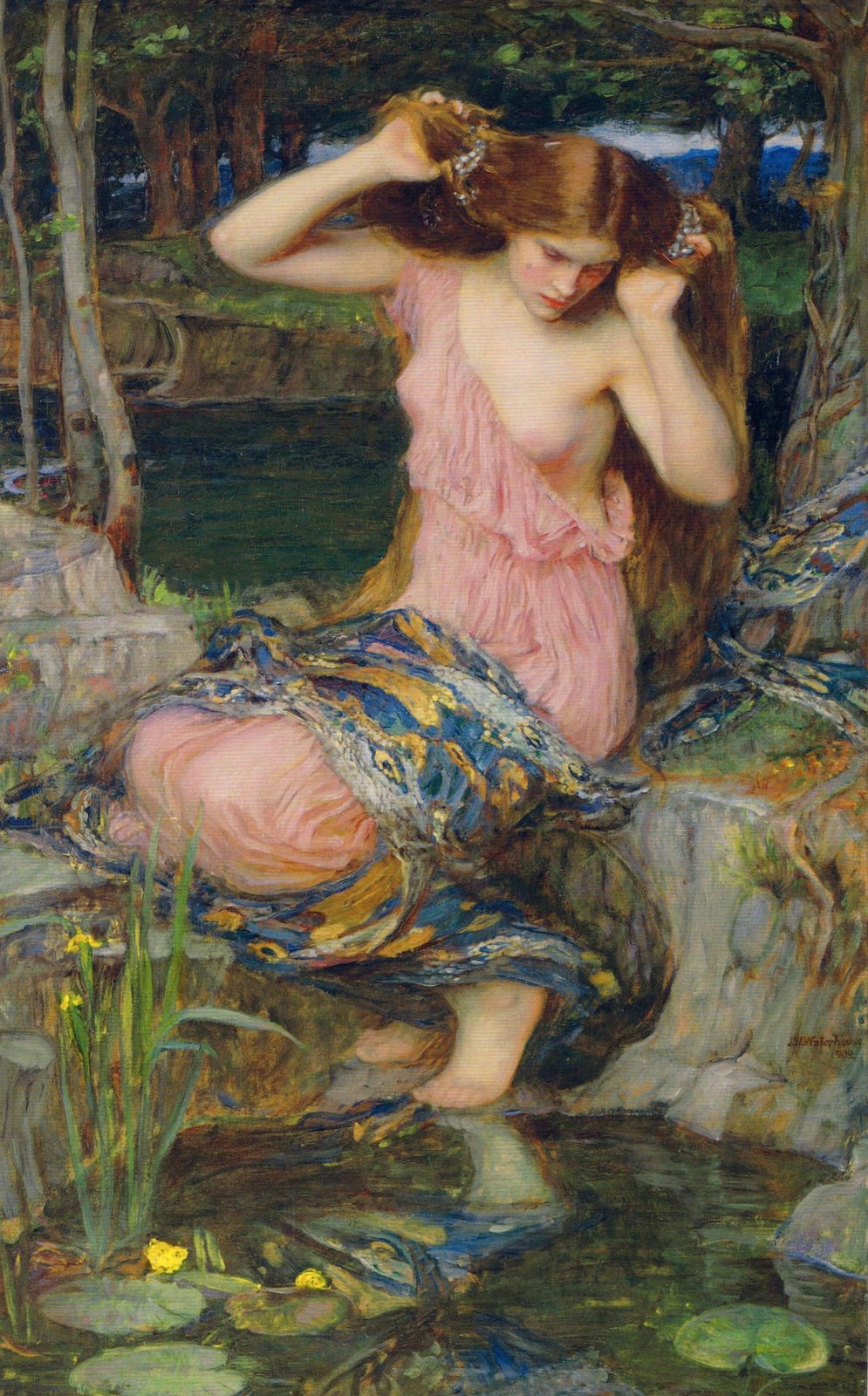 🇪🇸 SpainAnjanaanˈhana / an.xa.nɜ
Cantabrian fairies who protect forests and bring gifts to children.Being · Protection · Luck and prosperity Historical
 🇵🇱 Poland and 4 moreMoranaМорена
A Slavic goddess of winter and death, whose effigy is drowned to welcome springFigure · Cursing and harm · Power and authority Living
Written by the EveryJaadu desk with AI assistance. Background: "Equinox" on Wikipedia. Customs differ from place to place and family to family, and are described as belief and practice. If this is your tradition and we have it wrong, tell us.
Photo credits on this page
The small pictures above come from Wikimedia Commons under free licences. Some are cropped to fit.
- Anjana: John William Waterhouse, Public domain, source
- Ēostre: Johannes Gehrts (1855–1921), Public domain, source
- Morana: Marta Malina Moraczewska, CC BY-SA 4.0, source
- Wheel of the Year: Sunblade1500, CC BY-SA 3.0, source