
Basil Valentine
In its own language: Basilius Valentinus
Anglicised form of Basilius Valentinus, attributed to a Benedictine figure
A pseudonymous alchemist whose chemical writings shaped early modern chemistry and hermetic tradition.
Basil Valentine is the name given to a series of alchemical texts published in the late sixteenth century. The author was likely Johann Thölde or another German writer, not a fifteenth-century monk. His works describe chemical processes and are foundational to the history of chemistry.
- Basil Valentine is likely a pseudonym, not a real 15th-century monk
- Johann Thölde probably published the first five books in 1599
- Works describe making hydrochloric acid and sulfuric acid
- Texts were translated into French, English, and Russian
- Scholars see the works as important for early chemistry history
What it is
Basil Valentine is the name attached to a collection of influential alchemical books written in Latin and German during the late 1500s. The identity behind the pen name remains uncertain, though scholars generally agree it was not a real fifteenth-century monk. Instead, the works likely originated from one or more sixteenth-century German authors. These texts cover topics such as the nature of metals, the creation of acids, and the secrets of transmutation. They became widely read across Europe and were translated into many languages. The writings are considered important milestones in the development of both alchemy and modern chemistry.
Where it comes from
The earliest known publication under this name appeared in 1599. Historical records show no evidence of a monk named Basil Valentine existing in Germany or Rome before the seventeenth century. John Maxson Stillman noted that the biography often associated with the name was created after the books were already circulating. In the eighteenth century, some suggested Johann Thölde, a salt manufacturer, was the sole author. Modern research indicates Thölde published the first five books, but other writers contributed to the corpus over time. The persona was constructed to lend authority to the chemical knowledge contained within.
How it is done
The texts present alchemical procedures as philosophical and practical guides. They describe how to obtain ammonia by acting on sal-ammoniac with alkali. They explain the production of hydrochloric acid by acidifying brine. The works also detail the creation of ethyl chloride and oil of vitriol, now known as sulfuric acid. These methods are presented as part of a broader hermetic philosophy involving the transformation of substances. The Twelve Keys section includes woodcut engravings that accompany the instructions.
Tools and materials
The publications rely on standard laboratory materials available to early modern chemists. Key substances mentioned include sal-ammoniac, alkali, common salt, and antimony. Antimony features prominently in titles like The Triumphant Chariot of Antimony. The texts use terms like oil of vitriol for sulfuric acid. Illustrations in later editions depict apparatus and symbolic imagery related to the alchemical process. The tools serve both practical chemical functions and symbolic roles within the hermetic worldview.
Basil Valentine, drawn and placed
- Living
- Revived
- Fading
- Historical
- Legendary
- Performed
- Lineage
- Hermetic alchemy
What it is for
Readers sought these texts to understand the secrets of metals and the potential for creating gold. The works offered guidance on preparing medicines derived from minerals. They were intended for students of hermetic philosophy who wished to uncover the hidden virtues of nature. The writings promised insight into the microcosm and its connection to the macrocosm. Practitioners used them to study the properties of substances and their medicinal applications.
Who does it
The actual authors remain anonymous, though Johann Thölde is a strong candidate for the primary contributor. Scholars and historians analyze the texts to trace the evolution of chemical knowledge. The works were edited and expanded by various individuals over decades. Readers included alchemists, physicians, and natural philosophers who valued the blend of practical chemistry and esoteric theory. The community of readers helped spread the ideas across Europe through translations.
Peoples and places
The texts originated in Germany and were primarily written in German and Latin. They gained significant popularity in France, where multiple translations appeared in the seventeenth century. English-speaking audiences accessed the works through translations in the late 1600s. The widespread distribution across Europe shows the broad appeal of the pseudonymous author's ideas. Different cultures adapted the texts to their own scientific and philosophical contexts.
At a glance: who, where and when
What people believe
The writings operate within a hermetic framework that views nature as full of hidden sympathies and secrets. Alchemists believed that metals could be purified and transformed through specific processes. The texts suggest that understanding these transformations reveals divine truths. The concept of the philosopher's stone is central to the narrative. Writers claimed to possess knowledge passed down from ancient sources. This belief system combined empirical observation with spiritual interpretation, treating chemical changes as reflections of cosmic order.
When it is done
There are no specific festivals or calendar days tied to the practice of reading these texts. The publications themselves have dates of release, starting in 1599. Translations occurred throughout the seventeenth and eighteenth centuries. The works do not prescribe seasonal rituals or lunar timings for their use. They functioned as reference materials for ongoing study rather than timed ceremonies.
How scholars and sceptics see it
Historians of science view Basil Valentine as a crucial figure in the transition from alchemy to chemistry. John Maxson Stillman highlighted the lack of historical evidence for the monk persona. Modern scholarship identifies Johann Thölde as a key publisher and possibly author. Researchers study the chemical accuracy of the descriptions to assess their contribution to scientific progress. The texts are analyzed for their influence on later chemical theories and practices. Skeptics note the fictional nature of the author while acknowledging the value of the content.
Cautions and what is closed
The texts contain instructions for handling hazardous substances like acids. Early laboratories lacked modern safety standards, making these experiments risky. Some readers may have misunderstood the symbolic language as literal promises of wealth. Fraudulent claims about the power of the philosopher's stone led to financial loss for some. The pseudonymous nature of the works can cause confusion about historical facts.
Compare and confuse
Basil Valentine is sometimes confused with other alchemical figures like Paracelsus or Roger Bacon. The name resembles that of Pope Sylvester II, who was also associated with magical legends. Unlike genuine historical monks, this figure has no verifiable biographical details. They share similarities with other pseudonymous alchemical texts that used ancient names to gain credibility.
Law and persecution
There are no legal restrictions on the study or possession of these historical texts. They are public domain works available in libraries and online archives. No persecution or suppression is recorded specifically for these writings. They were freely published and translated across Europe. Modern scholars have unrestricted access to the original manuscripts and early editions.
Questions people ask about Basil Valentine
Who was Basil Valentine?
He was likely a pseudonym used by one or more sixteenth-century German authors, not a real fifteenth-century monk. Johann Thölde is a strong candidate for the primary writer behind the texts.
What did Basil Valentine write?
He wrote alchemical books describing chemical processes like making acids and working with antimony. The most famous work is The Twelve Keys of Basil Valentine, first published in 1599.
Are the books still relevant today?
Yes, they are studied by historians of science for their role in developing early chemistry. The chemical descriptions provide insight into the transition from alchemy to modern science.
Good reading and sources
- Basil Valentine on WikipediaEncyclopedia
- More photos on Wikimedia CommonsPhotos and video
- Wikidata recordOpen data
The facts on this page come from the Wikipedia article "Basil Valentine", written by its contributors and used under the CC BY-SA 4.0 licence, and from its Wikidata record (CC0). EveryJaadu rewrote the text in its own words, with AI assistance, and compares every page with the article to make sure no passage is copied. It may be reused under the same CC BY-SA 4.0 licence with a link back.
It may contain mistakes. Names and customs differ from one community to the next, and some knowledge is closed to outsiders and left out here. This page describes belief and practice. It does not say that any of it works, it is not a how-to, and it is not medical advice. If something is wrong, tell us. Last refreshed 2026-10-05.
More from Germany
All the entries from Germany 🇬🇧 United Kingdom and 5 moreAleister Crowley
English occultist and founder of the religion of ThelemaText · Power and authority · Change and initiation Living
🇬🇧 United Kingdom and 5 moreAleister Crowley
English occultist and founder of the religion of ThelemaText · Power and authority · Change and initiation Living
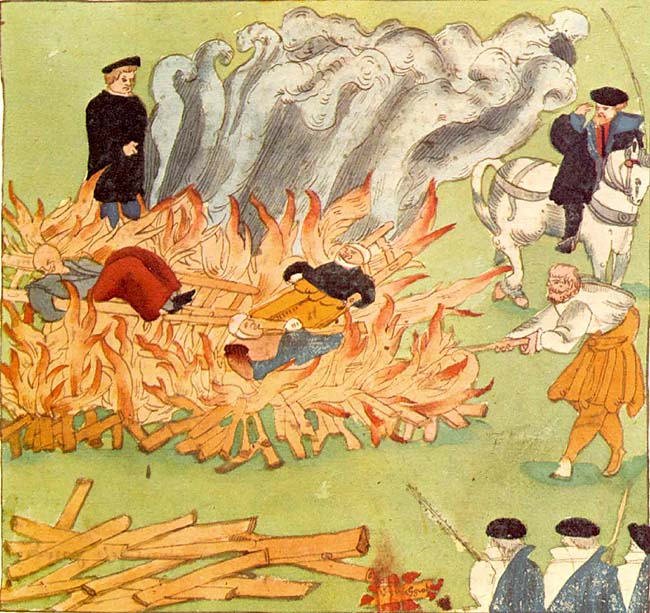 🇩🇪 GermanyMalleus Maleficarum
A 15th-century manual on witchcraft written by Heinrich KramerText · Cursing and harm · Binding and oaths Historical
🇩🇪 GermanyMalleus Maleficarum
A 15th-century manual on witchcraft written by Heinrich KramerText · Cursing and harm · Binding and oaths Historical
Related elsewhere
All text 🇮🇳 India and 5 moreAstrology
A divinatory practice that reads human fate through the positions of celestial bodies.Belief · Seeing and foretelling · Luck and prosperity Living
🇮🇳 India and 5 moreAstrology
A divinatory practice that reads human fate through the positions of celestial bodies.Belief · Seeing and foretelling · Luck and prosperity Living
 🇮🇳 India and 2 morePalmistry
A divination method that interprets the lines and shapes of the hand to predict fate or reveal character.Oracle · Seeing and foretelling · Power and authority Living
🇮🇳 India and 2 morePalmistry
A divination method that interprets the lines and shapes of the hand to predict fate or reveal character.Oracle · Seeing and foretelling · Power and authority Living
 🇨🇳 China and 3 moreChinese dragon龍
A legendary water deity and imperial symbol in East Asian cultureBeing · Protection · Luck and prosperity Historical
🇨🇳 China and 3 moreChinese dragon龍
A legendary water deity and imperial symbol in East Asian cultureBeing · Protection · Luck and prosperity Historical
 🇮🇳 India and 2 moreHomaहोम
A fire ritual found across Asian religions where offerings are burned as a votive exchange with the divine.Rite · Protection · Speaking with spirits and the dead Living
🇮🇳 India and 2 moreHomaहोम
A fire ritual found across Asian religions where offerings are burned as a votive exchange with the divine.Rite · Protection · Speaking with spirits and the dead Living