
Runes
In its own language: ᚱᚢᚾᛟ
from Proto-Germanic *rūnō, meaning secret or mystery
An ancient Germanic script used for writing and magical signs.
Runes are the letters of several related alphabets native to the Germanic peoples. They were primarily used to represent sounds but also carried symbolic meanings. The study of these scripts is known as runology.
- Earliest secure inscriptions date to AD 150
- Name means secret or mystery in Proto-Germanic
- Used by Germanic peoples across northern Europe
- Angular shapes suited for carving wood and stone
- Studied today as part of Germanic philology
What it is
Runes form a collection of alphabets used by the Germanic peoples. These systems are often called rune-rows or futharks. While their main purpose was to write down spoken language, the symbols also represented specific ideas. This dual function makes them unique among early writing systems. The academic field that studies these inscriptions and their history is called runology. It falls under the broader study of Germanic languages.
Where it comes from
The exact origin of runes remains unclear. Scholars suggest they developed from older scripts like Phoenician, Greek, or Old Italic alphabets. Some theories point to North Etruscan or Venetic sources. The angular shapes of the letters suited carving into wood or stone. The earliest secure inscriptions date to around AD 150. A possible earlier reference appears in Tacitus's writings from AD 98.
How it is done
Runes were carved or written onto various surfaces. Common materials included wood, bone, and metal objects like brooches. Early inscriptions often marked the owner or maker of an item. Some scholars believe the symbols served as magical charms rather than just text. Divination practices may have involved marking lots with rune-like signs. However, direct evidence for ritual use is limited. The script evolved through distinct phases over centuries.
Tools and materials
The primary tools were simple carving instruments suitable for hard materials. Runes appear on spear heads, shield mounts, and combs. Wooden staffs and birch bark were also used. The Codex Runicus shows handwritten examples using ink. Metal fibulae and jewelry bear early markings. The angular design facilitated quick engraving on grainy surfaces.
Runes, drawn and placed
- Living
- Revived
- Fading
- Historical
- Legendary
- Performed
- Lineage
- Germanic philology
- Timing
- 1st century AD onwards
What it is for
People used runes for everyday communication and record-keeping. They named items and identified craftsmen. Some inscriptions may have held protective or magical power. The word itself implies secrecy or hidden knowledge. Divination was a possible use, though not definitively proven. The script persisted for decorative purposes in rural areas long after it ceased regular use.
Who does it
Scholars specializing in Germanic philology study runes today. Historians analyze inscriptions to understand ancient cultures. No specific priestly class is confirmed for magical use. Ordinary people likely wrote personal messages. Elite groups may have guarded esoteric knowledge. The term suggests restricted access to certain meanings.
Peoples and places
The Germanic peoples created and used these scripts across northern Europe. Variations emerged in different regions. The Elder Futhark spread widely before AD 800. Anglo-Saxon futhorc developed in Britain. Younger Futhark variants appeared in Scandinavia. Each group adapted the system to local dialects and needs.
At a glance: who, where and when

![Runic inscription, Einangsteinen, c. 4th century AD [ek go]dagastiR ru[n]o faihido "[I, Go]dagasti painted the rune"](https://thumb.wikimedia.org/wikipedia/commons/thumb/2/2c/Einangsteinen_inscript.jpg/960px-Einangsteinen_inscript.jpg)


What people believe
The name rune means secret or mystery. This hints at a belief in hidden powers. Odin’s mythological account describes runes bringing life to the dead. Such stories reflect cultural values rather than historical facts. The script’s association with divination reinforced its sacred status. Secrecy surrounded specialized knowledge.
When it is done
Runes were used from the 1st or 2nd century AD. The Elder Futhark lasted until roughly AD 800. Anglo-Saxon runes persisted until 1100. Younger Futhark variants continued until 1500. Dalecarlian runes survived until 1800 in Sweden. Use declined as Christianity spread and Latin replaced them.
How scholars and sceptics see it
Researchers debate the script’s origins and transmission. West Germanic and Gothic hypotheses offer competing theories. Linguists trace connections to Celtic and Indo-European terms. Some view the words as shared religious concepts. Others see borrowing from unknown languages. Runology remains a specialized branch of philology.
Cautions and what is closed
The script is studied academically without risk. Modern interest focuses on history and linguistics. Misinterpretations of magical claims exist but lack evidence.
Compare and confuse
Runes differ from contemporary Latin scripts due to their angular forms. They share traits with Rhaetic and Venetic alphabets. The concept of secret writing parallels Celtic rún. Other Germanic scripts like Gothic used similar letter shapes.
Questions people ask about Runes
What do runes mean?
The word comes from Proto-Germanic *rūnō, meaning secret or mystery. It referred to both the letters and hidden knowledge. The term appears in many old Germanic languages with similar meanings.
Where did runes come from?
Runes likely developed from older alphabets like Phoenician or Greek. Scholars suggest North Etruscan or Venetic influences. The angular shapes helped carve letters into wood and stone.
Who used runes?
The Germanic peoples used runes across northern Europe. Different groups created variations like Elder Futhark and Anglo-Saxon futhorc. They wrote on wood, stone, and metal objects.
Good reading and sources
- Runes on WikipediaEncyclopedia
- More photos on Wikimedia CommonsPhotos and video
- Wikidata recordOpen data
The facts on this page come from the Wikipedia article "Runes", written by its contributors and used under the CC BY-SA 4.0 licence, and from its Wikidata record (CC0). EveryJaadu rewrote the text in its own words, with AI assistance, and compares every page with the article to make sure no passage is copied. It may be reused under the same CC BY-SA 4.0 licence with a link back.
It may contain mistakes. Names and customs differ from one community to the next, and some knowledge is closed to outsiders and left out here. This page describes belief and practice. It does not say that any of it works, it is not a how-to, and it is not medical advice. If something is wrong, tell us. Last refreshed 2026-10-05.
More from Germany
All the entries from Germany 🇬🇧 United Kingdom and 5 moreAleister Crowley
English occultist and founder of the religion of ThelemaText · Power and authority · Change and initiation Living
🇬🇧 United Kingdom and 5 moreAleister Crowley
English occultist and founder of the religion of ThelemaText · Power and authority · Change and initiation Living
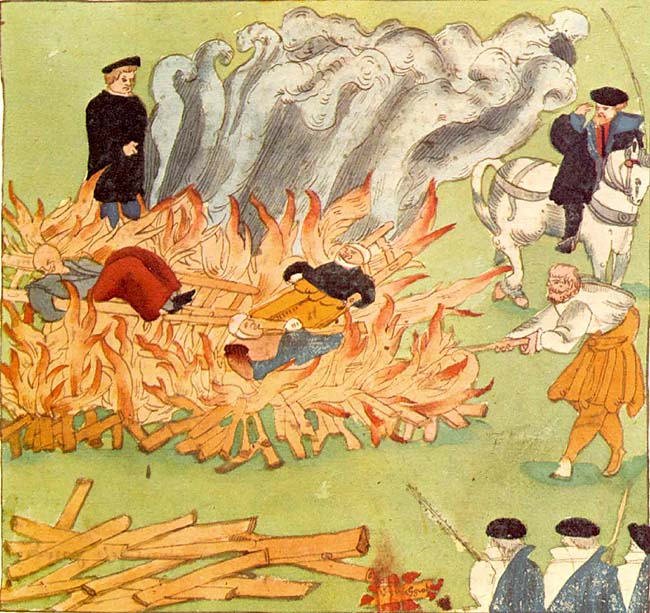 🇩🇪 GermanyMalleus Maleficarum
A 15th-century manual on witchcraft written by Heinrich KramerText · Cursing and harm · Binding and oaths Historical
🇩🇪 GermanyMalleus Maleficarum
A 15th-century manual on witchcraft written by Heinrich KramerText · Cursing and harm · Binding and oaths Historical
Related elsewhere
All text 🇮🇳 India and 5 moreAstrology
A divinatory practice that reads human fate through the positions of celestial bodies.Belief · Seeing and foretelling · Luck and prosperity Living
🇮🇳 India and 5 moreAstrology
A divinatory practice that reads human fate through the positions of celestial bodies.Belief · Seeing and foretelling · Luck and prosperity Living
 🇮🇳 India and 2 morePalmistry
A divination method that interprets the lines and shapes of the hand to predict fate or reveal character.Oracle · Seeing and foretelling · Power and authority Living
🇮🇳 India and 2 morePalmistry
A divination method that interprets the lines and shapes of the hand to predict fate or reveal character.Oracle · Seeing and foretelling · Power and authority Living
 🇩🇿 Algeria and 1 moreAhmad al-Buniأحمد البوني المالكي
A medieval Sufi scholar known for works on letter mysticism and talismansText · Power and authority · Seeing and foretelling Historical
🇩🇿 Algeria and 1 moreAhmad al-Buniأحمد البوني المالكي
A medieval Sufi scholar known for works on letter mysticism and talismansText · Power and authority · Seeing and foretelling Historical
 🇬🇹 Guatemala and 1 moreMaya mythology
The reconstructed tales of the Maya people about gods, heroes, and the creation of the world.Tradition · Seeing and foretelling · Power and authority Historical
🇬🇹 Guatemala and 1 moreMaya mythology
The reconstructed tales of the Maya people about gods, heroes, and the creation of the world.Tradition · Seeing and foretelling · Power and authority Historical