
Mare
from Proto-Germanic *marōn, meaning to crush or press
A spirit that sits on sleepers to cause nightmares and physical distress
The mare is a supernatural entity from Germanic and Slavic folklore known for sitting or riding on people while they sleep. It causes nightmares, suffocation, and sleep paralysis. The creature appears across northern Europe in various cultural traditions.
- The word mare comes from a root meaning to crush or press.
- She sits on sleepers causing suffocation and nightmares.
- German folklore says she enters through unplugged carpenter holes.
- Polish zmora can shapeshift into animals or straw.
- Scandinavian tales link her to the soul or fetch of a person.
What it is
The mare is a malicious spirit found in the folk tales of northern Europe. It is described as an unclean force or ghost that visits sleeping people. The entity sits on the chest of its victim, causing severe anxiety and a feeling of suffocation. This pressure leads to nightmares, cold sweats, and a state known as sleep paralysis. The mare is often depicted as a female being with magical powers. She can change her shape to appear as animals like cats, dogs, or horses. In some stories, she is a young woman; in others, an older, unpleasant figure. The spirit is believed to exhaust both humans and animals by riding them through the night.
Where it comes from
The word comes from Old English mære and Proto-Germanic *marōn, which means to crush or oppress. Scholars link it to roots meaning to rub away or harm. It is unrelated to the word for a female horse. The term spread through Middle English and other Germanic languages. Some researchers suggest a connection to the Greek word for doom. Others trace it to a Slavonic root that entered Germanic speech before the first century BC. The concept likely began as an explanation for medical conditions like hair plaiting or sleep disorders. Over time, it became a distinct figure in regional mythologies.
How it is done
The mare enters homes through small holes left by carpenters. To stop her, people plug these gaps. In Germany, leaving slippers upside down wards her off. Offering cold water and buttered bread may make her leave permanently. Boiling water in a new jar also drives her away. In Poland, children look out windows or cross pillows to repel her. Leaving a broom behind doors is another protective custom. These actions are based on old beliefs about trapping or distracting the spirit. They do not involve complex rituals but simple household measures.
Tools and materials
The mare uses her weight to press on sleepers. She entangles hair into knots called marelocks. Trees also suffer, with twisted branches blamed on her riding. Tools used against her include brooms, belts, and painted hands. Green paint applied to hands could trap a female mare on an oak tree. Buttered bread and cold bowls serve as offerings to send her away. Upside-down slippers act as barriers. These items rely on symbolic power rather than physical force. They reflect common household objects turned into protective charms.
Mare, drawn and placed
- Living
- Revived
- Fading
- Historical
- Legendary
- Performed
- Lineage
- Norse and Slavic mythology
- Timing
- at night during sleep
What it is for
People feared the mare because she caused physical pain and mental terror. Her attacks led to exhaustion and fear of sleep. Communities developed ways to protect themselves from her visits. The goal was to prevent suffocation and nightmares. Parents taught children specific prayers and gestures to stay safe. The spirit targeted those who were vulnerable or had broken social rules. Rejected lovers or sinful women were thought to become mares after death. The purpose of the lore was to explain sudden illnesses and bad dreams.
Who does it
No single group performs rites for the mare today. Historically, ordinary households practiced protection methods. Women and children were often the focus of these beliefs. Shamans or sorceresses were sometimes accused of sending mares. In Iceland, witches were said to send their spirits as mares. Scholars study these tales to understand past fears. They analyze how medical conditions were interpreted as supernatural attacks. The role of the practitioner was usually passive, relying on charms rather than active magic.
Peoples and places
The mare appears in many European cultures. Germans call her Mahr or Mara. Poles know her as zmora or mara. Scandinavians use terms like mara or marritt. Russians have kikimora, while Serbians use zmora. Each culture adds local details to the core idea. Polish lore links her to winter goddesses and witchcraft. German tales emphasize her entry through walls. Scandinavian stories connect her to soul-fetches. Despite differences, all agree on her oppressive nature. The variations show how similar fears evolved in different regions.
At a glance: who, where and when
Who does it
Belief worlds
Occasions


What people believe
The mare is part of a worldview where spirits influence daily life. She is often the soul of a dead or wronged person. In Norse tales, she is linked to hamr, the shape-shifting soul. Slavic beliefs see her as a demon or elf. She represents the danger of the unknown at night. Her ability to shapeshift reflects fears of hidden enemies. The belief system includes rules about what creates a mare. Broken promises or improper baptisms could cause one. These rules helped communities enforce moral behavior. The spirit embodies the chaos that disrupts rest and health.
When it is done
Visits happen every night during sleep. There are no specific festivals tied to the mare. However, some tales mention annual returns. One German story says a captured mare visits once a year. The spirit is most active when people are vulnerable. Infants and pregnant women are often targeted. The belief does not follow a seasonal calendar. It is a constant threat that requires daily vigilance. Protection measures are taken before bed. The timing is linked to the cycle of day and night.
How scholars and sceptics see it
Anthropologists view the mare as a metaphor for sleep paralysis. They note similarities to modern medical understanding. Psychologists see her as a projection of anxiety. Historians trace the word to ancient Indo-European roots. Some debate whether the term came from Slavic or Germanic sources. Folklorists compare her to other night spirits like the alp. Studies show how medical symptoms were reinterpreted over time. Researchers also examine gender roles in the tales. Women are often blamed for becoming mares. This reflects societal fears of female power and independence.
Cautions and what is closed
The mare is not a real entity but a cultural construct. No physical harm comes from believing in her. However, fear of her could cause stress. Some people might avoid sleep due to anxiety. Historical texts describe her as dangerous, but this is literary. There are no records of actual attacks. Modern readers should understand her as a myth. She does not pose a threat to anyone. The caution lies in respecting the cultural context. Misunderstanding her role can lead to stigma against mental health issues.
Compare and confuse
The mare is similar to the German alp. Both cause pressure and nightmares. The French cauchemar shares the same root. Finnish painajainen means presser, showing a link. Other spirits like the drude or strzyga are related. Strzyga is a witch who becomes undead. Mare differs by being a distinct spirit type. Confusion exists between mare, alp, and trute. These terms blur in medieval texts. Comparing them shows shared European fears. The variations highlight local adaptations of a universal theme.
Questions people ask about Mare
What is a mare?
A mare is a spirit from Germanic and Slavic folklore that sits on sleepers. She causes nightmares, suffocation, and sleep paralysis. She is often seen as a female being with magical powers.
Where does the word come from?
It comes from Old English mære and Proto-Germanic *marōn. This root means to crush, press, or oppress. It is unrelated to the word for a female horse.
How do you stop a mare?
Plug holes in walls where she enters. Leave slippers upside down. Offer cold water and buttered bread. Cross pillows or use brooms to ward her off.
Who becomes a mare?
She is often the soul of a wronged or sinful woman. Unmarried dead or rejected lovers may become mares. Improper baptisms or broken promises are also cited as causes.
Good reading and sources
- Mare (folklore) on WikipediaEncyclopedia
- More photos on Wikimedia CommonsPhotos and video
- Wikidata recordOpen data
The facts on this page come from the Wikipedia article "Mare (folklore)", written by its contributors and used under the CC BY-SA 4.0 licence, and from its Wikidata record (CC0). EveryJaadu rewrote the text in its own words, with AI assistance, and compares every page with the article to make sure no passage is copied. It may be reused under the same CC BY-SA 4.0 licence with a link back.
It may contain mistakes. Names and customs differ from one community to the next, and some knowledge is closed to outsiders and left out here. This page describes belief and practice. It does not say that any of it works, it is not a how-to, and it is not medical advice. If something is wrong, tell us. Last refreshed 2026-10-05.
More from Germany
All the entries from Germany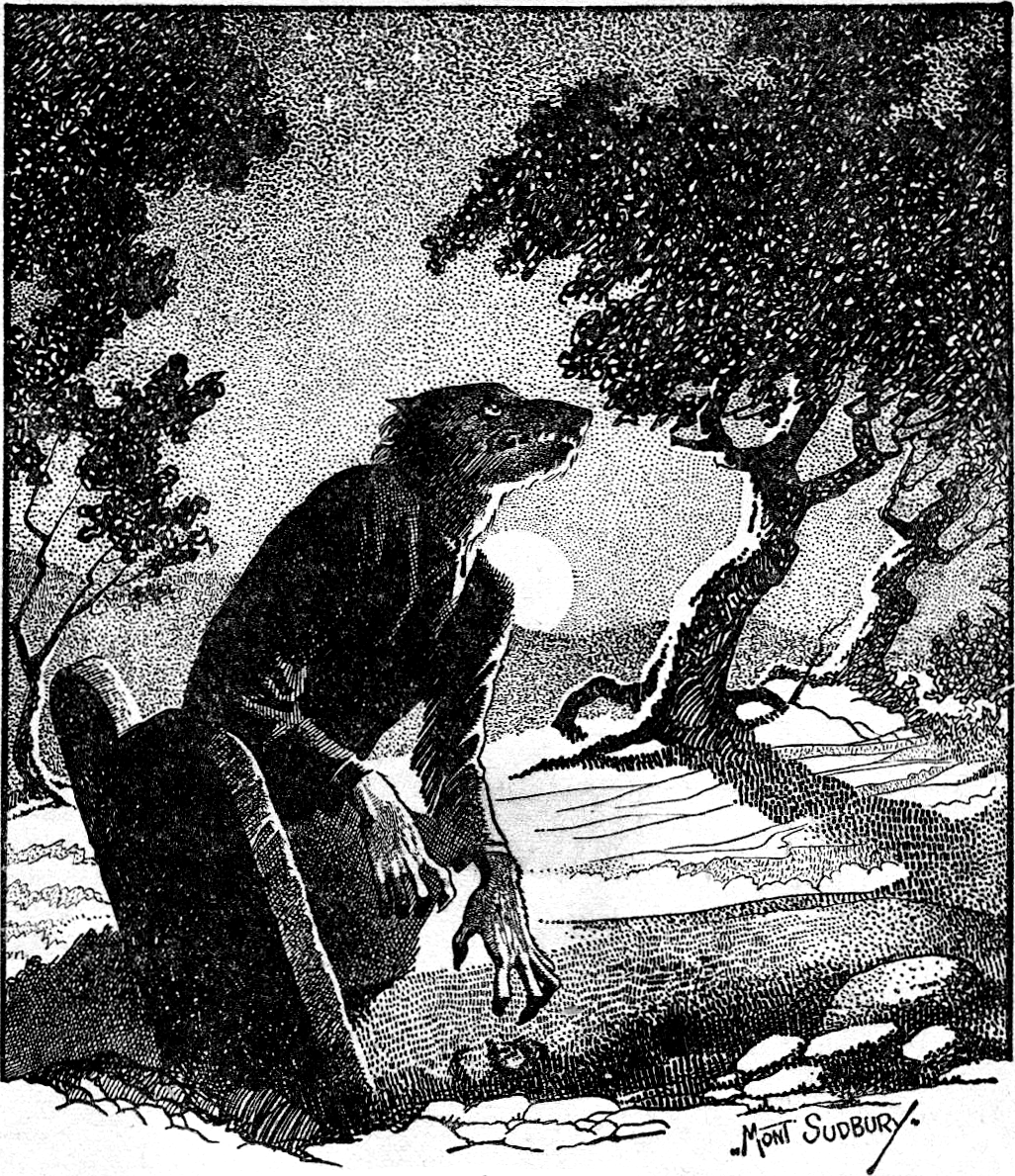 🇫🇷 France and 5 moreWerewolf
A mythical shapeshifter that turns into a wolf, central to European witch-hunts and Gothic horror.Being · Cursing and harm · Wonder and entertainment Legendary
🇫🇷 France and 5 moreWerewolf
A mythical shapeshifter that turns into a wolf, central to European witch-hunts and Gothic horror.Being · Cursing and harm · Wonder and entertainment Legendary
 🇷🇺 Russia and 4 moreLady MiddayPoludnitsa
A Slavic noon spirit who watches over fields and punishes those who work during the hottest hours.Being · Cursing and harm · Protection Historical
🇷🇺 Russia and 4 moreLady MiddayPoludnitsa
A Slavic noon spirit who watches over fields and punishes those who work during the hottest hours.Being · Cursing and harm · Protection Historical
 🇩🇪 GermanyAlp
A Germanic spirit that presses on sleepers and drinks milkBeing · Cursing and harm · Luck and prosperity Historical
🇩🇪 Germany and 1 moreNachzehrer
A German revenant believed to consume the living from beyond the graveBeing · Cursing and harm Legendary
🇩🇪 GermanyAlp
A Germanic spirit that presses on sleepers and drinks milkBeing · Cursing and harm · Luck and prosperity Historical
🇩🇪 Germany and 1 moreNachzehrer
A German revenant believed to consume the living from beyond the graveBeing · Cursing and harm Legendary
Related elsewhere
All being 🇪🇬 Egypt and 1 moreLilithלִילִית
A feminine figure from Mesopotamian and Jewish mythology, often depicted as a night demon or spirit.Being · Cursing and harm Legendary
🇪🇬 Egypt and 1 moreLilithלִילִית
A feminine figure from Mesopotamian and Jewish mythology, often depicted as a night demon or spirit.Being · Cursing and harm Legendary
 🇪🇬 EgyptCurse
A spoken wish for misfortune to befall a person or placeBelief · Cursing and harm · Luck and prosperity Historical
🇪🇬 EgyptCurse
A spoken wish for misfortune to befall a person or placeBelief · Cursing and harm · Luck and prosperity Historical
 🇵🇭 PhilippinesTikbalang
A horse-headed spirit of Philippine forests that leads travelers astrayBeing · Cursing and harm · Luck and prosperity Living
🇯🇵 JapanJorōgumo絡新婦 (kanji), じょろうぐも (hiragana)
A shapeshifting spider yōkai of Japanese folklore that lures victims with human guise.Being · Cursing and harm Legendary
🇵🇭 PhilippinesTikbalang
A horse-headed spirit of Philippine forests that leads travelers astrayBeing · Cursing and harm · Luck and prosperity Living
🇯🇵 JapanJorōgumo絡新婦 (kanji), じょろうぐも (hiragana)
A shapeshifting spider yōkai of Japanese folklore that lures victims with human guise.Being · Cursing and harm Legendary