
Lag BaOmer
In its own language: לַ״ג בָּעוֹמֶר
Hebrew for '33rd in the Omer', derived from the numerical values of the letters Lamed and Gimel
A Jewish holiday marking the end of a mourning period with bonfires and outdoor play
Lag BaOmer is a Jewish observance on the thirty-third day of the Omer count. It lifts restrictions on mourning for some communities and celebrates the death anniversary of Rabbi Shimon bar Yochai.
- Falls on the 33rd day of the Omer count
- Bonfires symbolize spiritual light and historical signals
- Children play with bows and arrows
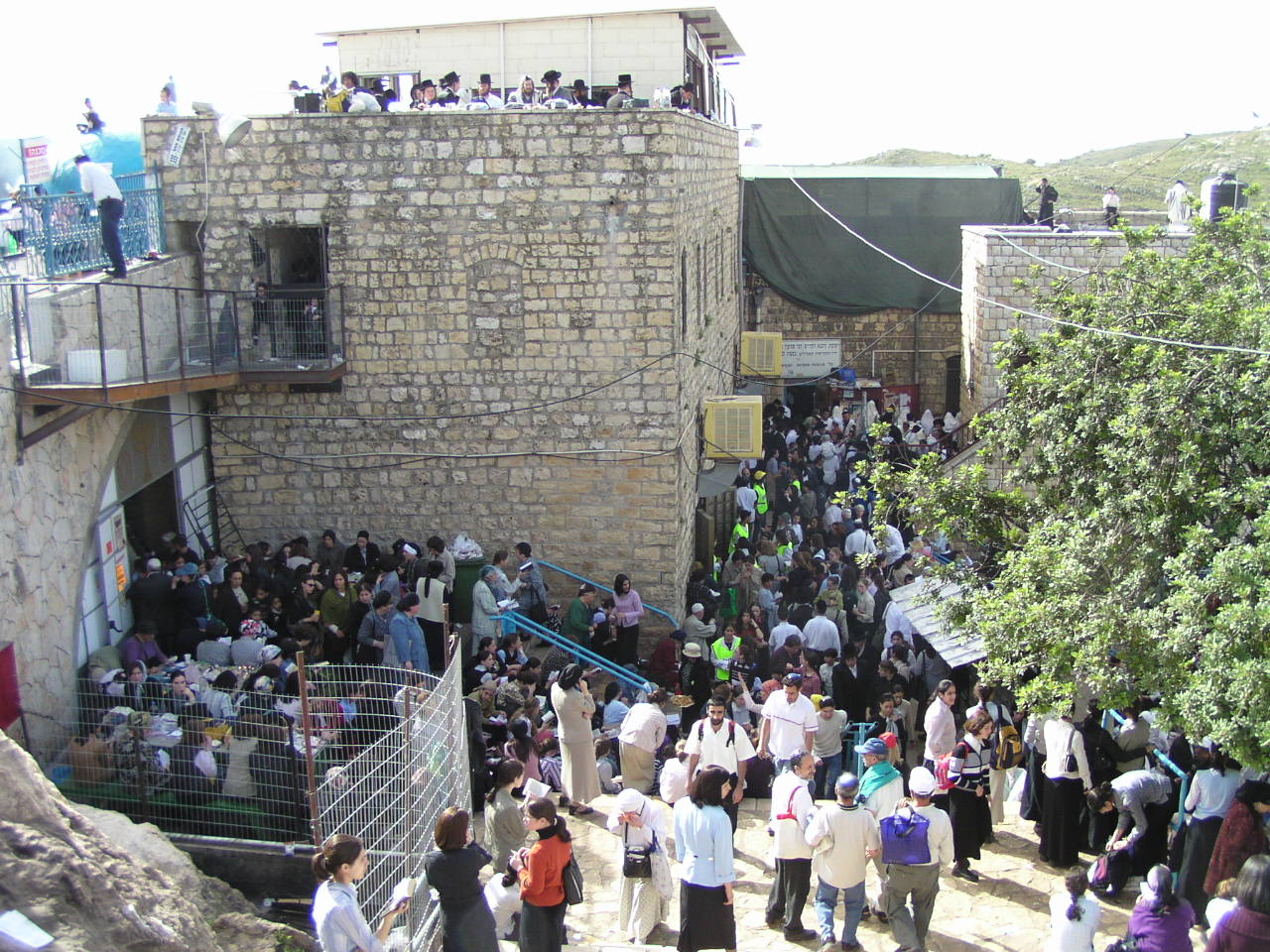
- Pilgrimage to Meron honors Rabbi Shimon bar Yochai
- Ends mourning period for Ashkenazi Jews
What it is
Lag BaOmer is a Jewish holiday falling on the thirty-third day of the Omer count. This date corresponds to the eighteenth day of the Hebrew month of Iyar. The observance serves as a break in the semi-mourning period known as the Counting of the Omer. For many communities, this day marks the conclusion of that somber time. It is also recognized as the anniversary of the death of Rabbi Shimon bar Yochai. Some traditions link the day to the Bar Kokhba revolt against Rome. The name itself reflects its position in the weekly count of days between Passover and Shavuot.
Where it comes from
The origins of the holiday are complex and layered. Early references appear in synagogue inscriptions from the fifth to seventh centuries. One theory suggests it began as a fast commemorating a temple destruction during an earthquake. Another view connects it to pilgrimages to Mount Meron. Over time, the focus shifted to Rabbi Shimon bar Yochai. Medieval scholars first linked the date to the end of a plague that killed students of Rabbi Akiva. Later traditions added the connection to the Bar Kokhba revolt. The specific date of Rabbi Shimon's death was popularized much later through textual variations.
How it is done
Celebrations vary by community. Ashkenazi Jews lift all mourning restrictions on this day. Sephardic Jews often continue until the following day. Common activities include lighting bonfires and holding picnics. Children play with bows and rubber-tipped arrows. Weddings and haircuts for three-year-old boys are frequently scheduled. Pilgrims travel to Meron to visit the tomb of Rabbi Shimon bar Yochai. Hasidic groups hold special meals called tishen. These gatherings feature songs and teachings from the Zohar.
Tools and materials
Bonfires are the most prominent symbol of the holiday. They represent spiritual light or signal fires from ancient revolts. Bows and arrows are used by children, referencing legends about rainbows. Some participants carry torches during large gatherings. Musical instruments accompany singing around the flames. Candles are lit during Hasidic meals. The tools serve both festive and commemorative purposes within the ritual framework.
Lag BaOmer, drawn and placed
- Living
- Revived
- Fading
- Historical
- Legendary
- Performed
- Lineage
- Counting of the Omer
- Timing
- on the 18th of Iyar
What it is for
The day provides relief from the solemnity of the Omer count. It honors the memory of Rabbi Shimon bar Yochai. Communal joy replaces individual mourning. Families seek connection through shared meals and outings. Pilgrims aim for spiritual merit at sacred sites. The use of bows and arrows recalls historical resistance. Weddings mark new beginnings after a period of restraint. The holiday fosters community unity and pride among Jewish populations.
Who does it
Observance involves households and religious scholars. Ashkenazi and Sephardic communities follow different timelines. Hasidic followers engage deeply with specific customs like the tish. Scholars debate the historical accuracy of various traditions. Religious leaders guide the interpretation of rituals. Youth movements organize events for younger participants. The practices are maintained by those who value the historical and spiritual significance of the date.
Peoples and places
Jewish communities worldwide observe aspects of the holiday. In Israel, it is a major event for youth and families. German traditions once included similar outdoor activities. Libyan Jews contributed specific songs to the celebration. Ashkenazi customs emphasize the lifting of mourning. Sephardic practices may extend celebrations into the next day. Hasidic groups maintain distinct rituals at tombs. The holiday adapts to local contexts while retaining core elements.
At a glance: who, where and when
Belief worlds
Occasions



What people believe
The holiday is rooted in Kabbalistic concepts. Each day of the Omer corresponds to a spiritual attribute. Lag BaOmer aligns with Hod, representing splendor. This state precedes the physical manifestation of Shavuot. Legends suggest Rabbi Shimon's merit protected the world from rainbows. Bonfires symbolize the illumination brought by his teachings. Historical events like the Bar Kokhba revolt are viewed through a spiritual lens. The day bridges the gap between divine wisdom and earthly action.
When it is done
The date is fixed on the eighteenth of Iyar. This falls during the spring season. It occurs seven weeks after Passover. The timing allows for outdoor activities in pleasant weather. Some communities adjust mourning periods based on this date. Weddings are postponed until this window opens. The holiday stands apart from other festivals in its dual nature of joy and remembrance.
How scholars and sceptics see it
Historians trace the holiday through medieval texts. Scholars note the evolution from fast days to festivals. Anthropologists study the social function of communal bonfires. Researchers analyze the shift in pilgrimage destinations. Debates exist regarding the earliest references to Rabbi Shimon's death. Linguists examine the etymology of the holiday's name. Critics point out inconsistencies in traditional narratives.
Cautions and what is closed
Large gatherings can pose safety risks. Air pollution concerns arise from widespread bonfire use. Incidents involving animals have led to patrols. Some rabbis oppose certain festive customs. Legal issues sometimes surround public celebrations. Safety measures are increasingly implemented at major sites. Participants are advised to respect environmental and community standards.
Compare and confuse
The holiday shares themes with European spring festivals. May Day and Beltane involve fire and outdoor play. However, Lag BaOmer has distinct religious roots. It differs from other Jewish holidays by interrupting a mourning period. The use of bows and arrows is unique to this observance. Comparisons to other pilgrimages highlight the importance of sacred tombs.
Law and persecution
Public celebrations are subject to local regulations. Environmental laws may restrict bonfire sizes. Safety codes govern large gatherings at Meron. Some communities face legal challenges over noise and crowds. Authorities monitor events to prevent accidents. The holiday is recognized as a cultural event in Israel. Restrictions vary by region and year.
Questions people ask about Lag BaOmer
What is Lag BaOmer?
It is a Jewish holiday on the thirty-third day of the Omer count. It marks the end of a mourning period for some communities. The day honors Rabbi Shimon bar Yochai and includes bonfires.
Why do people light bonfires?
Bonfires symbolize the spiritual light of Rabbi Shimon bar Yochai. They also recall signal fires from the Bar Kokhba revolt. The flames represent joy replacing the solemnity of the Omer count.
Who observes this holiday?
Jewish communities worldwide observe it. Ashkenazi and Sephardic groups follow slightly different timelines. Hasidic followers hold special meals and pilgrimages to sacred tombs.
When does it occur?
It falls on the eighteenth day of the Hebrew month of Iyar. This is always the thirty-third day of the Omer count. The date changes yearly on the Gregorian calendar.
What is the significance of bows and arrows?
Children play with them to recall legends about rainbows. Traditions say Rabbi Shimon's merit prevented rainbows. The weapons also reference the Bar Kokhba revolt against Rome.
Good reading and sources
- Lag BaOmer on WikipediaEncyclopedia
- More photos on Wikimedia CommonsPhotos and video
- Wikidata recordOpen data
The facts on this page come from the Wikipedia article "Lag BaOmer", written by its contributors and used under the CC BY-SA 4.0 licence, and from its Wikidata record (CC0). EveryJaadu rewrote the text in its own words, with AI assistance, and compares every page with the article to make sure no passage is copied. It may be reused under the same CC BY-SA 4.0 licence with a link back.
It may contain mistakes. Names and customs differ from one community to the next, and some knowledge is closed to outsiders and left out here. This page describes belief and practice. It does not say that any of it works, it is not a how-to, and it is not medical advice. If something is wrong, tell us. Last refreshed 2026-10-05.
More from Israel
All the entries from Israel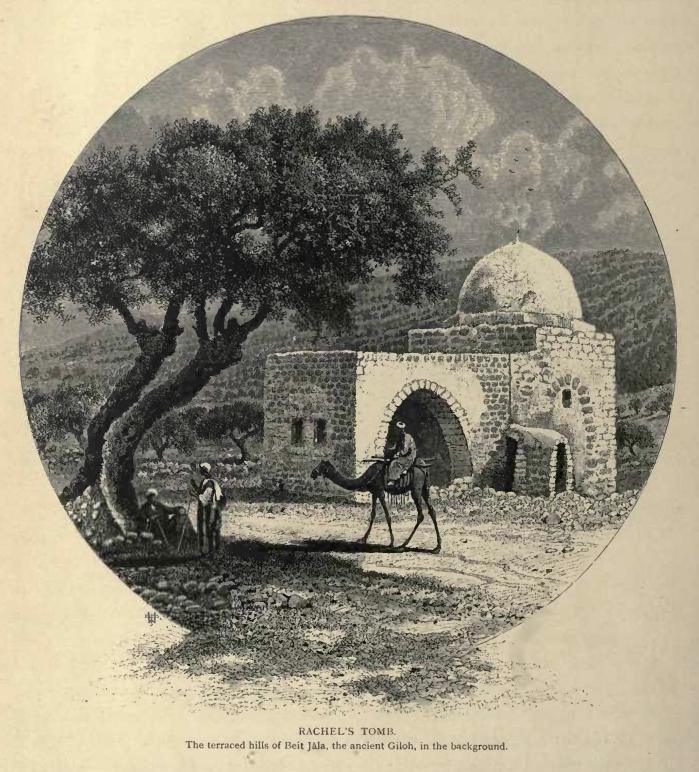 🇵🇸 Palestine and 1 moreRachel's TombQever Raḥel; Qabr Rāḥīl
A shared holy site near Bethlehem revered by Jews, Christians, and MuslimsTradition · Speaking with spirits and the dead · Protection Living
🇵🇸 Palestine and 1 moreRachel's TombQever Raḥel; Qabr Rāḥīl
A shared holy site near Bethlehem revered by Jews, Christians, and MuslimsTradition · Speaking with spirits and the dead · Protection Living
 🇪🇬 Egypt and 5 moreSacred dance
Movement used in worship to honour deities, heal communities, or connect with the spirit world.Tradition · Protection · Healing Living
🇪🇬 Egypt and 5 moreSacred dance
Movement used in worship to honour deities, heal communities, or connect with the spirit world.Tradition · Protection · Healing Living
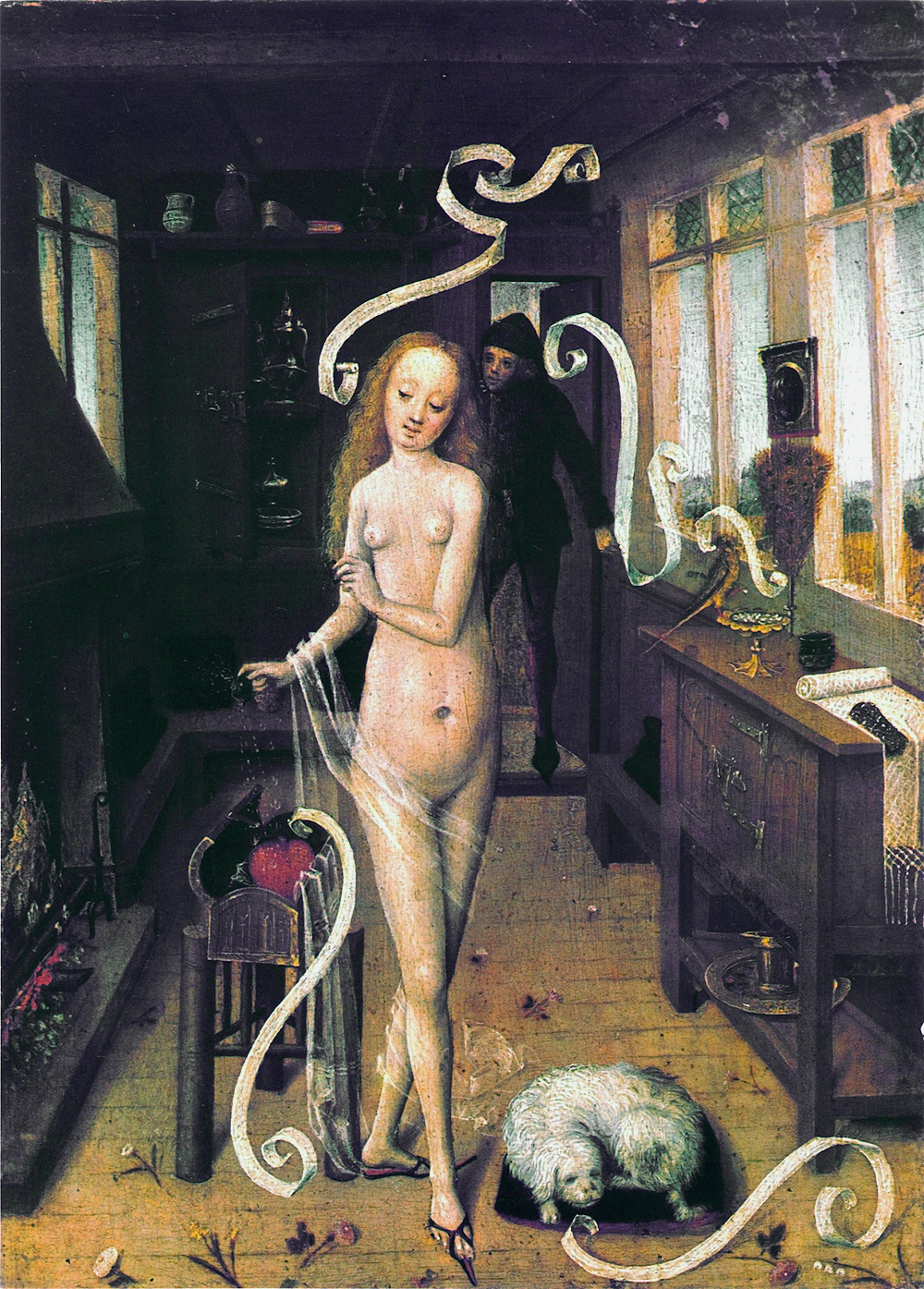 🇮🇶 Iraq and 5 moreLove magic
Rituals and spells used to attract, preserve, or end romantic relationships across many cultures.Tradition · Love and attraction · Cursing and harm Historical
🇮🇱 Israel and 2 moreBelialבְּלִיַּעַל
A Hebrew term for worthlessness that evolved into a demon of darkness in Jewish and Christian texts.Being · Cursing and harm Historical
🇮🇶 Iraq and 5 moreLove magic
Rituals and spells used to attract, preserve, or end romantic relationships across many cultures.Tradition · Love and attraction · Cursing and harm Historical
🇮🇱 Israel and 2 moreBelialבְּלִיַּעַל
A Hebrew term for worthlessness that evolved into a demon of darkness in Jewish and Christian texts.Being · Cursing and harm Historical
Related elsewhere
All tradition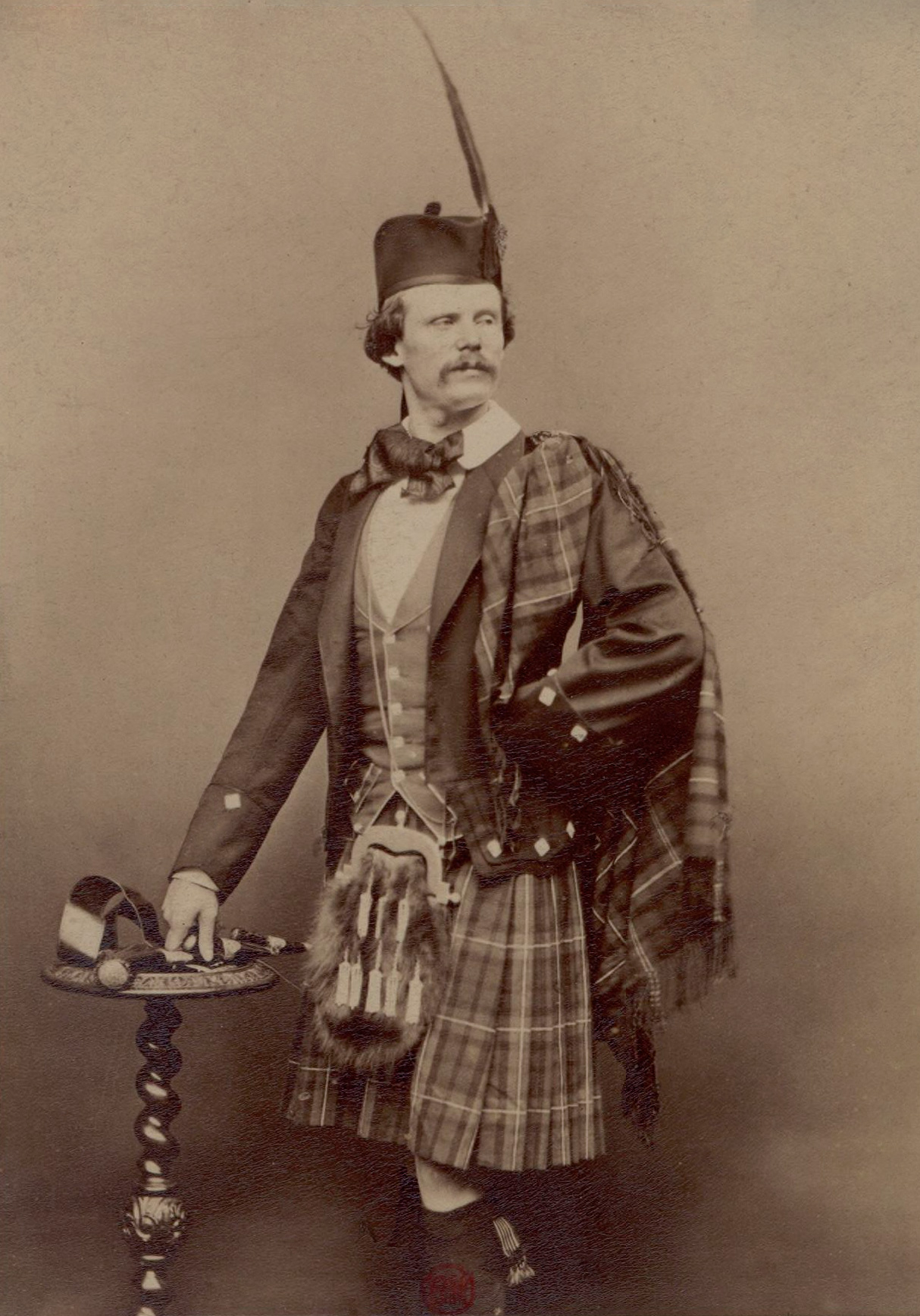 🇬🇧 United Kingdom and 2 moreDaniel Dunglas Home
A Scottish physical medium known for levitation and spirit communication during the Victorian era.Belief · Speaking with spirits and the dead · Wonder and entertainment Historical
🇬🇧 United Kingdom and 2 moreDaniel Dunglas Home
A Scottish physical medium known for levitation and spirit communication during the Victorian era.Belief · Speaking with spirits and the dead · Wonder and entertainment Historical
 🇪🇸 Spain and 5 moreSt John's Eve
A Christian vigil marked by bonfires and plant gathering on the summer solstice eveRite · Protection · Speaking with spirits and the dead Living
🇪🇸 Spain and 5 moreSt John's Eve
A Christian vigil marked by bonfires and plant gathering on the summer solstice eveRite · Protection · Speaking with spirits and the dead Living
 🇮🇳 India and 1 moreMantraमन्त्रम्
A sacred sound or phrase repeated to focus the mind and invoke spiritual powerText · Speaking with spirits and the dead · Power and authority Living
🇮🇳 India and 1 moreMantraमन्त्रम्
A sacred sound or phrase repeated to focus the mind and invoke spiritual powerText · Speaking with spirits and the dead · Power and authority Living