Johannes Junius
Mayor of Bamberg executed in the witch trials, known for a letter to his daughter
Johannes Junius served as mayor of Bamberg in the Holy Roman Empire before being arrested during the witch trials. He wrote a famous letter from prison to his daughter, explaining that he had confessed to witchcraft only under torture.
- Served as mayor of Bamberg multiple times
- Arrested in June 1628 during witch trials
- Tortured with thumbscrews and strappado
- Confessed to witchcraft under duress
- Wrote letter to daughter Veronica from jail
What it is
Johannes Junius was the mayor of Bamberg in the early seventeenth century. He is remembered today as a victim of the local witch trials. While holding office, he was accused of practicing witchcraft. The accusations led to his arrest and eventual execution by burning. His legacy comes primarily from a letter written to his daughter while he was imprisoned. This document details the coercion used against him and serves as a historical record of the judicial violence of the period.
Where it comes from
The events took place in Bamberg between 1626 and 1631. The trials were overseen by Prince-Bishop Johann Georg, who sought to strengthen the Counter-Reformation. Suspicion fell on Junius partly because his wife had previously been executed for similar charges. Another official, Georg Neudecker, named Junius as an accomplice after his own imprisonment. This accusation triggered Junius's arrest in June 1628.
How it is done
Junius was subjected to severe physical torture to extract a confession. Methods included thumbscrews, leg vises, and the strappado. He was also paraded through streets to identify other alleged witches. After weeks of denial, he confessed on July 5, 1628. The confession included fantastical claims about attending sabbats and renouncing God. He was executed one month later.
Tools and materials
The judicial process relied on instruments of pain such as thumbscrews and vises. Guards smuggled paper and ink to Junius in his cell. These materials allowed him to write his final letter. The tools of torture were intended to break his resistance and force a specific narrative onto him.
Johannes Junius, drawn and placed
- Living
- Revived
- Fading
- Historical
- Legendary
- Performed
What it is for
The trials aimed to root out perceived heresy and reinforce religious authority. Accusations often arose from personal disputes or previous family convictions. Victims were forced to name others to save themselves. The goal was not justice but compliance with the demands of the court and the bishop.
Who does it
Junius was a civic leader, serving multiple terms as mayor. He was not a practitioner of magic but a target of state-sanctioned persecution. Scholars study his case to understand the mechanics of early modern witch hunts. His role as mayor highlights how even high-status individuals were vulnerable.
Peoples and places
The subject is tied to the German city of Bamberg. The trials affected many residents across social classes. Neighbors testified against neighbors, and officials pressured each other. The community was divided by fear and suspicion. The events reflect the broader European panic of the era.
At a glance: who, where and when
Who does it
What people believe
The court operated on the belief that witchcraft was a real pact with the Devil. Confessions were seen as proof of this alliance. The legal system accepted coerced statements as valid evidence. Innocence was not a defense; refusal to confess was viewed as stubbornness.
When it is done
Junius was arrested in June 1628. He confessed in early July. His letter was written on July 24. He was executed in August. The trials spanned several years, peaking in intensity during this period.
How scholars and sceptics see it
Historians view Junius as a tragic figure of judicial error. His letter provides insight into the psychological pressure of torture. Researchers note the contradiction between his public confession and private plea for truth. The case illustrates the failure of legal safeguards.
Cautions and what is closed
The trials resulted in numerous executions. Families were destroyed by false accusations. The use of torture produced unreliable information. Modern observers recognize the injustice of these proceedings. The victims suffered greatly without cause.
Compare and confuse
Junius's case resembles other German witch trials of the time. Similar methods were used in nearby regions. The emphasis on sabbats and demons was common. His letter stands out for its detailed personal account.
Law and persecution
The prince-bishop held absolute power over the courts. Laws permitted torture to extract confessions. There was no right to confront accusers effectively. The legal framework favored conviction over acquittal.
Questions people ask about Johannes Junius
Who was Johannes Junius?
He was the mayor of Bamberg in the Holy Roman Empire. He became a prominent victim of the local witch trials in 1628. His story is known through a letter he wrote from prison.
Why was he arrested?
He was accused of witchcraft after another official named him as an accomplice. His wife had previously been executed for similar charges, which increased suspicion against him.
What did he write in his letter?
He told his daughter he was innocent. He explained that he confessed only because of extreme torture. He asked her to keep the letter secret to protect her.
How did he die?
He was burned at the stake in August 1628. This followed his coerced confession to witchcraft and other crimes like desecrating a wafer.
Where did this happen?
The events occurred in Bamberg, Germany. The trials were overseen by Prince-Bishop Johann Georg during the Counter-Reformation period.
Good reading and sources
The facts on this page come from the Wikipedia article "Johannes Junius", written by its contributors and used under the CC BY-SA 4.0 licence, and from its Wikidata record (CC0). EveryJaadu rewrote the text in its own words, with AI assistance, and compares every page with the article to make sure no passage is copied. It may be reused under the same CC BY-SA 4.0 licence with a link back.
It may contain mistakes. Names and customs differ from one community to the next, and some knowledge is closed to outsiders and left out here. This page describes belief and practice. It does not say that any of it works, it is not a how-to, and it is not medical advice. If something is wrong, tell us. Last refreshed 2026-10-05.
More from Germany
All the entries from Germany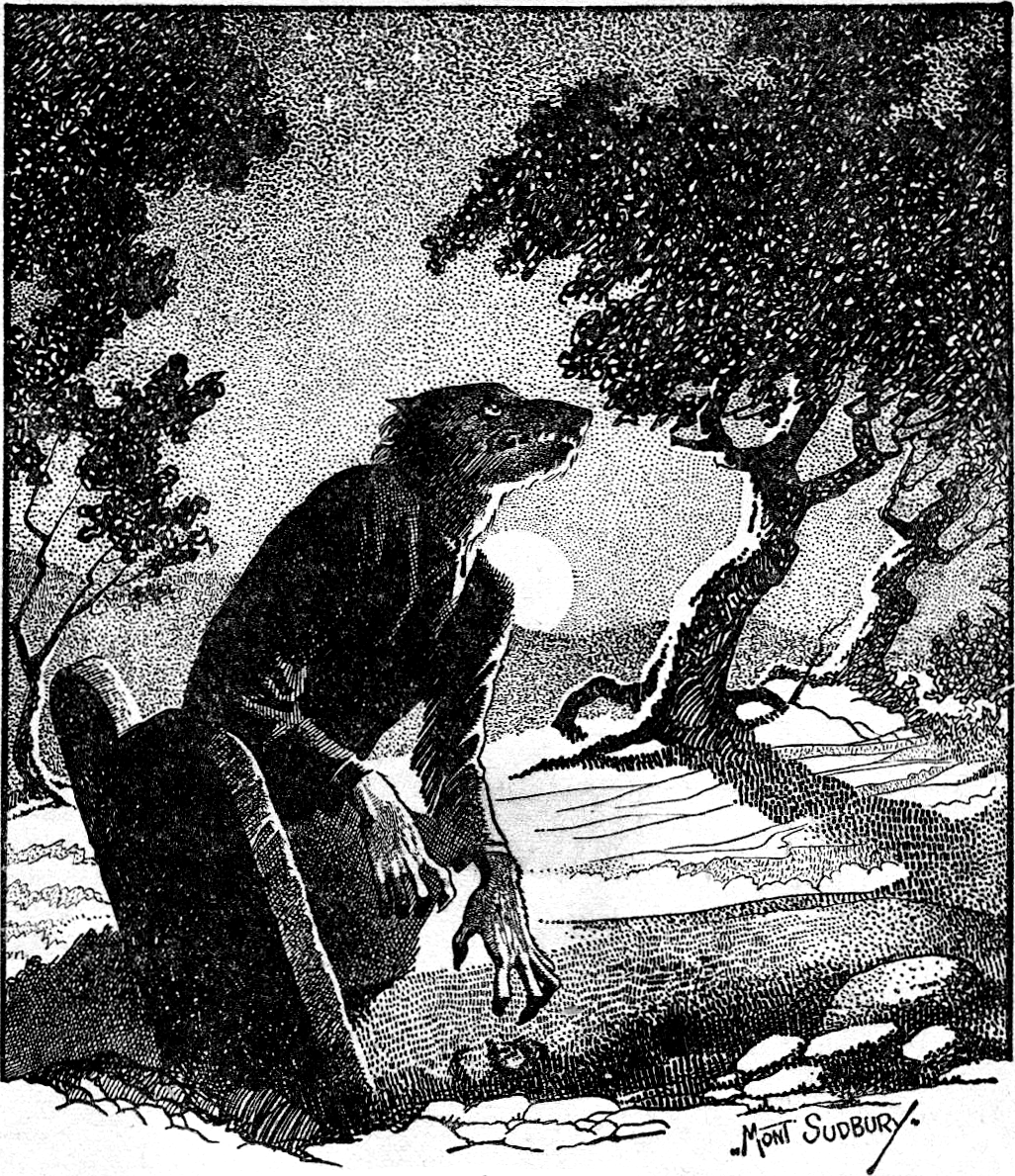 🇫🇷 France and 5 moreWerewolf
A mythical shapeshifter that turns into a wolf, central to European witch-hunts and Gothic horror.Being · Cursing and harm · Wonder and entertainment Legendary
🇫🇷 France and 5 moreWerewolf
A mythical shapeshifter that turns into a wolf, central to European witch-hunts and Gothic horror.Being · Cursing and harm · Wonder and entertainment Legendary
 🇧🇷 Brazil and 5 moreWhite Lady
A female ghost in white clothing linked to tragedy and omens across many culturesFigure · Cursing and harm · Seeing and foretelling Legendary
🇧🇷 Brazil and 5 moreWhite Lady
A female ghost in white clothing linked to tragedy and omens across many culturesFigure · Cursing and harm · Seeing and foretelling Legendary
 🇩🇪 GermanyPied Piper of Hamelinder Rattenfänger von Hameln
A medieval legend about a piper who leads children away from the town of HamelinFigure · Cursing and harm · Luck and prosperity Legendary
🇩🇪 GermanyPied Piper of Hamelinder Rattenfänger von Hameln
A medieval legend about a piper who leads children away from the town of HamelinFigure · Cursing and harm · Luck and prosperity Legendary
 🇬🇧 United Kingdom and 3 moreEdward Kelley
An English occultist and scryer who worked with John Dee to contact angels and practice alchemy.Figure · Power and authority · Wonder and entertainment Historical
🇬🇧 United Kingdom and 3 moreEdward Kelley
An English occultist and scryer who worked with John Dee to contact angels and practice alchemy.Figure · Power and authority · Wonder and entertainment Historical
Related elsewhere
All figure 🇪🇬 Egypt and 1 moreLilithלִילִית
A feminine figure from Mesopotamian and Jewish mythology, often depicted as a night demon or spirit.Being · Cursing and harm Legendary
🇪🇬 Egypt and 1 moreLilithלִילִית
A feminine figure from Mesopotamian and Jewish mythology, often depicted as a night demon or spirit.Being · Cursing and harm Legendary
 🇨🇳 China and 2 moreEight Immortals八仙
Eight legendary Taoist figures of China, each with a power and a vesselFigure · Protection · Healing Living
🇨🇳 China and 2 moreEight Immortals八仙
Eight legendary Taoist figures of China, each with a power and a vesselFigure · Protection · Healing Living
 🇲🇽 Mexico and 5 moreLa Llorona
A vengeful ghost in Hispanic American folklore who mourns drowned children near water.Figure · Cursing and harm Living
🇪🇬 EgyptDjedi
A fictional magician from the Westcar Papyrus who resurrects animals and foretells a king's lineage.Figure · Seeing and foretelling · Wonder and entertainment Legendary
🇲🇽 Mexico and 5 moreLa Llorona
A vengeful ghost in Hispanic American folklore who mourns drowned children near water.Figure · Cursing and harm Living
🇪🇬 EgyptDjedi
A fictional magician from the Westcar Papyrus who resurrects animals and foretells a king's lineage.Figure · Seeing and foretelling · Wonder and entertainment Legendary