Households and ordinary people
Grandmothers, parents and neighbours doing the small things: the knot, the salt, the red thread.
Households and ordinary people do most of the world's magic: the grandmother who ties a thread on a baby's wrist, the neighbour who throws salt, the shopkeeper who hangs a lemon and chillies, the family that burns incense before a photograph. These people are not specialists and often do not call it magic. This page looks at the domestic side of the subject, which is the commonest and least written about.
Everyday customs
Household practice is woven into daily life: sweeping at new year, a bead on a cradle, a horseshoe over a door, a charm in a car. It tends to be practical, brief and handed down within the family. Many people say they do it because their mother did, or to be safe. It rarely needs a priest, a text or a fee. The hands that do it are those of mothers and grandmothers, who also cook, clean and care, so the magic is part of the labour of the home.
Women and the home
Women are the principal keepers of household custom in many societies, as mothers, grandmothers and aunts. Their knowledge covers birth, child care, food, illness, marriage and death. That knowledge is often undervalued by the formal religion and by scholars, and was also the source of accusations in the witch trials, in which women who were midwives or healers were prominent. A household custom is learned by watching and may never be explained, since the practitioner does not see it as special.
Faith and the home
Religious leaders have seen household custom as faith, as superstition or as a nuisance. Reformers in Protestant Europe, Salafi Islam and some Hindu and Buddhist movements have told people to give up such practices. Many people keep them regardless. In the diaspora, the home customs are sometimes the part of heritage that lasts longest, and are carried to new countries in suitcases. In cities, small shrines, protective charms and everyday rituals often survive in apartments, taxis and shops.
Why scholars care
Anthropologists of everyday religion and folklorists record these customs as evidence of how people manage risk. They show how belief and practice differ, since people may say they do not believe and still knock on wood. Household magic is also the easiest to commercialise, in shops selling charms and kits that detach customs from their homes. A new student or visitor may find that families who say they do not believe still follow such customs carefully, and this gap is one of the more interesting findings.
Households and ordinary people on EveryJaadu
The entries written up so far, best known first.
 🇯🇵 JapanUshi no toki mairi丑の時参り
A Japanese ritual of cursing performed at a shrine during the early morning hours.Rite · Cursing and harm Historical
🇺🇸 United States and 1 moreJinx
A curse or attribute believed to attract bad luckBelief · Cursing and harm Living
 🇧🇷 BrazilThe Hairy LegPerna cabeluda
A Brazilian urban legend of a detached leg that attacks people at nightFigure · Cursing and harm · Wonder and entertainment Historical
🇯🇵 JapanMisaki御先
Japanese spirit-like entities that serve gods or possess humans with illness and calamityBeing · Cursing and harm · Speaking with spirits and the dead Living
 🇨🇳 China and 1 moreTaoist coin charm道教品壓生錢
Chinese and Vietnamese numismatic charms used for protection and feng shuiCharm · Protection · Cursing and harm Historical
🇮🇹 Italy and 1 moreKollyra curse tablet
An ancient Greek tablet cursing a thief to suffocation until stolen goods are returned.Text · Protection · Cursing and harm Historical
 🇨🇳 China and 1 moreLei Ting curse charm符咒钱
A numismatic charm invoking the thunder god to banish evil spirits.Charm · Protection · Cursing and harm Historical
 🇺🇸 United States and 5 moreFriday the 13th
A Western superstition that a specific calendar alignment brings misfortuneBelief · Cursing and harm Living
 🇫🇷 FranceCurse of Vibia
A damaged Oscan lead tablet invoking underworld forces against a named man and his kinCharm · Cursing and harm Historical
 🇹🇭 Thailand and 5 moreKrasueกระสือ
A floating head with trailing organs from Southeast Asian folkloreBeing · Cursing and harm Living
🇷🇺 Russia and 4 moreFiery serpentsогненный змей
A pan-Slavic spirit of fire and wind, seen as a demon or a household helperBeing · Cursing and harm · Luck and prosperity Historical
 🇵🇱 Poland and 3 moreStrzyga
A female demon in Polish folklore, linked to owls and vampiric traitsBeing · Cursing and harm · Protection Historical
 🇬🇷 GreeceGelloΓελλώ
A Greek demon of infancy and a class of beings blamed for infant death.Being · Cursing and harm · Protection Historical
 🇮🇹 Italy and 5 moreSaint Michael
A Christian archangel who defends the faithful and weighs soulsBeing · Protection · Cursing and harm Living
 🇯🇵 JapanSakabashira逆柱
A reversed wooden pillar in Japanese folk belief, said to cause misfortune or ward off disasterBelief · Protection · Cursing and harm Historical
 🇫🇷 FranceMargot the fairy
Earthly fairies of Brittany known for dancing, building monuments, and testing human guests.Being · Luck and prosperity · Cursing and harm Historical
🇵🇭 PhilippinesTiyanak
A vampiric creature in Philippine mythology that mimics a baby to lure travelers.Being · Cursing and harm · Luck and prosperity Living
🇵🇹 Portugal and 1 moreCabra cabriola
A fire-breathing goat bogeyman used to frighten children in Portuguese and Brazilian folkloreBeing · Cursing and harm Living
🇯🇵 JapanReikon霊魂
The Shinto soul: it joins the ancestors after funeral rites, or haunts as a yūreiBeing · Speaking with spirits and the dead · Cursing and harm Living
 🇬🇧 United KingdomChained Oak
A Staffordshire oak bound in chains by a local legend of a curse and an earl.Belief · Cursing and harm Historical
🇯🇲 Jamaica and 4 moreJumbee
A shadowy spirit of the dead in Caribbean folklore, often linked to evil deeds.Belief · Cursing and harm Living
🇷🇺 Russia and 1 moreThree on a match
A wartime taboo against three people lighting cigarettes from one flameBelief · Cursing and harm Historical
 🇳🇿 New Zealand and 5 moreMokomokaiToi moko
Preserved Māori heads with facial tattoos, once traded as curios and now repatriated.Being · Cursing and harm · Power and authority Historical
 🇫🇷 FranceLou DrapéLo drapet
A legendary white horse from southern France that abducts wandering children.Figure · Cursing and harm · Protection Historical
🇮🇳 India and 2 moreBlack Orlov
A black diamond linked to a legend of theft and tragic deathsCharm · Cursing and harm Historical
 🇬🇷 GreeceNymphνύμφη
A nature spirit from Greek myth, tied to specific places like springs or trees, often seen as a maiden.Being · Healing · Seeing and foretelling Historical
🇬🇧 United Kingdom and 1 moreBogle
A Northumbrian and Scots household spirit or ghost known for perplexing people.Being · Cursing and harm · Wonder and entertainment Historical
 🇨🇿 Czech Republic and 2 moreUhaml
A German folk spirit with horse feet and an owl-like callBeing · Cursing and harm Historical
 🇩🇪 GermanyFeldgeist
German folk creatures tied to crops, weather and harvest ritualsBeing · Cursing and harm · Luck and prosperity Historical
 🇪🇸 Spain and 5 moreSack Man
A folk figure used to frighten children into good behaviour by threatening to put them in a sackFigure · Cursing and harm Living
 🇰🇷 South KoreaBangsatap방사탑
A stone cairn on Jeju Island believed to shield communities from harm and disease.Tradition · Protection · Cursing and harm Revived
 🇯🇵 Japan and 5 moreSmallpox demon疱瘡神 (Hōsōgami)
A spirit blamed for smallpox in medieval Japan and the rituals used to appease itBeing · Protection · Cursing and harm Historical
 🇮🇪 Ireland and 3 moreFairy path
An invisible route used by fairies, often straight and connecting sacred sitesBelief · Cursing and harm · Protection Historical
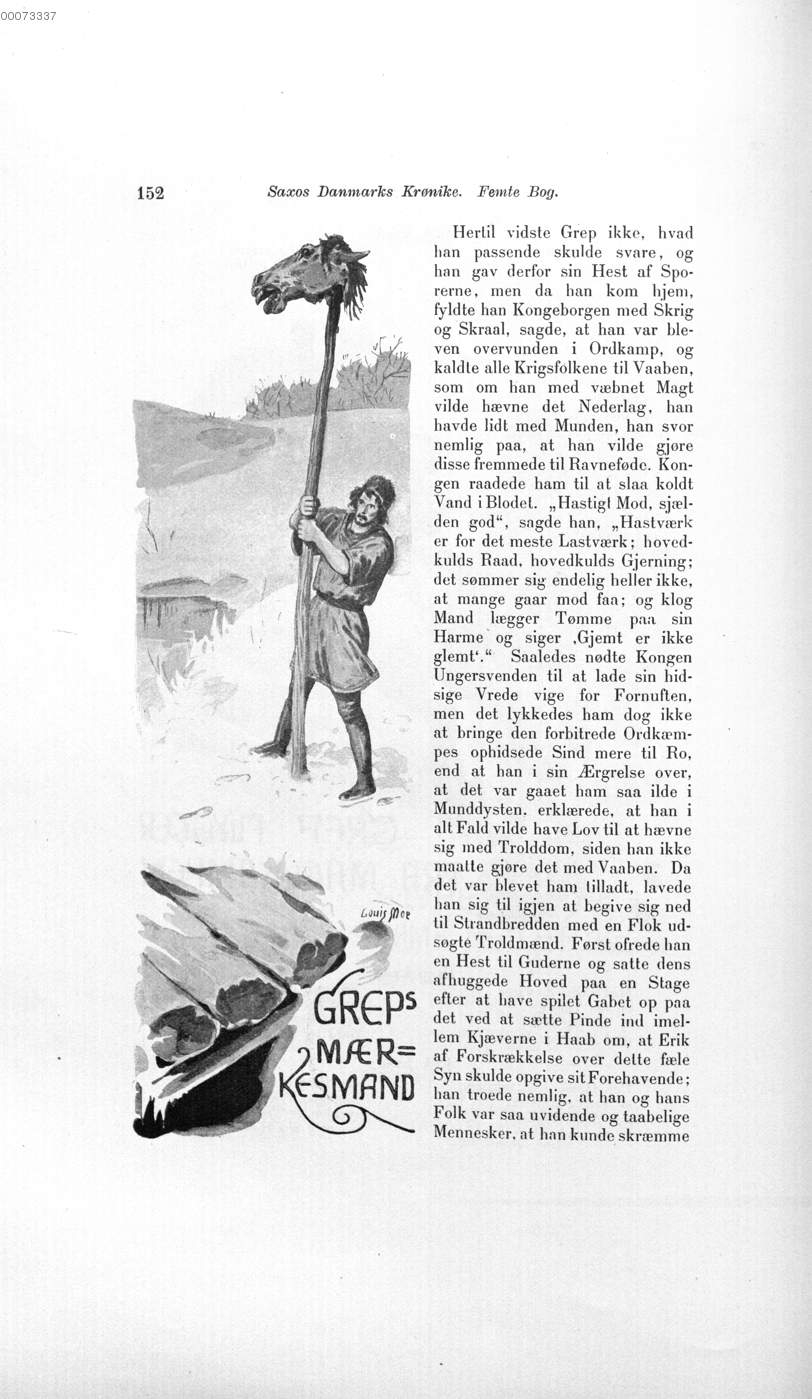 🇮🇸 Iceland and 1 moreNithing poleníðstǫng
A curse pole from Norse tradition used to shame or harm an enemyRite · Cursing and harm Living
🇯🇵 JapanYosuzume夜雀
A Japanese mountain spirit that appears as a bird or butterfly and signals the presence of wolves.Being · Cursing and harm · Protection Historical
🇬🇧 United Kingdom and 1 moreElder Mother
A guardian spirit of elder trees in English and Scandinavian folkloreBeing · Protection · Cursing and harm Historical
 🇯🇵 Japan and 1 moreChain letterFukou no Tegami
A message that demands copying and forwarding to avoid bad luck or gain fortuneBelief · Luck and prosperity · Cursing and harm Historical
🇺🇸 United StatesPele's Curse
A belief that taking Hawaiian sand or rock brings bad luckBelief · Cursing and harm Living
🇫🇮 Finland and 1 moreFrog coffin
A Finnish folk magic burial of a frog in a tiny coffin to steal luck or reflect harmRite · Protection · Cursing and harm Historical
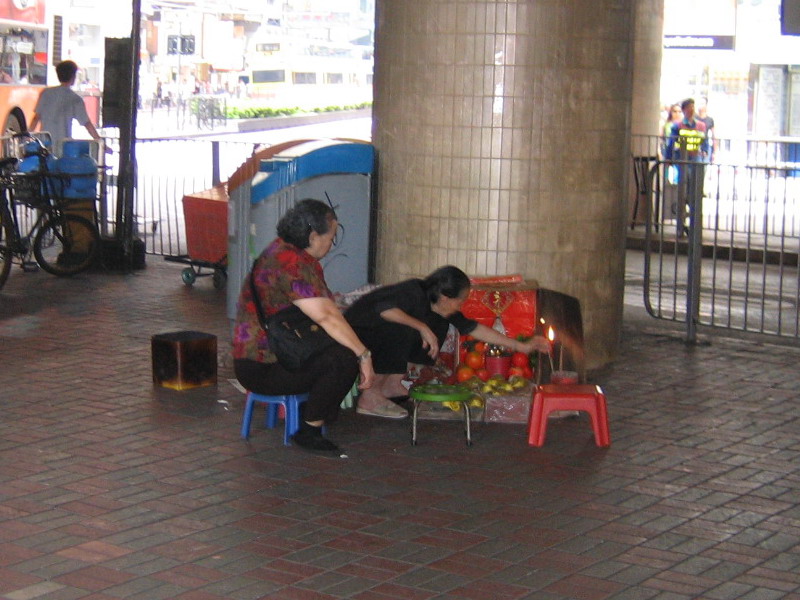 🇨🇳 China and 1 moreVillain hitting打小人
A Cantonese rite that strikes paper effigies with a shoe to ward off enemiesTradition · Cursing and harm · Protection Living
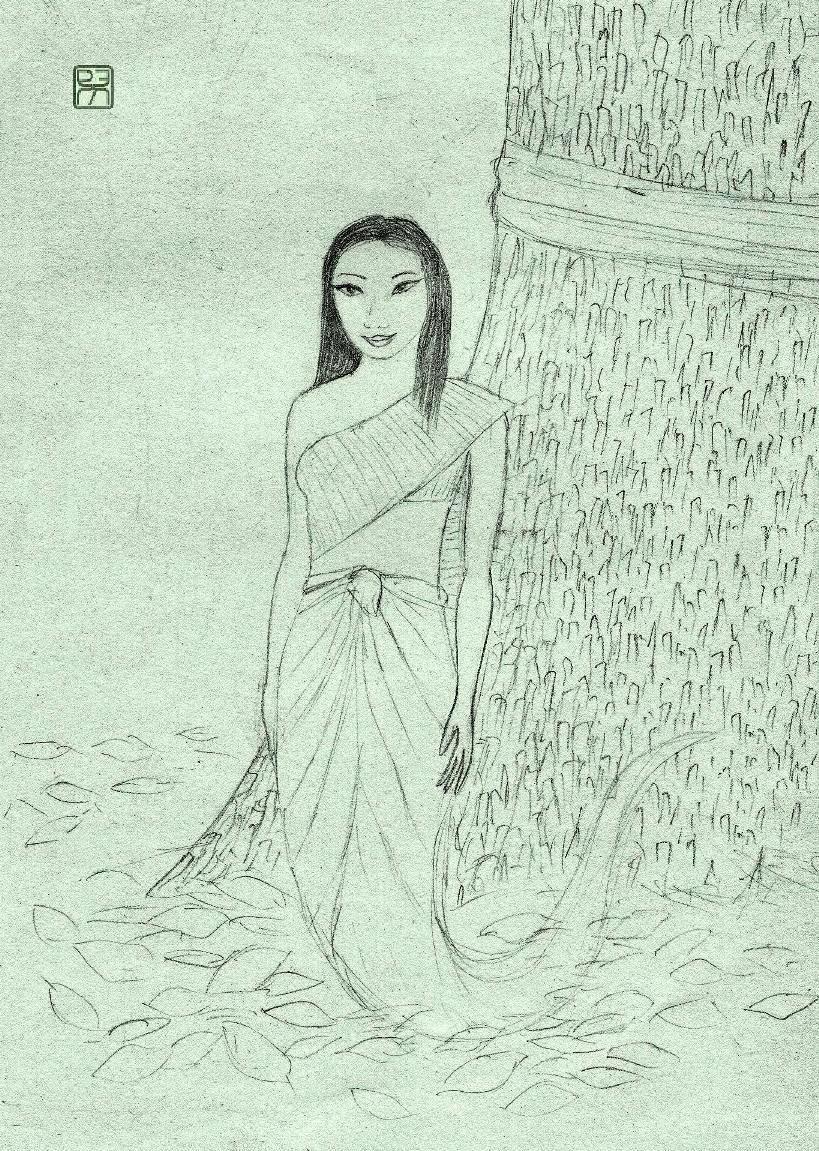 🇹🇭 ThailandNang Ta-khianนางตะเคียน
A Thai tree spirit said to dwell in the ta-khian treeBeing · Luck and prosperity · Cursing and harm Living
 🇩🇪 Germany and 5 moreCompanions of Saint Nicholas
Dark figures who accompany the gift-bringer to discipline children across Central EuropeFigure · Cursing and harm · Luck and prosperity Living
 🇺🇸 United StatesHail Satan
A Satanic exclamation used as ritual greeting, rebel cry, and pop-culture punchlineBelief · Power and authority · Cursing and harm Living
🇮🇳 IndiaKuttichathanകുട്ടിചാത്തൻ
A guardian spirit of Malabar folklore known for illusions and household pranksBeing · Cursing and harm · Luck and prosperity Historical
 🇮🇳 IndiaJvarasuraज्वारासुर
A fever demon in Hindu lore who serves the pox goddess Shitala.Being · Cursing and harm · Healing Historical
 🇩🇪 Germany and 5 moreLutzelfrau
A German Alpine witch who brings fruit or punishes childrenFigure · Protection · Cursing and harm Living
🇳🇬 Nigeria and 5 moreWitchcraft accusations against children in Africa
Violent persecution of children blamed for misfortune across Sub-Saharan Africa and beyondBelief · Cursing and harm Living
Photo credits on this page
The small pictures above come from Wikimedia Commons under free licences. Some are cropped to fit.
- Chained Oak: Gary Rogers, CC BY-SA 2.0, source
- Changeling: Henry Fuseli, Public domain, source
- The Hairy Leg: Diógenes Montenegro, Public domain, source
- Friday the 13th: Leonardo da Vinci, Public domain, source
- Curse of Vibia: Franz Bücheler, Public domain, source
- Tengu: Katsushika Hokusai, Public domain, source
- Mokomokai: New Zealand Electronic Text Centre, Public domain, source
- Lou Drapé: Morburre, CC BY-SA 3.0, source
- Saint Michael: Francesco Botticini, Public domain, source
- Lei Ting curse charm: Donald_Trung, CC BY-SA 4.0, source
- Krasue: Xavier Romero-Frias, CC BY-SA 3.0, source
- Nymph: Unknown author, Public domain, source
- Uhaml: Johann Friedrich Naumann, Public domain, source
- Feldgeist: Zwoelefant, CC BY-SA 3.0, source
- Sack Man: Ponscor, CC BY-SA 2.0, source
- Bangsatap: Grapesurgeon, CC BY-SA 4.0, source
- Smallpox demon: 佐賀県立図書館, CC0, source
- Fairy path: Aviddoghug at English Wikipedia ( Original text: David Gough ), Public domain, source
- Nithing pole: r Saxo Gramaticus; tr. (Danish) Frederik Winkel Horn; illus. Louis Moe, Public domain, source
- Strzyga: Filip Gutowski, CC BY-SA 4.0, source
- Sakabashira: Unknown author, Public domain, source
- Gello: Filippino Lippi, Public domain, source
- Chain letter: Alpha, CC BY-SA 2.0, source
- Villain hitting: No machine-readable author provided. Underbar dk assumed (based on cop, CC BY-SA 3.0, source
- Nang Ta-khian: Xavier Romero-Frias, CC BY-SA 4.0, source
- Companions of Saint Nicholas: unknown, unreadable signature on bottom right hand side, Public domain, source
- Hail Satan: Paul Sableman, CC BY 2.0, source
- Jvarasura: Suraj Belbase, CC BY-SA 4.0, source
- Lutzelfrau: Karel Rozum, Public domain, source
- Taoist coin charm: Etnografiska Museet, CC BY 2.5, source