
Strzyga
from Latin strix, meaning owl
A female demon in Polish folklore, linked to owls and vampiric traits
The strzyga is a creature from Slavic mythology, particularly Polish and Silesian folklore. It is often described as a female demon that resembles a vampire or an owl.
- Derived from Latin strix, meaning owl
- Associated with Polish and Silesian folklore
- Believed to have two hearts and two souls
- Protected against using sickles and poppy seeds
- Distinguished from upiór after the 18th century
What it is
The strzyga is a figure from Slavic folklore, most prominent in Polish and Silesian traditions. It is typically portrayed as a female demon with vampiric qualities. The creature is closely associated with owls and is believed to feed on the blood of humans and animals. In some accounts, it serves as an omen of death rather than a direct threat.
Where it comes from
The term originates from the Latin word strix, which referred to an owl-like creature in Roman and Greek myths that consumed human flesh and blood. The concept spread through Balkan cultures, influencing Hungarian sztriga, Albanian shtriga, and Romanian strigă. In Poland, the distinction between strzyga and upiór (a generic vampire) emerged after the eighteenth century, linking strzyga more closely to witchcraft.
How it is done
Folklore describes the strzyga as a being born with unusual physical traits, such as two hearts, two souls, or extra sets of teeth. Individuals displaying these signs, or those who were somnambulists, were suspected of being strzygi. After death, they were believed to rise again, retaining one soul while the other remained with the undead body to prey on the living.
Tools and materials
Protection against the strzyga involved specific ritual actions performed on the corpse or the home. Methods included decapitation, burying the head separately, or placing the body face down with a sickle near its head. Other measures involved burning the body, hammering stakes into it, or scattering poppy seeds in the shape of a cross throughout the house.
Strzyga, drawn and placed
- Living
- Revived
- Fading
- Historical
- Legendary
- Performed
- Lineage
- Slavic mythology
- Timing
- at night
What it is for
The beliefs surrounding the strzyga served to explain unexplained deaths and epidemics. Communities identified individuals with certain birth defects or sleepwalking habits as potential threats. The rituals were intended to prevent the deceased from rising as an undead predator, thereby protecting the living from blood loss and harm.
Who does it
These beliefs were held by rural communities in Poland, particularly during the nineteenth and early twentieth centuries. The identification of a strzyga was a communal judgment based on physical characteristics or post-mortem anomalies. Those suspected were often exiled or subjected to specific burial rites to neutralize their perceived threat.
Peoples and places
The strzyga is central to Polish and Silesian folklore, with cognates found in neighboring regions like Albania, Romania, and Hungary. While the core concept of a blood-drinking demon remains consistent, local variations exist in how the creature is named and described. The legend persisted in literary works, such as Władysław Reymont's novel The Peasants.
At a glance: who, where and when
Who does it
Belief worlds
Occasions

What people believe
The worldview behind the strzyga involves a dual-soul concept. A person identified as a strzyga was thought to possess two souls; upon death, one would depart for the afterlife while the other bound the spirit to the earth. This remaining soul transformed the corpse into an owl-like entity capable of flight and predation, reflecting fears of the unknown and the dead.
When it is done
The strzyga is primarily associated with nighttime activities and crises such as epidemics. The creature is said to fly at night, targeting travelers and those lost in the woods. Rituals to contain it were often performed after death, particularly when bodies were exhumed or when suspicious deaths occurred within the community.
How scholars and sceptics see it
Scholars trace the strzyga to ancient Mediterranean myths, noting the linguistic and thematic links to the Roman strix. Anthropologists view the belief as a cultural mechanism to explain medical conditions like epilepsy or sleepwalking. The evolution of the term reflects historical interactions between Slavic, Balkan, and classical European traditions.
Cautions and what is closed
Historically, accusations of being a strzyga led to severe social consequences, including exile or violent treatment of the accused. During epidemics, bodies were sometimes buried alive or subjected to mutilating rituals. These practices highlight the fear and desperation that drove communities to extreme measures against perceived supernatural threats.
Compare and confuse
The strzyga is often compared to vampires and banshees due to its blood-drinking nature and role as a death omen. It shares traits with the Romanian strigoi and Albanian shtriga, indicating a shared regional mythological heritage. Unlike modern fictional vampires, the strzyga retains strong connections to witchcraft and animal transformation.
Questions people ask about Strzyga
What is a strzyga?
A strzyga is a female demon in Polish folklore, resembling a vampire or owl. It is believed to feed on blood and is linked to witchcraft and the undead.
Where does the word come from?
It comes from the Latin strix, an owl-like creature in Roman and Greek myths. Related terms exist in Hungarian, Albanian, and Romanian languages.
How was a strzyga identified?
People were suspected if they had two hearts, two souls, extra teeth, or were sleepwalkers. Newborns with developed teeth were also considered strzygi.
What rituals protected people?
Rituals included decapitating the corpse, burying it face down with a sickle, burning the body, or scattering poppy seeds in crosses around the home.
Good reading and sources
The facts on this page come from the Wikipedia article "Strzyga", written by its contributors and used under the CC BY-SA 4.0 licence, and from its Wikidata record (CC0). EveryJaadu rewrote the text in its own words, with AI assistance, and compares every page with the article to make sure no passage is copied. It may be reused under the same CC BY-SA 4.0 licence with a link back.
It may contain mistakes. Names and customs differ from one community to the next, and some knowledge is closed to outsiders and left out here. This page describes belief and practice. It does not say that any of it works, it is not a how-to, and it is not medical advice. If something is wrong, tell us. Last refreshed 2026-10-06.
More from Poland
All the entries from Poland 🇷🇺 Russia and 4 moreLady MiddayPoludnitsa
A Slavic noon spirit who watches over fields and punishes those who work during the hottest hours.Being · Cursing and harm · Protection Historical
🇷🇺 Russia and 4 moreLady MiddayPoludnitsa
A Slavic noon spirit who watches over fields and punishes those who work during the hottest hours.Being · Cursing and harm · Protection Historical
 🇩🇪 Germany and 3 moreMare
A spirit that sits on sleepers to cause nightmares and physical distressBeing · Cursing and harm Historical
🇩🇪 Germany and 1 moreNachzehrer
A German revenant believed to consume the living from beyond the graveBeing · Cursing and harm Legendary
🇩🇪 Germany and 3 moreMare
A spirit that sits on sleepers to cause nightmares and physical distressBeing · Cursing and harm Historical
🇩🇪 Germany and 1 moreNachzehrer
A German revenant believed to consume the living from beyond the graveBeing · Cursing and harm Legendary
 🇭🇷 Croatia and 5 moreVilavila (Serbian: вила), víla (Bulgarian: ви́ла)
Slavic nature spirits known for healing, storms, and deadly dancesBeing · Protection · Cursing and harm Legendary
🇭🇷 Croatia and 5 moreVilavila (Serbian: вила), víla (Bulgarian: ви́ла)
Slavic nature spirits known for healing, storms, and deadly dancesBeing · Protection · Cursing and harm Legendary
Related elsewhere
All being 🇮🇷 Iran and 1 moreJinnجِنّ
Supernatural beings in Islamic and pre-Islamic Arabian belief, created from smokeless fire.Being · Protection · Cursing and harm Living
🇮🇷 Iran and 1 moreJinnجِنّ
Supernatural beings in Islamic and pre-Islamic Arabian belief, created from smokeless fire.Being · Protection · Cursing and harm Living
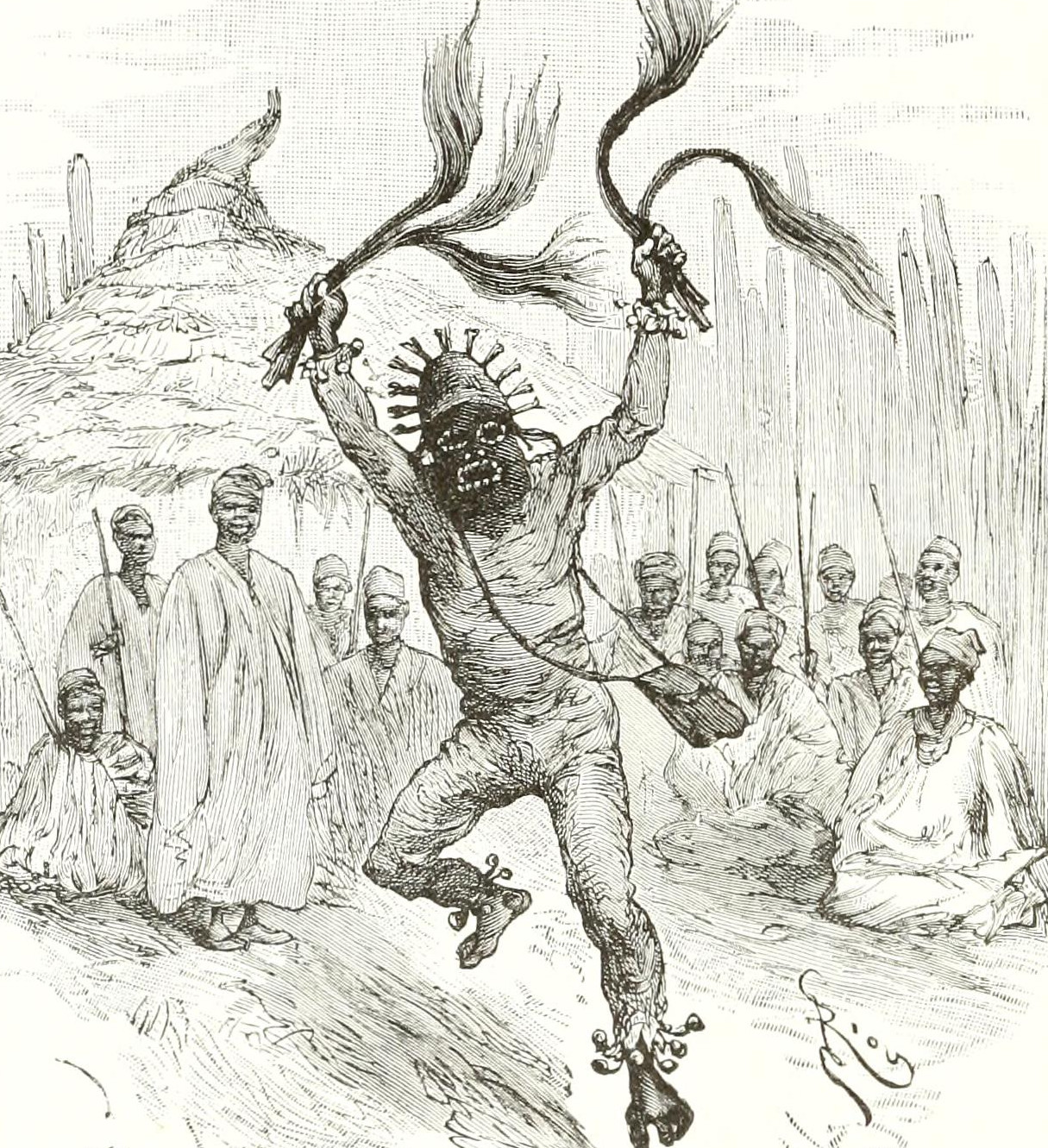 🇺🇸 United States and 2 moreLouisiana Voodoo
An African diasporic religion practiced in Louisiana from the 18th to early 20th centuriesTradition · Healing · Protection Historical
🇺🇸 United States and 2 moreLouisiana Voodoo
An African diasporic religion practiced in Louisiana from the 18th to early 20th centuriesTradition · Healing · Protection Historical
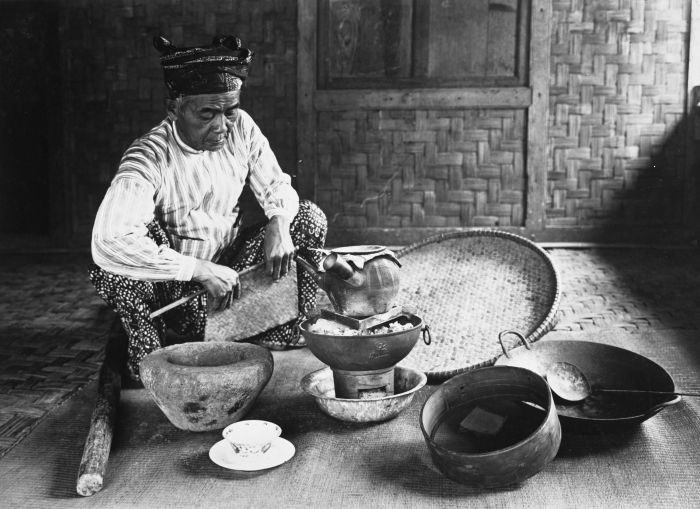 🇮🇩 Indonesia and 2 moreDukun
A traditional healer and spirit medium in Indonesian folk practiceTradition · Healing · Seeing and foretelling Living
🇮🇩 Indonesia and 2 moreDukun
A traditional healer and spirit medium in Indonesian folk practiceTradition · Healing · Seeing and foretelling Living
 🇨🇬 Republic of the CongoNkisi
Spirit containers and power figures from the Congo Basin used for justice and healingCharm · Protection · Healing Living
🇨🇬 Republic of the CongoNkisi
Spirit containers and power figures from the Congo Basin used for justice and healingCharm · Protection · Healing Living