
Jvarasura
In its own language: ज्वारासुर
from Sanskrit jvara (fever) and asura (demon)
A fever demon in Hindu lore who serves the pox goddess Shitala.
Jvarasura is a spirit of fever in Hindu tradition. He is described as a servant to Shitala, the goddess who controls smallpox and other illnesses. His name combines words for fever and demon.
- Jvarasura means 'fever demon' in Sanskrit.
- He was created from a drop of Shiva's sweat.
- Vishnu cut him into three pieces with a discus.
- He serves the pox goddess Shitala.
- He has three heads and three feet.
What it is
Jvarasura represents the spirit of fever within Hindu belief systems. The name translates directly to 'fever demon'. He is often linked to Shitala, a deity associated with controlling pox and infectious diseases. In this dynamic, Jvarasura acts as an attendant or servant to her. While he causes illness, his presence is also part of the broader context of disease management and worship in folk traditions across North India.
Where it comes from
Myths describe Jvarasura's creation during a conflict involving Shiva and Daksha. When Shiva became angry at being excluded from a sacrifice, a drop of sweat fell from his third eye. This drop transformed into a terrifying creature. It was black, had erect hair, and resembled a mix of a hawk and an owl. Shiva named this entity Jvara. Later, the god Vishnu, in the form of Hayagriva, defeated Jvarasura by cutting him into three pieces with his discus. Brahma later reassembled the body, resulting in a being with three heads and feet.
How it is done
Villagers in parts of North India worshipped Jvarasura alongside Shitala. The goal was protection from pox and fever. Devotees sought to appease these deities to prevent illness. The cult was particularly strong in Bengali culture. People recognized that fever is called 'jvara' in several regional languages, including Bengali, Oriya, Kannada, and Hindi. The worship involved acknowledging the demon's power over health.
Tools and materials
Artistic depictions show Jvarasura wearing a blood-red cloth. He is often illustrated with a green moustache and jet-black skin. His hair stands on end, and his eyes are piercing. These visual traits emphasize his frightening nature. He is sometimes shown disguised as a young servant when near Shitala. Buddhist art occasionally pairs him with Paranashavari, showing them flying away together.
Jvarasura, drawn and placed
- Living
- Revived
- Fading
- Historical
- Legendary
- Performed
- Lineage
- Hindu mythology
- Timing
- during illness outbreaks
What it is for
The primary intent behind worshipping Jvarasura was protection against disease. Villagers believed that by honoring the fever demon and Shitala, they could avoid infection. The practice was a way to manage the fear of epidemics. It reflected a belief that illness was caused by supernatural forces that could be influenced through ritual respect.
Who does it
The practice was mainly carried out by householders in rural areas. Village folk across North India participated in the cult. It was a community-based form of devotion aimed at ensuring safety from common ailments like smallpox and high fevers.
Peoples and places
The tradition is rooted in Indian culture. It is especially noted in Bengali folklore, where the name Jvarasura is common. The concept appears in Oriya, Kannada, and Hindi contexts as well. The worship highlights how different linguistic groups in India historically understood fever as a demonic entity requiring spiritual attention.
At a glance: who, where and when
Who does it
Belief worlds
Occasions
What people believe
Hindu texts view Jvarasura as a powerful but subordinate spirit. He serves Shitala, suggesting a hierarchy among disease deities. Buddhist traditions also incorporate him, sometimes linking him to Paranashavari. The myths explain his physical form through divine actions: created from Shiva's sweat, dismembered by Vishnu, and restored by Brahma. This backstory gives him a unique multi-headed appearance.
When it is done
Worship occurred during times of illness or disease outbreaks. There are no specific festival dates mentioned for Jvarasura alone. The timing was reactive, driven by the need for protection against fever and pox. It was part of the daily concern for health in pre-modern communities.
How scholars and sceptics see it
Scholars study Jvarasura as part of Hindu and Buddhist mythological studies. The character illustrates how ancient cultures personified natural phenomena like fever. The link between Shitala and Jvarasura shows a complex relationship between different aspects of disease. The Roman equivalent Febris is often compared in comparative mythology.
Cautions and what is closed
The focus is on the mythological narrative and the protective intent of the devotees. The demon is feared for causing illness, not for harming those who worship him properly.
Compare and confuse
Jvarasura is similar to Febris, the Roman goddess of fever. Both represent the personification of illness. However, Jvarasura is male and serves another deity, whereas Febris is female. The concept of a fever demon appears in various cultures, but Jvarasura is distinct in his service to Shitala.
Questions people ask about Jvarasura
Who is Jvarasura?
Jvarasura is a Hindu spirit representing fever. He is known as the servant of Shitala, the goddess of pox. His name combines words for fever and demon.
How was Jvarasura created?
According to myth, he emerged from a drop of sweat from Shiva's third eye. He was later dismembered by Vishnu and restored by Brahma, giving him three heads.
Why do people worship Jvarasura?
Villagers worshipped him to protect against fever and pox. They believed honoring him and Shitala would keep them safe from these diseases.
What does Jvarasura look like?
He is depicted as black with a green moustache. He wears a blood-red cloth and has three faces and feet due to his restoration.
Good reading and sources
- Jvarasura on WikipediaEncyclopedia
- More photos on Wikimedia CommonsPhotos and video
- Wikidata recordOpen data
The facts on this page come from the Wikipedia article "Jvarasura", written by its contributors and used under the CC BY-SA 4.0 licence, and from its Wikidata record (CC0). EveryJaadu rewrote the text in its own words, with AI assistance, and compares every page with the article to make sure no passage is copied. It may be reused under the same CC BY-SA 4.0 licence with a link back.
It may contain mistakes. Names and customs differ from one community to the next, and some knowledge is closed to outsiders and left out here. This page describes belief and practice. It does not say that any of it works, it is not a how-to, and it is not medical advice. If something is wrong, tell us. Last refreshed 2026-10-11.
More from India
All the entries from India 🇮🇳 India and 3 moreYakshaयक्ष (Sanskrit), ยักษ์ (Thai)
Nature spirits and guardian deities in South and Southeast Asian traditionsBeing · Protection · Power and authority Living
🇮🇳 India and 1 moreDaayanदायन
A vengeful female spirit from Indian folklore, often blamed for misfortune and witchcraft accusations.Being · Cursing and harm · Luck and prosperity Living
🇮🇳 India and 3 moreYakshaयक्ष (Sanskrit), ยักษ์ (Thai)
Nature spirits and guardian deities in South and Southeast Asian traditionsBeing · Protection · Power and authority Living
🇮🇳 India and 1 moreDaayanदायन
A vengeful female spirit from Indian folklore, often blamed for misfortune and witchcraft accusations.Being · Cursing and harm · Luck and prosperity Living
 🇮🇳 IndiaTaraतारा (Sanskrit), তারা (Bengali)
A fierce Hindu goddess of protection and wisdom, central to the Mahavidya tradition.Being · Protection · Power and authority Living
🇮🇳 IndiaTaraतारा (Sanskrit), তারা (Bengali)
A fierce Hindu goddess of protection and wisdom, central to the Mahavidya tradition.Being · Protection · Power and authority Living
 🇮🇳 India and 2 moreBrahmarakshasaब्रह्मराक्षसः
A cursed Brahmin spirit in Hindu lore, feared for harm and venerated in temples.Being · Cursing and harm · Protection Living
🇮🇳 India and 2 moreBrahmarakshasaब्रह्मराक्षसः
A cursed Brahmin spirit in Hindu lore, feared for harm and venerated in temples.Being · Cursing and harm · Protection Living
Related elsewhere
All being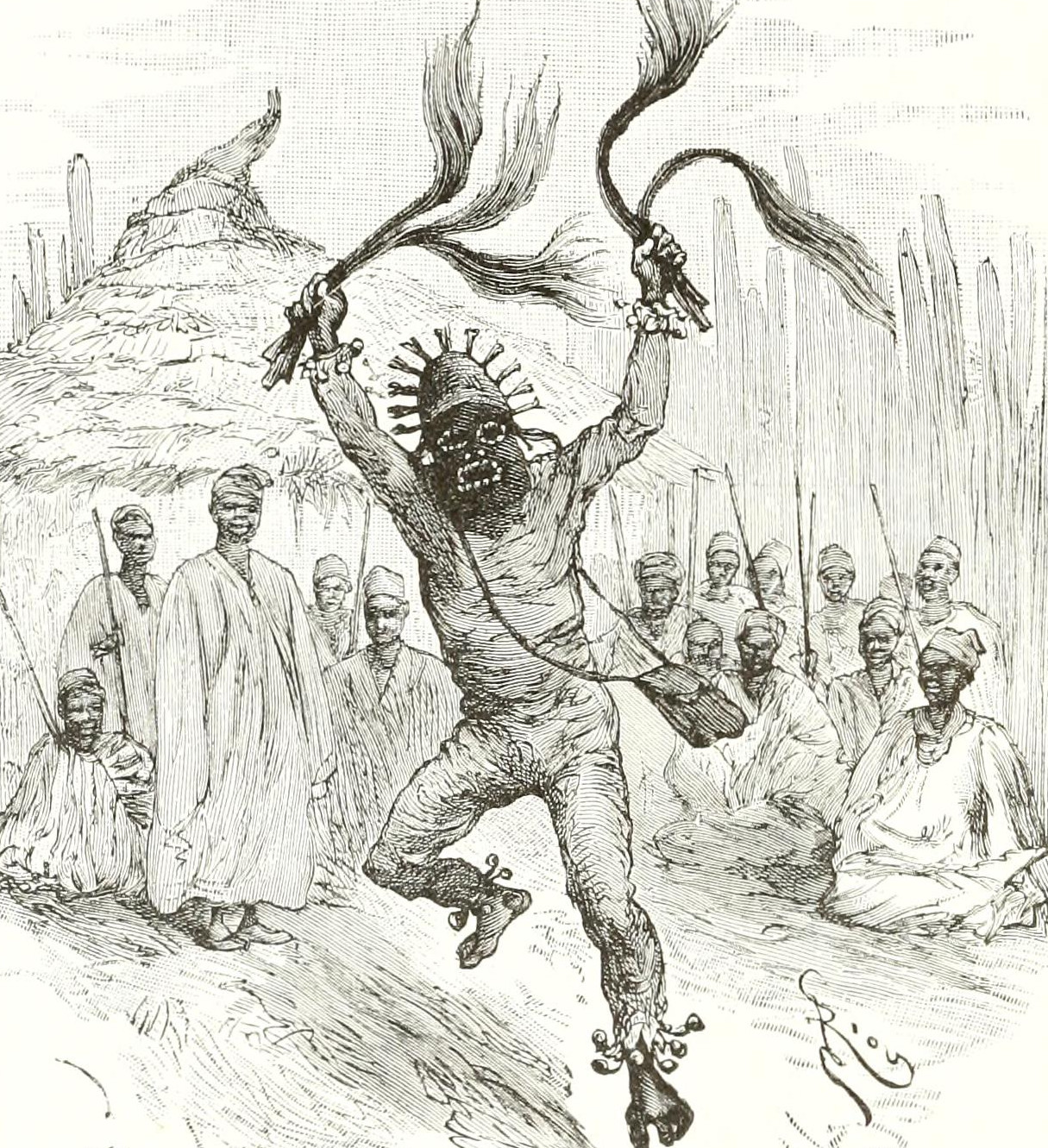 🇺🇸 United States and 2 moreLouisiana Voodoo
An African diasporic religion practiced in Louisiana from the 18th to early 20th centuriesTradition · Healing · Protection Historical
🇺🇸 United States and 2 moreLouisiana Voodoo
An African diasporic religion practiced in Louisiana from the 18th to early 20th centuriesTradition · Healing · Protection Historical
 🇨🇬 Republic of the CongoNkisi
Spirit containers and power figures from the Congo Basin used for justice and healingCharm · Protection · Healing Living
🇨🇬 Republic of the CongoNkisi
Spirit containers and power figures from the Congo Basin used for justice and healingCharm · Protection · Healing Living
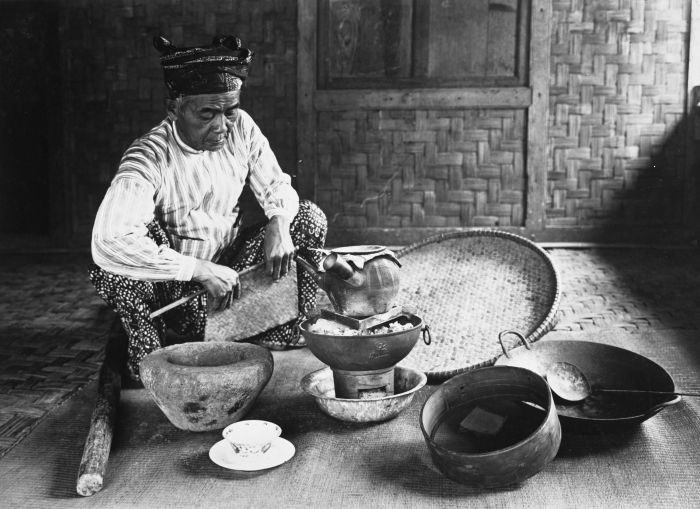 🇮🇩 Indonesia and 2 moreDukun
A traditional healer and spirit medium in Indonesian folk practiceTradition · Healing · Seeing and foretelling Living
🇲🇾 Malaysia and 1 moreBomohبوموه
A Malay shaman and traditional healer who works with spirits, herbs, and geomancy.Tradition · Healing · Seeing and foretelling Living
🇮🇩 Indonesia and 2 moreDukun
A traditional healer and spirit medium in Indonesian folk practiceTradition · Healing · Seeing and foretelling Living
🇲🇾 Malaysia and 1 moreBomohبوموه
A Malay shaman and traditional healer who works with spirits, herbs, and geomancy.Tradition · Healing · Seeing and foretelling Living