Reikon
In its own language: 霊魂
The Shinto soul: it joins the ancestors after funeral rites, or haunts as a yūrei
The reikon is the soul or spirit in Shinto, a tradition of Japan, matching the Western idea of the soul. It is believed to wait after death until funeral rites are given, then join the ancestors, returning each August at Obon; a violent death leaves it behind as a yūrei, a ghost.
- Reikon is the Shinto word for the soul or spirit, matching the Western idea of a soul
- Proper funeral rites are believed to free the soul to join the ancestors
- Every August at Obon the ancestors' souls are said to visit the living world
- A violent or sudden death is thought to leave the reikon behind as a yūrei
- A yūrei haunts with a single desire, such as revenge, love or sorrow
What it is
The reikon is the soul or spirit in Shinto, and the word stands for much the same idea as the soul in Western thought. Belief in it shapes what is thought to happen after death in Japan. Given proper funeral rites, a reikon is believed to wait in a kind of purgatory, a waiting stage for the dead, and then join the ancestors in the afterlife. It comes back to the world of the living once a year, every August, for the Obon Festival. A death that is sudden, violent or traumatic changes the path: the reikon stays behind as a yūrei, a ghost, until its business is finished or rites are performed for it. The idea links funerals, ancestors and ghosts in one scheme.
How it is done
Two customs mark the road of the reikon. The first is the funeral: proper rites are believed to release the soul from its waiting state, after which it takes its place among the ancestors. The second answers a death that went wrong. Where someone died in an unexpected way, or by violence or trauma, a proper ritual is given to ease its passage into the next world. Or the yūrei completes the unfinished duty that holds it among the living, and only then can it go on.
Reikon, drawn and placed
- Living
- Revived
- Fading
- Historical
- Legendary
- Performed
- Lineage
- Shinto
- Timing
- after death, and each August at the Obon Festival
At a glance: who, where and when
Who does it
Peoples
Belief worlds
What people believe
The scheme rests on one thought: the soul goes on after the body dies, and how a person dies decides where it goes. For an ordinary death, the order is set. The reikon waits in a state like purgatory until proper funeral rites have been given, then joins its ancestors in the afterlife, coming back once a year at Obon. For a death by murder or suicide, or some other unexpected end, the order breaks. The reikon is thought to become a yūrei, bound to the world of the living. Such a ghost carries one ruling passion, perhaps revenge or jealousy, perhaps love, hatred or sorrow, and haunts until that business is settled.
When it is done
The reikon's year turns on death and on Obon. Funeral rites are given when a person dies, since the soul's onward passage is believed to depend on them. After that, the one fixed date is the Obon Festival: every August, the reikon of the dead, now among the ancestors, comes back to the living world. In this belief the August visit is the only return the dead make; it is tied to the festival alone.
Compare and confuse
A reikon at rest and a yūrei are not two kinds of being but one soul in two states: settled with the ancestors, or held in the world of the living with a duty to finish. A kindred term is mitama, another idea in Japanese thought about spirits and the soul, named alongside the reikon.
Days linked to Reikon
Questions people ask about Reikon
What is a reikon and where does the belief come from?
A reikon is the soul or spirit in Shinto, a tradition of Japan, and the word covers much the same idea as the soul in Western thought. It is believed to survive death and to follow one of two paths afterwards.
What happens to the reikon after an ordinary death?
It is believed to remain in a state like purgatory until proper funeral rites are given. With those rites complete, the reikon joins the ancestors, and each August, at the Obon Festival, it comes back to visit the living world.
What is a yūrei?
A yūrei is a ghost, the form a reikon takes when its person died suddenly or by violence. Such spirits are thought to arise from murder or suicide, and they stay among the living until their duty is done or a proper ritual eases them onward.
Why does a yūrei haunt?
A yūrei is said to carry one fixed desire while it haunts. The feelings named in the tradition include revenge or jealousy, and love, hatred and sorrow, all tied to an unfinished duty the ghost must complete.
How are the reikon and the yūrei related?
They are one soul in two conditions. The reikon is the soul itself, at rest with the ancestors once funeral rites are done. When death is violent or traumatic, that same soul stays in the world of the living as a yūrei until it is released.
Good reading and sources
The facts on this page come from the Wikipedia article "Reikon", written by its contributors and used under the CC BY-SA 4.0 licence, and from its Wikidata record (CC0). EveryJaadu rewrote the text in its own words, with AI assistance, and compares every page with the article to make sure no passage is copied. It may be reused under the same CC BY-SA 4.0 licence with a link back.
It may contain mistakes. Names and customs differ from one community to the next, and some knowledge is closed to outsiders and left out here. This page describes belief and practice. It does not say that any of it works, it is not a how-to, and it is not medical advice. If something is wrong, tell us. Last refreshed 2026-10-18.
More from Japan
All the entries from Japan 🇯🇵 JapanOni鬼(おに)
A horned demon of Japanese folklore known for strength and evil deedsBeing · Cursing and harm · Luck and prosperity Legendary
🇯🇵 JapanOni鬼(おに)
A horned demon of Japanese folklore known for strength and evil deedsBeing · Cursing and harm · Luck and prosperity Legendary
 🇯🇵 JapanBaku獏
A Japanese spirit said to eat bad dreams and protect sleepersBeing · Protection Living
🇯🇵 JapanBaku獏
A Japanese spirit said to eat bad dreams and protect sleepersBeing · Protection Living
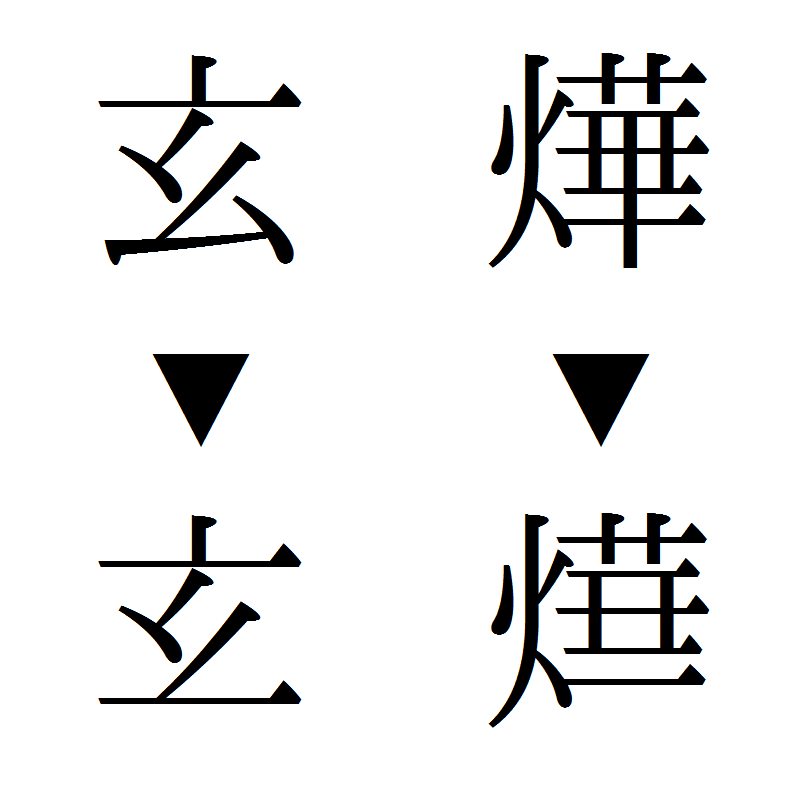 🇨🇳 China and 2 moreNaming taboo避諱
A cultural rule against speaking or writing the names of rulers and ancestors in East AsiaBelief · Protection Historical
🇨🇳 China and 2 moreNaming taboo避諱
A cultural rule against speaking or writing the names of rulers and ancestors in East AsiaBelief · Protection Historical
Related elsewhere
All being 🇪🇸 SpainSorginak
Mythical beings and historical figures associated with Basque witchcraft and the goddess Mari.Figure · Speaking with spirits and the dead · Cursing and harm Historical
🇪🇸 SpainSorginak
Mythical beings and historical figures associated with Basque witchcraft and the goddess Mari.Figure · Speaking with spirits and the dead · Cursing and harm Historical
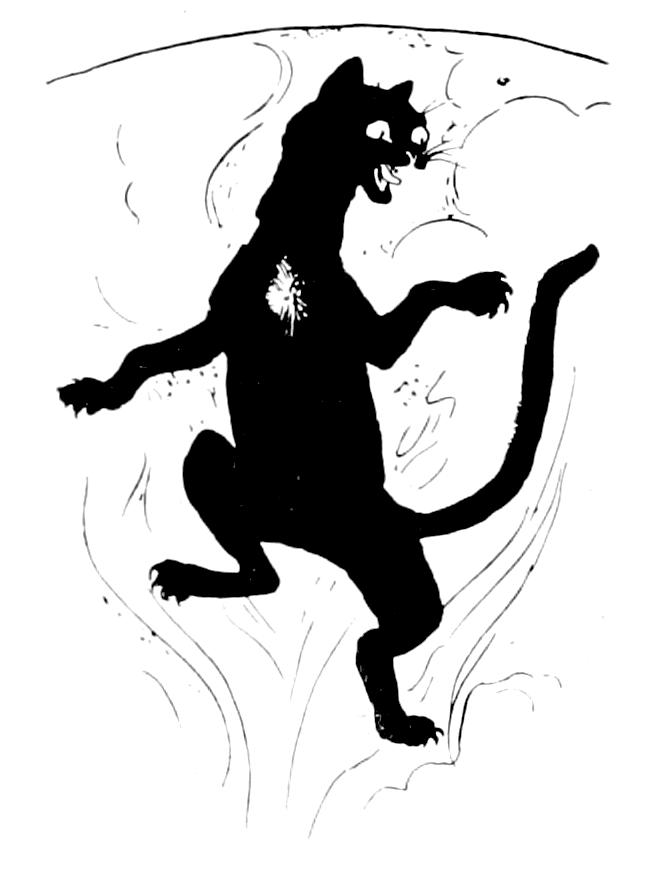 🇬🇧 United KingdomCat-sìth
A spectral feline from Celtic lore that haunts the Scottish Highlands and guards the dead.Being · Cursing and harm · Luck and prosperity Legendary
🇬🇧 United KingdomCat-sìth
A spectral feline from Celtic lore that haunts the Scottish Highlands and guards the dead.Being · Cursing and harm · Luck and prosperity Legendary
 🇭🇷 Croatia and 5 moreVilavila (Serbian: вила), víla (Bulgarian: ви́ла)
Slavic nature spirits known for healing, storms, and deadly dancesBeing · Protection · Cursing and harm Legendary
🇭🇷 Croatia and 5 moreVilavila (Serbian: вила), víla (Bulgarian: ви́ла)
Slavic nature spirits known for healing, storms, and deadly dancesBeing · Protection · Cursing and harm Legendary