Jumbee
Likely derived from the Kikongo word nfumbi, meaning ancestral ghost
A shadowy spirit of the dead in Caribbean folklore, often linked to evil deeds.
The jumbee is a malevolent spirit found in the folklore of several Caribbean nations. It represents souls that turned to darkness during life and continue as harmful entities after death. The concept blends African, Indigenous, and European mythological threads across the region.
- Jumbees are dark shadows, not wispy ghosts
- They result from wicked lives before death
- Salt and rice make them count grains endlessly
- Montserrat features jumbie possession dances
- Word likely comes from Kikongo nfumbi
What it is
The jumbee is a type of dark spirit in Caribbean tradition. Unlike gentle ghosts, it appears as a heavy shadow. People believe these beings were wicked while alive. Their evil nature continues into the afterlife. They are seen as instruments of harm. Some regions use different words for similar spirits. The term covers many kinds of bad entities.
Where it comes from
The belief mixes many cultural roots. African, Amerindian, East Indian, Dutch, English, and Chinese myths all contribute. The word likely comes from the Kikongo term nfumbi. This means ancestral ghost. French-speaking islands use zombi instead. British colonies generally use jumbee or jumbie. The name reflects the area's complex history.
How it is done
People use tricks to keep these spirits away. Leaving shoes outside makes them try to put them on. A pile of salt or rice forces them to count every grain. Knots in a rope keep them busy untangling. Walking backward at night hides one's trail. Crossing water stops a chase. These methods rely on the spirit's curiosity or physical limits.
Tools and materials
Offerings like rum or food appease some spirits. Shoes distract those with backwards feet. Salt, sand, or rice act as barriers. Ropes with knots delay pursuit. Drums accompany ceremonies where spirits might possess dancers. These items exploit specific traits attributed to the jumbee.
Jumbee, drawn and placed
- Living
- Revived
- Fading
- Historical
- Legendary
- Performed
- Lineage
- Caribbean folklore
- Timing
- at night or after death
What it is for
The spirit is feared for causing trouble. It brings havoc after death. People avoid encounters to stay safe. Offerings seek peace rather than power. The belief explains misfortune as spiritual interference. It warns against living a wicked life. The outcome is negative for those who offend the spirit.
Who does it
Ordinary households hold this belief. Obeah practitioners incorporate it into their views. In Montserrat, dancers perform jumbie dances. Couples take turns in quadrilles until possession occurs. The community watches for signs of intrusion. No special training is needed to fear the spirit.
Peoples and places
English-speaking Caribbean nations share the core idea. Jamaica and Barbados often use duppy instead. Guyana and Antigua include it in local lore. Colombia and Venezuela call it mendo or chongo. Montserrat has unique dance rituals. French islands prefer zombi. The Congo uses nfumbi. Each group adapts the concept locally.
At a glance: who, where and when
Who does it
Belief worlds
Occasions
What people believe
Souls become jumbees if they lived badly. The spirit leaves the body shortly after death. It can change shape into animals like cats or dogs. It cannot cross water. It gets stuck on tasks involving counting or tying. These rules define its limitations and dangers within the folk worldview.
When it is done
Encounters happen at any time. Nighttime increases risk. Death triggers the transformation. Montserratian dances mark specific ceremonial times. Daily life includes precautions against wandering spirits. There are no fixed annual festivals for the entity itself.
How scholars and sceptics see it
Researchers view this as part of regional folklore. It reflects historical ethnic mixing. Anthropologists note the blend of African and European elements. The belief system provides a framework for understanding evil. It connects moral behavior in life to consequences after death.
Cautions and what is closed
The spirit is described as dangerous. It causes havoc when active. Possession can occur during dances. People take precautions seriously. The belief reinforces social norms about behavior. Fear of the spirit discourages wicked actions. It serves as a moral warning in the community.
Compare and confuse
It resembles the duppy in Jamaica. The zombi in French islands is similar. The nfumbi in Congo shares linguistic roots. Western ghosts are usually wispy. Jumbees are dark and solid. The Mocko Jumbie is a stilt dancer, not a spirit. Confusion arises between the spiritual and performance aspects.
Questions people ask about Jumbee
What is a jumbee?
It is a malevolent spirit in Caribbean folklore. People believe it forms from someone who was evil in life. It acts as an instrument of harm after death. It appears as a dark shadow rather than a light ghost.
Where does the belief come from?
It originates in the Caribbean region. The word likely derives from the Kikongo term nfumbi. The belief combines African, Indigenous, and European mythological elements. It is found in Jamaica, Guyana, and other island nations.
How do people protect themselves?
Practitioners suggest leaving shoes outside to confuse the spirit. Piles of salt or rice force it to count grains. Knots in ropes delay its pursuit. Walking backward hides one's path. Crossing rivers stops a chase.
Can a jumbee change form?
Yes, beliefs state it can shape-shift. It often takes the form of a cat, dog, or pig. This ability adds to the fear of encountering it. The transformation happens after the spirit leaves the body.
Good reading and sources
The facts on this page come from the Wikipedia article "Jumbee", written by its contributors and used under the CC BY-SA 4.0 licence, and from its Wikidata record (CC0). EveryJaadu rewrote the text in its own words, with AI assistance, and compares every page with the article to make sure no passage is copied. It may be reused under the same CC BY-SA 4.0 licence with a link back.
It may contain mistakes. Names and customs differ from one community to the next, and some knowledge is closed to outsiders and left out here. This page describes belief and practice. It does not say that any of it works, it is not a how-to, and it is not medical advice. If something is wrong, tell us. Last refreshed 2026-10-10.
More from Jamaica
All the entries from Jamaica 🇯🇲 Jamaica and 5 moreObeah
A Caribbean tradition of ritual healing and spell-casting with African rootsTradition · Protection · Healing Living
🇯🇲 Jamaica and 2 moreKromanti
A ritual language spoken by ancestral spirits in Jamaican Maroon ceremoniesBelief · Speaking with spirits and the dead Living
🇯🇲 Jamaica and 3 moreDuppy
A Caribbean term for a ghost or malevolent spirit, rooted in West African folklore.Being · Cursing and harm · Luck and prosperity Living
🇯🇲 Jamaica and 1 moreMyal
An Afro-Jamaican healing tradition rooted in Arawak and Akan spiritualityTradition · Healing · Protection Living
🇯🇲 Jamaica and 5 moreObeah
A Caribbean tradition of ritual healing and spell-casting with African rootsTradition · Protection · Healing Living
🇯🇲 Jamaica and 2 moreKromanti
A ritual language spoken by ancestral spirits in Jamaican Maroon ceremoniesBelief · Speaking with spirits and the dead Living
🇯🇲 Jamaica and 3 moreDuppy
A Caribbean term for a ghost or malevolent spirit, rooted in West African folklore.Being · Cursing and harm · Luck and prosperity Living
🇯🇲 Jamaica and 1 moreMyal
An Afro-Jamaican healing tradition rooted in Arawak and Akan spiritualityTradition · Healing · Protection Living
Related elsewhere
All belief 🇷🇸 Serbia and 5 moreVampire
An undead creature from folklore that feeds on the blood or life force of the livingBeing · Cursing and harm · Luck and prosperity Legendary
🇷🇸 Serbia and 5 moreVampire
An undead creature from folklore that feeds on the blood or life force of the livingBeing · Cursing and harm · Luck and prosperity Legendary
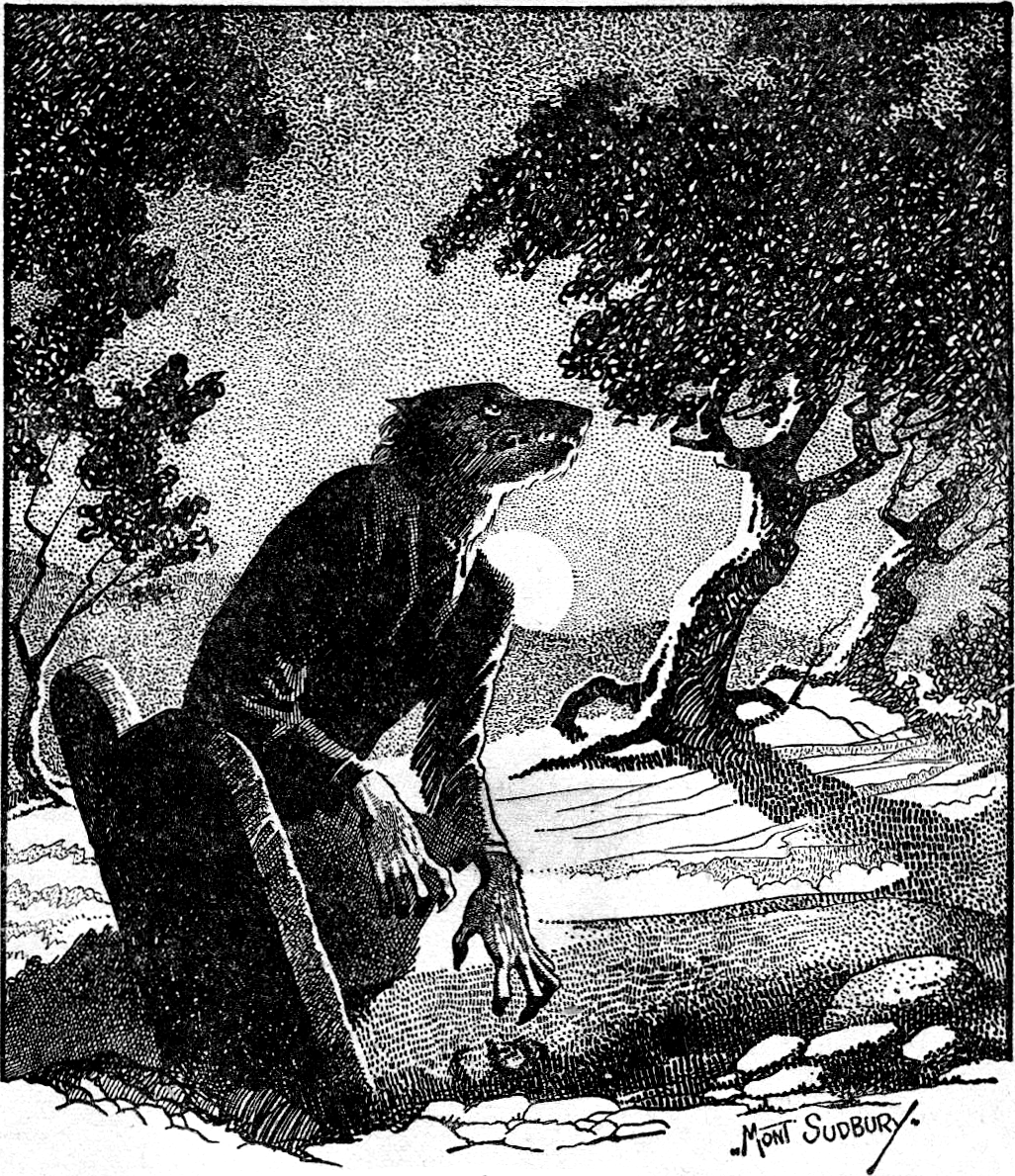 🇫🇷 France and 5 moreWerewolf
A mythical shapeshifter that turns into a wolf, central to European witch-hunts and Gothic horror.Being · Cursing and harm · Wonder and entertainment Legendary
🇫🇷 France and 5 moreWerewolf
A mythical shapeshifter that turns into a wolf, central to European witch-hunts and Gothic horror.Being · Cursing and harm · Wonder and entertainment Legendary
 🇪🇬 Egypt and 1 moreLilithלִילִית
A feminine figure from Mesopotamian and Jewish mythology, often depicted as a night demon or spirit.Being · Cursing and harm Legendary
🇪🇬 Egypt and 1 moreLilithלִילִית
A feminine figure from Mesopotamian and Jewish mythology, often depicted as a night demon or spirit.Being · Cursing and harm Legendary
 🇪🇬 EgyptCurse
A spoken wish for misfortune to befall a person or placeBelief · Cursing and harm · Luck and prosperity Historical
🇪🇬 EgyptCurse
A spoken wish for misfortune to befall a person or placeBelief · Cursing and harm · Luck and prosperity Historical