
Saint Michael
from Hebrew, meaning "Who is like God?"
A Christian archangel who defends the faithful and weighs souls
Saint Michael is a principal angel in Christianity, revered as the leader of God's army against evil. He is believed to protect the Church, defend believers at death, and judge souls on Judgment Day.
- Name means "Who is like God?"
- Defeated Satan and cast him from heaven
- Weighs souls on Judgment Day
- Feast day is September 29
- Patron of police and military
What it is
Saint Michael is an archangel in Christian tradition, recognized as a spiritual warrior and defender of the faith. His name translates to "Who is like God?" reflecting his role as an opponent of evil forces. He is viewed as the commander of the heavenly armies and a protector of the Church. Believers hold that he assists individuals at the hour of death and serves as a guardian against demonic influence.
Where it comes from
References to Michael appear in the Old Testament, particularly in the books of Daniel and Jude. Early Christian writings and traditions established his importance by the Middle Ages. Sanctuaries dedicated to him emerged in the Near East, Anatolia, and Egypt. The cult spread throughout Europe, with major shrines built in Italy, France, and Ireland following reported appearances.
How it is done
Devotion involves prayers, novenas, and specific liturgical invocations. The Prayer to Saint Michael asks for protection against the Devil and evil spirits. Historically, priests recited his name during Mass rituals. Fasting periods, such as the Franciscan observance from August to September, are also part of traditional practice.
Tools and materials
Artistic depictions often show Michael holding scales to weigh souls and a sword or spear to defeat Satan. These symbols represent his dual roles in judgment and spiritual combat. The scales are associated with his function on Judgment Day, while the weapon signifies his victory over evil.
Saint Michael, drawn and placed
- Living
- Revived
- Fading
- Historical
- Legendary
- Performed
- Lineage
- Christian angelology
- Timing
- at death and on feast days
What it is for
Michael is invoked for protection, especially during temptation or sorrow. He is believed to defend the Church and guide souls through particular judgment. Many people seek his intercession for safety and spiritual strength. He is also considered the patron of various professions, including police and military personnel.
Who does it
The archangel is venerated by Catholics and Eastern Orthodox Christians. Priests include his name in certain liturgical rites. Monastic communities and individual believers maintain devotions to him. His role as a guardian extends to the Pope and many nations.
Peoples and places
Veneration of Saint Michael is widespread across the Christian world. Major shrines exist in Italy, France, Ireland, and Norway. Pilgrims visit sites like Mont Saint-Michel and Monte Gargano. The devotion has also spread to regions like Brazil and Syria through missionary activity and cultural exchange.
At a glance: who, where and when
Belief worlds
Occasions


What people believe
Christian theology places Michael among the highest order of angels, often described as a seraph. He is believed to have cast Satan out of heaven and will defeat the Antichrist at the end of time. His presence is thought to be near the Throne of God, advocating for sinners and ensuring divine justice.
When it is done
The primary feast day is September 29, commemorating the dedication of a basilica in Rome. Another feast on November 8 honors the Holy Archangels collectively. Some traditions also observe May 8, marking an apparition at Monte Gargano. These dates structure annual cycles of prayer and pilgrimage.
How scholars and sceptics see it
Historians note the rapid growth of Michael's cult in the early medieval period. Anthropologists study how his image as a warrior saint influenced other religious figures. Scholars examine the theological development of his roles in judgment and protection within Christian doctrine.
Compare and confuse
Michael is one of three named archangels in Catholic tradition, alongside Gabriel and Raphael. While Gabriel is known as a messenger and Raphael as a healer, Michael is primarily associated with war and judgment. Other cultures have similar warrior deities, but Michael's specific role is defined by Christian scripture.
Today
Saint Michael remains a central figure in Catholic devotion. Churches dedicated to him are found globally. Modern pilgrimages continue to popular sites in Europe and beyond. The traditional prayers and feast days are still observed by millions of believers worldwide.
Questions people ask about Saint Michael
What does the name Michael mean?
The name Michael comes from Hebrew and translates to "Who is like God?" This rhetorical question highlights his role as a defender of divine authority against evil.
Where did devotion to Saint Michael begin?
Early indications of his cult appeared in the Near East, with sanctuaries in Anatolia, Antioch, and Egypt. It later spread to Europe, with major shrines in Italy and France.
What is Saint Michael's main role in Christianity?
He is the leader of God's army against Satan and the fallen angels. He is also believed to protect the Church, assist the dying, and weigh souls on Judgment Day.
When is Saint Michael's feast day?
The primary feast day is September 29, commemorating the dedication of a basilica in Rome. Another celebration occurs on November 8 for all Holy Archangels.
Who is Saint Michael the patron saint of?
He is the patron of bankers, grocers, police officers, and military personnel. He is also considered the guardian angel of the Pope and many countries.
Good reading and sources
The facts on this page come from the Wikipedia article "Saint Michael in the Catholic Church", written by its contributors and used under the CC BY-SA 4.0 licence, and from its Wikidata record (CC0). EveryJaadu rewrote the text in its own words, with AI assistance, and compares every page with the article to make sure no passage is copied. It may be reused under the same CC BY-SA 4.0 licence with a link back.
It may contain mistakes. Names and customs differ from one community to the next, and some knowledge is closed to outsiders and left out here. This page describes belief and practice. It does not say that any of it works, it is not a how-to, and it is not medical advice. If something is wrong, tell us. Last refreshed 2026-10-06.
More from Italy
All the entries from Italy 🇬🇷 Greece and 1 moreHecateἙκάτη
A Greek goddess of magic, crossroads, and the moon, often shown in three forms.Being · Protection · Power and authority Historical
🇬🇷 Greece and 1 moreHecateἙκάτη
A Greek goddess of magic, crossroads, and the moon, often shown in three forms.Being · Protection · Power and authority Historical
 🇮🇹 ItalyJupiterIuppiter
The Roman sky father and king of the gods, associated with thunder and oathsBeing · Power and authority · Protection Historical
🇮🇹 ItalyJupiterIuppiter
The Roman sky father and king of the gods, associated with thunder and oathsBeing · Power and authority · Protection Historical
 🇮🇹 ItalyFortunaFortūna
The Roman goddess of luck and fate, shown with a wheel and a horn of plentyBeing · Luck and prosperity · Seeing and foretelling Historical
🇮🇹 ItalyFortunaFortūna
The Roman goddess of luck and fate, shown with a wheel and a horn of plentyBeing · Luck and prosperity · Seeing and foretelling Historical
 🇮🇹 Italy and 1 moreSaturnSāturnus
Roman god of time and agriculture, linked to the Saturnalia festivalBeing · Luck and prosperity · Power and authority Historical
🇮🇹 Italy and 1 moreSaturnSāturnus
Roman god of time and agriculture, linked to the Saturnalia festivalBeing · Luck and prosperity · Power and authority Historical
Related elsewhere
All being 🇹🇷 Turkey and 5 moreEvil eye
A curse caused by an envious look and the charms used to block itBelief · Protection · Cursing and harm Living
🇹🇷 Turkey and 5 moreEvil eye
A curse caused by an envious look and the charms used to block itBelief · Protection · Cursing and harm Living
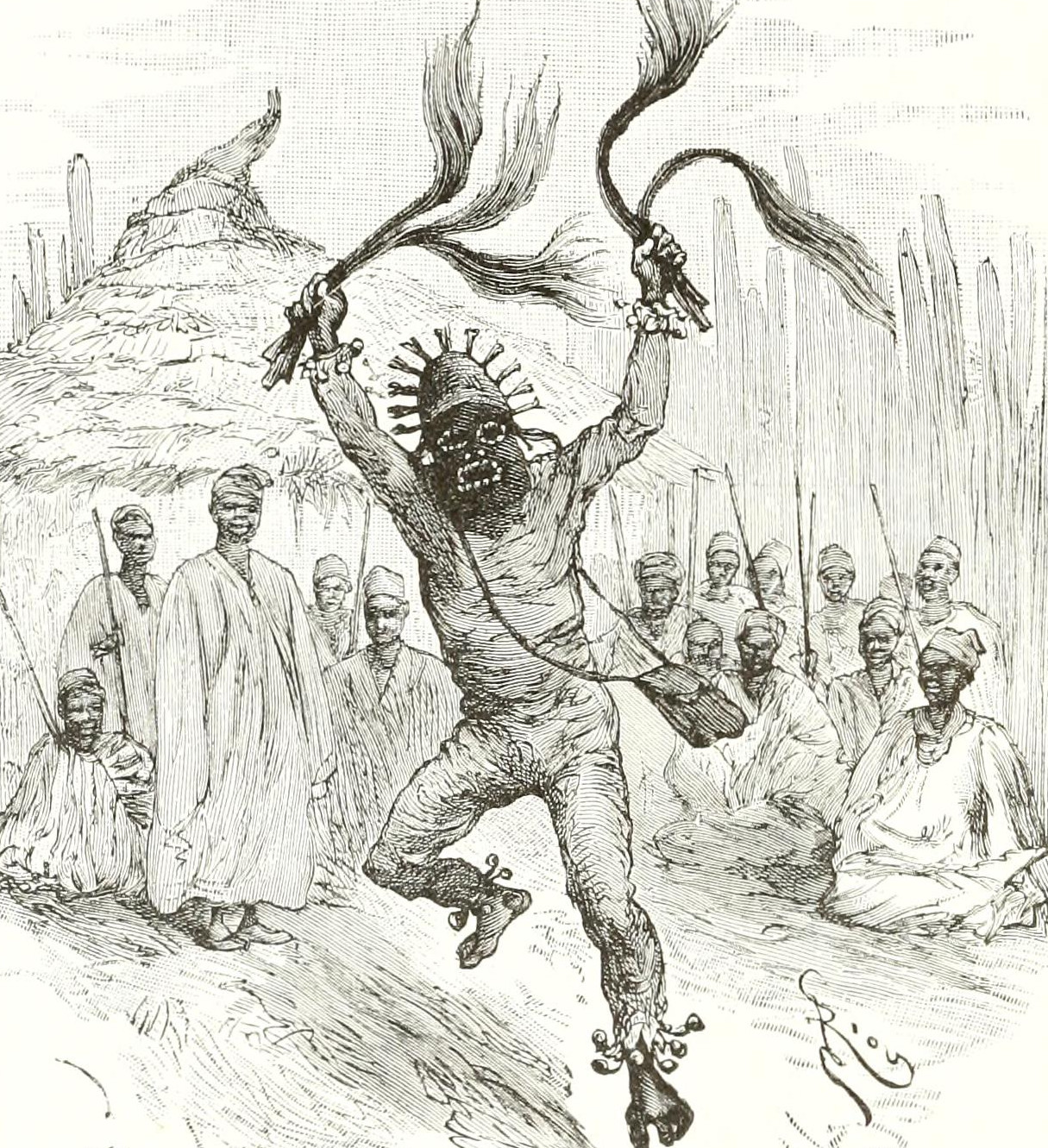 🇺🇸 United States and 2 moreLouisiana Voodoo
An African diasporic religion practiced in Louisiana from the 18th to early 20th centuriesTradition · Healing · Protection Historical
🇺🇸 United States and 2 moreLouisiana Voodoo
An African diasporic religion practiced in Louisiana from the 18th to early 20th centuriesTradition · Healing · Protection Historical
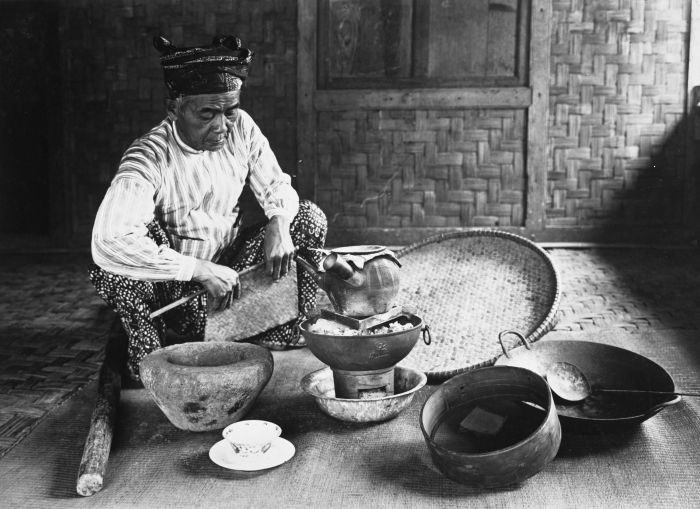 🇮🇩 Indonesia and 2 moreDukun
A traditional healer and spirit medium in Indonesian folk practiceTradition · Healing · Seeing and foretelling Living
🇮🇩 Indonesia and 2 moreDukun
A traditional healer and spirit medium in Indonesian folk practiceTradition · Healing · Seeing and foretelling Living
 🇮🇷 Iran and 1 moreJinnجِنّ
Supernatural beings in Islamic and pre-Islamic Arabian belief, created from smokeless fire.Being · Protection · Cursing and harm Living
🇮🇷 Iran and 1 moreJinnجِنّ
Supernatural beings in Islamic and pre-Islamic Arabian belief, created from smokeless fire.Being · Protection · Cursing and harm Living