
The Hairy Leg
In its own language: Perna cabeluda
from Portuguese perna cabeluda, meaning hairy leg
A Brazilian urban legend of a detached leg that attacks people at night
The Hairy Leg is a fictional creature from Recife, Brazil, created by journalists in the 1970s to bypass military censorship. It spread through local media as a hairy human limb that attacked residents, becoming a symbol of fear and later a staple of regional folklore and art.
- Created by Diário de Pernambuco to bypass 1970s censorship
- First reported in Tiúma on December 10, 1975
- Featured in 1976 Recife Carnival floats and frevo songs
- Sold over 39,000 cordel booklets in early 1976
- Central element in the 2025 film The Secret Agent
What it is
The Hairy Leg is a Brazilian urban legend featuring a detached, hairy human leg that attacks people at night. It originated in Recife during the 1970s military dictatorship as a creative tool for journalists. The newspaper Diário de Pernambuco used the story to replace censored news about police and army violence. Over time, the figure evolved from a coded warning into a widespread cultural icon of fear and entertainment.
Where it comes from
The legend began on December 10, 1975, when Diário de Pernambuco reported a phantom leg haunting a home in Tiúma. Editor Og Fernandes created the column Romance Policial to signal censorship without direct confrontation. Journalist Jota Ferreira popularized it via radio, while columnist Paulo Fernando Craveiro added the 'hairy' detail in January 1976. Reporter Raimundo Carrero cemented its violent nature in February 1976, describing it as tackling and kicking victims like the folkloric saci-pererê.
How it is done
Reports described the leg walking on walls, hanging from roofs, and transforming into animals such as fish or bats. It was said to attack people by tackling and kicking them, particularly women, in the late afternoon or at night. Residents avoided leaving their homes during these times. Some accounts claimed mocking the creature led to further attacks, fueling collective panic across the region.
Tools and materials
A babalorixá, a priest of Afro-Brazilian religions, offered free services to cleanse the phenomenon. He suggested using salt water and smudging with herbs to explain or solve the haunting. These practices reflect the intersection of local folk beliefs and the supernatural narrative, providing a spiritual framework for understanding the perceived threat.
The Hairy Leg, drawn and placed
- Living
- Revived
- Fading
- Historical
- Legendary
- Performed
- Lineage
- Brazilian urban legend
- Timing
- late afternoon and night
What it is for
Initially, the stories served to report on real violence against women and citizens that the regime had silenced. For the public, they provided an outlet for fear and anxiety during a repressive period. Later, the legend shifted to entertainment, appearing in carnival songs, cordel literature booklets, and comics. It became a way to process trauma through humor and artistic expression.
Who does it
The legend was crafted by journalists, including Og Fernandes, Jota Ferreira, and Paulo Fernando Craveiro. It was adopted by street vendors selling cordel literature, with José Soares selling tens of thousands of copies. A babalorixá engaged with the belief system directly, offering spiritual remedies. Psychoanalysts and historians now study it as a response to political repression and natural disasters.
Peoples and places
The Hairy Leg is deeply rooted in Recife, Pernambuco, and spread to neighboring states like Ceará. It resonated with Brazilians living under military rule, particularly after the great flood of 1975. The legend appears in frevo music, carnival floats, and modern cinema. It remains a distinct part of Northeastern Brazilian identity, distinguishing itself from other global urban legends through its specific political origins.
At a glance: who, where and when
Peoples
Belief worlds


What people believe
The creature is believed to be a supernatural entity capable of shape-shifting and defying gravity. In the context of the dictatorship, it symbolized the invisible but pervasive threat of state violence. Believers feared it would attack those who mocked it. The babalorixá’s involvement shows how traditional religious frameworks were applied to interpret this new, modern myth as a spiritual disturbance requiring cleansing.
When it is done
The legend emerged in late 1975 and peaked in early 1976. It was featured in the 1976 Recife Carnival, with floats depicting the leg in a shark’s mouth. It appeared in cordel literature sold throughout the year. The fear lasted about two years before turning into a joke. Modern revivals occur during film releases and cultural festivals celebrating regional history.
How scholars and sceptics see it
Researchers view the Hairy Leg as a metaphor for factual violence hidden by censorship. Historians note it helped sell newspapers while signaling regime oppression. Psychoanalysts suggest it found fertile ground due to recent floods and political repression. Scholars analyze its transition from a tool of journalistic resistance to a commercialized cultural symbol in music and film.
Cautions and what is closed
The initial reports caused genuine public fear, leading residents to stay indoors at night. People were reportedly attacked after mocking the legend, though these were likely hoaxes or misunderstandings. The story exploited anxieties about crime and state violence. Today, it is treated as a historical curiosity and artistic theme, with no actual danger posed by the figure itself.
Compare and confuse
The Hairy Leg is similar to other urban legends that use absurdity to mask truth, like recipe columns replacing news. It differs from typical ghost stories by its clear political origin. It shares traits with the saci-pererê, a one-legged folk character, but is darker and more violent. Unlike European werewolves, it has no mythical lineage, being a modern invention of print media.
Questions people ask about The Hairy Leg
What is the Hairy Leg?
It is a Brazilian urban legend from Recife featuring a detached, hairy human leg that attacks people at night. It originated in 1975 as a fictional story used by journalists to report on censored violence.
Why was the Hairy Leg created?
Journalists invented it to replace censored news about police and army brutality during the military dictatorship. The absurd story signaled to readers that real news had been removed, allowing them to understand the silence.
Where did the legend start?
It started in Recife, Brazil, specifically in the Tiúma neighborhood. Reports began in December 1975 when a family claimed a phantom leg haunted their home, walking on walls and changing shapes.
How did the legend spread?
It spread through radio programs, cordel literature booklets, and carnival songs. Journalists like Jota Ferreira and Raimundo Carrero amplified the story, adding details about its violent attacks and shape-shifting abilities.
Is the Hairy Leg still relevant today?
Yes, it appears in modern Brazilian culture. It was featured in a 2025 film called The Secret Agent and continues to inspire artists, musicians, and writers interested in Recife’s history and folklore.
Good reading and sources
The facts on this page come from the Wikipedia article "The Hairy Leg", written by its contributors and used under the CC BY-SA 4.0 licence, and from its Wikidata record (CC0). EveryJaadu rewrote the text in its own words, with AI assistance, and compares every page with the article to make sure no passage is copied. It may be reused under the same CC BY-SA 4.0 licence with a link back.
It may contain mistakes. Names and customs differ from one community to the next, and some knowledge is closed to outsiders and left out here. This page describes belief and practice. It does not say that any of it works, it is not a how-to, and it is not medical advice. If something is wrong, tell us. Last refreshed 2026-10-06.
More from Brazil
All the entries from Brazil 🇲🇽 Mexico and 5 moreWitchcraft in Latin AmericaBrujería
A syncretic blend of Indigenous, African, and European magical practices across Latin AmericaTradition · Protection · Healing Living
🇧🇷 Brazil and 1 moreSaciSaci-pererê
A one-legged prankster of Brazilian folklore who hides in dust devils and wears a magic red cap.Figure · Luck and prosperity · Cursing and harm Living
🇲🇽 Mexico and 5 moreWitchcraft in Latin AmericaBrujería
A syncretic blend of Indigenous, African, and European magical practices across Latin AmericaTradition · Protection · Healing Living
🇧🇷 Brazil and 1 moreSaciSaci-pererê
A one-legged prankster of Brazilian folklore who hides in dust devils and wears a magic red cap.Figure · Luck and prosperity · Cursing and harm Living
 🇦🇷 Argentina and 2 moreSan La Muerte
A skeletal folk saint venerated in South America for protection and favorsTradition · Protection · Healing Living
🇦🇷 Argentina and 2 moreSan La Muerte
A skeletal folk saint venerated in South America for protection and favorsTradition · Protection · Healing Living
Related elsewhere
All figure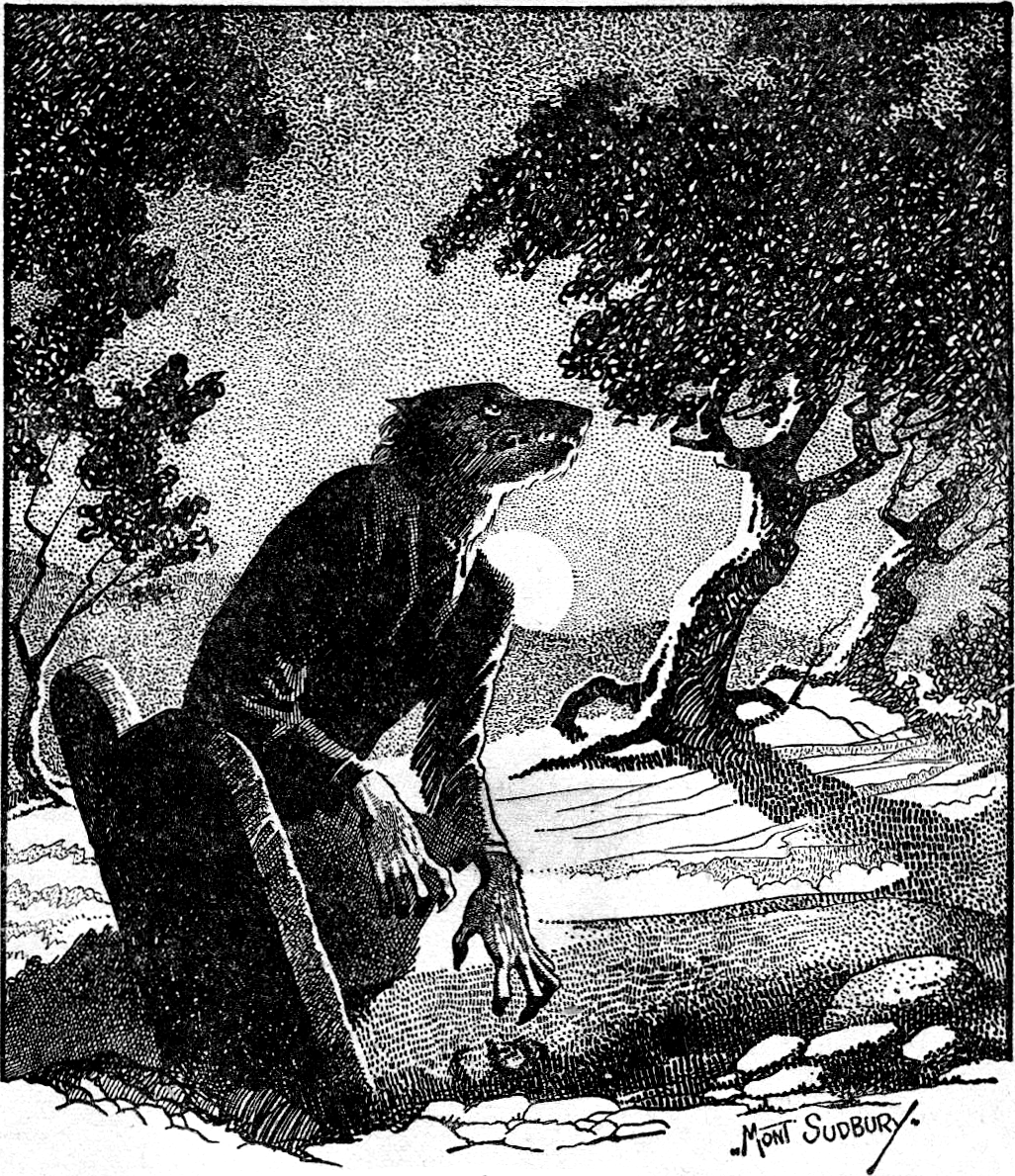 🇫🇷 France and 5 moreWerewolf
A mythical shapeshifter that turns into a wolf, central to European witch-hunts and Gothic horror.Being · Cursing and harm · Wonder and entertainment Legendary
🇫🇷 France and 5 moreWerewolf
A mythical shapeshifter that turns into a wolf, central to European witch-hunts and Gothic horror.Being · Cursing and harm · Wonder and entertainment Legendary
 🇯🇵 JapanNoppera-bōのっぺらぼう
A faceless spirit from Japanese folklore that mimics human appearanceBeing · Cursing and harm · Wonder and entertainment Historical
🇯🇵 JapanNoppera-bōのっぺらぼう
A faceless spirit from Japanese folklore that mimics human appearanceBeing · Cursing and harm · Wonder and entertainment Historical
 🇯🇵 JapanHyakumonogatari Kaidankai百物語怪談会
An Edo period Japanese parlour game where ghost stories extinguish candles one by oneRite · Cursing and harm · Wonder and entertainment Historical
🇨🇳 ChinaNian年兽 (Nián shòu)
A mythical creature linked to Chinese New Year customs and the lion danceFigure · Cursing and harm · Wonder and entertainment Legendary
🇯🇵 JapanHyakumonogatari Kaidankai百物語怪談会
An Edo period Japanese parlour game where ghost stories extinguish candles one by oneRite · Cursing and harm · Wonder and entertainment Historical
🇨🇳 ChinaNian年兽 (Nián shòu)
A mythical creature linked to Chinese New Year customs and the lion danceFigure · Cursing and harm · Wonder and entertainment Legendary