
Gello
In its own language: Γελλώ
possibly from Mesopotamian Gallû or Greek gel- (grin)
A Greek demon of infancy and a class of beings blamed for infant death.
In ancient Greece, Gello was a female spirit who harmed newborns. By the Byzantine era, gelloudes were seen as a group of demons. People used charms and prayers to protect children from them.
- Gello is a Greek demon harming infants.
- Name may derive from Mesopotamian Gallû.
- Gelloudes were night spirits entering homes.
- Amulets featured Saint Sisinnios fighting demons.
- Scholars link Gello to envy and evil eye.
What it is
Gello is a figure from Greek myth described as a female demon or ghost. She harms infants and causes pregnancy loss. Later texts call her kind gelloudes. These are night spirits that enter homes to kill babies. Some see them as old witches. Others see them as ghosts of dead virgins. They are linked to envy and the evil eye. Mothers fear them deeply.
Where it comes from
The name may come from Mesopotamian Gallû. This links it to sickness and death. Greeks also linked it to laughing faces. It resembles Gorgon grimaces. Zenobius says she died a virgin and returned to hurt others. Sappho mentions her in the sixth century BC. Hesychius calls her a ghost attacking virgins and babies. Later writers mixed her with Lamia and Mormo.
How it is done
People used many ways to stop these demons. Mothers wore amulets near their babies. They hung red coral or garlic heads. Some burned lamps before holy images. Baptism was thought to stop demon snatching. Charms listed specific items like hyena eyes in purple bags. Sleeping on donkey skin was also recommended. Prayers invoked saints to drive them away.
Tools and materials
Amulets often showed Saint Sisinnios fighting a demon. The Schlumberger No. 1 amulet shows a rider stabbing a creature. Inscriptions name Solomon and Sisinnios. Other charms used stones like galactite. These protected against envious women. Eyeballs of hyenas were placed in pouches. Garlic and coral were common household wards.
Gello, drawn and placed
- Living
- Revived
- Fading
- Historical
- Legendary
- Performed
- Lineage
- Greek mythology and folklore
- Timing
- at birth and during childhood
What it is for
The main goal was protecting newborns. Parents feared sudden infant death. They sought safety from strangling spirits. Amulets offered comfort and defense. Prayers asked for divine help. Saints were called upon to chase demons away. The rituals aimed to keep the home safe. They addressed fears of unseen harm.
Who does it
Mothers performed most protective rites. They chose amulets and prayers. Ecclesiastical trials judged accused women. Scholars studied the texts and beliefs. John of Damascus wrote about their nature. Michael Psellos described their actions. Leo Allatius recorded folk practices. He criticized pagan charms in favor of crosses.
Peoples and places
Greeks held these beliefs across centuries. Ancient sources mention the original demon. Byzantine writers expanded the concept. Medieval people kept the superstitions alive. Modern scholars analyze the texts. The belief spread through Greek writings. It influenced later demonology. The figures evolved from individuals to types.
At a glance: who, where and when
Peoples
Belief worlds
Occasions
What people believe
Demons were seen as sexless by the Church. Yet women were accused of being gelloudes. This created a theological conflict. Spirits were believed to steal milk. They could appear as flies or humans. Envy was a key trait of these beings. The evil eye was linked to their power. Saints had authority over them.
When it is done
Rites focused on the time of birth. New mothers needed protection immediately. Amulets were used right after delivery. Baptisms occurred early in life. No specific festivals are mentioned. The danger was constant for infants. Protection was needed daily.
How scholars and sceptics see it
Researchers trace the name to Mesopotamia. West and Burkert support this view. Johnston uses the term aōrē for untimely dead. She links them to grave markers. Allatius criticized mixing Gello with Lilith. Psellus tried to find Hebrew origins. Scholars note the shift from virgin to witch.
Cautions and what is closed
Accused women faced ecclesiastical trials. Some charges were dismissed. Folk beliefs sometimes led to persecution. Scholars warn against misreading terms. The label child-killing demon can be misleading. The reality involves complex social fears. Women were vulnerable to accusations.
Compare and confuse
Gello is often confused with Lamia. Mormo is another similar figure. Abyzou is linked in later texts. Lilith was wrongly connected by Psellus. Striges or witches became synonymous. The concepts merged over time. Different names refer to similar harms.
Questions people ask about Gello
What is a Gello?
A Gello is a female demon or ghost from Greek myth. She is believed to harm newborns and cause pregnancy loss. Later texts describe her kind as gelloudes, night spirits that kill babies.
Where does the word come from?
The name likely comes from Mesopotamian Gallû, a demon of sickness. Greeks also linked it to laughing faces. This connects to the grimace of the Gorgon.
How did people protect babies?
Mothers used amulets, coral, and garlic. They prayed to saints like Sisinnios. Baptism was thought to stop demon snatching. Charms included hyena eyes and donkey skin.
Is Gello the same as a witch?
Later texts equated gelloudes with witches. Originally, Gello was a specific ghost. The idea shifted to old crones contracting with devils. This reflects European witch beliefs.
Good reading and sources
The facts on this page come from the Wikipedia article "Gello", written by its contributors and used under the CC BY-SA 4.0 licence, and from its Wikidata record (CC0). EveryJaadu rewrote the text in its own words, with AI assistance, and compares every page with the article to make sure no passage is copied. It may be reused under the same CC BY-SA 4.0 licence with a link back.
It may contain mistakes. Names and customs differ from one community to the next, and some knowledge is closed to outsiders and left out here. This page describes belief and practice. It does not say that any of it works, it is not a how-to, and it is not medical advice. If something is wrong, tell us. Last refreshed 2026-10-06.
More from Greece
All the entries from Greece 🇷🇸 Serbia and 5 moreVampire
An undead creature from folklore that feeds on the blood or life force of the livingBeing · Cursing and harm · Luck and prosperity Legendary
🇷🇸 Serbia and 5 moreVampire
An undead creature from folklore that feeds on the blood or life force of the livingBeing · Cursing and harm · Luck and prosperity Legendary
 🇹🇷 Turkey and 5 moreEvil eye
A curse believed to be cast by a jealous glare and the charms used to stop itBelief · Protection Living
🇹🇷 Turkey and 5 moreEvil eye
A curse believed to be cast by a jealous glare and the charms used to stop itBelief · Protection Living
 🇬🇷 GreeceTriple Goddess
A Neopagan deity representing three female life stages and lunar phasesBeing · Power and authority Living
🇬🇷 GreeceTriple Goddess
A Neopagan deity representing three female life stages and lunar phasesBeing · Power and authority Living
 🇬🇷 GreeceOrphismὈρφικά
A Greek mystery tradition based on the myth of Dionysus and the soul's journeyTradition Historical
🇬🇷 GreeceOrphismὈρφικά
A Greek mystery tradition based on the myth of Dionysus and the soul's journeyTradition Historical
Related elsewhere
All being 🇮🇷 Iran and 1 moreJinnجِنّ
Supernatural beings in Islamic and pre-Islamic Arabian belief, created from smokeless fire.Being · Protection · Cursing and harm Living
🇮🇷 Iran and 1 moreJinnجِنّ
Supernatural beings in Islamic and pre-Islamic Arabian belief, created from smokeless fire.Being · Protection · Cursing and harm Living
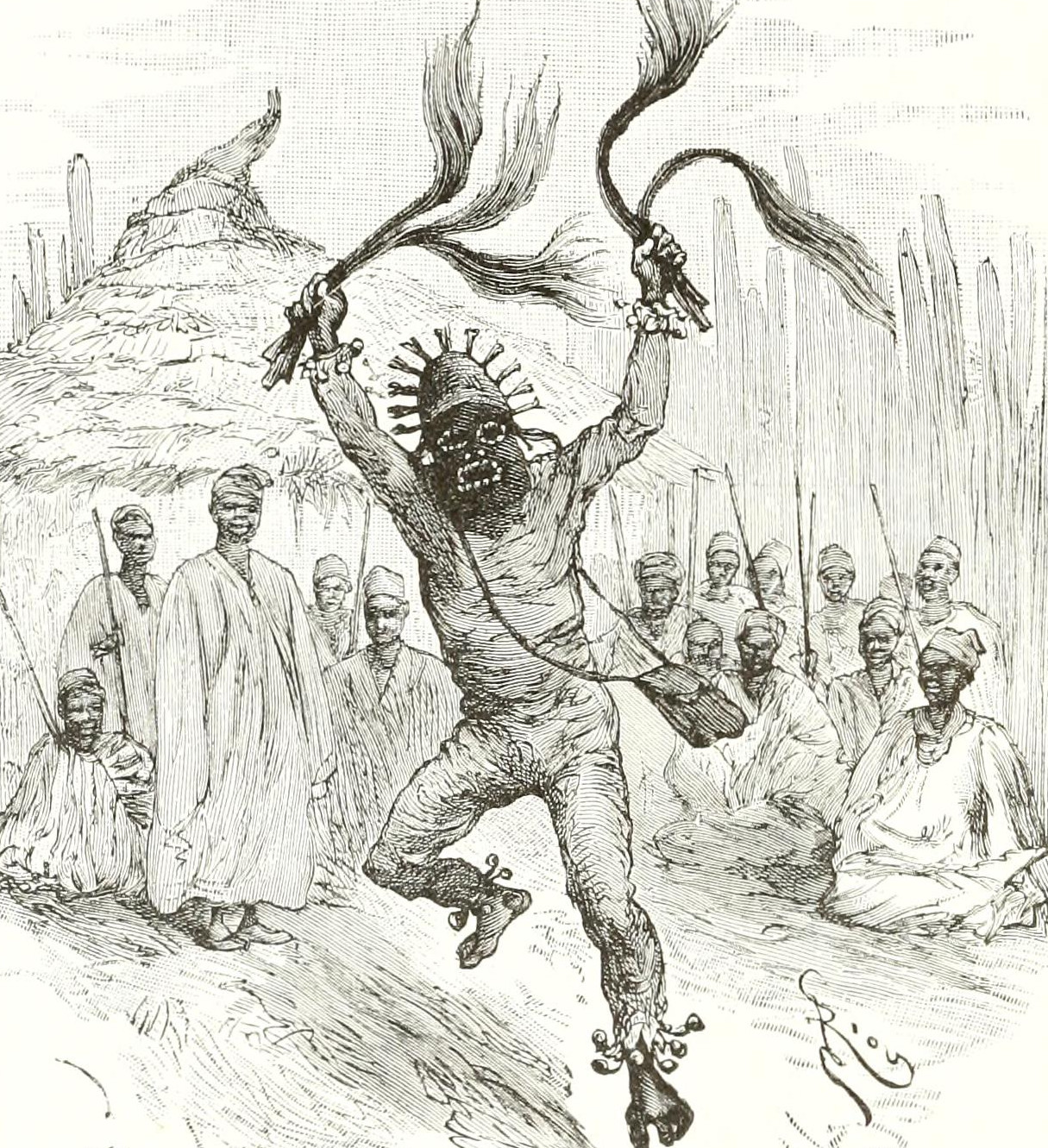 🇺🇸 United States and 2 moreLouisiana Voodoo
An African diasporic religion practiced in Louisiana from the 18th to early 20th centuriesTradition · Healing · Protection Historical
🇺🇸 United States and 2 moreLouisiana Voodoo
An African diasporic religion practiced in Louisiana from the 18th to early 20th centuriesTradition · Healing · Protection Historical
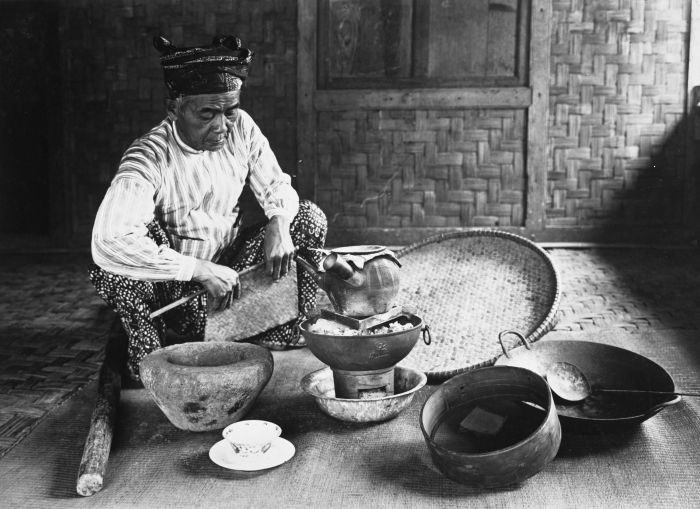 🇮🇩 Indonesia and 2 moreDukun
A traditional healer and spirit medium in Indonesian folk practiceTradition · Healing · Seeing and foretelling Living
🇮🇩 Indonesia and 2 moreDukun
A traditional healer and spirit medium in Indonesian folk practiceTradition · Healing · Seeing and foretelling Living
 🇨🇬 Republic of the CongoNkisi
Spirit containers and power figures from the Congo Basin used for justice and healingCharm · Protection · Healing Living
🇨🇬 Republic of the CongoNkisi
Spirit containers and power figures from the Congo Basin used for justice and healingCharm · Protection · Healing Living