Households and ordinary people
Grandmothers, parents and neighbours doing the small things: the knot, the salt, the red thread.
Households and ordinary people do most of the world's magic: the grandmother who ties a thread on a baby's wrist, the neighbour who throws salt, the shopkeeper who hangs a lemon and chillies, the family that burns incense before a photograph. These people are not specialists and often do not call it magic. This page looks at the domestic side of the subject, which is the commonest and least written about.
Everyday customs
Household practice is woven into daily life: sweeping at new year, a bead on a cradle, a horseshoe over a door, a charm in a car. It tends to be practical, brief and handed down within the family. Many people say they do it because their mother did, or to be safe. It rarely needs a priest, a text or a fee. The hands that do it are those of mothers and grandmothers, who also cook, clean and care, so the magic is part of the labour of the home.
Women and the home
Women are the principal keepers of household custom in many societies, as mothers, grandmothers and aunts. Their knowledge covers birth, child care, food, illness, marriage and death. That knowledge is often undervalued by the formal religion and by scholars, and was also the source of accusations in the witch trials, in which women who were midwives or healers were prominent. A household custom is learned by watching and may never be explained, since the practitioner does not see it as special.
Faith and the home
Religious leaders have seen household custom as faith, as superstition or as a nuisance. Reformers in Protestant Europe, Salafi Islam and some Hindu and Buddhist movements have told people to give up such practices. Many people keep them regardless. In the diaspora, the home customs are sometimes the part of heritage that lasts longest, and are carried to new countries in suitcases. In cities, small shrines, protective charms and everyday rituals often survive in apartments, taxis and shops.
Why scholars care
Anthropologists of everyday religion and folklorists record these customs as evidence of how people manage risk. They show how belief and practice differ, since people may say they do not believe and still knock on wood. Household magic is also the easiest to commercialise, in shops selling charms and kits that detach customs from their homes. A new student or visitor may find that families who say they do not believe still follow such customs carefully, and this gap is one of the more interesting findings.
Households and ordinary people on EveryJaadu
The entries written up so far, best known first.
 🇯🇵 JapanKodama木霊
A tree spirit in Japanese folklore that brings misfortune if the host tree is harmedBeing · Cursing and harm Living
🇮🇳 IndiaAlakshmiदेवी अलक्ष्मी
A Hindu goddess of misfortune and the shadow opposite to LakshmiBeing · Cursing and harm · Luck and prosperity Living
🇵🇪 Peru and 1 moreSupay
An Andean spirit of the underworld who balances life and death forcesBeing · Cursing and harm · Protection Historical
 🇦🇹 Austria and 3 morePerchtaPercht
A Alpine goddess of winter who rewards diligence and punishes laziness during the twelve days after Christmas.Being · Luck and prosperity · Cursing and harm Revived
 🇮🇶 Iraq and 1 morePazuzu𒀭𒅆𒊒𒍪𒍪 (pà.zu.zu)
A Mesopotamian wind demon and protective amulet against child-harming spiritsBeing · Protection · Cursing and harm Historical
 🇮🇪 Ireland and 1 moreAos Sí
Supernatural beings of Irish and Scottish folklore, said to dwell in mounds and influence the human world.Being · Protection · Cursing and harm Living
 🇮🇳 India and 5 moreBhairavaभैरव
A fierce manifestation of Shiva and a Buddhist protector deity worshipped across South and East Asia.Being · Protection · Cursing and harm Living
 🇮🇳 India and 2 moreBrahmarakshasaब्रह्मराक्षसः
A cursed Brahmin spirit in Hindu lore, feared for harm and venerated in temples.Being · Cursing and harm · Protection Living
 🇵🇭 PhilippinesTikbalang
A horse-headed spirit of Philippine forests that leads travelers astrayBeing · Cursing and harm · Luck and prosperity Living
 🇮🇷 Iran and 4 moreJinnجِنّ
Supernatural beings in Islamic and pre-Islamic Arabian belief, capable of shapeshifting and living in society.Being · Protection · Cursing and harm Living
 🇲🇽 Mexico and 2 moreAluxaluxo'ob
A small Maya spirit believed to guard fields and cause mischief if offended.Being · Protection · Luck and prosperity Living
 🇧🇷 BrazilBoitatá
A fiery serpent of Brazilian folklore that guards forests or frightens childrenBeing · Protection · Cursing and harm Living
 🇭🇹 Haiti and 1 moreEzili DantorÈzili Dantò
A fierce mother spirit in Haitian Vodou who protects the marginalized and demands loyalty.Being · Protection · Cursing and harm Living
 🇮🇩 IndonesiaNyi Roro KidulRatu Laut Selatan
The spirit queen of Java's southern coast and guardian of the Indian OceanBeing · Protection · Cursing and harm Living
 🇮🇳 India and 3 moreYakshiniयक्षिणी
Some guard, some haunt: female nature spirits of Hindu, Buddhist and Jain loreBeing · Protection · Luck and prosperity Living
 🇮🇳 IndiaKaliकाली
A fierce Hindu goddess of time and destruction, worshipped as a protective mother.Being · Protection · Cursing and harm Living
 🇬🇷 Greece and 4 moreKallikantzarosκαλικάντζαρος
A malevolent goblin that dwells underground and surfaces during the twelve days of Christmas.Being · Cursing and harm · Luck and prosperity Historical
 🇮🇹 ItalyBadaliscBadalisch
A mythical goat-headed creature from the Italian Alps, captured and mocked during Epiphany celebrations.Being · Cursing and harm · Wonder and entertainment Living
🇯🇵 JapanMisaki御先
Japanese spirit-like entities that serve gods or possess humans with illness and calamityBeing · Cursing and harm · Speaking with spirits and the dead Living
 🇹🇭 Thailand and 5 moreKrasueกระสือ
A floating head with trailing organs from Southeast Asian folkloreBeing · Cursing and harm Living
🇷🇺 Russia and 4 moreFiery serpentsогненный змей
A pan-Slavic spirit of fire and wind, seen as a demon or a household helperBeing · Cursing and harm · Luck and prosperity Historical
 🇵🇱 Poland and 3 moreStrzyga
A female demon in Polish folklore, linked to owls and vampiric traitsBeing · Cursing and harm · Protection Historical
 🇬🇷 GreeceGelloΓελλώ
A Greek demon of infancy and a class of beings blamed for infant death.Being · Cursing and harm · Protection Historical
 🇮🇹 Italy and 5 moreSaint Michael
A Christian archangel who defends the faithful and weighs soulsBeing · Protection · Cursing and harm Living
🇵🇹 Portugal and 1 moreCabra cabriola
A fire-breathing goat bogeyman used to frighten children in Portuguese and Brazilian folkloreBeing · Cursing and harm Living
🇵🇭 PhilippinesTiyanak
A vampiric creature in Philippine mythology that mimics a baby to lure travelers.Being · Cursing and harm · Luck and prosperity Living
 🇫🇷 FranceMargot the fairy
Earthly fairies of Brittany known for dancing, building monuments, and testing human guests.Being · Luck and prosperity · Cursing and harm Historical
🇯🇵 JapanReikon霊魂
The Shinto soul: it joins the ancestors after funeral rites, or haunts as a yūreiBeing · Speaking with spirits and the dead · Cursing and harm Living
 🇳🇿 New Zealand and 5 moreMokomokaiToi moko
Preserved Māori heads with facial tattoos, once traded as curios and now repatriated.Being · Cursing and harm · Power and authority Historical
 🇬🇷 GreeceNymphνύμφη
A nature spirit from Greek myth, tied to specific places like springs or trees, often seen as a maiden.Being · Healing · Seeing and foretelling Historical
🇬🇧 United Kingdom and 1 moreBogle
A Northumbrian and Scots household spirit or ghost known for perplexing people.Being · Cursing and harm · Wonder and entertainment Historical
 🇨🇿 Czech Republic and 2 moreUhaml
A German folk spirit with horse feet and an owl-like callBeing · Cursing and harm Historical
 🇩🇪 GermanyFeldgeist
German folk creatures tied to crops, weather and harvest ritualsBeing · Cursing and harm · Luck and prosperity Historical
 🇯🇵 Japan and 5 moreSmallpox demon疱瘡神 (Hōsōgami)
A spirit blamed for smallpox in medieval Japan and the rituals used to appease itBeing · Protection · Cursing and harm Historical
🇯🇵 JapanYosuzume夜雀
A Japanese mountain spirit that appears as a bird or butterfly and signals the presence of wolves.Being · Cursing and harm · Protection Historical
🇬🇧 United Kingdom and 1 moreElder Mother
A guardian spirit of elder trees in English and Scandinavian folkloreBeing · Protection · Cursing and harm Historical
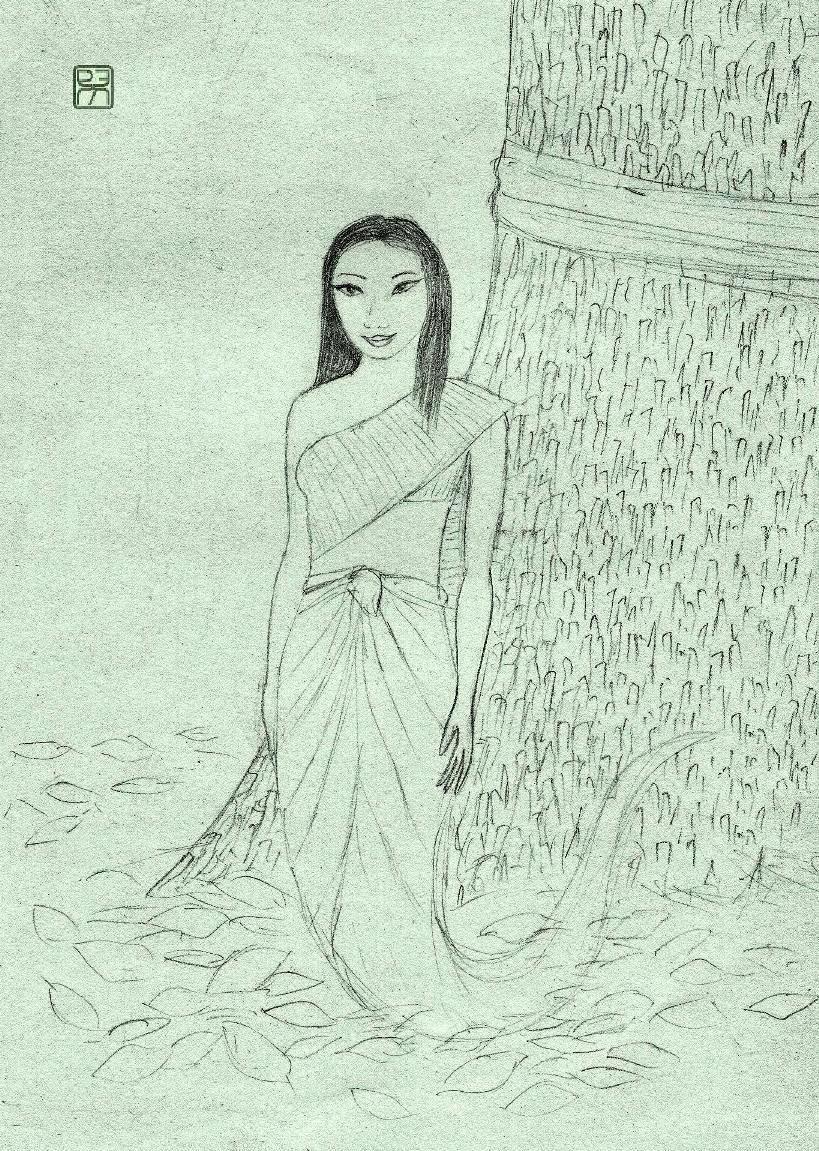 🇹🇭 ThailandNang Ta-khianนางตะเคียน
A Thai tree spirit said to dwell in the ta-khian treeBeing · Luck and prosperity · Cursing and harm Living
🇮🇳 IndiaKuttichathanകുട്ടിചാത്തൻ
A guardian spirit of Malabar folklore known for illusions and household pranksBeing · Cursing and harm · Luck and prosperity Historical
 🇮🇳 IndiaJvarasuraज्वारासुर
A fever demon in Hindu lore who serves the pox goddess Shitala.Being · Cursing and harm · Healing Historical
🇧🇿 BelizeTata DuendeNukuch Tat
A thumbless forest spirit of Belizean folklore that protects animals and warns children.Being · Protection · Cursing and harm Living
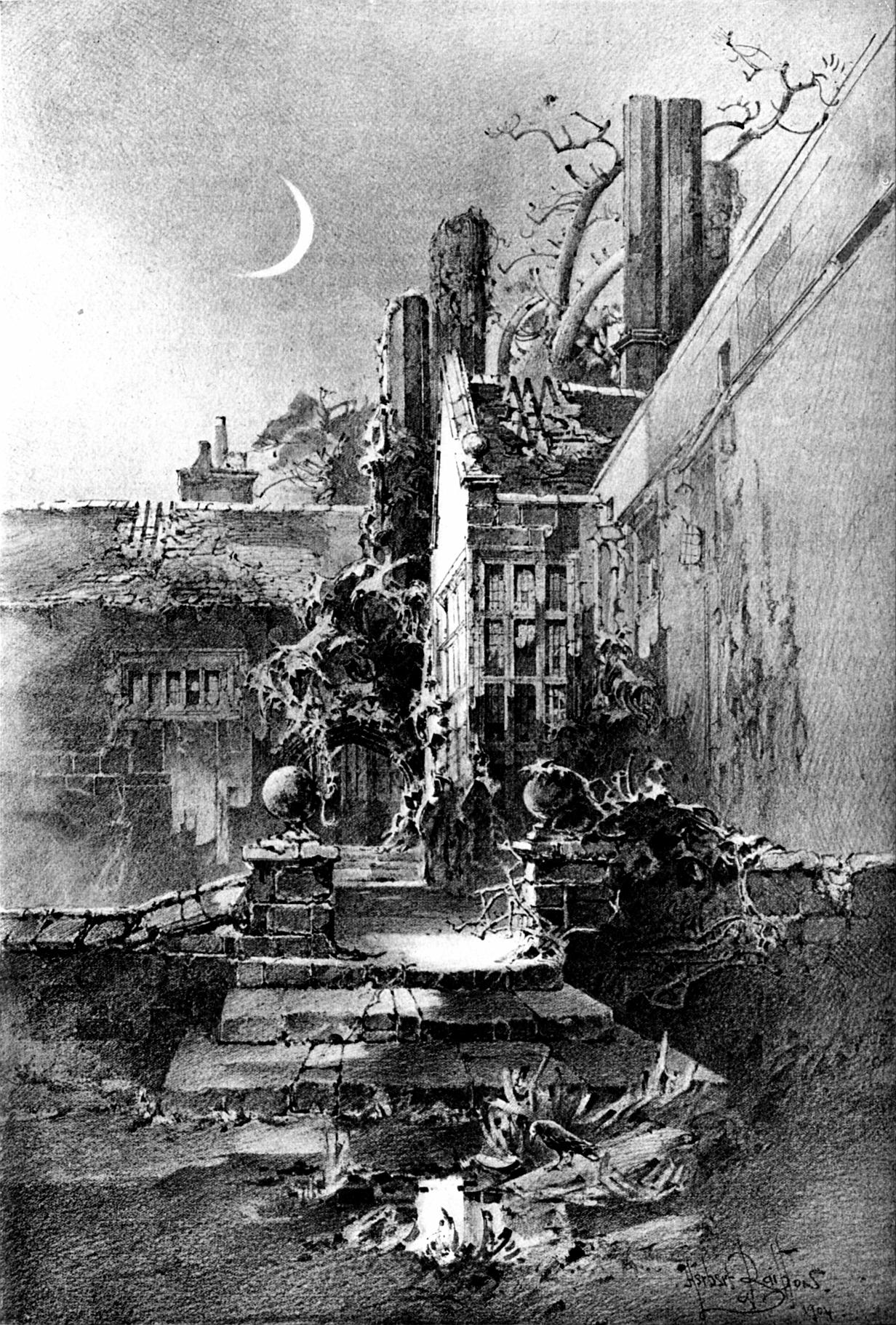 🇬🇧 United KingdomHobgoblin
A household spirit from English folklore known for chores and mischiefBeing · Cursing and harm · Luck and prosperity Historical
 🇩🇪 Germany and 3 moreDrude
A Germanic nightmare spirit and the pentagram charm used to keep it outBeing · Cursing and harm · Protection Historical
🇨🇦 CanadaPinga
An Inuit goddess of the hunt and medicine who oversees caribou herds and souls.Being · Healing · Cursing and harm Historical
 🇬🇷 GreeceMeilichiosΜειλίχιος
An ancient Greek chthonic spirit linked to Zeus and appeased through fire offerings.Being · Protection · Cursing and harm Historical
 🇩🇲 DominicaBelie Belcan
A loa of justice and protection in Dominican Vudú, linked to Saint Michael.Being · Protection · Cursing and harm Living
🇬🇭 GhanaAbonsam
A malevolent spirit blamed for accidents and disease, driven out to sea with noiseBeing · Cursing and harm · Cleansing and purification Living
 🇪🇸 Spain and 5 moreSack Man
A man carrying a sack who frightens misbehaving children into obedience.Being · Cursing and harm Living
🇮🇷 Iran and 4 moreJinnجِنّ
Concealed beings from Arabian and Islamic tradition, accountable for their actions like humans.Being · Protection · Cursing and harm Living
Photo credits on this page
The small pictures above come from Wikimedia Commons under free licences. Some are cropped to fit.
- Ezili Dantor: Oficinalis, CC BY-SA 4.0, source
- Changeling: Henry Fuseli, Public domain, source
- Ancient Mesopotamian religion: editor Austen Henry Layard , drawing by L. Gruner, Public domain, source
- Yakshini: Brihaspati, CC BY-SA 4.0, source
- Kali: Raja Ravi Varma, Public domain, source
- Mokomokai: New Zealand Electronic Text Centre, Public domain, source
- Aos Sí: AE [George William Russell] (1867-1935), CC BY 4.0, source
- Brahmarakshasa: Chaitnyags, CC BY-SA 4.0, source
- Saint Michael: Francesco Botticini, Public domain, source
- Krasue: Xavier Romero-Frias, CC BY-SA 3.0, source
- Nymph: Unknown author, Public domain, source
- Uhaml: Johann Friedrich Naumann, Public domain, source
- Gazu Hyakki Yagyō: Toriyama Sekien, Public domain, source
- Feldgeist: Zwoelefant, CC BY-SA 3.0, source
- Bhairava: Saankav, CC BY-SA 4.0, source
- Smallpox demon: 佐賀県立図書館, CC0, source
- Jinn: VenusFeuerFalle, CC0, source
- Kallikantzaros: Katolophyromai, CC BY-SA 4.0, source
- Alux: Gary Todd, CC0, source
- Strzyga: Filip Gutowski, CC BY-SA 4.0, source
- Sack Man: Unknown author, Public domain, source
- Boitatá: The ponta cabeça, CC BY-SA 4.0, source
- Badalisc: Luca Giarelli, CC BY-SA 3.0, source
- Gello: Filippino Lippi, Public domain, source
- Nyi Roro Kidul: Gunawan Kartapranata, CC BY-SA 3.0, source
- Nang Ta-khian: Xavier Romero-Frias, CC BY-SA 4.0, source
- Jvarasura: Suraj Belbase, CC BY-SA 4.0, source
- Hobgoblin: Herbert Railton, Public domain, source
- Perchta: Holger Uwe Schmitt, CC BY-SA 4.0, source
- Belie Belcan: Domfranciscorodrigues, CC BY-SA 3.0, source
- Drude: Ramessos, Public domain, source
- Tikbalang: The original uploader was Rodsan18 at English Wikipedia . ( Original t, CC BY 2.5, source
- Meilichios: Mark Landon, CC BY 4.0, source