
Krasue
In its own language: กระสือ
A floating head with trailing organs from Southeast Asian folklore
The Krasue is a nocturnal spirit of Southeast Asia depicted as a woman's detached head with internal organs hanging below. It appears across Thailand, Cambodia, Laos, and the Philippines in various forms. Believers hold it hunts for blood and raw flesh at night.
- Floating head with trailing organs
- Hunts for blood and raw meat
- Must return to body before dawn
- Thorny fences repel the spirit
- Linked to black magic curses
What it is
The Krasue is a legendary entity found throughout Southeast Asia. It takes the form of a woman’s head that floats freely through the air. Her neck ends abruptly, leaving her heart, stomach, and intestines to dangle beneath. These organs trail behind her as she flies. The spirit is strictly nocturnal. It remains hidden during daylight hours. Villagers believe it returns to a severed body before sunrise. The creature is often described as glowing with a faint light. This luminescence resembles a will-o'-the-wisp. Some accounts suggest the glow comes from methane gas in marshy areas.
Where it comes from
Belief in the Krasue spans many cultures in the region. Its exact origins are unclear but likely stem from ancient oral traditions. In Thailand, the spirit is often seen as a punishment for sins committed in a past life. Women who practiced black magic or committed fraud may become this cursed being. Another legend involves a Khmer princess who used a spell to save only her head after death. Folk tales also describe rich women cursed by evil spirits or witches who failed their rituals. The curse can sometimes pass to daughters or granddaughters.
How it is done
The spirit hovers above the ground at night. It searches for food such as blood, raw meat, or feces. It may attack livestock like chickens or water buffalo. After feeding, it seeks its headless body to reattach before dawn. If it fails to return in time, it suffers great pain or dies. To protect homes, people place thorny barriers around houses. Spiky bamboo fences deter the creature because its intestines might get caught. Some believe burning the spirit destroys it completely.
Tools and materials
Defenders use thorny branches and spiky bamboo to keep the Krasue away. The sharp points prevent its dangling organs from passing through. Mobs may carry torches and machetes to hunt the spirit. In some stories, capturing its glowing light allows bargaining for wealth. People hide placentas after birth to prevent the spirit from finding them. Burial deep underground is thought to hide these items effectively.
Krasue, drawn and placed
- Living
- Revived
- Fading
- Historical
- Legendary
- Performed
- Lineage
- Southeast Asian folklore
- Timing
- night
What it is for
The Krasue exists as a figure of fear and caution. It represents the consequences of dark magic and moral failure. Families use protective measures to safeguard pregnant women and newborns. The belief reinforces community norms against harmful practices. It serves as a warning about the dangers of witchcraft. The spirit’s hunger drives it to seek out vulnerable targets. This creates a sense of vulnerability among villagers.
Who does it
Ordinary households engage with this belief daily. They take precautions to avoid attracting the spirit. Elders share stories to warn younger generations. Communities may organize hunts if sightings occur frequently. Scholars study these legends to understand regional folklore. The spirit itself is not a practitioner but a subject of fear.
Peoples and places
The Krasue appears in Thai folklore as a primary example. Cambodia calls it Ahp, a half-spirit entity. Laos has the Kasu, which shares similar traits. Indonesia features the Kuyang and Leyak. Malaysia and Singapore know it as Penanggal or Pelasik. The Philippines has the Manananggal and Wugwug. Japan’s Nukekubi offers a comparable concept. Each culture adapts the core idea of a floating head.
At a glance: who, where and when
Who does it
Belief worlds
Occasions
What people believe
The worldview behind the Krasue links morality to supernatural punishment. Sins in one life lead to monstrous forms in the next. Black magic carries risks that can backfire catastrophically. Spirits require specific conditions to survive, such as reuniting with a body. The belief system emphasizes the importance of proper burial rites and hiding bodily fluids. It reflects anxieties about death and the unknown.
When it is done
The spirit is active every night. It does not follow a specific festival calendar. However, certain life events trigger heightened vigilance. Births require careful handling of placentas. Deaths may involve fears of the deceased becoming the spirit. The creature operates continuously without seasonal breaks.
How scholars and sceptics see it
Anthropologists view the Krasue as part of a broader mythological family. They note similarities across Southeast Asian cultures. Historians trace the legends to pre-colonial times. Skeptics attribute sightings to natural phenomena like bioluminescence or reflections. Visual experts have analyzed CCTV footage and suggested optical illusions. The persistence of the belief highlights cultural continuity.
Cautions and what is closed
Sightings can cause panic and mob violence. Teenagers damaging rice fields while hunting lights is a documented issue. Accusations of witchcraft can harm individuals falsely suspected. The belief relies on fear rather than empirical evidence. Modern media often sensationalizes these encounters. There is no scientific proof of the spirit’s existence.
Compare and confuse
The Krasue is similar to the Manananggal in the Philippines. Both feature detached heads and trailing organs. The Japanese Nukekubi also depicts a flying head. These entities share a common regional motif. Differences lie in specific cultural details and protective methods. The core concept of a disembodied hunter remains consistent.
Questions people ask about Krasue
What is a Krasue?
It is a nocturnal spirit from Southeast Asian folklore. It appears as a woman's floating head with internal organs dangling below. The creature hunts for food at night and hides during the day.
Where does the Krasue come from?
The legend originates in Thai folklore but appears across Southeast Asia. Variants exist in Cambodia, Laos, Indonesia, and the Philippines. Each culture has its own name and slight variations in the story.
How do people protect themselves from a Krasue?
Villagers place thorny branches or spiky bamboo around homes. The sharp points prevent the spirit's intestines from passing through. Hiding placentas after birth is also believed to offer protection.
Why does the Krasue float?
Believers say it is a curse placed on women who practiced black magic or committed sins. The separation allows it to fly and hunt at night. It must reunite with a body before sunrise to survive.
Good reading and sources
The facts on this page come from the Wikipedia article "Krasue", written by its contributors and used under the CC BY-SA 4.0 licence, and from its Wikidata record (CC0). EveryJaadu rewrote the text in its own words, with AI assistance, and compares every page with the article to make sure no passage is copied. It may be reused under the same CC BY-SA 4.0 licence with a link back.
It may contain mistakes. Names and customs differ from one community to the next, and some knowledge is closed to outsiders and left out here. This page describes belief and practice. It does not say that any of it works, it is not a how-to, and it is not medical advice. If something is wrong, tell us. Last refreshed 2026-10-06.
More from Thailand
All the entries from Thailand 🇲🇾 Malaysia and 5 morePenanggalan
A floating head with trailing organs from Malay folklore, said to hunt pregnant women and newborns.Being · Cursing and harm Legendary
🇮🇩 Indonesia and 3 moreToyoltuyul
An undead infant spirit in Southeast Asian folklore, invoked for theft and fortune.Being · Luck and prosperity · Cursing and harm Living
🇲🇾 Malaysia and 5 morePenanggalan
A floating head with trailing organs from Malay folklore, said to hunt pregnant women and newborns.Being · Cursing and harm Legendary
🇮🇩 Indonesia and 3 moreToyoltuyul
An undead infant spirit in Southeast Asian folklore, invoked for theft and fortune.Being · Luck and prosperity · Cursing and harm Living
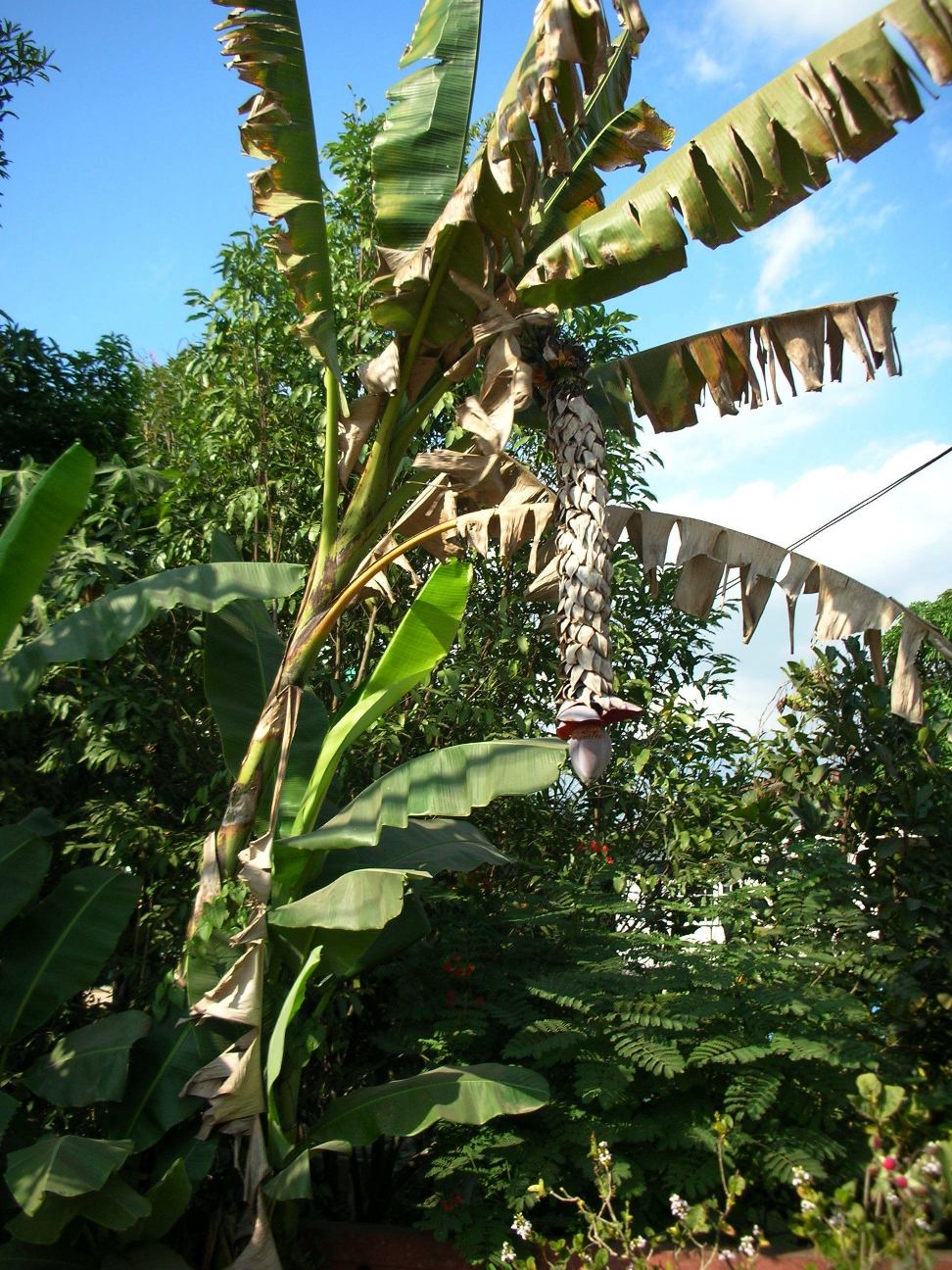 🇹🇭 Thailand and 1 moreNang Taniนางตานี
A female spirit said to inhabit wild banana trees in Southeast Asian folklore.Being · Protection · Luck and prosperity Living
🇹🇭 Thailand and 1 moreNang Taniนางตานี
A female spirit said to inhabit wild banana trees in Southeast Asian folklore.Being · Protection · Luck and prosperity Living
 🇲🇲 Myanmar and 5 moreChintheခြင်္သေ့
A stylized lion statue that guards Buddhist temples in Myanmar and across Asia.Being · Protection Living
🇲🇲 Myanmar and 5 moreChintheခြင်္သေ့
A stylized lion statue that guards Buddhist temples in Myanmar and across Asia.Being · Protection Living
Related elsewhere
All being 🇷🇸 Serbia and 5 moreVampire
An undead creature from folklore that feeds on the blood or life force of the livingBeing · Cursing and harm · Luck and prosperity Legendary
🇷🇸 Serbia and 5 moreVampire
An undead creature from folklore that feeds on the blood or life force of the livingBeing · Cursing and harm · Luck and prosperity Legendary
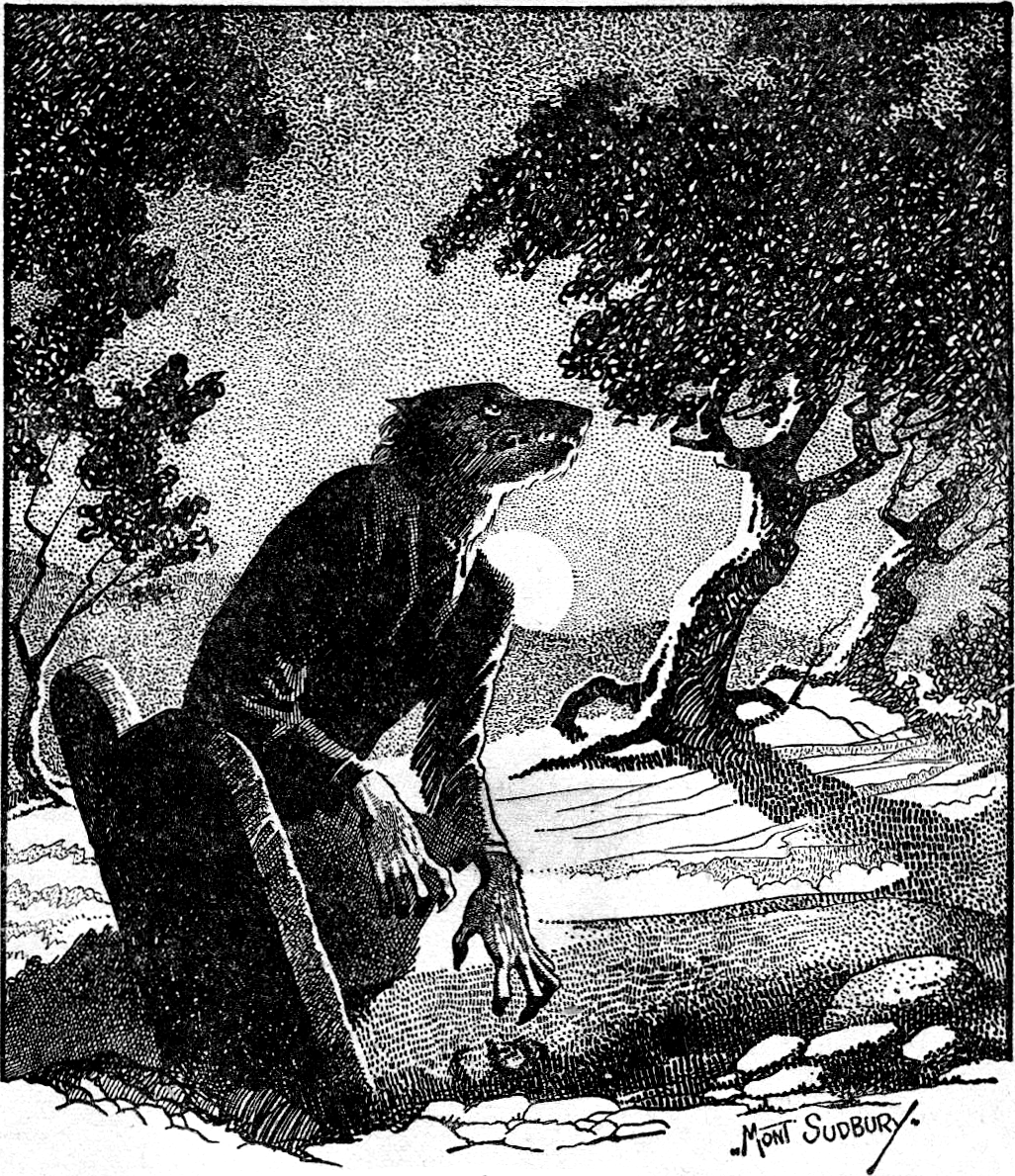 🇫🇷 France and 5 moreWerewolf
A mythical shapeshifter that turns into a wolf, central to European witch-hunts and Gothic horror.Being · Cursing and harm · Wonder and entertainment Legendary
🇫🇷 France and 5 moreWerewolf
A mythical shapeshifter that turns into a wolf, central to European witch-hunts and Gothic horror.Being · Cursing and harm · Wonder and entertainment Legendary
 🇪🇬 Egypt and 1 moreLilithלִילִית
A feminine figure from Mesopotamian and Jewish mythology, often depicted as a night demon or spirit.Being · Cursing and harm Legendary
🇪🇬 Egypt and 1 moreLilithלִילִית
A feminine figure from Mesopotamian and Jewish mythology, often depicted as a night demon or spirit.Being · Cursing and harm Legendary
 🇪🇬 EgyptCurse
A spoken wish for misfortune to befall a person or placeBelief · Cursing and harm · Luck and prosperity Historical
🇪🇬 EgyptCurse
A spoken wish for misfortune to befall a person or placeBelief · Cursing and harm · Luck and prosperity Historical