Curse of Turan
In its own language: Turáni átok
From Persian Turan, referring to Central Asian steppes
A Hungarian belief that a historic spell causes national misfortune and personal despair
The Curse of Turan is a cultural belief in Hungary that the nation suffers from a malicious influence. It is said to cause inner strife, pessimism, and historical disasters. The concept gained popularity in the 19th century through literary works.
- First written mention by Ferenc Herczeg in the 19th century
- Linked to conversion to Christianity under King Stephen
- Explains defeats at Mohi and Mohács battles
- Associated with Treaty of Trianon border losses
- Used to explain high suicide rates in Hungary
What it is
The Curse of Turan is a belief held by some Hungarians that their nation has been under a malicious spell for centuries. This curse is thought to manifest as internal conflict, widespread pessimism, and a series of tragic events. It serves as an explanatory framework for national hardships rather than a ritual practice. The idea suggests that external forces or ancient decisions have bound the country to a path of suffering.
Where it comes from
The phrase 'Turáni átok' first appeared in the writings of Ferenc Herczeg. Its popularity grew in the late 19th century, influenced by Max Müller’s theories about 'Turanian people.' One theory links the curse to Hungary’s conversion to Christianity around AD 1000 under King Stephen, suggesting pagan adherents cursed the new faith. Another view holds it originated after the failed 1848 Revolution, reflecting the era's political repression and despair.
Curse of Turan, drawn and placed
- Living
- Revived
- Fading
- Historical
- Legendary
- Performed
- Lineage
- Hungarian folk belief
What it is for
The belief is used to interpret personal and national troubles. It attributes high suicide rates and low life expectancy to this spiritual burden. Historically, it explains defeats like the Battle of Mohács or the Treaty of Trianon. People invoke it to understand why Hungary faces repeated catastrophes compared to its neighbors.
Peoples and places
This belief is specific to Hungarian culture. It emerged during a period when scholars debated Magyar origins, linking them to Turkic peoples. Artists later identified 'Turanic motifs' in folk art. The concept remains a topic in literature and public discourse, often cited by those analyzing national character or historical trauma.
At a glance: who, where and when
What people believe
The worldview assumes a supernatural influence affecting collective destiny. Some stories claim pagan priests cast the curse before dying out. Others suggest a god named Pannon decreed eternal struggle for the land. The belief implies that happiness is impossible while the curse remains active, creating a sense of fatalism among believers.
How scholars and sceptics see it
Scholars view the Curse of Turan as a product of 19th-century nationalism and racial theories. Max Müller’s linguistic work inspired these ideas, though modern science rejects the 'Turanian' ethnic link. Historians see it as a narrative tool to process defeat and occupation. Psychologists may study it as a manifestation of collective trauma or national self-perception.
Compare and confuse
It differs from traditional curses by lacking a specific caster or ritual object. Instead, it is a broad historical narrative. Similar concepts exist in other nations explaining decline, but Turan specifically ties to Central Asian ancestry myths popular in Victorian Europe.
Today
The curse persists in Hungarian literature and casual conversation. It appears in discussions about social issues like suicide rates. While not a formal religion, it influences cultural identity. Some use it to critique government policies or explain economic struggles, keeping the myth alive in modern discourse.
Questions people ask about Curse of Turan
What is the Curse of Turan?
It is a Hungarian belief that a malicious spell causes national misfortune, pessimism, and historical disasters. It is not a ritual but a cultural explanation for tragedy.
Where does the name come from?
It derives from 'Turan,' a Persian term for Central Asian steppes. In the 19th century, it was linked to theories about Magyar origins being Turkic.
When did this belief start?
The phrase appeared in the mid-19th century. It gained traction after the 1848 Revolution, reflecting the political depression of that era.
Is it connected to Christianity?
One theory says pagan priests cursed Christian Hungary after AD 1000. This version suggests the curse prevents the land from becoming truly happy.
Good reading and sources
The facts on this page come from the Wikipedia article "Curse of Turan", written by its contributors and used under the CC BY-SA 4.0 licence, and from its Wikidata record (CC0). EveryJaadu rewrote the text in its own words, with AI assistance, and compares every page with the article to make sure no passage is copied. It may be reused under the same CC BY-SA 4.0 licence with a link back.
It may contain mistakes. Names and customs differ from one community to the next, and some knowledge is closed to outsiders and left out here. This page describes belief and practice. It does not say that any of it works, it is not a how-to, and it is not medical advice. If something is wrong, tell us. Last refreshed 2026-10-06.
More from Hungary
All the entries from Hungary 🇮🇸 Iceland and 3 moreDeal with the Devil
A cultural trope of trading one's soul for worldly favours in exchange for demonic aidBelief · Power and authority · Cursing and harm Historical
🇮🇸 Iceland and 3 moreDeal with the Devil
A cultural trope of trading one's soul for worldly favours in exchange for demonic aidBelief · Power and authority · Cursing and harm Historical
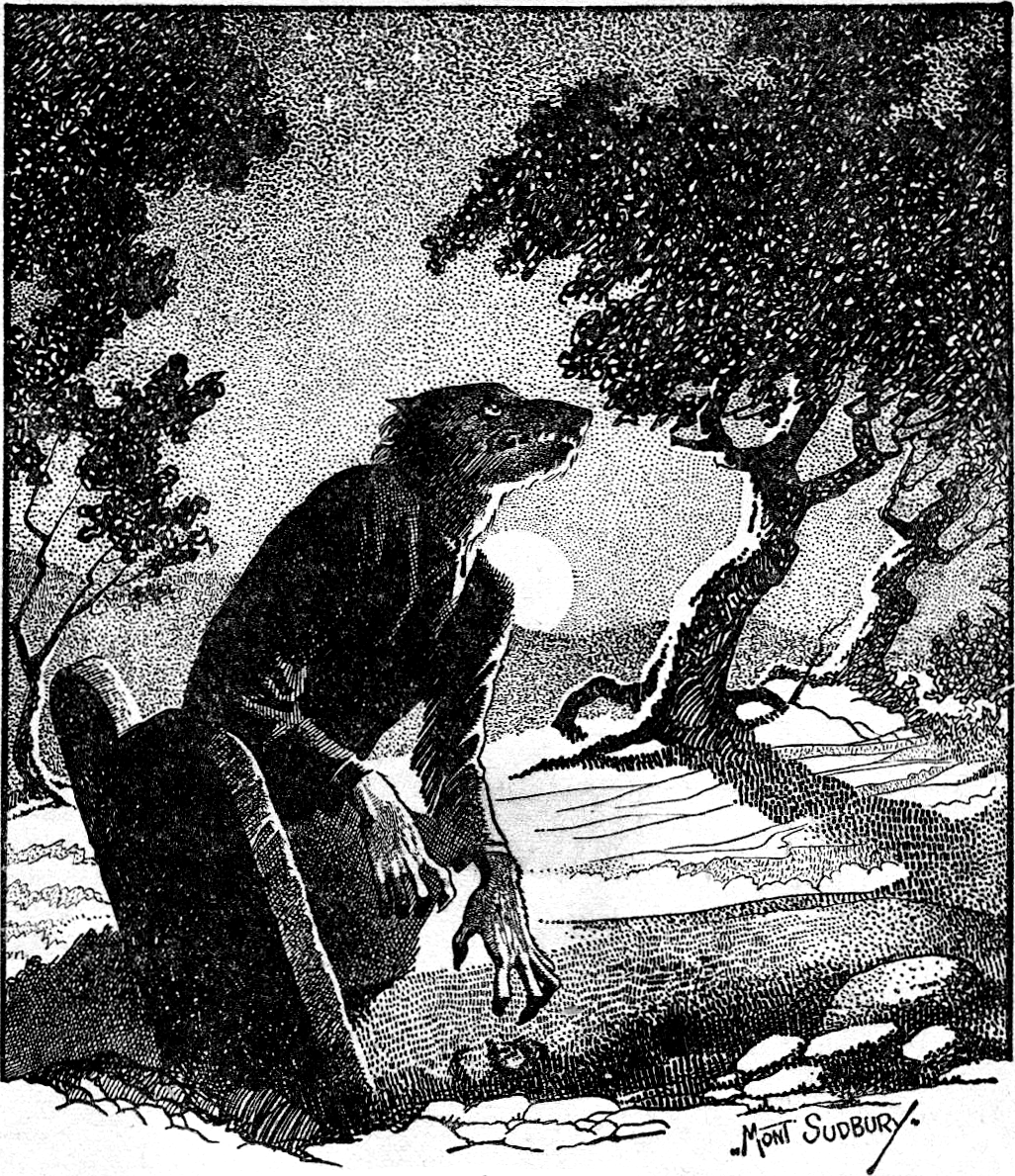 🇫🇷 France and 5 moreWerewolf
A mythical shapeshifter that turns into a wolf, central to European witch-hunts and Gothic horror.Being · Cursing and harm · Wonder and entertainment Legendary
🇫🇷 France and 5 moreWerewolf
A mythical shapeshifter that turns into a wolf, central to European witch-hunts and Gothic horror.Being · Cursing and harm · Wonder and entertainment Legendary
 🇩🇪 Germany and 5 moreMaypoleMaibaum
A tall wooden pole raised for European spring festivals, accompanied by dance and celebration.Tradition · Luck and prosperity · Love and attraction Living
🇩🇪 Germany and 5 moreMaypoleMaibaum
A tall wooden pole raised for European spring festivals, accompanied by dance and celebration.Tradition · Luck and prosperity · Love and attraction Living
Related elsewhere
All belief 🇪🇬 Egypt and 1 moreLilithלִילִית
A feminine figure from Mesopotamian and Jewish mythology, often depicted as a night demon or spirit.Being · Cursing and harm Legendary
🇪🇬 Egypt and 1 moreLilithלִילִית
A feminine figure from Mesopotamian and Jewish mythology, often depicted as a night demon or spirit.Being · Cursing and harm Legendary
 🇪🇬 EgyptCurse
A spoken wish for misfortune to befall a person or placeBelief · Cursing and harm · Luck and prosperity Historical
🇪🇬 EgyptCurse
A spoken wish for misfortune to befall a person or placeBelief · Cursing and harm · Luck and prosperity Historical
 🇹🇷 Turkey and 5 moreEvil eye
A curse caused by an envious look and the charms used to block itBelief · Protection · Cursing and harm Living
🇹🇷 Turkey and 5 moreEvil eye
A curse caused by an envious look and the charms used to block itBelief · Protection · Cursing and harm Living
 🇮🇶 Iraq and 1 moreRabisu
A wind spirit in Akkadian myth sent to correct human transgressionsBeing · Cursing and harm · Cleansing and purification Historical
🇮🇶 Iraq and 1 moreRabisu
A wind spirit in Akkadian myth sent to correct human transgressionsBeing · Cursing and harm · Cleansing and purification Historical