Households and ordinary people
Grandmothers, parents and neighbours doing the small things: the knot, the salt, the red thread.
Households and ordinary people do most of the world's magic: the grandmother who ties a thread on a baby's wrist, the neighbour who throws salt, the shopkeeper who hangs a lemon and chillies, the family that burns incense before a photograph. These people are not specialists and often do not call it magic. This page looks at the domestic side of the subject, which is the commonest and least written about.
Everyday customs
Household practice is woven into daily life: sweeping at new year, a bead on a cradle, a horseshoe over a door, a charm in a car. It tends to be practical, brief and handed down within the family. Many people say they do it because their mother did, or to be safe. It rarely needs a priest, a text or a fee. The hands that do it are those of mothers and grandmothers, who also cook, clean and care, so the magic is part of the labour of the home.
Women and the home
Women are the principal keepers of household custom in many societies, as mothers, grandmothers and aunts. Their knowledge covers birth, child care, food, illness, marriage and death. That knowledge is often undervalued by the formal religion and by scholars, and was also the source of accusations in the witch trials, in which women who were midwives or healers were prominent. A household custom is learned by watching and may never be explained, since the practitioner does not see it as special.
Faith and the home
Religious leaders have seen household custom as faith, as superstition or as a nuisance. Reformers in Protestant Europe, Salafi Islam and some Hindu and Buddhist movements have told people to give up such practices. Many people keep them regardless. In the diaspora, the home customs are sometimes the part of heritage that lasts longest, and are carried to new countries in suitcases. In cities, small shrines, protective charms and everyday rituals often survive in apartments, taxis and shops.
Why scholars care
Anthropologists of everyday religion and folklorists record these customs as evidence of how people manage risk. They show how belief and practice differ, since people may say they do not believe and still knock on wood. Household magic is also the easiest to commercialise, in shops selling charms and kits that detach customs from their homes. A new student or visitor may find that families who say they do not believe still follow such customs carefully, and this gap is one of the more interesting findings.
Households and ordinary people on EveryJaadu
The entries written up so far, best known first.
 🇹🇷 Turkey and 5 moreEvil eye
A curse caused by an envious look and the charms used to block itBelief · Protection · Cursing and harm Living
 🇮🇷 Iran and 4 moreJinnجِنّ
Supernatural beings in Islamic and pre-Islamic Arabian belief, capable of shapeshifting and living in society.Being · Protection · Cursing and harm Living
 🇮🇳 India and 3 moreYakshiniयक्षिणी
Some guard, some haunt: female nature spirits of Hindu, Buddhist and Jain loreBeing · Protection · Luck and prosperity Living
 🇮🇶 Iraq and 1 morePazuzu𒀭𒅆𒊒𒍪𒍪 (pà.zu.zu)
A Mesopotamian wind demon and protective amulet against child-harming spiritsBeing · Protection · Cursing and harm Historical
 🇯🇵 JapanKodama木霊
A tree spirit in Japanese folklore that brings misfortune if the host tree is harmedBeing · Cursing and harm Living
🇮🇳 IndiaAlakshmiदेवी अलक्ष्मी
A Hindu goddess of misfortune and the shadow opposite to LakshmiBeing · Cursing and harm · Luck and prosperity Living
 🇮🇩 IndonesiaNyi Roro KidulRatu Laut Selatan
The spirit queen of Java's southern coast and guardian of the Indian OceanBeing · Protection · Cursing and harm Living
 🇮🇩 IndonesiaOgoh-ogohᬳᭀᬕᭀᬄᬳᭀᬕᭀᬄ
Balinese statues paraded to symbolize and eliminate negative forces before the New YearTradition · Cursing and harm · Cleansing and purification Living
 🇮🇹 Italy and 5 moreBogeyman
A mythical creature used across cultures to frighten children into obedienceFigure · Cursing and harm Living
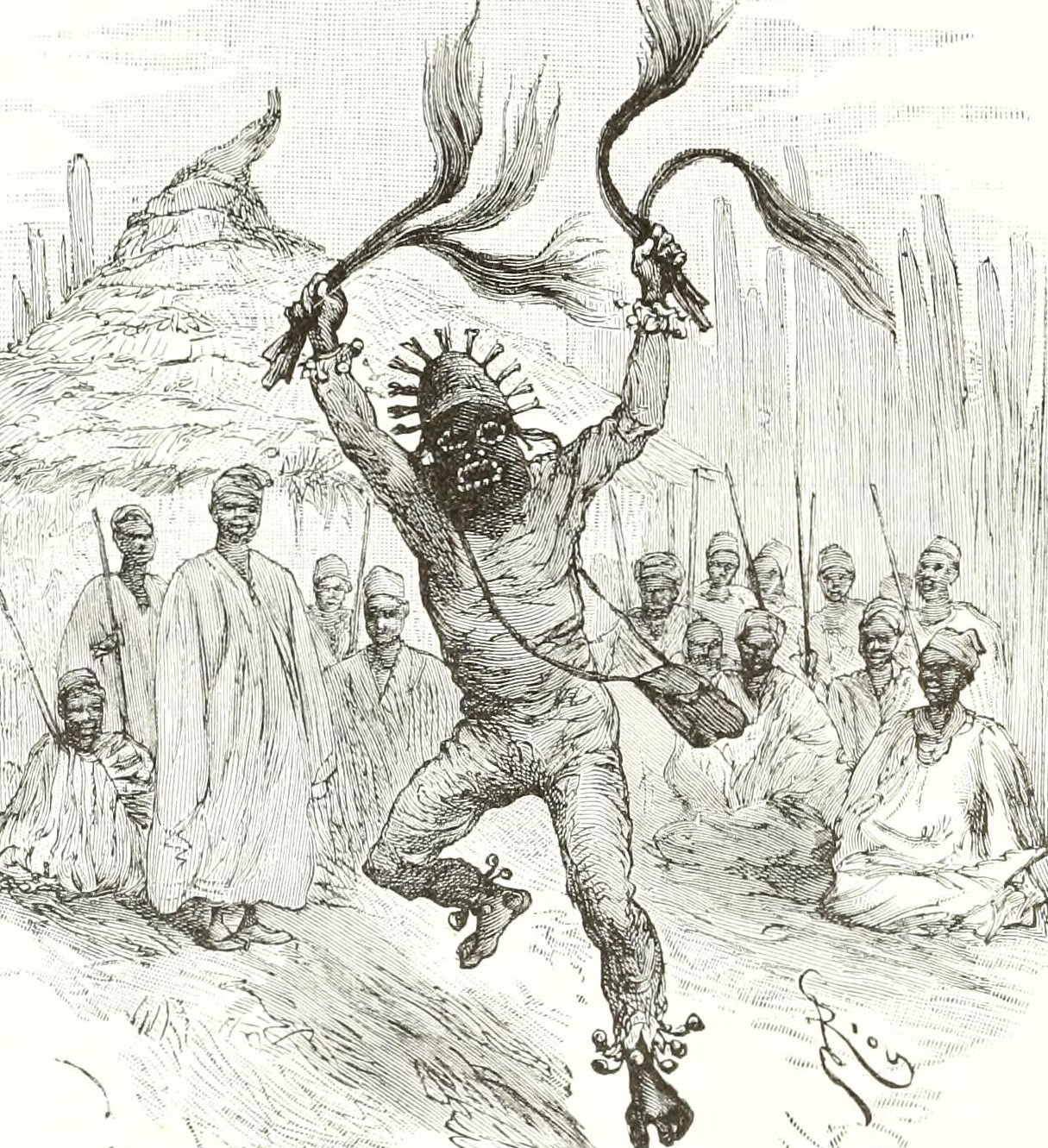 🇺🇸 United States and 2 moreLouisiana Voodoo
An African diasporic religion practiced in Louisiana from the 18th to early 20th centuriesTradition · Healing · Protection Historical
 🇧🇷 BrazilBoitatá
A fiery serpent of Brazilian folklore that guards forests or frightens childrenBeing · Protection · Cursing and harm Living
 🇫🇮 Finland and 5 moreMolybdomancy
A divination method using molten metal poured into water to read omensRite · Seeing and foretelling · Cursing and harm Living
 🇹🇭 Thailand and 1 moreGhosts in Thai cultureผี (phi)
A wide range of spirits and ghosts found in Thai folklore and popular belief.Belief · Protection · Cursing and harm Living
 🇮🇹 Italy and 5 moreFig sign
A hand gesture used to ward off the evil eye or as an insult in many culturesBelief · Protection · Cursing and harm Living
 🇵🇭 PhilippinesTikbalang
A horse-headed spirit of Philippine forests that leads travelers astrayBeing · Cursing and harm · Luck and prosperity Living
 🇧🇬 Bulgaria and 5 moreKukeriкукери
A costumed ritual in Bulgaria to chase away evil spirits and welcome springRite · Protection · Cursing and harm Living
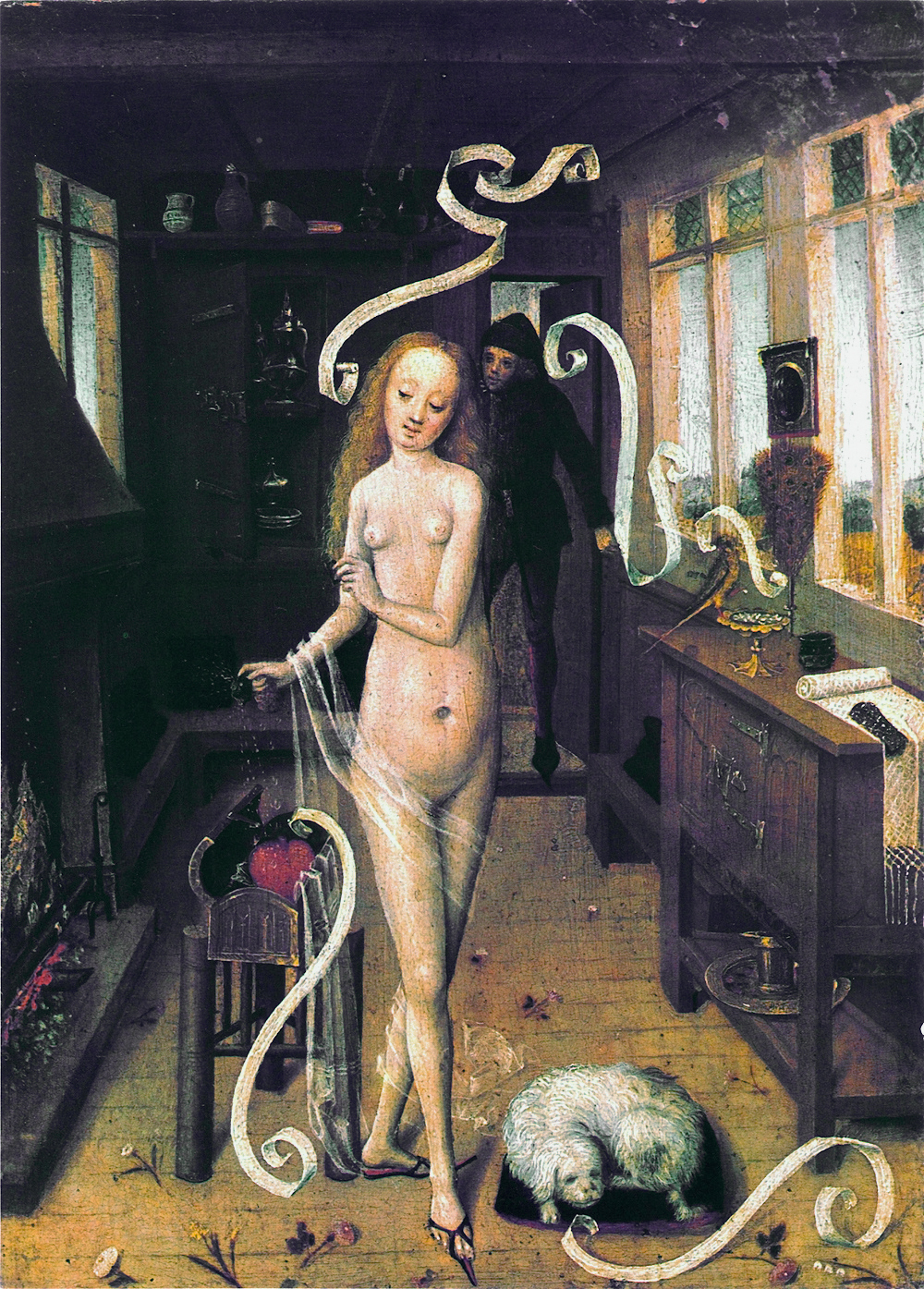 🇮🇶 Iraq and 5 moreLove magic
Rituals and spells used to attract, preserve, or end romantic relationships across many cultures.Tradition · Love and attraction · Cursing and harm Historical
 🇬🇧 United Kingdom and 2 moreWitch bottle
A container filled with personal items and sharp objects to trap harmful magicCharm · Protection · Cursing and harm Historical
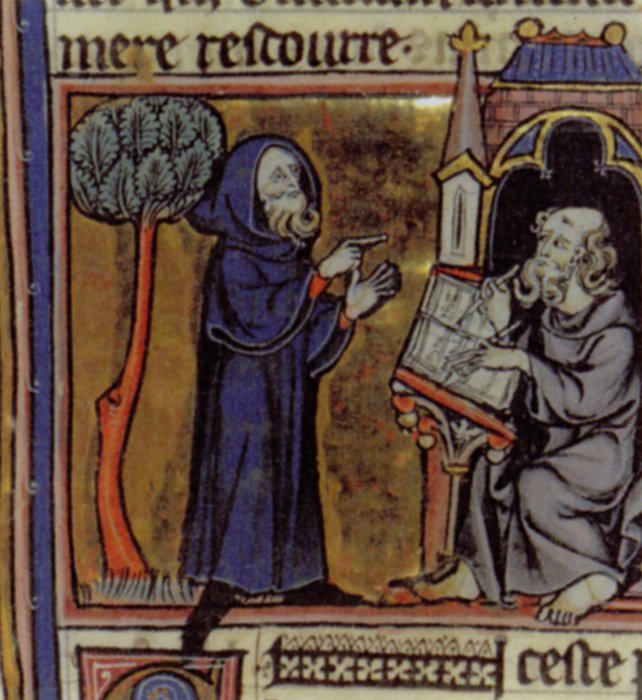 🇮🇹 Italy and 1 moreMedieval European magic
A broad category of ritual and natural practices in the Middle Ages, blending healing, divination, and religious belief.Tradition · Healing · Seeing and foretelling Historical
 🇦🇹 Austria and 3 morePerchtaPercht
A Alpine goddess of winter who rewards diligence and punishes laziness during the twelve days after Christmas.Being · Luck and prosperity · Cursing and harm Revived
 🇬🇷 Greece and 5 moreCrossroads (folklore)
A junction between worlds where spirits are met and deals are madeBelief · Speaking with spirits and the dead · Cursing and harm Living
 🇬🇷 Greece and 2 moreCurse tabletκατάδεσμος
A lead sheet inscribed with a binding curse in the Greco-Roman worldCharm · Cursing and harm · Love and attraction Historical
 🇲🇽 Mexico and 2 moreAluxaluxo'ob
A small Maya spirit believed to guard fields and cause mischief if offended.Being · Protection · Luck and prosperity Living
 🇯🇵 Japan and 1 moreHyakumonogatari Kaidankai百物語怪談会
An Edo period Japanese parlour game of telling ghost stories while extinguishing candlesTradition · Cursing and harm · Wonder and entertainment Historical
 🇵🇬 Papua New GuineaWitch-hunts in Papua New Guinea
Mob attacks on people, mostly women, accused of sanguma sorcery in Papua New GuineaBelief · Cursing and harm Living
 🇮🇳 IndiaKaliकाली
A fierce Hindu goddess of time and destruction, worshipped as a protective mother.Being · Protection · Cursing and harm Living
🇵🇪 Peru and 1 moreSupay
An Andean spirit of the underworld who balances life and death forcesBeing · Cursing and harm · Protection Historical
 🇺🇸 United States and 5 moreFriday the 13th
A Western superstition that a specific calendar combination brings misfortuneBelief · Cursing and harm Living
 🇯🇵 JapanOfudaお札/御札
Paper or wood talismans from Japanese shrines and temples believed to hold divine power.Charm · Protection · Cursing and harm Living
🇬🇧 United KingdomSt Mark's Eve
An English folk custom to witness omens of death and future marriage on the eve of a saint's feast dayRite · Seeing and foretelling · Cursing and harm Historical
 🇮🇳 India and 5 moreHoliहोली
A Hindu spring festival marked by coloured powders and bonfires to celebrate love and virtue.Tradition · Love and attraction · Cursing and harm Living
 🇪🇸 Spain and 6 moreBurning of Judas
An Easter rite where an effigy of the betrayer is destroyed by fire or other meansRite · Cursing and harm · Cleansing and purification Living
🇮🇳 IndiaPanchagavya
A fermented mixture of five cow products used in Hindu rituals and Ayurvedic traditions.Substance · Cleansing and purification · Cursing and harm Living
🇬🇷 GreeceDeipnonδεῖπνον
An ancient Athenian lunar offering to Hekate and the restless dead at the month's end.Rite · Protection · Cursing and harm Living
 🇩🇪 Germany and 5 moreStraw bearStrohbär
A carnival figure wrapped in straw that visits homes for gifts and marks the turning of seasons.Tradition · Luck and prosperity · Cursing and harm Living
 🇩🇪 Germany and 5 moreKrampus
A horned Alpine figure who punishes misbehaving children on KrampusnachtFigure · Cursing and harm Living
 🇮🇸 Iceland and 3 moreSeiðr
A Norse divination and manipulation magic practiced during the Viking Age.Tradition · Seeing and foretelling · Cursing and harm Revived
 🇮🇳 India and 5 moreBhairavaभैरव
A fierce manifestation of Shiva and a Buddhist protector deity worshipped across South and East Asia.Being · Protection · Cursing and harm Living
 🇮🇪 Ireland and 1 moreAos Sí
Supernatural beings of Irish and Scottish folklore, said to dwell in mounds and influence the human world.Being · Protection · Cursing and harm Living
 🇭🇹 Haiti and 1 moreEzili DantorÈzili Dantò
A fierce mother spirit in Haitian Vodou who protects the marginalized and demands loyalty.Being · Protection · Cursing and harm Living
 🇮🇳 India and 2 moreBrahmarakshasaब्रह्मराक्षसः
A cursed Brahmin spirit in Hindu lore, feared for harm and venerated in temples.Being · Cursing and harm · Protection Living
 🇿🇦 South AfricaSympathetic magic
A magical principle based on imitation or contact between objectsTradition · Protection · Healing Historical
 🇵🇹 Portugal and 5 moreCocoCoca
A monster used to frighten children into obedience across the Iberian world and Latin America.Figure · Cursing and harm · Binding and oaths Living
🇬🇧 United KingdomWitch bottle (sample)
A stoppered bottle set out against curses.Charm · Protection · Cursing and harm Historical
🇺🇸 United StatesBloody Mary
A mirror ritual to summon a spirit that reveals the future or brings harmBelief · Seeing and foretelling · Cursing and harm Living
 🇬🇷 Greece and 4 moreKallikantzarosκαλικάντζαρος
A malevolent goblin that dwells underground and surfaces during the twelve days of Christmas.Being · Cursing and harm · Luck and prosperity Historical
 🇮🇹 ItalyBadaliscBadalisch
A mythical goat-headed creature from the Italian Alps, captured and mocked during Epiphany celebrations.Being · Cursing and harm · Wonder and entertainment Living
🇭🇺 HungaryCurse of TuranTuráni átok
A Hungarian belief that a historic spell causes national misfortune and personal despairBelief · Cursing and harm Historical
Photo credits on this page
The small pictures above come from Wikimedia Commons under free licences. Some are cropped to fit.
- Ezili Dantor: Oficinalis, CC BY-SA 4.0, source
- Burning of Judas: Unknown author, Public domain, source
- Ancient Mesopotamian religion: editor Austen Henry Layard , drawing by L. Gruner, Public domain, source
- Yakshini: Brihaspati, CC BY-SA 4.0, source
- Love magic: Kölner Meister [ 1 ] The artist is an unknown lower Rhenish artist. [, Public domain, source
- Friday the 13th: Leonardo da Vinci, Public domain, source
- Crossroads (folklore): MiddleOfAfrica, CC BY-SA 4.0, source
- Hyakumonogatari Kaidankai: Katsushika Hokusai, Public domain, source
- Freyja: John Bauer, Public domain, source
- Fig sign: Harald the Bard, CC BY-SA 4.0, source
- West African Vodún: I cropped, original authors are Ridpath, John Clark, CC BY-SA 4.0, source
- Aos Sí: AE [George William Russell] (1867-1935), CC BY 4.0, source
- Brahmarakshasa: Chaitnyags, CC BY-SA 4.0, source
- Jinn: VenusFeuerFalle, CC0, source
- Kali: Raja Ravi Varma, Public domain, source
- Ofuda: 教派研究 (Sectarian research), CC BY-SA 3.0, source
- Straw bear: Photo: Andreas Praefcke, CC BY 3.0, source
- Krampus: Naturpuur, CC BY-SA 4.0, source
- Coco: Francisco de Goya, CC0, source
- Gazu Hyakki Yagyō: Toriyama Sekien, Public domain, source
- Holi: Jitenderasingh, CC BY-SA 4.0, source
- Bogeyman: Francisco Goya, Public domain, source
- Kukeri: Nenko Lazarov, CC BY 2.5, source
- Bhairava: Saankav, CC BY-SA 4.0, source
- Kallikantzaros: Katolophyromai, CC BY-SA 4.0, source
- Alux: Gary Todd, CC0, source
- Ghosts in Thai culture: Heinrich Damm ( User:Hdamm , Hdamm at de.wikipedia.org ), CC BY 2.0, source
- Boitatá: The ponta cabeça, CC BY-SA 4.0, source
- Badalisc: Luca Giarelli, CC BY-SA 3.0, source
- Evil eye: FocalPoint, CC BY-SA 3.0, source
- Medieval European magic: Unknown author, Public domain, source
- Nyi Roro Kidul: Gunawan Kartapranata, CC BY-SA 3.0, source
- Curse tablet: Unknown artist, Public domain, source
- Witch-hunts in Papua New Guinea: The original uploader was Dr. Blofeld at English Wikipedia ., Attribution, source
- Sympathetic magic: Marie-Lan Nguyen, CC BY 2.5, source
- Witch bottle: British Museum, Daniel Pett, 2004-10-25 15:27:22, CC BY-SA 2.0, source
- Perchta: Holger Uwe Schmitt, CC BY-SA 4.0, source
- Molybdomancy: Micha L. Rieser, Attribution, source
- Ogoh-ogoh: Simondodit, CC BY-SA 4.0, source
- Tikbalang: The original uploader was Rodsan18 at English Wikipedia . ( Original t, CC BY 2.5, source