Kollyra curse tablet
Named after the accuser, Kollyra
An ancient Greek tablet cursing a thief to suffocation until stolen goods are returned.
Discovered in Southern Italy in 1755, this third-century BCE tablet records a woman named Kollyra accusing another of theft. Written in the Locrian dialect, the text demands the return of a cloak and coins, threatening the accused with breathlessness until restitution is made to the goddess Persephone.
- Found in Southern Italy in 1755.
- Written in the Locrian dialect of Ancient Greek.
- Curses a thief to stop breathing freely until restitution.
- Likely displayed publicly in a shrine to Persephone.
What it is
The Kollyra curse tablet is an ancient inscribed object found in Southern Italy. It records a dispute between two women, Kollyra and Melita. Kollyra accuses Melita of stealing a dark cloak and three gold coins. The text demands the return of these items along with a religious offering. It threatens the accused with a condition where they cannot breathe freely until they comply. This artifact offers a glimpse into personal magical practices and legal disputes in the ancient world.
Where it comes from
Archaeologists discovered this tablet in 1755 within Southern Italy. Scholars date the writing to the third century before the common era based on the script style. The inscription is written in the Locrian dialect of Ancient Greek. This regional variation helps place the object geographically and culturally within the Greek colonies of the Mediterranean.
How it is done
Unlike many curse tablets that were buried underground, this object features a hole in the upper corner. Researchers suggest this hole allowed the tablet to be hung up for public viewing. It was likely placed in a shrine dedicated to the goddess Persephone. The act of displaying the accusation served to warn the community and pressure the accused through public scrutiny rather than secret burial rites.
Tools and materials
The primary tool is the tablet itself, which bears the written curse. The text references specific items involved in the theft, including a dark-colored cloak and gold coins. The ritual demand includes incense, measured in units called medimnos, to be offered to the goddess. These materials represent both the stolen property and the means of making amends to the divine realm.
Kollyra curse tablet, drawn and placed
- Living
- Revived
- Fading
- Historical
- Legendary
- Performed
- Lineage
- Ancient Greek defixio
- Timing
- After theft
What it is for
The main goal was to recover stolen property, specifically a cloak and coins. The curse aimed to force the thief to return the items and pay a penalty. By invoking a supernatural threat, the accuser sought to ensure compliance where human law might fail. The public nature of the display also aimed to protect the accuser from social suspicion and maintain her reputation in the community.
Who does it
The author of the curse was a woman named Kollyra. Her tone is assertive and direct, lacking the usual humble pleas found in other magical texts. Some scholars link this bold behavior to the cult of Persephone, which may have offered women more social freedom. Kollyra acted as her own agent, using the tablet to voice her grievance and seek justice without needing a priestly intermediary.
Peoples and places
This tablet originates from the Greek colony of Epizephyrian Locris in Southern Italy. It reflects the practices of the local population who spoke the Locrian dialect. The involvement of the goddess Persephone indicates the influence of established religious cults in the region. The text shows how ordinary citizens navigated conflicts within their specific cultural and linguistic environment.
At a glance: who, where and when
Who does it
Belief worlds
Occasions
What people believe
The tablet operates on the principle of divine justice. It assumes that gods will enforce moral rules and punish theft. The curse links physical suffering, such as difficulty breathing, to the failure to make restitution. This belief system treats the magical text as a binding contract that compels the accused to act correctly under threat of supernatural intervention.
How scholars and sceptics see it
Classicist Bonnie MacLachlan argues the tablet was meant for public display in a shrine, noting the suspension hole and parallels to other inscriptions. She connects the text to the cult of Persephone. Georg Kaibel debated whether the curse targeted one person or multiple thieves. Ian Plant has analyzed the text as an example of women's public writing in classical antiquity.
Compare and confuse
Most defixiones, or curse tablets, were hidden in graves or wells to send the spell to the underworld. The Kollyra tablet differs by being designed for open display. Its focus on restitution and public shaming sets it apart from spells intended solely for harm. This approach aligns more closely with judicial prayers and social enforcement than with typical black magic.
Questions people ask about Kollyra curse tablet
What is the Kollyra curse tablet?
It is an ancient inscribed object from Southern Italy that records a woman's accusation of theft and a subsequent curse demanding the return of stolen goods.
Who wrote the tablet?
A woman named Kollyra wrote the text, accusing another woman named Melita of stealing a cloak and three gold coins.
How was the tablet used?
It likely featured a hole for hanging and was displayed publicly in a shrine to shame the accused and demand payment from the community.
What is the curse?
The text threatens that the thief shall not breathe freely until they return the stolen items and make an offering to the goddess.
Good reading and sources
The facts on this page come from the Wikipedia article "Kollyra curse tablet", written by its contributors and used under the CC BY-SA 4.0 licence, and from its Wikidata record (CC0). EveryJaadu rewrote the text in its own words, with AI assistance, and compares every page with the article to make sure no passage is copied. It may be reused under the same CC BY-SA 4.0 licence with a link back.
It may contain mistakes. Names and customs differ from one community to the next, and some knowledge is closed to outsiders and left out here. This page describes belief and practice. It does not say that any of it works, it is not a how-to, and it is not medical advice. If something is wrong, tell us. Last refreshed 2026-10-06.
More from Italy
All the entries from Italy 🇩🇪 Germany and 5 moreWitch trials in the Holy Roman Empire
A wave of executions across Central Europe between the fifteenth and eighteenth centuries.Belief · Cursing and harm Historical
🇩🇪 Germany and 5 moreWitch trials in the Holy Roman Empire
A wave of executions across Central Europe between the fifteenth and eighteenth centuries.Belief · Cursing and harm Historical
 🇫🇷 France and 1 moreNostradamus
A French astrologer and physician known for a book of poetic propheciesText · Seeing and foretelling · Power and authority Historical
🇫🇷 France and 1 moreNostradamus
A French astrologer and physician known for a book of poetic propheciesText · Seeing and foretelling · Power and authority Historical
 🇮🇹 Italy and 5 moreTarottarocchi
A set of playing cards used for games and divinationTradition · Seeing and foretelling · Luck and prosperity Living
🇮🇹 Italy and 5 moreTarottarocchi
A set of playing cards used for games and divinationTradition · Seeing and foretelling · Luck and prosperity Living
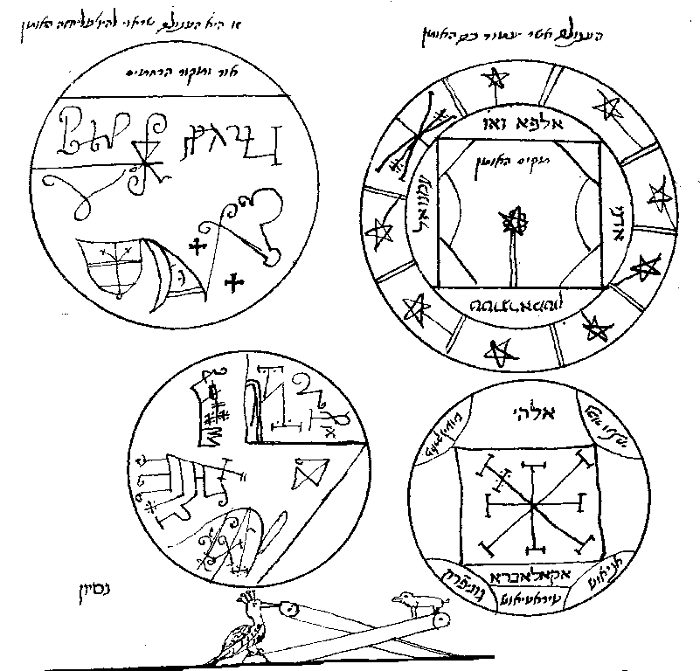 🇮🇹 Italy and 2 moreKey of SolomonClavicula Salomonis
A Renaissance grimoire attributed to King Solomon, detailing ritual preparations and invocations.Text · Cursing and harm · Love and attraction Historical
🇮🇹 Italy and 2 moreKey of SolomonClavicula Salomonis
A Renaissance grimoire attributed to King Solomon, detailing ritual preparations and invocations.Text · Cursing and harm · Love and attraction Historical
Related elsewhere
All text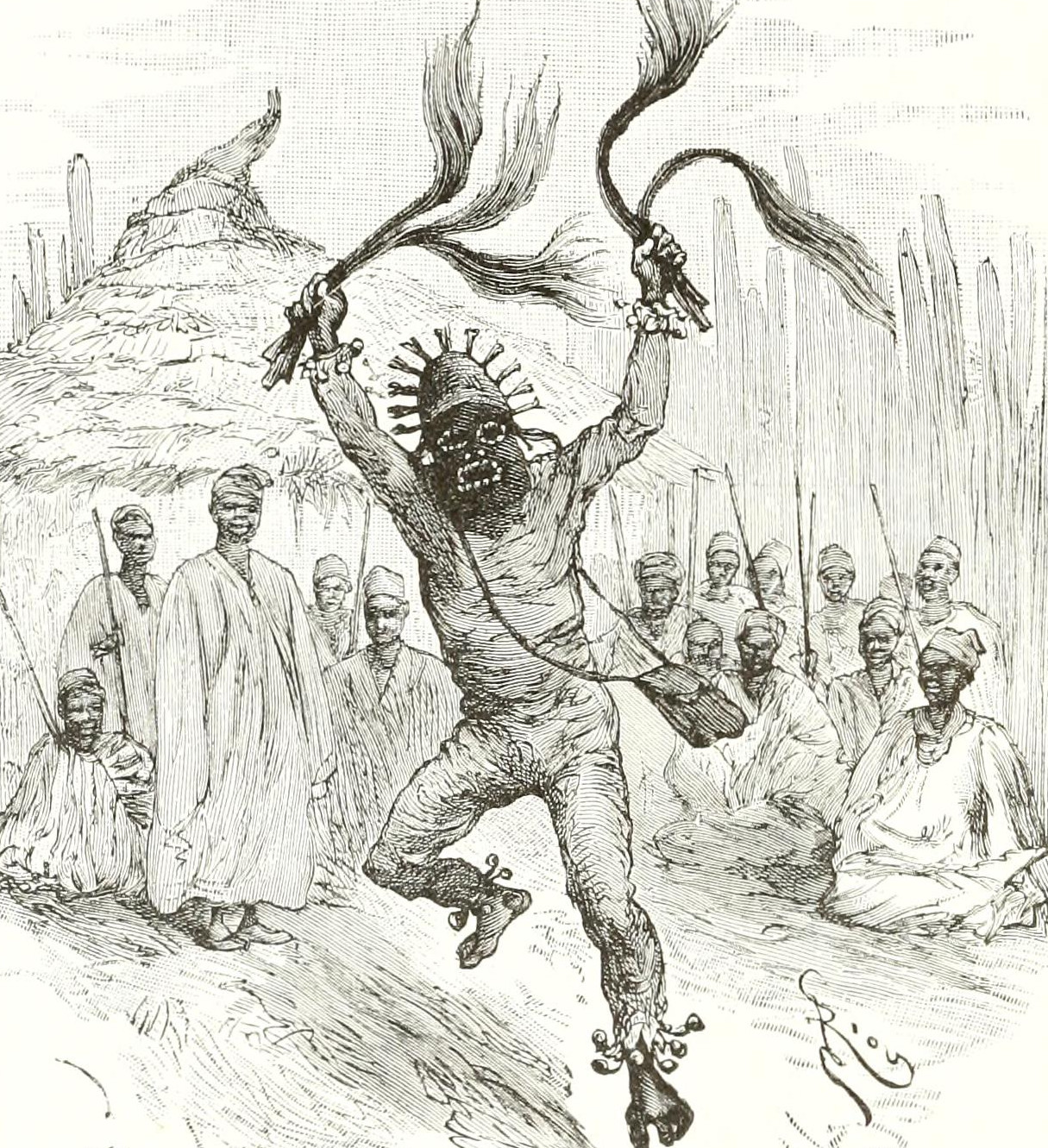 🇺🇸 United States and 2 moreLouisiana Voodoo
An African diasporic religion practiced in Louisiana from the 18th to early 20th centuriesTradition · Healing · Protection Historical
🇺🇸 United States and 2 moreLouisiana Voodoo
An African diasporic religion practiced in Louisiana from the 18th to early 20th centuriesTradition · Healing · Protection Historical
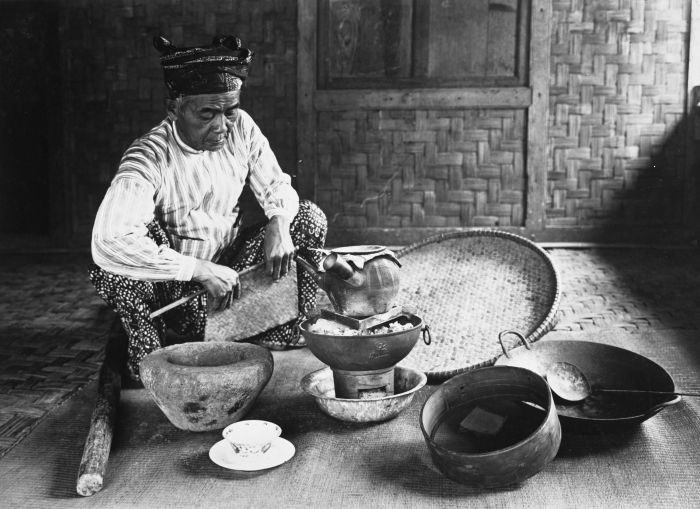 🇮🇩 Indonesia and 2 moreDukun
A traditional healer and spirit medium in Indonesian folk practiceTradition · Healing · Seeing and foretelling Living
🇮🇩 Indonesia and 2 moreDukun
A traditional healer and spirit medium in Indonesian folk practiceTradition · Healing · Seeing and foretelling Living
 🇮🇩 IndonesiaNyi Roro KidulRatu Laut Selatan
The spirit queen of Java's southern coast and guardian of the Indian OceanBeing · Protection · Cursing and harm Living
🇮🇩 IndonesiaNyi Roro KidulRatu Laut Selatan
The spirit queen of Java's southern coast and guardian of the Indian OceanBeing · Protection · Cursing and harm Living
 🇮🇷 Iran and 1 moreJinnجِنّ
Supernatural beings in Islamic and pre-Islamic Arabian belief, created from smokeless fire.Being · Protection · Cursing and harm Living
🇮🇷 Iran and 1 moreJinnجِنّ
Supernatural beings in Islamic and pre-Islamic Arabian belief, created from smokeless fire.Being · Protection · Cursing and harm Living