Witchcraft accusations against children in Africa
Violent persecution of children blamed for misfortune across Sub-Saharan Africa and beyond
Children in parts of Sub-Saharan Africa face severe abuse, abandonment, or death when accused of witchcraft. This practice has grown alongside urbanization, poverty, and the influence of certain charismatic preachers who blend Christianity with local beliefs.
- Up to 15,000 children abandoned in Nigeria's Niger Delta due to accusations
- 60% of homeless children in Kinshasa, DRC, expelled for alleged witchcraft
- Ethiopia's Karo and Hamar peoples practice Mingi, killing infants with abnormalities
- Charismatic preachers in Nigeria profit from fear-based exorcism campaigns
- Accusations spread to UK immigrant communities, leading to high-profile abuse cases
What it is
This phenomenon involves the labeling of children as witches or agents of evil within various African societies. Historically, such accusations targeted the elderly, disabled, or those deemed different. Recently, orphans and vulnerable youth have become primary victims. The belief holds that these children cause disease, death, and general misfortune. Consequently, they face intense social rejection and physical violence from their own families and communities.
Where it comes from
The roots of witch-hunting in Sub-Saharan Africa are ancient. However, the specific targeting of children has intensified in the early twenty-first century. Factors driving this rise include rapid urbanization, economic decline, conflict, and the breakdown of traditional community structures. The HIV/AIDS pandemic also contributed to the number of orphaned children available for accusation. Additionally, religious films and charismatic preachers have helped legitimize these beliefs in modern contexts.
How it is done
Accused children often endure violent rituals intended to remove demonic influence. These may include starvation, chaining, beating, and exposure to hazardous substances. In some cases, children are burned or subjected to forced confessions under duress. Others are simply expelled from their homes and left to survive on the streets. In extreme instances, children are killed, sometimes through ritual sacrifice involving body removal for potions.
Tools and materials
Tools vary by region but often include chains, machetes, and unknown chemical or herbal substances. In Ethiopia, the concept of Mingi involves ritual impurity markers. In Uganda, traditional healers may demand animal or human sacrifices to appease spirits. Charismatic pastors may use churches as sites for confinement and exorcism. No specific magical tools are used; the methods are primarily physical abuse and psychological terror.
Witchcraft accusations against children in Africa, drawn and placed
- Living
- Revived
- Fading
- Historical
- Legendary
- Performed
What it is for
Families and communities accuse children to explain sudden misfortunes, illness, or death. In Angola, accusations may serve to justify abandoning orphans who require resources. In Nigeria, some preachers profit from fear by charging for exorcism services. The underlying intent is to remove a perceived source of evil or bad luck from the household or village, restoring a sense of safety and prosperity.
Who does it
Perpetrators include family members, neighbors, and self-proclaimed spiritual leaders. In Nigeria, Pentecostal-Charismatic pastors like Helen Ukpabio play a significant role. In Uganda, traditional healers or witchdoctors may orchestrate sacrifices. In Ethiopia, the Karo and Hamar peoples enforce Mingi traditions. Victims are typically powerless children who cannot defend themselves against adult authority figures.
Peoples and places
The practice spans multiple nations. In Nigeria, tens of thousands of children have been abandoned in states like Akwa Ibom. In the Democratic Republic of the Congo, many homeless street children are former victims of such accusations. Ethiopia’s Karo and Hamar peoples practice Mingi, disposing of children with physical abnormalities. Sierra Leone sees accusations among Ebola survivors’ families. The Gambia has seen mass detentions of alleged witches.
At a glance: who, where and when
Who does it
Belief worlds
Occasions
What people believe
The core belief is that certain individuals possess inherent evil power. Children are seen as particularly dangerous because they can hide this nature. Spirits or demons are thought to inhabit them, causing harm to others. Exorcism is believed necessary to cleanse the child. In Ethiopia, Mingi reflects a belief in ritual impurity linked to physical traits or birth circumstances. These beliefs persist despite scientific understanding of disease and misfortune.
When it is done
Accusations occur during times of crisis, such as illness, death, or economic hardship. There are no fixed calendar dates. Events often follow outbreaks of disease, like Ebola in Sierra Leone, or periods of economic stress. Urbanization and social fragmentation create ongoing conditions where accusations can arise at any time, without seasonal restriction.
How scholars and sceptics see it
Researchers note that urbanization, poverty, and conflict exacerbate these accusations. UNICEF and Human Rights Watch highlight the violence involved. Scholars like Dr. Erwin Van der Meer emphasize socioeconomic factors. Leo Igwe argues that framing witchcraft as superstition is key to stopping persecution. Anthropologists study how traditional beliefs interact with modern Christianity and economic pressure.
Cautions and what is closed
Children face severe physical and psychological harm. Abuse includes starvation, burning, and torture. Many end up on the streets, vulnerable to trafficking and exploitation. Some are killed through ritual sacrifice. The practice violates fundamental human rights. Survivors often suffer long-term trauma. Legal protections exist but are frequently ineffective due to corruption or lack of enforcement.
Compare and confuse
This differs from historical European witch trials in its focus on children and integration with Pentecostal Christianity. It shares similarities with other forms of child abuse rooted in supernatural beliefs. The term 'Mingi' in Ethiopia refers specifically to ritual impurity rather than active witchcraft. Comparisons to albinism-related killings show similar patterns of scapegoating vulnerable groups.
Law and persecution
Laws against witchcraft accusations exist in many affected countries but are poorly enforced. Activists like Leo Igwe face harassment and threats. Governments have detained alleged witches, as seen in the Gambia in 2009. International organizations urge stronger legal action. Some NGOs run safe houses to protect children. Legal reforms are slow, and cultural beliefs often override statutory law.
Questions people ask about Witchcraft accusations against children in Africa
Why are children specifically targeted?
Children are seen as vulnerable vessels for evil spirits and unable to defend themselves. Orphans and those with physical differences are especially at risk. Accusations help families explain misfortune or avoid caring for unwanted dependents.
What role do religious leaders play?
Some Pentecostal pastors blend Christian exorcism with local witchcraft beliefs. They may charge fees for rituals, intensifying fear. Their teachings can legitimize accusations and encourage families to abandon or abuse accused children.
How does urbanization affect this?
Rapid city growth breaks down traditional community support. Poverty and conflict increase stress. Isolated families may turn to supernatural explanations for hardship, leading to more accusations against vulnerable children.
What happens to accused children?
They face abuse, starvation, chaining, or expulsion. Many live on streets, facing trafficking or violence. Some are killed through ritual sacrifice. Others are confined in churches for prolonged exorcism attempts.
Is this practice limited to Africa?
While concentrated in Sub-Saharan Africa, reports indicate spread to diaspora communities. Cases in the UK involve African immigrants, showing the practice can migrate with populations, though it remains most prevalent on the continent.
Good reading and sources
- Children are targets of Nigerian witch huntThe Guardian, Article
- Malawi plea to free convicted 'witches'BBC, Article
- Lost childhoods: Nigeria’s fear ofAl Jazeera, Article
The facts on this page come from the Wikipedia article "Witchcraft accusations against children in Africa", written by its contributors and used under the CC BY-SA 4.0 licence, and from its Wikidata record (CC0). EveryJaadu rewrote the text in its own words, with AI assistance, and compares every page with the article to make sure no passage is copied. It may be reused under the same CC BY-SA 4.0 licence with a link back.
It may contain mistakes. Names and customs differ from one community to the next, and some knowledge is closed to outsiders and left out here. This page describes belief and practice. It does not say that any of it works, it is not a how-to, and it is not medical advice. If something is wrong, tell us. Last refreshed 2026-10-06.
More from Nigeria
All the entries from Nigeria 🇳🇬 Nigeria and 4 moreJuju
A West African spiritual belief system involving charms and ritualsTradition · Healing · Luck and prosperity Living
🇳🇬 Nigeria and 4 moreJuju
A West African spiritual belief system involving charms and ritualsTradition · Healing · Luck and prosperity Living
 🇳🇬 NigeriaOsun-Osogbo Sacred GroveOsun-Osogbo
A sacred forest in Nigeria dedicated to the river goddess Osun, celebrated with an annual festival.Tradition · Speaking with spirits and the dead · Protection Living
🇿🇦 South Africa and 5 moreMurder for body parts
The killing of people to harvest body parts for traditional medicine or the illegal organ trade.Belief · Cursing and harm · Power and authority Living
🇳🇬 NigeriaOsun-Osogbo Sacred GroveOsun-Osogbo
A sacred forest in Nigeria dedicated to the river goddess Osun, celebrated with an annual festival.Tradition · Speaking with spirits and the dead · Protection Living
🇿🇦 South Africa and 5 moreMurder for body parts
The killing of people to harvest body parts for traditional medicine or the illegal organ trade.Belief · Cursing and harm · Power and authority Living
 🇧🇯 Benin and 3 moreZangbeto
A masked night-guardian tradition among the Ogu people of West AfricaTradition · Protection · Cursing and harm Living
🇧🇯 Benin and 3 moreZangbeto
A masked night-guardian tradition among the Ogu people of West AfricaTradition · Protection · Cursing and harm Living
Related elsewhere
All belief 🇷🇸 Serbia and 5 moreVampire
An undead creature from folklore that feeds on the blood or life force of the livingBeing · Cursing and harm · Luck and prosperity Legendary
🇷🇸 Serbia and 5 moreVampire
An undead creature from folklore that feeds on the blood or life force of the livingBeing · Cursing and harm · Luck and prosperity Legendary
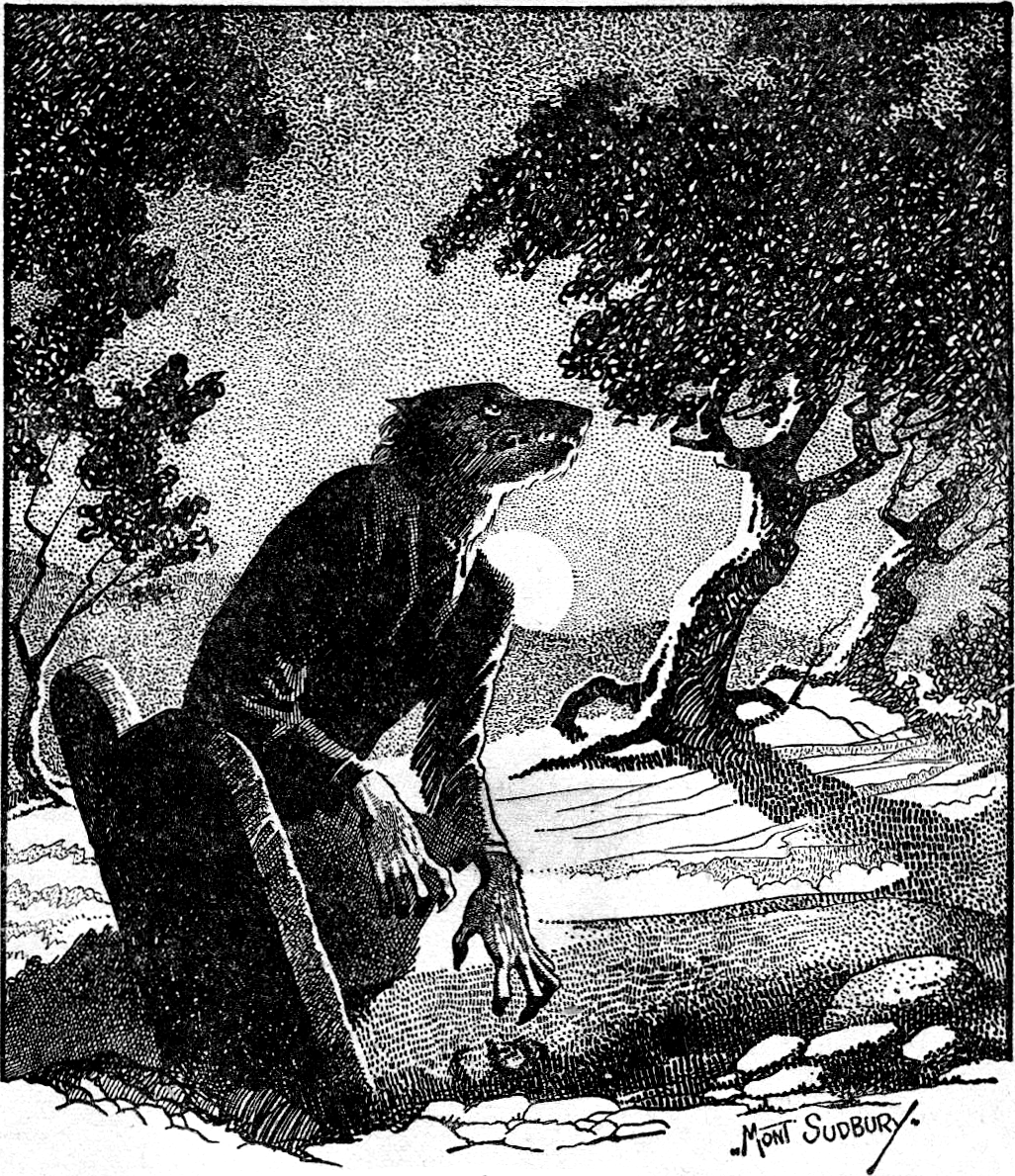 🇫🇷 France and 5 moreWerewolf
A mythical shapeshifter that turns into a wolf, central to European witch-hunts and Gothic horror.Being · Cursing and harm · Wonder and entertainment Legendary
🇫🇷 France and 5 moreWerewolf
A mythical shapeshifter that turns into a wolf, central to European witch-hunts and Gothic horror.Being · Cursing and harm · Wonder and entertainment Legendary
 🇪🇬 Egypt and 1 moreLilithלִילִית
A feminine figure from Mesopotamian and Jewish mythology, often depicted as a night demon or spirit.Being · Cursing and harm Legendary
🇪🇬 Egypt and 1 moreLilithלִילִית
A feminine figure from Mesopotamian and Jewish mythology, often depicted as a night demon or spirit.Being · Cursing and harm Legendary
 🇪🇬 EgyptCurse
A spoken wish for misfortune to befall a person or placeBelief · Cursing and harm · Luck and prosperity Historical
🇪🇬 EgyptCurse
A spoken wish for misfortune to befall a person or placeBelief · Cursing and harm · Luck and prosperity Historical