Healing
Folk and spiritual healing, said as tradition and never as medical advice.
Traditional healing joins remedy, ritual and relationship. Healers of many kinds are said to treat the body, the family and the spirit together: the curandero in Mexico and the Andes, the sangoma in southern Africa, the hakim in the Islamic world, the Ayurvedic vaidya, the Korean mudang and the Siberian shaman. This page describes these as traditions, not as medical advice. Illness needs real medical care. Healing is also the intent most often exploited, so the page states its limits plainly.
How tradition frames illness
Many traditions treat illness as a matter of balance, relationship or disturbance, not only of the body. A sickness may be linked to an offended ancestor, a broken taboo, soul loss, envy, or a spirit. Treatment therefore includes consultation, confession, offerings, cleansing and a family gathering. Healers describe the aim as restoring a person's place in the community. Examples include the sweating, singing and plant rites of the Americas, the chanting and massage of Southeast Asia, and the Ayurvedic and Unani systems of South Asia, each with its own theory and texts.
Healers and training
Healers are called, apprenticed or hereditary. A sangoma is described as called by ancestors, often after an illness, and trained under a senior. In many places, healers are women, midwives and elders, whose standing does not come from a licensed degree. Governments have set up registers: South Africa recognised traditional health practitioners by law in 2007, and India supports Ayurveda through its AYUSH ministry. The ritual side is often described as being as important as the remedy, since attention, ceremony and support from family are part of the experience.
Working with medicine
Many people use traditional and clinical care side by side. Some healers refer patients to clinics and some campaigns in Africa have trained them to do so. Problems arise when ritual replaces treatment: delayed care for serious illness, harmful substances, and bans on medicine have cost lives. The World Health Organization supports research on traditional medicine while insisting on evidence for safety and effect. Patients also say the healer sat with them for hours, gave time and attention, and spoke the local language, which busy clinics may not manage.
Fraud and abuse
Fake healers exist everywhere: sellers of miracle cures, practitioners who charge to remove a curse, and exorcists who beat or starve people with mental illness. In several countries the courts have prosecuted deaths during exorcism. Scholars separate what communities value in healing, such as attention and meaning, from claims about cure, which should be tested. None of this removes the need to see a doctor for serious or lasting symptoms, and people should not stop prescribed treatment because of a ritual or a remedy.
Healing on EveryJaadu
The entries written up so far, best known first.
 🇺🇸 United StatesNavajo medicine
Traditional healing practices of the Navajo people focused on restoring harmonyTradition · Healing · Protection Living
 🇩🇪 Germany and 2 moreFranz Anton Mesmer
A German physician who proposed a universal fluid of natural energy and founded mesmerism.Tradition · Healing Historical
 🇮🇳 India and 5 moreFountain of Youth
A legendary spring said to reverse aging and cure illness, appearing in myths across the world.Belief · Healing · Change and initiation Legendary
 🇸🇸 South Sudan and 2 moreAzande witchcraft
A hereditary power believed to cause harm through hatred and psychic force among the Azande people.Belief · Cursing and harm · Healing Living
🇭🇺 HungaryTáltos
A Hungarian mythic figure with supernatural powers who acts as a spiritual mediator.Being · Healing · Seeing and foretelling Legendary
 🇵🇪 Peru and 5 morePalo Santo
Aromatic wood used in South American ritual cleansing and folk medicineSubstance · Cleansing and purification · Healing Living
 🇪🇬 Egypt and 1 moreEye of Horuswḏꜣt
A stylized eye symbol in ancient Egypt representing healing and cosmic orderCharm · Protection · Healing Historical
🇬🇧 United KingdomCharmer
English folk healers who used gifts or verses to treat natural ailments without chargeTradition · Healing Historical
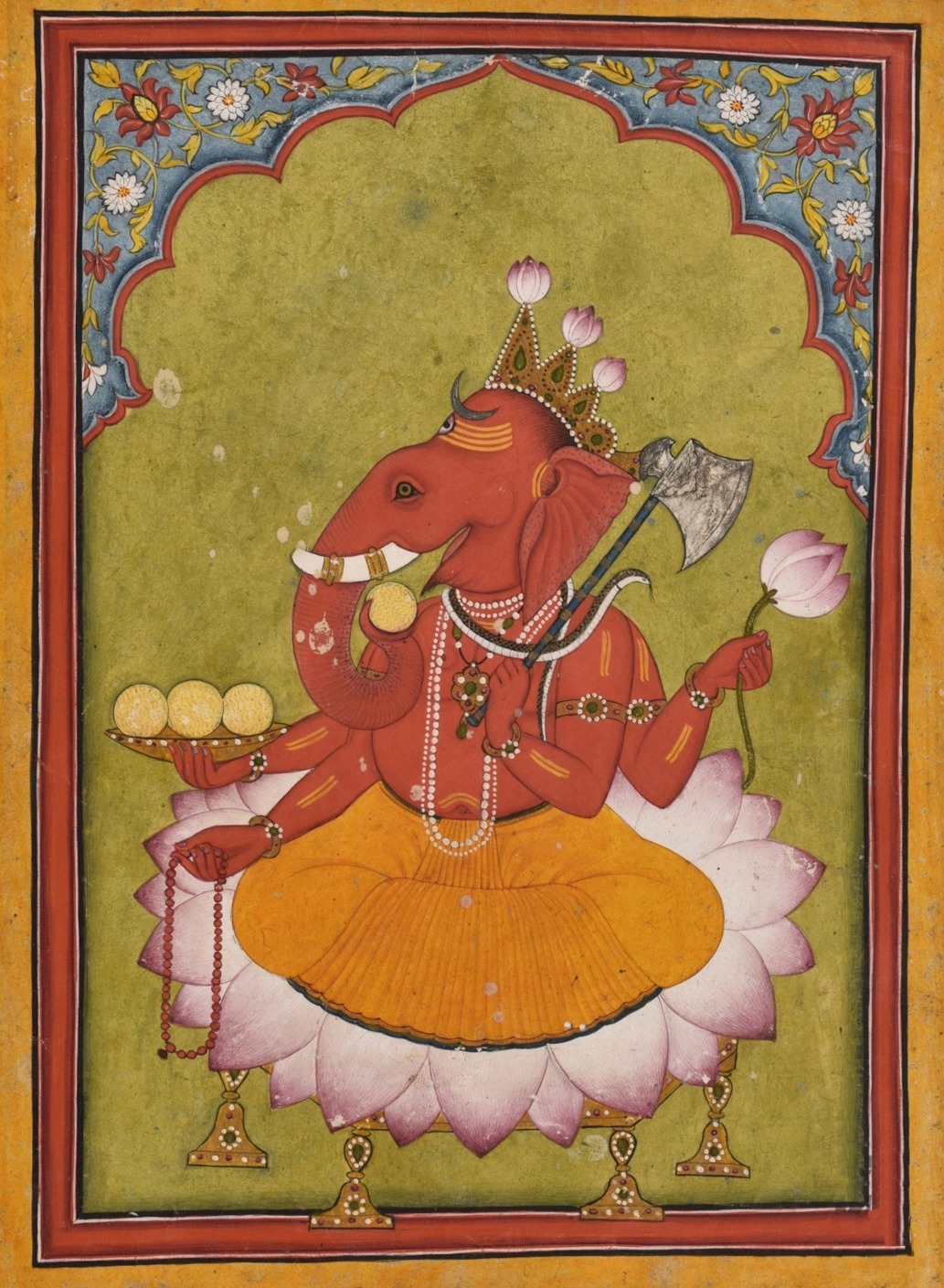 🇮🇳 India and 5 moreGaneshaगणेश (Gaṇeśa)
An elephant-headed Hindu deity worshipped as the remover of obstacles and patron of wisdom.Being · Protection · Luck and prosperity Living
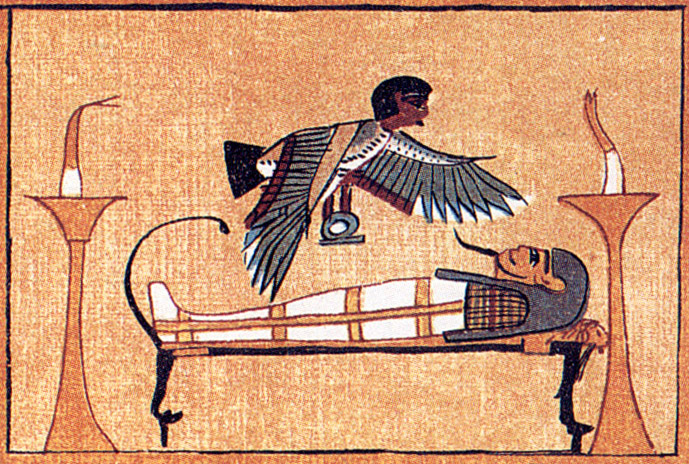 🇪🇬 Egypt and 1 moreSoul flight
A shamanic trance journey in which the soul is said to leave the bodyRite · Healing · Seeing and foretelling Living
 🇮🇳 India and 5 morePilgrimage
A journey to a sacred site for spiritual growth or religious dutyTradition · Healing · Speaking with spirits and the dead Living
🇵🇭 PhilippinesAlbularyo
A Filipino folk healer who uses herbs, massage, and rituals to treat illness.Tradition · Healing · Seeing and foretelling Living
 🇧🇷 Brazil and 2 moreCandomblé
An Afro-Brazilian religion blending West African spirits with Catholic imageryTradition · Speaking with spirits and the dead · Healing Living
🇬🇧 United Kingdom and 1 moreScottish folkloreBeul-aithris na h-Alba
The myths, creatures and beliefs of the Scottish people, recorded from ancient times to the present.Tradition · Seeing and foretelling · Protection Living
 🇨🇺 Cuba and 5 moreBrujería
A syncretic blend of Indigenous, African and Catholic folk magic across Latin America and the CaribbeanTradition · Healing · Protection Living
🇨🇳 China and 3 moreQi氣 / 气
A vital force in Chinese philosophy and medicine, believed to flow through all living things.Substance · Healing · Power and authority Living
 🇧🇴 Bolivia and 2 moreYatiri
A lightning-struck healer in Aymara communities who restores balance with nature and ancestorsTradition · Healing · Speaking with spirits and the dead Living
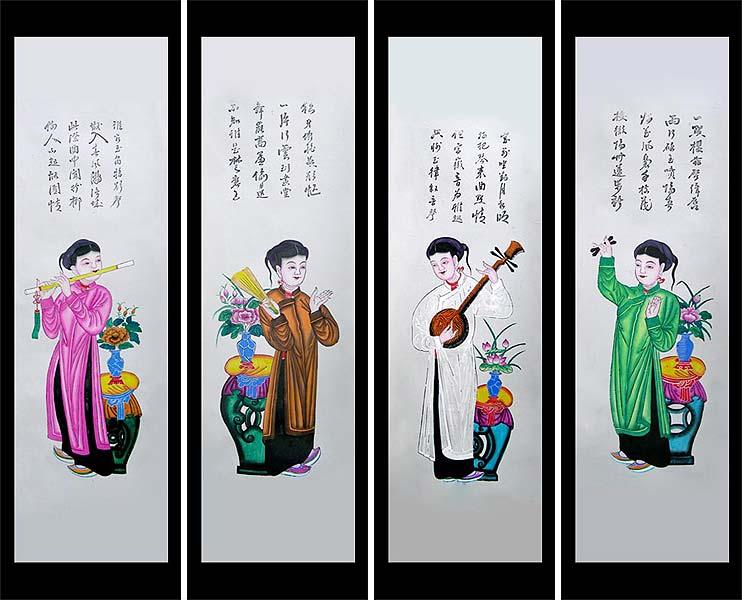 🇻🇳 Vietnam and 1 moreVietnamese folk religiontín ngưỡng dân gian Việt Nam
A collection of local spirit worship and ancestral veneration in VietnamTradition · Protection · Healing Living
 🇪🇬 EgyptImhotepỉỉ-m-ḥtp
An ancient Egyptian architect deified as a god of healing and wisdomBeing · Healing · Power and authority Historical
 🇯🇵 JapanShugendō修験道
A Japanese mountain ascetic path blending Esoteric Buddhism, Shinto, and folk ritualsTradition · Protection · Healing Living
 🇮🇹 ItalyMarsilio Ficino
A Renaissance priest and philosopher who revived Plato and blended astrology with Christian theology.Text · Speaking with spirits and the dead · Healing Historical
 🇦🇺 AustraliaRainbow Serpent
A creator spirit of water and land in Aboriginal Australian mythologyBeing · Healing · Cursing and harm Living
 🇮🇹 Italy and 3 moreRenaissance magic
A 15th and 16th century revival of magical arts blending philosophy, astrology, and hidden knowledge.Tradition · Power and authority · Seeing and foretelling Historical
 🇺🇸 United StatesKahuna
A Hawaiian expert or priest, keeper of hidden knowledge in craft and spiritTradition · Healing · Seeing and foretelling Living
 🇷🇺 Russia and 2 moreSiberian Shamanism
Spirit journey and healing rituals of North Asian ethnic groupsTradition · Healing · Speaking with spirits and the dead Fading
 🇳🇬 Nigeria and 1 moreBoriBòòríí
A traditional Hausa spirit possession system and healing practice in West AfricaTradition · Healing · Protection Living
 🇿🇦 South Africa and 1 moreMutiumuthi
Traditional medicine practice in Southern Africa using plants, animals and mineralsTradition · Healing · Protection Living
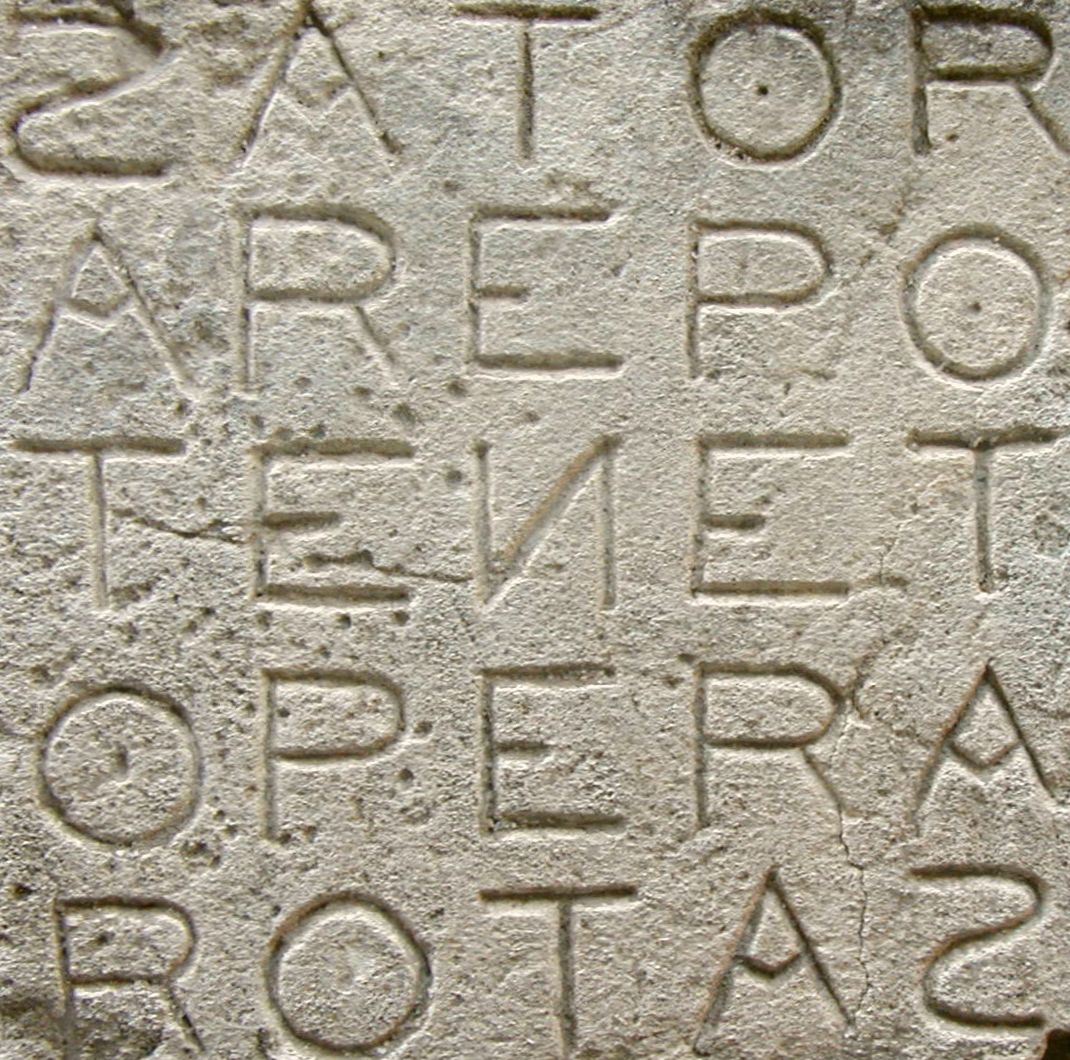 🇮🇹 Italy and 5 moreSator Square
A five-word Latin palindrome found in Roman ruins and medieval churchesCharm · Protection · Healing Historical
🇵🇪 PeruVegetalismo
A Peruvian Amazon healing tradition rooted in plant spirits and ayahuasca ceremoniesTradition · Healing · Protection Living
 🇰🇷 South Korea and 1 moreKorean shaman무당 (mudang)
A ritual specialist in Korean folk religion who mediates between humans and spirits through gut ceremonies.Tradition · Healing · Protection Living
 🇹🇬 TogoAkodessawa Fetish MarketMarché des Féticheurs
A market in Togo selling ritual objects for Vodún practiceTradition · Power and authority · Healing Living
 🇰🇪 Kenya and 1 moreMaasai religion
The spiritual beliefs of the semi-nomadic Maasai people of East AfricaTradition · Protection · Healing Living
 🇺🇸 United States and 2 moreSéance
A gathering to communicate with spirits, ranging from religious services to stage performances.Rite · Speaking with spirits and the dead · Healing Living
 🇪🇬 Egypt and 3 moreEx-voto
A gift left in a shrine to mark a vow kept or a miracle receivedCharm · Protection · Healing Living
 🇯🇵 JapanŌkuninushi大国主神
A Japanese kami of the earth, nation-building, and protective magic.Being · Protection · Healing Living
 🇺🇸 United States and 1 moreMarie Laveau
A New Orleans priestess and herbalist who led Louisiana Voodoo in the nineteenth centuryTradition · Healing · Protection Historical
 🇮🇳 India and 5 moreSnake worship
Veneration of serpents as divine or ancestral beings across global culturesTradition · Protection · Healing Living
🇯🇲 Jamaica and 1 moreMyal
An Afro-Jamaican healing tradition rooted in Arawak and Akan spiritualityTradition · Healing · Protection Living
 🇬🇷 Greece and 5 moreSpodomancy
Divination by reading omens in ashes, soot, and cindersOracle · Seeing and foretelling · Healing Living
 🇮🇶 Iraq and 5 moreGrimoire
A textbook containing instructions for spells, rituals, and the creation of magical objects.Text · Protection · Healing Historical
 🇪🇪 Estonia and 5 moreSoul dualism
A belief that a person possesses two or more distinct kinds of souls.Belief · Healing · Speaking with spirits and the dead Historical
 🇺🇸 United States and 5 moreMediumship
The practice of mediating communication between the living and spirits of the dead.Tradition · Speaking with spirits and the dead · Healing Living
 🇨🇱 Chile and 1 moreCultrunkultrung
A ceremonial drum central to Mapuche spiritual practice and identity in Chile and ArgentinaTradition · Healing · Protection Living
 🇭🇹 Haiti and 2 moreLwa
Spirits in Haitian Vodou that mediate between people and the creator god.Being · Protection · Healing Living
 🇫🇷 FranceThree Books of Occult PhilosophyDe occulta philosophia libri III
A Renaissance treatise on elemental, celestial, and divine magic by Heinrich Cornelius AgrippaText · Healing · Protection Historical
 🇬🇷 GreeceMedeaΜήδεια
A sorceress and princess of Colchis who aids Jason and uses magic for revenge.Figure · Cursing and harm · Healing Legendary
 🇱🇹 Lithuania and 5 moreAmber
Fossilized tree resin used in jewelry and folk healing since ancient timesSubstance · Healing · Luck and prosperity Living
 🇬🇹 GuatemalaMaximónRi Laj Mam
A Maya folk saint and trickster deity venerated in the Guatemalan HighlandsBeing · Protection · Healing Living
Photo credits on this page
The small pictures above come from Wikimedia Commons under free licences. Some are cropped to fit.
- Eye of Horus: Tangopaso, Public domain, source
- Grimoire: Bengt A. Lundberg, CC BY 2.5, source
- Medea: Frederick Sandys, Public domain, source
- Soul flight: Published by James Wasserman; facsimile made by E. A. Wallis Budge; or, Public domain, source
- Vietnamese folk religion: Unknown (traditional painting dated back to the 17th century), Public domain, source
- Shugendō: 唐山健志郎 (Kenshiro Karayama), CC BY-SA 3.0, source
- Kahuna: Unknown author, Public domain, source
- Maasai religion: Dr. Ondřej Havelka (cestovatel), CC BY 4.0, source
- Marie Laveau: E. W. Kemble, Public domain, source
- Snake worship: Alexandermcnabb, CC BY-SA 4.0, source
- Spodomancy: Tim1965, CC BY-SA 3.0, source
- Soul dualism: 尹真人, Public domain, source
- Cultrun: Universidad Nacional de La Plata, CC BY 3.0, source
- Corpus Hermeticum: Marsilio Ficino, Public domain, source
- Navajo medicine: Edward S. Curtis, Public domain, source
- Franz Anton Mesmer: Unknown author, CC BY 4.0, source
- Fountain of Youth: Lucas Cranach the Elder, Public domain, source
- Azande witchcraft: Unknown author, CC BY 4.0, source
- Palo Santo: Haplochromis, CC BY-SA 3.0, source
- Ganesha: anonymous, Public domain, source
- Pilgrimage: Ali Mansuri, CC BY-SA 2.5, source
- Yatiri: EEJCC, CC BY-SA 4.0, source
- Imhotep: Rama, CC BY-SA 3.0 fr, source
- Rainbow Serpent: unknown (as drawn by an Aboriginal), Public domain, source
- Siberian Shamanism: Аркадий Зарубин, CC BY-SA 3.0, source
- Bori: Tremearne, A. J. N. (Arthur John Newman), 1877-1915, Public domain, source
- Muti: Nicholas Roux, CC BY-SA 4.0, source
- Korean shaman: Hyewon Shin Yun-bok (申潤福: 1758-early 19th century) (혜원 신윤복 (申潤福: 1758-, Public domain, source
- Akodessawa Fetish Market: Alexander Sarlay, CC BY-SA 4.0, source
- Séance: Unknown author, Public domain, source
- Ex-voto: JTSH26, CC BY-SA 4.0, source
- Ōkuninushi: Yashima Gakutei, CC0, source
- European witchcraft: Unknown author, CC BY 4.0, source
- Mediumship: Harvey Metcalfe, Public domain, source
- Lwa: Hector Hyppolite, Public domain, source
- Three Books of Occult Philosophy: Heinrich Cornelius Agrippa, Public domain, source
- Amber: uploaded with permission, CC BY-SA 3.0, source
- Maximón: Sapfan (Jan Pesula), Public domain, source
- Sator Square: M Disdero, CC BY-SA 3.0, source
- Candomblé: André Koehne, CC BY-SA 3.0, source
- Renaissance magic: Unknown author, Public domain, source