
Candomblé
likely from the Bantu word kandombele, meaning dance
An Afro-Brazilian religion blending West African spirits with Catholic imagery
Candomblé is a religion that formed in Brazil during the nineteenth century. It mixes traditional beliefs from West and Central Africa with Roman Catholic practices. Followers honor orixás as intermediaries to a distant creator god.
- Developed in 19th-century Brazil from African and Catholic blends
- Organized into autonomous houses called terreiros
- Honors orixás as intermediaries to creator Olodumaré
- Uses drumming and dance to facilitate spirit possession
- Divided into nations like Ketu, Jeje, and Angola
What it is
Candomblé stands as a living tradition within Afro-Brazilian culture. It emerged in Brazil during the nineteenth century through the blending of African spiritual systems with Roman Catholicism. The practice centers on honoring orixás, spirits that act as bridges between humans and a supreme creator. These entities possess distinct personalities and govern specific natural forces. Followers gather in autonomous community houses called terreiros to perform rites. The religion lacks a single central authority or sacred text. Instead, each house operates independently under its own leader. This structure allows for significant regional variation in beliefs and customs across different communities.
Where it comes from
The faith developed among enslaved people from West and Central Africa who were brought to Brazil. They preserved their traditions while adapting to a society dominated by Portuguese Catholicism. The Bahia region served as the primary center for this cultural synthesis during the nineteenth century. After Brazil gained independence, religious freedom was legally established in 1891. Despite this legal protection, the practice faced marginalization and prejudice from the dominant Catholic church. Later emigration from Bahia helped spread the religion throughout Brazil and into neighboring South American countries.
How it is done
Rituals involve drumming, singing, and dancing to invite spirit possession. Practitioners believe these actions encourage an orixá to enter a member of the congregation. Once possessed, the individual serves as a vessel for the spirit to communicate with others. Offerings of food and sacrificed animals are presented to the deities. Divination methods are used to interpret the will of the spirits. Healers prepare herbal remedies and create protective amulets for participants. The ceremonies follow specific protocols determined by the leaders of each terreiro.
Tools and materials
Drums provide the rhythmic foundation for ritual gatherings. Animal sacrifices serve as offerings to honor the orixás. Herbal mixtures and plants are prepared for healing and protective purposes. Amulets are crafted to safeguard individuals from harm. Clay heads decorated with cowries or nails represent the trickster spirit Exú at entrances. Statues of Roman Catholic saints often stand alongside representations of African deities on altars.
Candomblé, drawn and placed
- Living
- Revived
- Fading
- Historical
- Legendary
- Performed
- Lineage
- Afro-Brazilian culture
- Timing
- during rituals and life events
What it is for
Practitioners seek guidance and intervention from the orixás for various needs. The spirits are believed to influence health, fortune, and personal character. Healing rituals address physical and spiritual ailments using traditional knowledge. Divination helps followers understand future events and resolve conflicts. The connection to a tutelary orixá is thought to shape an individual's personality from before birth. Communities gather to strengthen social bonds and maintain cultural heritage through shared worship.
Who does it
Leaders of Candomblé houses are known as mães de santo or pais de santo. These priests and priestesses guide the community and oversee rituals. Initiation is required to become a full member of the tradition. Training involves learning specific chants, dances, and ceremonial duties. Some leaders require initiates to be baptized Catholics, reflecting historical syncretism. The hierarchy respects age and experience within the spiritual lineage. Gender roles exist but both men and women can hold leadership positions.
Peoples and places
The religion originated primarily among Yoruba, Fon, and Bantu peoples in Brazil. Today it is practiced by diverse groups across South America. Distinct nations within Candomblé reflect different African linguistic roots. The Ketu nation draws heavily from Yoruba traditions. The Jeje nation incorporates elements from Ewe and Fon cultures. The Angola nation stems from Bantu influences. Each group maintains unique vocabularies and ritual styles. Migration has expanded the practice beyond its original ethnic boundaries.
At a glance: who, where and when
Who does it
Belief worlds


What people believe
A supreme creator named Olodumaré exists but remains distant from daily affairs. Orixás serve as accessible intermediaries who manage specific aspects of nature. These spirits possess human-like virtues and flaws, creating a complex moral landscape. Each deity is linked to particular colors, foods, and days of the week. The concept of cool versus hot influences the characterization of the spirits. Syncretism aligns orixás with Roman Catholic saints, allowing dual veneration. This pairing likely facilitated the preservation of African beliefs under colonial rule.
When it is done
Rituals occur regularly within the terreiros to maintain spiritual balance. Specific days of the week are dedicated to individual orixás. Annual cycles are governed by particular spirits who influence communal events. Festivals mark important occasions in the religious calendar. Initiations follow strict timelines involving periods of seclusion and training. Life events such as births and marriages may incorporate specific blessings. The rhythm of worship aligns with both spiritual obligations and seasonal changes.
Rites that involve Candomblé
Questions people ask about Candomblé
What is Candomblé?
It is an Afro-Brazilian religion that formed in the nineteenth century. It combines traditional West and Central African beliefs with Roman Catholic practices. Followers honor orixás as spirits that connect humanity to a supreme creator.
Where did Candomblé originate?
It arose in Brazil during the period of the Atlantic slave trade. Enslaved people from Yoruba, Fon, and Bantu backgrounds blended their traditions with local Catholicism. The Bahia region became the primary center for this development.
Who leads Candomblé communities?
Autonomous houses called terreiros are led by mães de santo or pais de santo. These priests and priestesses guide rituals and initiate new members. There is no central authority controlling all branches of the religion.
How do practitioners communicate with spirits?
Rituals use drumming, singing, and dancing to invite spirit possession. An orixá is believed to enter a participant, allowing communication with the community. Offerings and divination help interpret the spirits' will and guidance.
Good reading and sources
- Candomblé on WikipediaEncyclopedia
- More photos on Wikimedia CommonsPhotos and video
- Wikidata recordOpen data
The facts on this page come from the Wikipedia article "Candomblé", written by its contributors and used under the CC BY-SA 4.0 licence, and from its Wikidata record (CC0). EveryJaadu rewrote the text in its own words, with AI assistance, and compares every page with the article to make sure no passage is copied. It may be reused under the same CC BY-SA 4.0 licence with a link back.
It may contain mistakes. Names and customs differ from one community to the next, and some knowledge is closed to outsiders and left out here. This page describes belief and practice. It does not say that any of it works, it is not a how-to, and it is not medical advice. If something is wrong, tell us. Last refreshed 2026-10-05.
More from Brazil
All the entries from Brazil 🇦🇷 Argentina and 2 moreSan La Muerte
A skeletal folk saint venerated in South America for protection and favorsTradition · Protection · Healing Living
🇦🇷 Argentina and 2 moreSan La Muerte
A skeletal folk saint venerated in South America for protection and favorsTradition · Protection · Healing Living
 🇲🇽 Mexico and 5 moreWitchcraft in Latin AmericaBrujería
A syncretic blend of Indigenous, African, and European magical practices across Latin AmericaTradition · Protection · Healing Living
🇧🇷 Brazil and 1 moreQuimbanda
An Afro-Brazilian religion focused on male and female street spirits for worldly mattersTradition · Protection · Luck and prosperity Living
🇲🇽 Mexico and 5 moreWitchcraft in Latin AmericaBrujería
A syncretic blend of Indigenous, African, and European magical practices across Latin AmericaTradition · Protection · Healing Living
🇧🇷 Brazil and 1 moreQuimbanda
An Afro-Brazilian religion focused on male and female street spirits for worldly mattersTradition · Protection · Luck and prosperity Living
 🇧🇷 Brazil and 5 moreSanto Daime
A Brazilian syncretic religion using ayahuasca for spiritual work and healingTradition · Healing · Speaking with spirits and the dead Living
🇧🇷 Brazil and 5 moreSanto Daime
A Brazilian syncretic religion using ayahuasca for spiritual work and healingTradition · Healing · Speaking with spirits and the dead Living
Related elsewhere
All tradition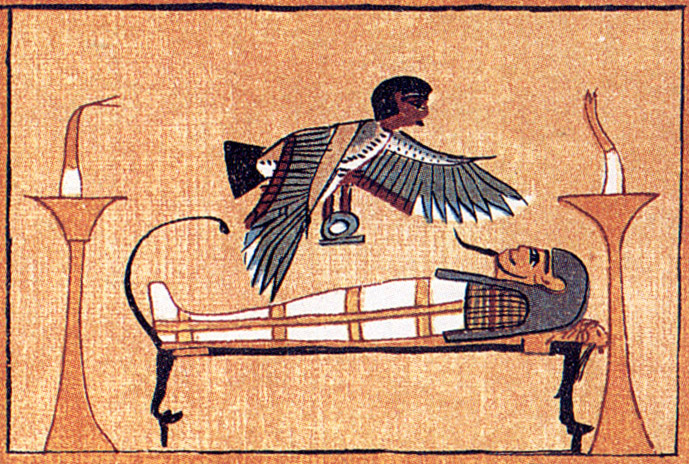 🇸🇪 Sweden and 1 moreSoul flight
A trance practice where the spirit leaves the body to visit other realmsRite · Healing · Seeing and foretelling Historical
🇸🇪 Sweden and 1 moreSoul flight
A trance practice where the spirit leaves the body to visit other realmsRite · Healing · Seeing and foretelling Historical
 🇮🇹 Italy and 5 moreRelic
An object or body part kept to honor a holy person and mark their connection to the divineCharm · Protection · Healing Living
🇮🇹 Italy and 5 moreRelic
An object or body part kept to honor a holy person and mark their connection to the divineCharm · Protection · Healing Living
 🇲🇦 Morocco and 5 moreWild rueاسپند
A desert plant whose seeds hold psychoactive alkaloids and serve as incense in the Middle East.Substance · Protection · Speaking with spirits and the dead Living
🇲🇦 Morocco and 5 moreWild rueاسپند
A desert plant whose seeds hold psychoactive alkaloids and serve as incense in the Middle East.Substance · Protection · Speaking with spirits and the dead Living
 🇺🇸 United States and 1 moreCalifornian white sage
A California shrub used by Indigenous peoples for food, healing, and ritual cleansingSubstance · Protection · Healing Living
🇺🇸 United States and 1 moreCalifornian white sage
A California shrub used by Indigenous peoples for food, healing, and ritual cleansingSubstance · Protection · Healing Living