Healing
Folk and spiritual healing, said as tradition and never as medical advice.
Traditional healing joins remedy, ritual and relationship. Healers of many kinds are said to treat the body, the family and the spirit together: the curandero in Mexico and the Andes, the sangoma in southern Africa, the hakim in the Islamic world, the Ayurvedic vaidya, the Korean mudang and the Siberian shaman. This page describes these as traditions, not as medical advice. Illness needs real medical care. Healing is also the intent most often exploited, so the page states its limits plainly.
How tradition frames illness
Many traditions treat illness as a matter of balance, relationship or disturbance, not only of the body. A sickness may be linked to an offended ancestor, a broken taboo, soul loss, envy, or a spirit. Treatment therefore includes consultation, confession, offerings, cleansing and a family gathering. Healers describe the aim as restoring a person's place in the community. Examples include the sweating, singing and plant rites of the Americas, the chanting and massage of Southeast Asia, and the Ayurvedic and Unani systems of South Asia, each with its own theory and texts.
Healers and training
Healers are called, apprenticed or hereditary. A sangoma is described as called by ancestors, often after an illness, and trained under a senior. In many places, healers are women, midwives and elders, whose standing does not come from a licensed degree. Governments have set up registers: South Africa recognised traditional health practitioners by law in 2007, and India supports Ayurveda through its AYUSH ministry. The ritual side is often described as being as important as the remedy, since attention, ceremony and support from family are part of the experience.
Working with medicine
Many people use traditional and clinical care side by side. Some healers refer patients to clinics and some campaigns in Africa have trained them to do so. Problems arise when ritual replaces treatment: delayed care for serious illness, harmful substances, and bans on medicine have cost lives. The World Health Organization supports research on traditional medicine while insisting on evidence for safety and effect. Patients also say the healer sat with them for hours, gave time and attention, and spoke the local language, which busy clinics may not manage.
Fraud and abuse
Fake healers exist everywhere: sellers of miracle cures, practitioners who charge to remove a curse, and exorcists who beat or starve people with mental illness. In several countries the courts have prosecuted deaths during exorcism. Scholars separate what communities value in healing, such as attention and meaning, from claims about cure, which should be tested. None of this removes the need to see a doctor for serious or lasting symptoms, and people should not stop prescribed treatment because of a ritual or a remedy.
Healing on EveryJaadu
The entries written up so far, best known first.
 🇨🇺 Cuba and 2 moreSanteríaRegla de Ocha
An Afro-Cuban religion blending Yoruba beliefs with Catholicism and SpiritismTradition · Protection · Healing Living
🇨🇺 Cuba and 2 moreSanteríaRegla de Ocha
An Afro-Cuban religion blending Yoruba beliefs with Catholicism and SpiritismTradition · Protection · Healing Living
 🇸🇳 Senegal and 1 moreSerer religionA ƭat Roog
The traditional faith of the Serer people, centred on the supreme deity Roog and ancestral veneration.Tradition · Protection · Speaking with spirits and the dead Living
🇸🇳 Senegal and 1 moreSerer religionA ƭat Roog
The traditional faith of the Serer people, centred on the supreme deity Roog and ancestral veneration.Tradition · Protection · Speaking with spirits and the dead Living
 🇮🇶 Iraq and 5 moreGrimoire
A textbook containing instructions for spells, rituals, and the creation of magical objects.Text · Protection · Healing Historical
🇮🇳 IndiaPanchagavya
A fermented mixture of five cow products used in Hindu rituals and Ayurvedic traditions.Substance · Cleansing and purification · Healing Living
🇮🇶 Iraq and 5 moreGrimoire
A textbook containing instructions for spells, rituals, and the creation of magical objects.Text · Protection · Healing Historical
🇮🇳 IndiaPanchagavya
A fermented mixture of five cow products used in Hindu rituals and Ayurvedic traditions.Substance · Cleansing and purification · Healing Living
 🇮🇹 Italy and 5 morePrecious coral
A marine skeleton harvested for jewelry and worn as a protective charm in several culturesSubstance · Protection · Healing Living
🇮🇹 Italy and 5 morePrecious coral
A marine skeleton harvested for jewelry and worn as a protective charm in several culturesSubstance · Protection · Healing Living
 🇲🇦 Morocco and 5 moreWild rueاسپند
A desert plant whose seeds hold psychoactive alkaloids and serve as incense in the Middle East.Substance · Protection · Speaking with spirits and the dead Living
🇸🇸 South Sudan and 1 moreDinka religion
The traditional animist and creator-based faith of the Dinka people of South SudanTradition · Protection · Healing Living
🇲🇦 Morocco and 5 moreWild rueاسپند
A desert plant whose seeds hold psychoactive alkaloids and serve as incense in the Middle East.Substance · Protection · Speaking with spirits and the dead Living
🇸🇸 South Sudan and 1 moreDinka religion
The traditional animist and creator-based faith of the Dinka people of South SudanTradition · Protection · Healing Living
 🇮🇩 Indonesia and 3 moreDragon's blood
A bright red resin from several plant species used in magic, medicine, and art since antiquitySubstance · Healing · Protection Living
🇮🇩 Indonesia and 3 moreDragon's blood
A bright red resin from several plant species used in magic, medicine, and art since antiquitySubstance · Healing · Protection Living
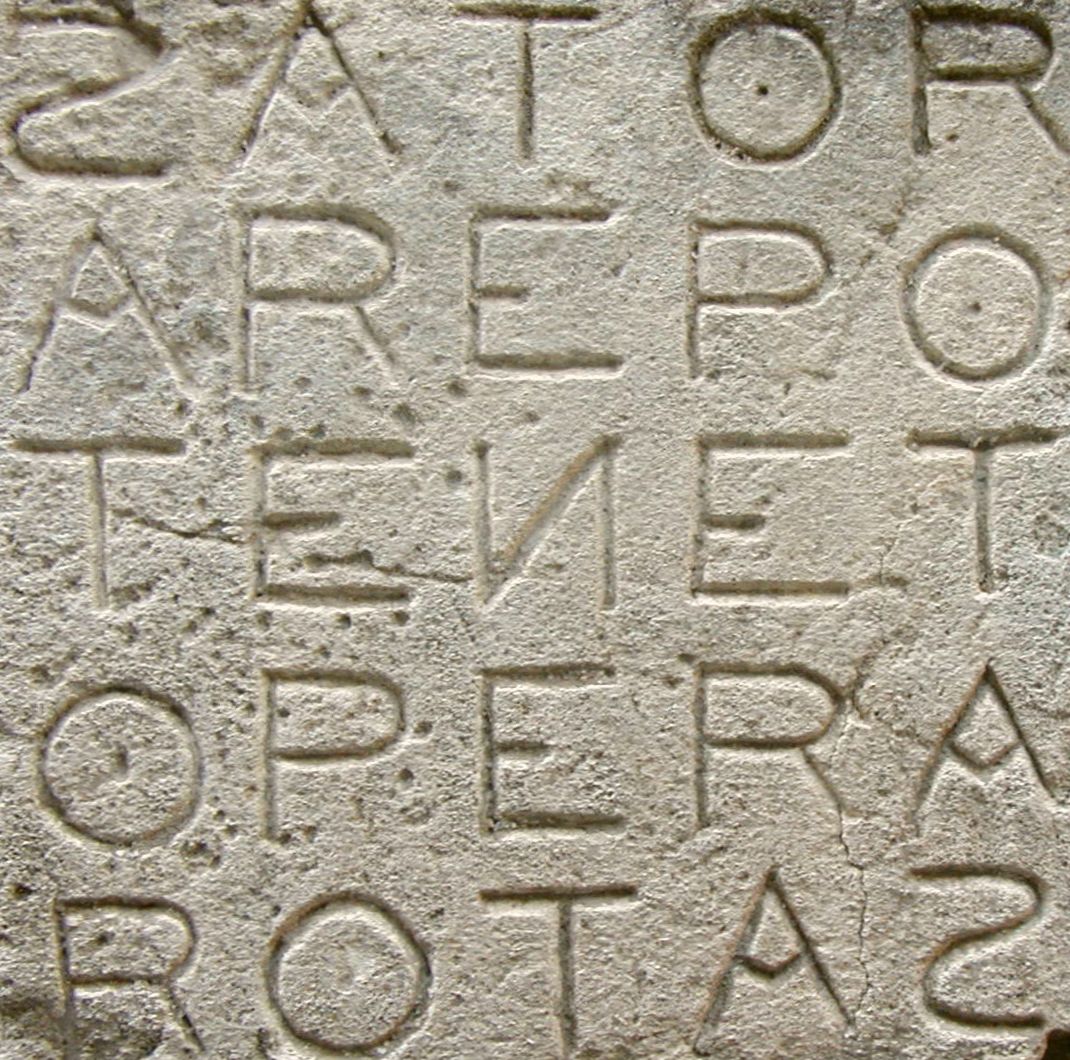 🇮🇹 Italy and 5 moreSator Square
A five-word Latin palindrome found in Roman ruins and medieval churchesCharm · Protection · Healing Historical
🇮🇹 Italy and 5 moreSator Square
A five-word Latin palindrome found in Roman ruins and medieval churchesCharm · Protection · Healing Historical
 🇪🇬 Egypt and 2 moreIsisꜣst (Egyptian)
Egyptian goddess of magic, mourning and kingship, mother of HorusBeing · Protection · Healing Historical
🇪🇬 Egypt and 2 moreIsisꜣst (Egyptian)
Egyptian goddess of magic, mourning and kingship, mother of HorusBeing · Protection · Healing Historical
 🇵🇪 Peru and 1 moreQuyllurit'iQoyllur Rit'i
A syncretic Andean pilgrimage celebrating the Pleiades and the Lord of Star SnowTradition · Protection · Healing Living
🇵🇪 Peru and 1 moreQuyllurit'iQoyllur Rit'i
A syncretic Andean pilgrimage celebrating the Pleiades and the Lord of Star SnowTradition · Protection · Healing Living
 🇨🇱 Chile and 1 moreMapuche religion
The traditional spiritual practice of the Mapuche people of Chile and ArgentinaTradition · Protection · Healing Living
🇨🇱 Chile and 1 moreMapuche religion
The traditional spiritual practice of the Mapuche people of Chile and ArgentinaTradition · Protection · Healing Living
 🇮🇳 India and 5 morePilgrimage
A journey to a sacred site for spiritual growth or religious dutyTradition · Healing · Speaking with spirits and the dead Living
🇮🇳 India and 5 morePilgrimage
A journey to a sacred site for spiritual growth or religious dutyTradition · Healing · Speaking with spirits and the dead Living
 🇫🇮 Finland and 5 moreMolybdomancy
A divination method using molten metal poured into water to read omensRite · Seeing and foretelling · Cursing and harm Living
🇫🇮 Finland and 5 moreMolybdomancy
A divination method using molten metal poured into water to read omensRite · Seeing and foretelling · Cursing and harm Living
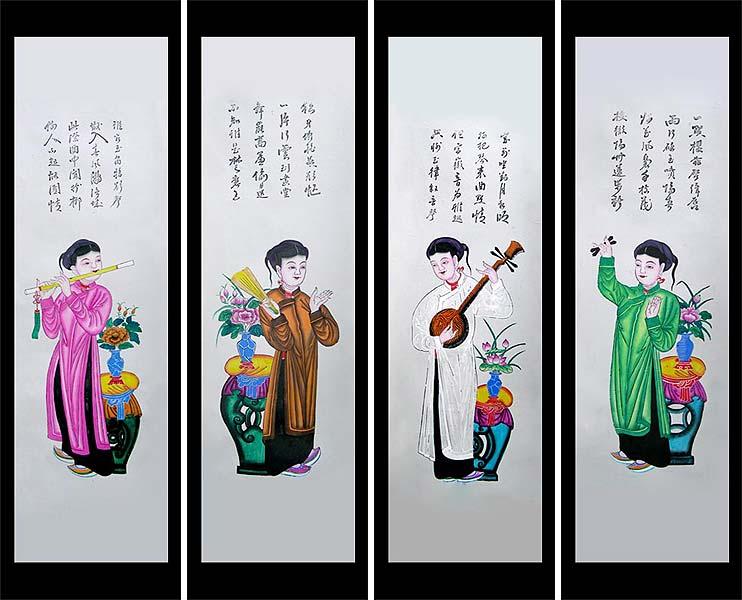 🇻🇳 Vietnam and 1 moreVietnamese folk religiontín ngưỡng dân gian Việt Nam
A collection of local spirit worship and ancestral veneration in VietnamTradition · Protection · Healing Living
🇻🇳 Vietnam and 1 moreVietnamese folk religiontín ngưỡng dân gian Việt Nam
A collection of local spirit worship and ancestral veneration in VietnamTradition · Protection · Healing Living
 🇲🇽 Mexico and 5 moreSanta MuerteNuestra Señora de la Santa Muerte
A female skeletal folk saint in Mexico and the Americas, worshipped for protection, healing, and safe passage.Tradition · Protection · Healing Living
🇲🇽 Mexico and 5 moreSanta MuerteNuestra Señora de la Santa Muerte
A female skeletal folk saint in Mexico and the Americas, worshipped for protection, healing, and safe passage.Tradition · Protection · Healing Living
 🇲🇽 Mexico and 5 moreFolk Catholicism
Local religious customs that blend official Church teaching with indigenous or regional traditions.Tradition · Protection · Healing Living
🇲🇽 Mexico and 5 moreFolk Catholicism
Local religious customs that blend official Church teaching with indigenous or regional traditions.Tradition · Protection · Healing Living
 🇪🇬 Egypt and 3 moreEx-voto
A gift left in a shrine to mark a vow kept or a miracle receivedCharm · Protection · Healing Living
🇪🇬 Egypt and 3 moreEx-voto
A gift left in a shrine to mark a vow kept or a miracle receivedCharm · Protection · Healing Living
 🇺🇦 Ukraine and 5 moreMugwortчорнобиль (chornóbyl')
An aromatic herb used in folk medicine, cooking, and magical protection across Eurasia.Substance · Protection · Healing Living
🇺🇦 Ukraine and 5 moreMugwortчорнобиль (chornóbyl')
An aromatic herb used in folk medicine, cooking, and magical protection across Eurasia.Substance · Protection · Healing Living
 🇹🇭 Thailand and 3 moreThai Buddha amuletsพระเครื่อง (phrakhrueang)
Sacred Buddhist images and relics worn for protection, merit, and fortune in Thailand.Charm · Protection · Luck and prosperity Living
🇹🇭 Thailand and 3 moreThai Buddha amuletsพระเครื่อง (phrakhrueang)
Sacred Buddhist images and relics worn for protection, merit, and fortune in Thailand.Charm · Protection · Luck and prosperity Living
 🇦🇷 Argentina and 2 moreSan La Muerte
A skeletal folk saint venerated in South America for protection and favorsTradition · Protection · Healing Living
🇦🇷 Argentina and 2 moreSan La Muerte
A skeletal folk saint venerated in South America for protection and favorsTradition · Protection · Healing Living
 🇹🇷 Turkey and 1 moreTurkish folkloreTürk halk kültürü
A rich body of oral tales, jokes, and rituals from Turkey and the Turkic worldTradition · Protection · Healing Living
🇹🇷 Turkey and 1 moreTurkish folkloreTürk halk kültürü
A rich body of oral tales, jokes, and rituals from Turkey and the Turkic worldTradition · Protection · Healing Living
 🇳🇬 Nigeria and 4 moreOrishaÒrìṣà
Divine spirits of the Yoruba religion and their diasporic descendants in the Americas.Being · Protection · Healing Living
🇳🇬 Nigeria and 4 moreOrishaÒrìṣà
Divine spirits of the Yoruba religion and their diasporic descendants in the Americas.Being · Protection · Healing Living
 🇵🇪 Peru and 5 morePalo Santo
Aromatic wood used in South American ritual cleansing and folk medicineSubstance · Cleansing and purification · Healing Living
🇵🇪 Peru and 5 morePalo Santo
Aromatic wood used in South American ritual cleansing and folk medicineSubstance · Cleansing and purification · Healing Living
 🇳🇬 Nigeria and 5 moreMami Wata
A water spirit of beauty and wealth in African folklore and the Atlantic diasporaBeing · Healing · Luck and prosperity Living
🇳🇬 Nigeria and 5 moreMami Wata
A water spirit of beauty and wealth in African folklore and the Atlantic diasporaBeing · Healing · Luck and prosperity Living
 🇨🇳 China and 5 moreGuanyin觀音 (Guānyīn)
The Bodhisattva of compassion, worshipped across East Asia as a listener to human sufferingBeing · Protection · Healing Living
🇯🇵 JapanYutaユタ
Okinawan folk shamans who guide families through spirits and fortune-tellingTradition · Protection · Healing Living
🇨🇳 China and 5 moreGuanyin觀音 (Guānyīn)
The Bodhisattva of compassion, worshipped across East Asia as a listener to human sufferingBeing · Protection · Healing Living
🇯🇵 JapanYutaユタ
Okinawan folk shamans who guide families through spirits and fortune-tellingTradition · Protection · Healing Living
 🇰🇪 Kenya and 1 moreMaasai religion
The spiritual beliefs of the semi-nomadic Maasai people of East AfricaTradition · Protection · Healing Living
🇰🇪 Kenya and 1 moreMaasai religion
The spiritual beliefs of the semi-nomadic Maasai people of East AfricaTradition · Protection · Healing Living
 🇺🇸 United States and 5 moreFlorida Water
A citrus perfume used in spiritual cleansing and folk healing across the Americas.Substance · Protection · Cleansing and purification Living
🇺🇸 United States and 5 moreFlorida Water
A citrus perfume used in spiritual cleansing and folk healing across the Americas.Substance · Protection · Cleansing and purification Living
 🇺🇸 United States and 1 moreOjibwe religion
The traditional spiritual practices of the Ojibwe people of North AmericaTradition · Healing · Luck and prosperity Living
🇺🇸 United States and 1 moreOjibwe religion
The traditional spiritual practices of the Ojibwe people of North AmericaTradition · Healing · Luck and prosperity Living
 🇮🇹 Italy and 5 moreRelic
An object or body part kept to honor a holy person and mark their connection to the divineCharm · Protection · Healing Living
🇦🇷 Argentina and 5 moreGauchito Gil
A folk saint from Argentina who protects the poor and outcastsBeing · Protection · Healing Living
🇮🇹 Italy and 5 moreRelic
An object or body part kept to honor a holy person and mark their connection to the divineCharm · Protection · Healing Living
🇦🇷 Argentina and 5 moreGauchito Gil
A folk saint from Argentina who protects the poor and outcastsBeing · Protection · Healing Living
 🇵🇪 Peru and 1 moreApu
Sacred mountain spirits in Andean tradition that protect communities and control natural resourcesBeing · Protection · Healing Living
🇵🇪 Peru and 1 moreApu
Sacred mountain spirits in Andean tradition that protect communities and control natural resourcesBeing · Protection · Healing Living
 🇮🇳 India and 5 moreSnake worship
Veneration of serpents as divine or ancestral beings across global culturesTradition · Protection · Healing Living
🇮🇳 India and 5 moreSnake worship
Veneration of serpents as divine or ancestral beings across global culturesTradition · Protection · Healing Living
 🇧🇷 Brazil and 5 moreSanto Daime
A Brazilian syncretic religion using ayahuasca for spiritual work and healingTradition · Healing · Speaking with spirits and the dead Living
🇧🇷 Brazil and 5 moreSanto Daime
A Brazilian syncretic religion using ayahuasca for spiritual work and healingTradition · Healing · Speaking with spirits and the dead Living
 🇪🇬 Egypt and 1 moreEye of Horuswḏꜣt
A stylized eye symbol in ancient Egypt representing healing and cosmic orderCharm · Protection · Healing Historical
🇪🇬 Egypt and 1 moreEye of Horuswḏꜣt
A stylized eye symbol in ancient Egypt representing healing and cosmic orderCharm · Protection · Healing Historical
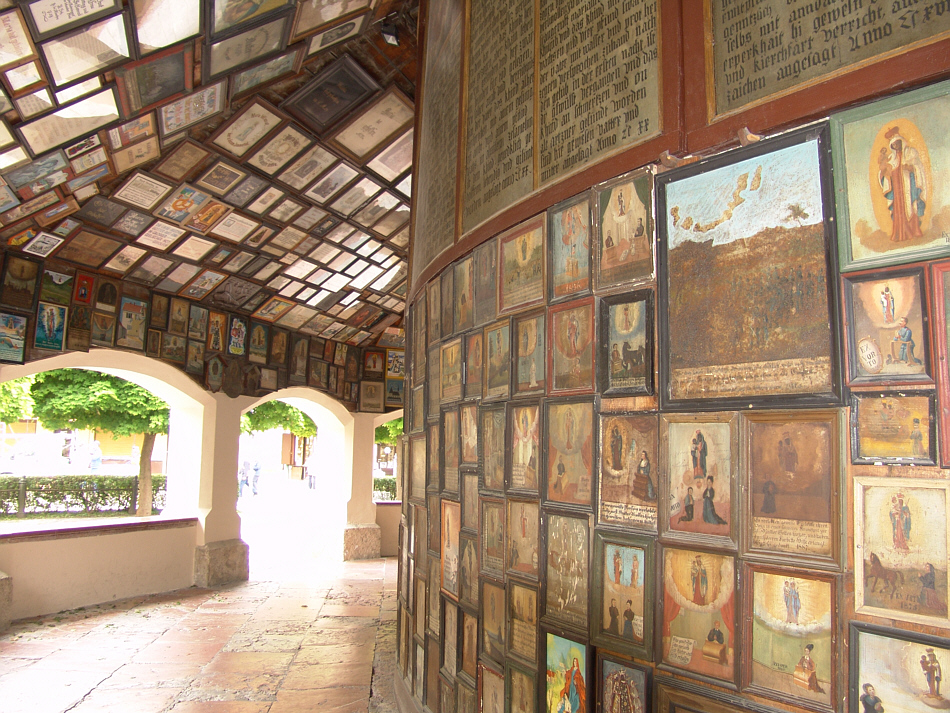 🇬🇷 Greece and 5 moreVotive offering
Objects left in sacred places to honor a deity or fulfill a vow, never to be recovered.Tradition · Protection · Healing Living
🇬🇷 Greece and 5 moreVotive offering
Objects left in sacred places to honor a deity or fulfill a vow, never to be recovered.Tradition · Protection · Healing Living
 🇮🇪 Ireland and 5 moreHoly well
A water source revered for healing and ritual across pagan and Christian traditionsTradition · Healing · Speaking with spirits and the dead Living
🇮🇪 Ireland and 5 moreHoly well
A water source revered for healing and ritual across pagan and Christian traditionsTradition · Healing · Speaking with spirits and the dead Living
 🇺🇸 United States and 1 moreCalifornian white sage
A California shrub used by Indigenous peoples for food, healing, and ritual cleansingSubstance · Protection · Healing Living
🇺🇸 United States and 1 moreCalifornian white sage
A California shrub used by Indigenous peoples for food, healing, and ritual cleansingSubstance · Protection · Healing Living
 🇺🇸 United StatesFolk healer
An unlicensed community member who provides healing care using local plants and traditional knowledge.Tradition · Healing · Protection Historical
🇺🇸 United StatesFolk healer
An unlicensed community member who provides healing care using local plants and traditional knowledge.Tradition · Healing · Protection Historical
 🇨🇳 China and 2 moreEight Immortals八仙
Eight legendary Taoist figures of China, each with a power and a vesselFigure · Protection · Healing Living
🇨🇳 China and 2 moreEight Immortals八仙
Eight legendary Taoist figures of China, each with a power and a vesselFigure · Protection · Healing Living
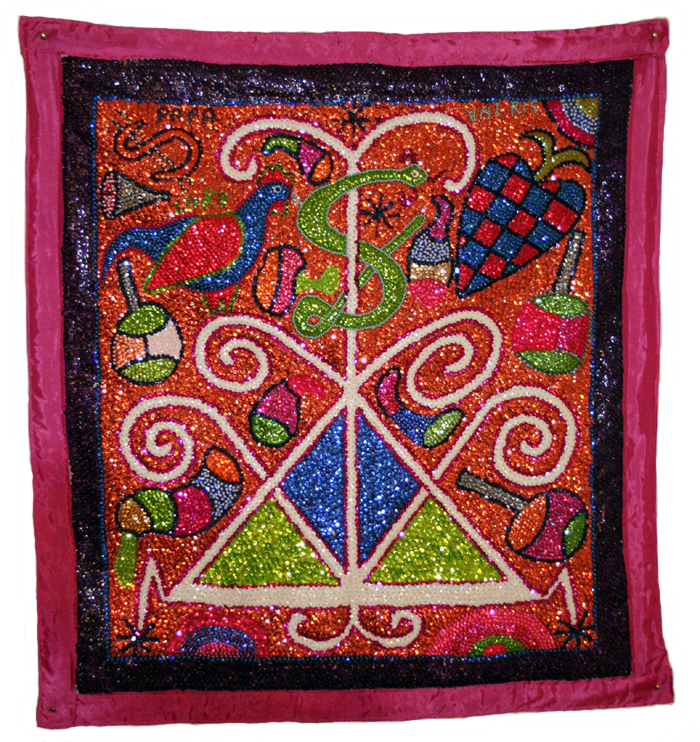 🇭🇹 Haiti and 2 moreHaitian VodouVodou
An Afro-Haitian religion blending West African traditions with Catholicism and FreemasonryTradition · Protection · Healing Living
🇭🇹 Haiti and 2 moreHaitian VodouVodou
An Afro-Haitian religion blending West African traditions with Catholicism and FreemasonryTradition · Protection · Healing Living
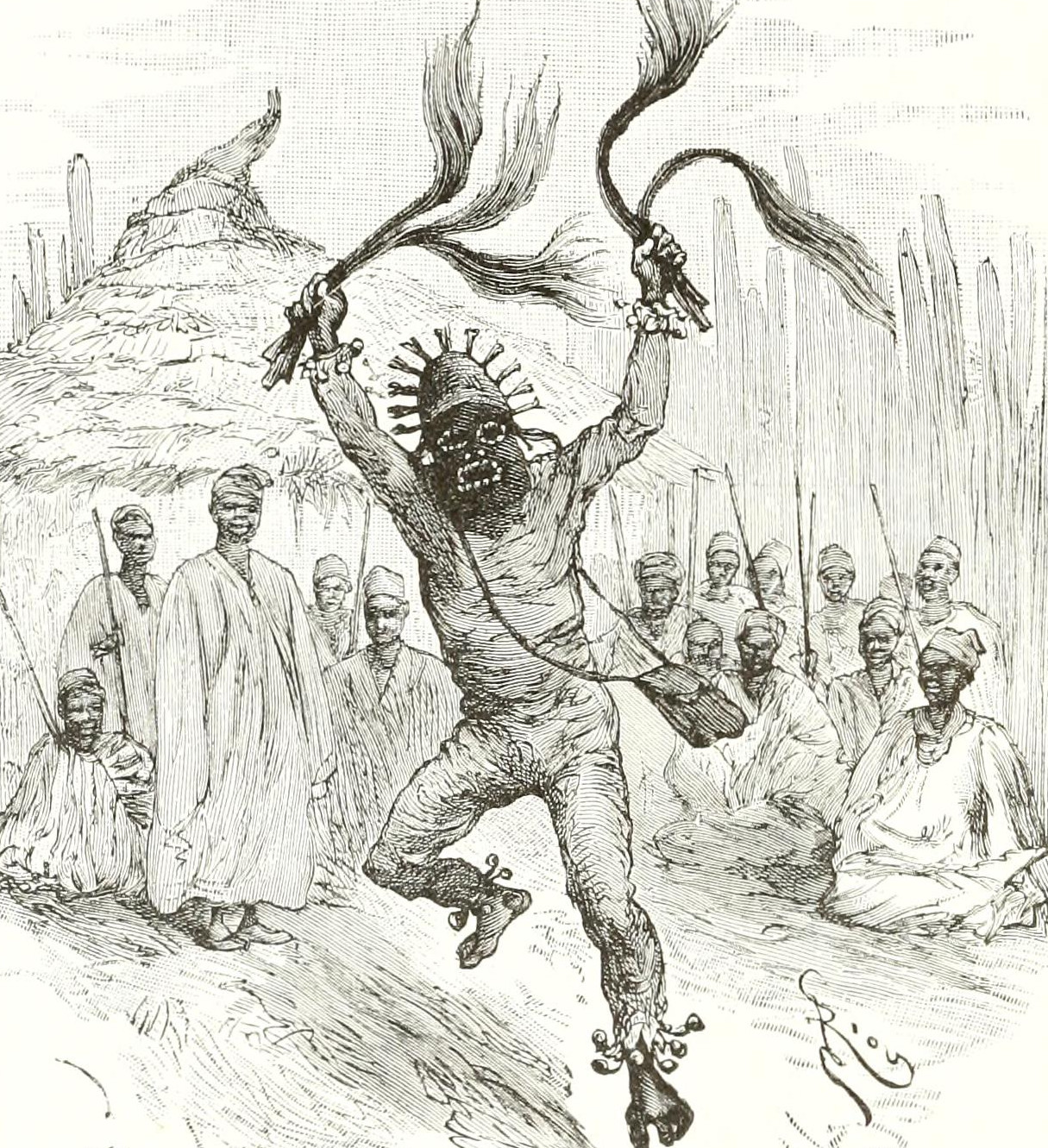 🇺🇸 United States and 2 moreLouisiana Voodoo
An African diasporic religion practiced in Louisiana from the 18th to early 20th centuriesTradition · Healing · Protection Historical
🇺🇸 United States and 2 moreLouisiana Voodoo
An African diasporic religion practiced in Louisiana from the 18th to early 20th centuriesTradition · Healing · Protection Historical
 🇷🇺 Russia and 5 moreAmber
Fossilized tree resin used in jewelry and folk healing traditionsSubstance · Protection · Healing Living
🇮🇷 Iran and 2 moreHaoma
A divine plant and spirit in Zoroastrianism, linked to healing and ancient rituals.Substance · Healing · Speaking with spirits and the dead Living
🇷🇺 Russia and 5 moreAmber
Fossilized tree resin used in jewelry and folk healing traditionsSubstance · Protection · Healing Living
🇮🇷 Iran and 2 moreHaoma
A divine plant and spirit in Zoroastrianism, linked to healing and ancient rituals.Substance · Healing · Speaking with spirits and the dead Living
 🇮🇳 India and 1 moreHeliotrope
A green and red mineral stone used as an amulet for health, invisibility, and courage.Charm · Protection · Healing Historical
🇮🇳 India and 1 moreHeliotrope
A green and red mineral stone used as an amulet for health, invisibility, and courage.Charm · Protection · Healing Historical
 🇨🇳 ChinaNeidan内丹
A Taoist practice using the body as a cauldron to refine inner energies for longevity and immortalityTradition · Healing · Power and authority Living
🇨🇳 ChinaNeidan内丹
A Taoist practice using the body as a cauldron to refine inner energies for longevity and immortalityTradition · Healing · Power and authority Living
 🇺🇸 United States and 4 moreRainmaking
Efforts to induce rain through technology, ritual, or prayer.Tradition · Protection · Healing Living
🇺🇸 United States and 4 moreRainmaking
Efforts to induce rain through technology, ritual, or prayer.Tradition · Protection · Healing Living
Photo credits on this page
The small pictures above come from Wikimedia Commons under free licences. Some are cropped to fit.
- Guanyin: JL Cogburn, CC BY-SA 2.0, source
- Serer religion: Unknown author, Public domain, source
- Grimoire: Bengt A. Lundberg, CC BY 2.5, source
- Precious coral: Géry PARENT, CC BY-SA 3.0, source
- Folk healer: calliopejen, CC BY-SA 2.0, source
- Eight Immortals: Fanghong, CC BY-SA 3.0, source
- Haitian Vodou: Sam Fentress, CC BY-SA 2.0, source
- Louisiana Voodoo: I cropped, original authors are Ridpath, John Clark, CC BY-SA 4.0, source
- Amber: uploaded with permission, CC BY-SA 3.0, source
- Heliotrope: Ra'ike (see also: de:Benutzer:Ra'ike ), CC BY-SA 3.0, source
- Neidan: A16898, CC BY-SA 4.0, source
- Rainmaking: George Catlin, Public domain, source
- Folk saint: Sergio Serrano, CC BY-SA 2.0, source
- Wild rue: Yuriy75, CC BY-SA 3.0, source
- Dragon's blood: Andy Dingley, CC BY-SA 3.0, source
- Sator Square: M Disdero, CC BY-SA 3.0, source
- Isis: Ägyptischer Maler um 1360 v. Chr., Public domain, source
- Quyllurit'i: AgainErick, CC BY-SA 3.0, source
- Mapuche religion: Gary Todd, CC0, source
- Pilgrimage: Ali Mansuri, CC BY-SA 2.5, source
- Molybdomancy: Micha L. Rieser, Attribution, source
- Vietnamese folk religion: Unknown (traditional painting dated back to the 17th century), Public domain, source
- Santa Muerte: Not home, Public domain, source
- Folk Catholicism: Calvin Hennick, for WBUR Boston, CC BY 3.0, source
- Ex-voto: JTSH26, CC BY-SA 4.0, source
- Mugwort: Prahlad balaji, CC BY-SA 4.0, source
- Thai Buddha amulets: User:Mattes, Public domain, source
- Turkish folklore: Biser Todorov, CC BY-SA 4.0, source
- Orisha: Turismo Bahia, CC BY-SA 2.0, source
- Palo Santo: Haplochromis, CC BY-SA 3.0, source
- Mami Wata: Daderot, Public domain, source
- Santería: Jorge Royan, CC BY-SA 3.0, source
- Maasai religion: Dr. Ondřej Havelka (cestovatel), CC BY 4.0, source
- Florida Water: Unknown artist(s), Public domain, source
- Ojibwe religion: Ryan Hodnett, CC BY-SA 4.0, source
- Relic: MathieuGuy, CC BY-SA 3.0, source
- Apu: Cecilia Sacsa, CC BY-SA 4.0, source
- Snake worship: Alexandermcnabb, CC BY-SA 4.0, source
- Santo Daime: Tonelada, CC BY-SA 3.0, source
- Eye of Horus: Tangopaso, Public domain, source
- Votive offering: Walter J. Pilsak, Waldsassen ( W.J.Pilsak at de.wikipedia ), CC BY-SA 3.0, source
- Holy well: The Speckled Bird, CC BY-SA 4.0, source
- Californian white sage: Stan Shebs, CC BY-SA 3.0, source