
Marie Laveau
From French Marie and Laveau, a common surname in Louisiana
A New Orleans priestess and herbalist who led Louisiana Voodoo in the nineteenth century
Marie Laveau was a prominent figure in New Orleans known for her work as a Voodoo priestess, midwife, and healer. She combined African spiritual traditions with Roman Catholic practices to serve the city's diverse population during the nineteenth century.
- Born in New Orleans in 1801 to a free woman of color
- Led Louisiana Voodoo as a priestess and herbalist
- Married Jacques Paris, a Haitian immigrant, in 1819
- Visited prisoners and provided care during yellow fever epidemics
- Buried in Saint Louis Cemetery No. 1 in New Orleans
What it is
Marie Laveau served as a leading religious figure in New Orleans during the nineteenth century. She operated as a Voodoo priestess, offering guidance and spiritual services to residents of the city. Her practice blended West African Vodun beliefs with Roman Catholic rituals, creating a distinct form of Louisiana Voodoo. She was also recognized as a skilled herbalist and midwife, providing medical and emotional support to her neighbors. Her reputation extended beyond spiritual matters, as she was known for her charitable work and community activism. Laveau maintained authority over local practitioners, though her influence waned after her death.
Where it comes from
Born in New Orleans in 1801, Laveau grew up in the French Quarter under Spanish administration. Her mother was a free woman of color with African, European, and Native American heritage. Historical records indicate her father may have been Charles Laveau Trudeau or another man named Charles Laveaux. She married Jacques Paris, an immigrant from Saint-Domingue, before entering a partnership with Christophe Glapion. These early experiences shaped her understanding of the complex social and cultural landscape of Louisiana.
How it is done
Laveau conducted consultations in various locations, including her home and public spaces. She offered advice on family disputes, health issues, and financial concerns. Clients sought her help through gris gris charms and prayers. She used information gathered from wealthy patrons at her beauty parlor to assist them in their personal lives. Her methods included preparing herbal remedies and performing rituals without charge for those in need. She also visited prisoners to provide spiritual comfort and last meals.
Tools and materials
Her practice relied on natural materials and religious symbols. Gris gris charms were sold to clients to fulfill specific wishes. Herbal remedies were prepared to treat ailments and support healing. Prayers and Catholic traditions were integrated into her rituals. She used her position as a hairdresser to gather information that helped her advise clients. These tools facilitated communication between the physical and spiritual worlds.
Marie Laveau, drawn and placed
- Living
- Revived
- Fading
- Historical
- Legendary
- Performed
- Lineage
- Louisiana Voodoo
- Timing
- daily consultations and community care
What it is for
People approached Laveau for protection, healing, and guidance. She addressed personal crises, relationship problems, and health challenges. Her work aimed to restore balance and well-being within communities. She provided support to the sick during epidemics and offered pardons to prisoners. Her services were intended to bring relief and clarity to those seeking her counsel. The purpose of her rituals was to connect individuals with spiritual forces for practical assistance.
Who does it
Laveau was chosen by her community through her demonstrated skills and knowledge. She trained others in her methods, including enslaved people and local women. Her status as a respected elder and healer gave her authority. She maintained a household and raised children while managing her public role. Her leadership required both spiritual insight and social intelligence. Other women, including her daughter, continued her work after her passing.
Peoples and places
The practice of Louisiana Voodoo developed among African Americans and Creole populations in New Orleans. Laveau's influence spread across different social classes, from enslaved individuals to wealthy elites. Her methods incorporated elements from Haitian immigrants and Native American traditions. The community viewed her as a central figure in local spirituality. Her legacy persists in the cultural memory of New Orleans and beyond.
At a glance: who, where and when
Who does it
Belief worlds


What people believe
Louisiana Voodoo combines West African spirits with Catholic saints. Practitioners believe in the power of charms and prayers to affect daily life. Laveau's work reflected a worldview where spiritual and physical realities intersected. She honored ancestors and sought guidance from divine forces. Her rituals acknowledged the presence of unseen powers that could be appealed to for help. This belief system provided structure and meaning to community life.
When it is done
Consultations occurred throughout the year based on individual needs. Laveau attended to emergencies and seasonal health crises, such as yellow fever outbreaks. She participated in community events and supported local traditions. Her work did not follow a fixed calendar but responded to the rhythms of daily life and urgent requests for aid.
How scholars and sceptics see it
Historians study Laveau's life through baptismal records, marriage certificates, and newspaper accounts. Anthropologists examine her role in the development of Louisiana Voodoo. Writers like Zora Neale Hurston documented oral histories associated with her lineage. Scholars note the confusion surrounding her birth date and family connections due to inconsistent records. Their work highlights the intersection of race, religion, and power in nineteenth-century New Orleans.
Cautions and what is closed
Tourists visiting her tomb often engage in rituals that damage the historic site. Scratching marks and leaving offerings have harmed the plaster structures. Preservation efforts have restricted public access to protect the cemetery. Some legends about Laveau involve supernatural claims that lack historical evidence. Misinterpretations of her work sometimes lead to inappropriate behavior at memorial sites.
Compare and confuse
Laveau is often compared to other Voodoo leaders like Sanité Dédé and Marie Saloppé. Her practice differs from Caribbean Vodou in its integration of Catholic elements. She is sometimes confused with fictional characters or later practitioners. Her name appears in popular culture alongside unrelated figures. Understanding her requires distinguishing historical facts from legend.
Questions people ask about Marie Laveau
Who was Marie Laveau?
She was a prominent New Orleans priestess, herbalist, and midwife known for leading Louisiana Voodoo in the nineteenth century. Born in 1801, she blended African spiritual traditions with Catholic practices to serve her community.
What was her role in New Orleans society?
Laveau acted as a spiritual leader and community activist. She offered consultations, healed the sick, and supported prisoners. Her beauty parlor served as a hub for gathering information and advising wealthy patrons.
How did she combine different religious traditions?
She integrated West African Vodun beliefs with Roman Catholic rituals. Her practice honored saints and spirits alike, using prayers and charms to address the needs of her clients within a syncretic framework.
Where is she buried and what happens there?
She is believed to be buried in Saint Louis Cemetery No. 1. Tourists visit her tomb to draw X marks and leave offerings, though this activity has damaged the historic site and restricted public access.
Did she have a successor?
Her daughter, Marie Laveau II, continued her magical practice and held public rituals. Other figures, such as Malvina Latour, are also reported to have taken over her position after her death.
Good reading and sources
- Marie Laveau on WikipediaEncyclopedia
- More photos on Wikimedia CommonsPhotos and video
- Wikidata recordOpen data
The facts on this page come from the Wikipedia article "Marie Laveau", written by its contributors and used under the CC BY-SA 4.0 licence, and from its Wikidata record (CC0). EveryJaadu rewrote the text in its own words, with AI assistance, and compares every page with the article to make sure no passage is copied. It may be reused under the same CC BY-SA 4.0 licence with a link back.
It may contain mistakes. Names and customs differ from one community to the next, and some knowledge is closed to outsiders and left out here. This page describes belief and practice. It does not say that any of it works, it is not a how-to, and it is not medical advice. If something is wrong, tell us. Last refreshed 2026-10-06.
More from the United States
All the entries from the United States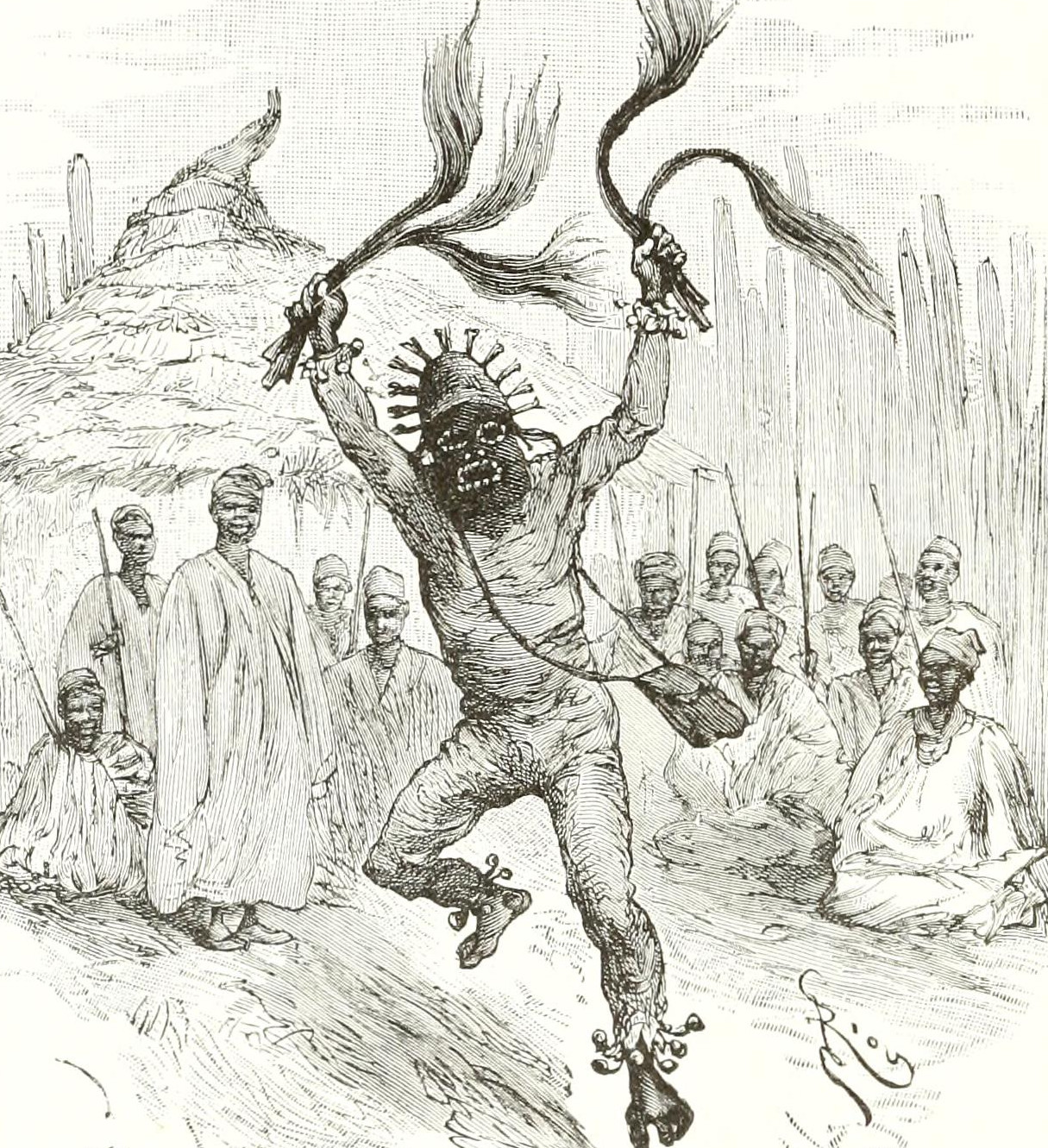 🇺🇸 United States and 2 moreLouisiana Voodoo
An African diasporic religion practiced in Louisiana from the 18th to early 20th centuriesTradition · Healing · Protection Historical
🇺🇸 United States and 2 moreLouisiana Voodoo
An African diasporic religion practiced in Louisiana from the 18th to early 20th centuriesTradition · Healing · Protection Historical
 🇺🇸 United StatesFolk healer
An unlicensed community member who provides healing care using local plants and traditional knowledge.Tradition · Healing · Protection Historical
🇺🇸 United StatesFolk healer
An unlicensed community member who provides healing care using local plants and traditional knowledge.Tradition · Healing · Protection Historical
 🇺🇸 United States and 1 moreMedicine wheel
Circular stone formations built by Indigenous peoples of North America for ceremony and astronomy.Tradition · Speaking with spirits and the dead · Power and authority Living
🇺🇸 United States and 1 moreMedicine wheel
Circular stone formations built by Indigenous peoples of North America for ceremony and astronomy.Tradition · Speaking with spirits and the dead · Power and authority Living
 🇺🇸 United States and 1 moreGroundhog DayGrund'sau dåk
A North American custom using a burrowing rodent to forecast the end of winterTradition · Seeing and foretelling · Luck and prosperity Living
🇺🇸 United States and 1 moreGroundhog DayGrund'sau dåk
A North American custom using a burrowing rodent to forecast the end of winterTradition · Seeing and foretelling · Luck and prosperity Living
Related elsewhere
All tradition 🇸🇳 Senegal and 1 moreSerer religionA ƭat Roog
The traditional faith of the Serer people, centred on the supreme deity Roog and ancestral veneration.Tradition · Protection · Speaking with spirits and the dead Living
🇸🇳 Senegal and 1 moreSerer religionA ƭat Roog
The traditional faith of the Serer people, centred on the supreme deity Roog and ancestral veneration.Tradition · Protection · Speaking with spirits and the dead Living
 🇰🇪 Kenya and 1 moreMaasai religion
The spiritual beliefs of the semi-nomadic Maasai people of East AfricaTradition · Protection · Healing Living
🇰🇪 Kenya and 1 moreMaasai religion
The spiritual beliefs of the semi-nomadic Maasai people of East AfricaTradition · Protection · Healing Living
 🇹🇭 Thailand and 3 moreThai Buddha amuletsพระเครื่อง (phrakhrueang)
Sacred Buddhist images and relics worn for protection, merit, and fortune in Thailand.Charm · Protection · Luck and prosperity Living
🇹🇭 Thailand and 3 moreThai Buddha amuletsพระเครื่อง (phrakhrueang)
Sacred Buddhist images and relics worn for protection, merit, and fortune in Thailand.Charm · Protection · Luck and prosperity Living
 🇮🇶 Iraq and 5 moreGrimoire
A textbook containing instructions for spells, rituals, and the creation of magical objects.Text · Protection · Healing Historical
🇮🇶 Iraq and 5 moreGrimoire
A textbook containing instructions for spells, rituals, and the creation of magical objects.Text · Protection · Healing Historical